


You make smarter choices when you look beyond price and focus on the true cost of wound dressing supplies. Hidden costs can drain your budget and slow patient recovery.
Choosing cheap gauze may seem cost-effective, but it often leads to more frequent changes, increased nursing time, and higher risk of complications.
Advanced products like SLK Medical’s silicone foam dressings help you deliver better outcomes and real savings over time. When you compare premium foam dressings to basic gauze, you see long-term value that benefits both patients and your facility.
Key Takeaways
Total cost of ownership (TCO) includes all expenses related to wound dressing supplies, not just the purchase price. Consider ongoing costs like labor and complications.
Choosing advanced dressings like SLK Medical silicone foam can lead to fewer dressing changes, lower labor costs, and better patient outcomes over time.
Investing in quality dressings reduces hidden costs associated with complications and frequent changes, ultimately saving money and improving care.
Use decision-analytic tools to evaluate the cost-effectiveness of different dressing options. This helps you make informed choices that benefit both patients and budgets.
Regularly review your TCO calculations to identify new savings and improve procurement strategies. This leads to smarter spending and enhanced patient care.
Understanding Total Cost of Ownership
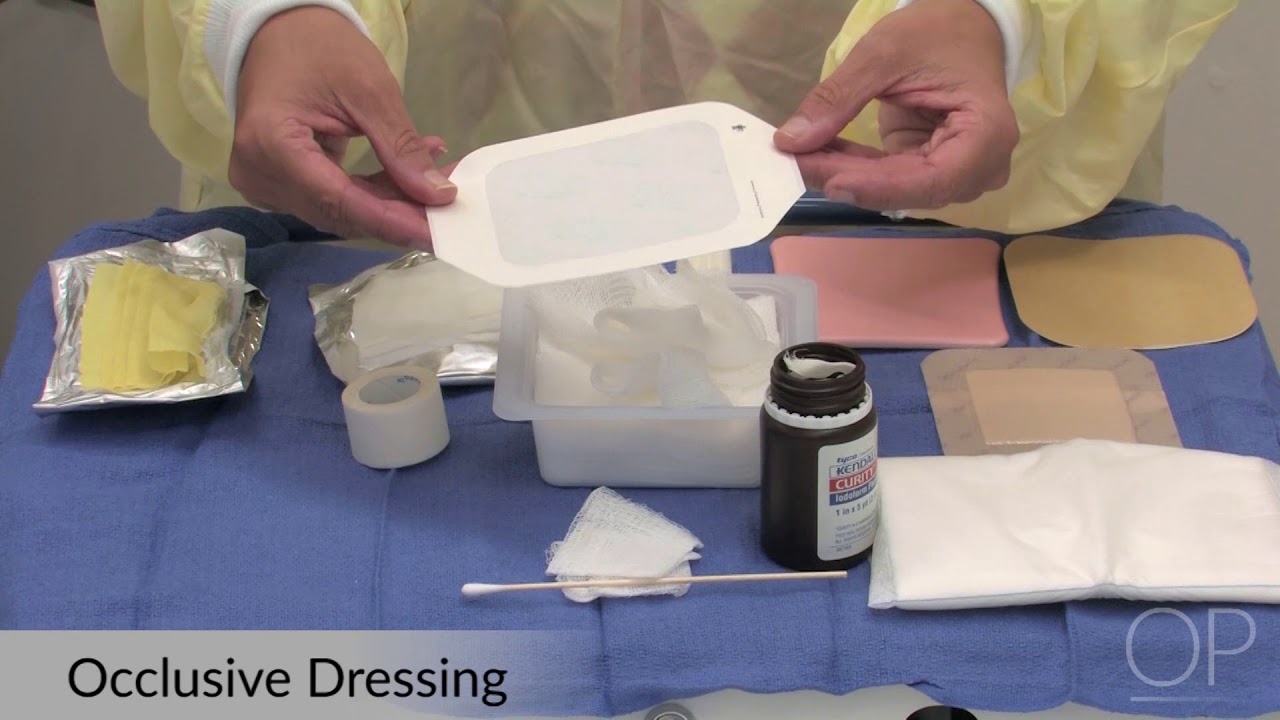
What TCO Means in Wound Dressing Supplies
You want to make the best decision for your patients and your budget. Total cost of ownership (TCO) in wound dressing supplies means looking at every expense tied to a product over its entire life. You do not just pay for the dressing itself. You also pay for ongoing costs like maintenance, staff time, and clinical accessories. Many people overlook these hidden costs, but they add up quickly. When you focus on TCO, you see the real impact on your facility’s finances and patient outcomes.
TCO helps you avoid surprises and plan for the true cost of care, not just the sticker price.
Key Cost Factors Beyond Price
You need to consider more than just the price tag when choosing wound dressing supplies. Direct costs include the dressing, nursing labor, and treatments for complications. Indirect costs come from extra medications, longer healing times, and more hospital visits. These factors can change the total cost of care and affect patient well-being.
Here is a quick overview of the main cost factors:
Cost Factor | Description |
|---|---|
Direct Costs | Cost of the dressing, nursing labor, and managing complications. |
Indirect Costs | Costs from healing times, infection rates, and extra treatments. |
Total Cost of Care | All expenses, including materials and specialist consultations. |
Clinical Outcomes | Impact on patient health and overall costs. |
Evidence-Based Decision Tools | Use of frameworks to measure cost-effectiveness in different scenarios. |
Unit cost does not tell the whole story. Lower-priced dressings often mean higher overall costs from extra labor and complications.
Total cost of care includes every related expense, not just the dressing price.
Clinical effectiveness matters. Faster healing and fewer complications save money and improve outcomes.
Decision-analytic tools help you see the true value and cost variability of each option.
You make smarter choices when you look at the full picture. By considering TCO, you protect your budget and deliver better care.
Cost Comparison: Foam vs. Gauze

Direct and Indirect Costs
When you compare foam dressings to basic gauze, you see a clear difference in both direct and indirect costs. Foam dressings, such as SLK Medical’s silicone foam dressings, may have a higher unit price, but they save you money in the long run. Gauze seems cheap at first, but it often leads to more expenses over time.
Dressing Type | Dressing Change Frequency | Labor Cost Impact | Total Cost per Patient |
|---|---|---|---|
Foam Dressings | Less frequent | Lower | Lower by $466 |
Gauze Dressings | More frequent | Higher | Higher |
You spend less on staff time with foam dressings. You also reduce the number of dressing changes. This means fewer supplies used and less waste. Gauze dressings require more frequent changes, which increases your labor costs and the risk of complications.
Foam dressings require fewer dressing changes and less staff time.
Advanced materials like foam can reduce healing time and nursing hours.
Gauze often leads to higher costs because of complications and increased care time.
When you look at the total cost per patient, foam dressings come out ahead. You save on both the cost of the dressing and the labor needed for wound care. Over time, these savings add up and help you manage your wound dressing supplies budget more effectively.
Impact on Healing and Labor
You want your patients to heal quickly and comfortably. The choice between foam and gauze dressings makes a big difference in healing outcomes and staff workload.
Foam dressings and hydrocolloid dressings improve the cure rate for pressure injuries compared to sterile gauze.
Silver foam dressings show better clinical outcomes in diabetic foot ulcers, such as reduced ulcer size and less wound exudate.
Hydrofiber foam dressings help control exudates and preserve healthy tissue better than traditional gauze.
You also see a big difference in staff time. Studies show that mean staff time for foam dressings is about 62 minutes per day, while traditional dressings like gauze take up to 86 minutes per day. That’s a saving of 336 minutes per patient during the acute care period. Fewer dressing changes mean your team can focus on other important tasks.
Dressing Type | Cost per Case | Labor Time |
|---|---|---|
Conventional Gauze Dressings | Higher | More |
Foam Elastomer Dressings | Lower | Less |
When you choose advanced foam dressings, you help your patients heal faster and free up valuable staff time. You also lower the risk of complications, which means fewer extra treatments and hospital visits.
You make a smart investment when you choose premium foam dressings. You improve patient outcomes, reduce labor costs, and get the most value from your wound dressing supplies.
Hidden Costs of Cheap Gauze
Risks and Complications
You might think cheap gauze saves money, but it often leads to bigger problems. Low-quality wound dressing supplies can increase the risk of complications and drive up healthcare costs. When you use cheap gauze, you expose patients to more pain and suffering. The gauze sticks to the wound, causing trauma to healthy tissue during removal. You also risk hypoxia because the wound bed gets disturbed. Each dressing change exposes the wound to bacteria in the air, raising the chance of infection. Sometimes, strands of gauze get left behind, causing further injury.
Cheap supplies often lack proper sterilization. This can lead to healthcare-associated infections and equipment failures, which means more emergency repairs and replacements.
Here is a quick look at the hidden costs:
Cost Type | Percentage Contribution |
|---|---|
Cost of wound care materials | 15-20% |
Nursing cost | 30-35% |
Hospitalization cost | 50% or more |
Not quantified |
You face repetitive dressing changes, higher waste disposal costs, and even productivity loss. These hidden costs add up fast.
Increased Labor and Delayed Healing
You spend more time and resources when you choose cheap gauze. Frequent dressing changes mean more nursing hours and higher staff expenses. Delayed healing leads to longer hospital stays and more procedures. Complications like infections require extra treatments, driving up indirect costs.
Dressing changes take more time and effort.
Staff expenses make up about 87% of total treatment costs.
Complications force you to use more resources and increase overall expenses.
Productivity and income loss affect both patients and your facility.
Better wound management can cut healing time nearly in half. In one study, average healing time dropped from 269 days to 139 days with improved care. Total treatment costs per patient fell from SEK 38,000 to SEK 20,500. When you invest in quality wound dressing supplies, you save money and help patients recover faster.
Benefits of SLK Medical Silicone Foam Dressings

Fewer Changes and Better Outcomes
You want your patients to experience less pain and faster healing. SLK Medical silicone foam dressings deliver these results. You see fewer dressing changes each week, which means less disruption for patients and more time for your staff to focus on care.
Parameter | Silicone Foam Dressings | Traditional Dressings | Outcome/Benefit |
|---|---|---|---|
Very mild (VAS <10) | Higher pain scores | Less pain and more comfort | |
Dressing Changes/Week | 1.66 | 3.14 | Fewer changes, less disruption |
Skin Trauma | Reduced | More | Fewer adverse skin events |
Patient Comfort | High | Lower | Improved satisfaction |
You notice that patients feel more comfortable. The gentle silicone adhesive reduces skin trauma and pain during removal. You see fewer adverse skin events and higher satisfaction rates. Over 90% of patients report high comfort and ease of use with SLK Medical silicone foam dressings.
You help your patients heal faster by choosing dressings that protect wounds and maintain a moist environment. The advanced silicone layer minimizes pain and supports tissue repair, leading to better outcomes.
You also benefit from dressings that create a watertight seal and manage exudate effectively. Hospitals report up to 33% lower total costs and a return on investment within a year. You improve both patient comfort and clinical results when you select SLK Medical silicone foam dressings.
Economic and Clinical Value
You want to maximize your budget and deliver the best care. SLK Medical silicone foam dressings offer strong economic and clinical value. You save money by reducing the frequency of dressing changes and lowering labor costs.
You see a 47.1% reduction in dressing changes, from 3.14 to 1.66 per week. This decrease leads to significant savings in staff time.
Foam dressings lower total care costs by reducing dressing changes and improving healing outcomes.
Hospitals using foam dressings report lower cumulative treatment costs and better patient results.
You choose dressings that provide high absorbency, gentle removal, and versatility for different wound types. SLK Medical silicone foam dressings maintain moisture, cushion wounds, and handle moderate to heavy exudate. You protect against trauma and bacteria while ensuring gentle removal without sticking.
Brand / Parameter | Absorbency | Comfort | Clinical Ratings & Outcomes | Value & Cost-Effectiveness |
|---|---|---|---|---|
SLK Medical Silicone Foam Dressings | High, multi-layer design | Gentle silicone adhesive | Strong reduction in pressure injuries | Long wear time, cost-effective |
Mepilex Border Flex | High, adapts to contours | Advanced flexibility, soft border | Top clinical ratings, high satisfaction | Good value, fewer changes |
Biatain Silicone | Superior absorbency | Soft, flexible, skin-friendly | Consistent outcomes, strong healing | Cost savings from reduced changes |
You see improved healing rates, which contribute to decreased overall healthcare expenses. SLK Medical silicone foam dressings may have a higher initial cost, but you achieve overall savings through fewer dressing changes and better patient outcomes. You make a smart investment in wound dressing supplies that deliver long-term value for your facility and your patients.
Calculating TCO for Wound Dressing Supplies
Real-World Scenarios
You want to see how total cost of ownership works in practice. Let’s look at a real comparison between SLK Medical silicone foam dressings and other wound dressings. You notice the difference in upfront costs, labor time, and long-term savings.
Aspect | SLK Medical Silicone Foam Dressings | Other Wound Dressings |
|---|---|---|
Upfront Cost per Patient | Higher (e.g., Mepilex Border) | |
Total Cost for Large Group | $8017.2 | Higher |
Dressing Change Frequency | Fewer changes needed | More frequent changes |
Labor Cost per Dressing | 2 minutes | Longer time required |
Long-term Savings | Yes, due to fewer changes | No |
You spend less time on dressing changes with SLK Medical products. You save money over time because you need fewer supplies and less labor. You see better healing outcomes and lower overall costs. When you choose advanced wound dressing supplies, you invest in long-term value.
Step-by-Step Guide
You want to calculate total cost of ownership for your facility. Follow this checklist to make smarter decisions:
Analyze lifecycle costs, including purchase, operation, maintenance, and disposal.
Select vendors based on long-term costs, not just initial price.
Set up preventive maintenance to avoid unexpected expenses.
Choose energy-efficient products to lower operating costs.
Train your staff to use supplies correctly and reduce waste.
Consider technology upgrades to improve efficiency.
Maintain assets to maximize resale value.
Use modeling tools to simulate different cost scenarios.
Build strong partnerships with suppliers for better deals.
Review your TCO regularly to find new savings.
Total cost of ownership calculations help you focus on long-term costs and patient outcomes. You shift from short-term savings to long-term value. You make better choices for your patients and your budget.
You see the benefits when you use this approach. You reduce financial burdens and improve healing results. You lead your facility toward smarter, value-based procurement.
You make smarter choices when you use total cost of ownership analysis for wound dressing supplies. The table below shows how TCO impacts your decisions and long-term savings:
Component | Impact on TCO |
|---|---|
Order Processing Costs | Vary based on your systems and efficiency. |
Vendor Managed Inventory Costs | Tailored programs optimize costs. |
Stockouts | |
Availability Rates | 99.5% needed for patient care. |
You see better outcomes and cost management when you choose premium products like SLK Medical’s silicone foam dressings. Set clear goals, collect data, compare TCO, and work with suppliers. You drive value-based procurement and improve healing rates.
FAQ
How does total cost of ownership help you save money on wound dressing supplies?
You see the real cost when you consider TCO. You avoid hidden expenses from frequent changes, extra labor, and complications. You make smarter choices and stretch your budget further.
Why should you choose SLK Medical silicone foam dressings over basic gauze?
You get fewer dressing changes, less pain, and faster healing. SLK Medical dressings protect sensitive skin and reduce complications. You invest in better outcomes and long-term savings.
Can you use SLK Medical silicone foam dressings for different wound types?
Yes, you can. SLK Medical silicone foam dressings work for post-operative wounds, ulcers, burns, and chronic wounds. You get versatile protection and comfort for many patients.
How often do you need to change SLK Medical silicone foam dressings?
You change SLK Medical silicone foam dressings less often—usually every 3 to 7 days. You save time and reduce disruption for your patients.


