


You want good care for yourself or your patients. Knowing about medical dressing supplies helps you handle wounds better. SLK Medical offers new ways to help with wounds. This makes wound care easier and less worrying. Have you thought about which dressing is best or how to use it safely? You can make smart choices for quicker and safer healing.
Key Takeaways
Pick the best dressing for your wound type. This helps wounds heal faster and feel better. – Use gauze to clean and cover wounds. Modern dressings can keep wounds moist better. – Always look for signs of infection like more pain or strange discharge. Talk to a healthcare provider if you notice these signs. – Keep wound care supplies in a clean and dry place. Check their expiry dates often to make sure they are safe. – SLK Medical has many advanced dressings for different wounds. These dressings help wounds heal and lower the chance of infection.
Medical Dressing Supplies Overview
What Are Medical Dressing Supplies
You see medical dressing supplies every time you visit a clinic or hospital. These supplies help you protect wounds, absorb fluids, and keep the area clean. You might use them for cuts, burns, ulcers, or after surgery. Medical dressing supplies come in many shapes and materials. Some are soft and absorbent, while others are thin and clear.
Take a look at this table. It shows some of the most common wound care supplies you might find:
Category | Description |
|---|---|
Hydrocolloid and Hydrogel Dressings | Used for chronic wounds, pressure ulcers, and burns; keeps the wound moist for better healing. |
Sterile Dressing Packs | Packs with different dressings for quick use in emergencies or surgeries. |
Cotton Rolls and Swabs | Used to clean wounds, soak up fluids, and apply medicine. |
Antimicrobial Dressings | Helps stop infection in wounds by fighting bacteria. |
You can see that wound care supplies do more than just cover a wound. They help you heal faster and stay safe. When you think about buying wound care supplies, you want to know which ones fit your needs best.
Why the Right Dressing Matters
Choosing the right dressing can make a big difference in healing. You want to match the dressing to your wound type. Some dressings work better for burns, while others help with ulcers or surgical cuts. If you pick the wrong one, you might slow down healing or cause pain.
Here’s a table that shows how different types of wound care supplies work:
Composition | Intended Use | |
|---|---|---|
Traditional Dressings | Gauze: cotton, rayon, polyester | Soaks up fluids, keeps wounds clean, used for many wound types |
Bandages: cotton, cellulose, synthetic | Holds dressings in place, gives support for ulcers | |
Modern Dressings | Films: polyurethane | Keeps wounds moist, lets air in, easy to check wounds |
Hydrocolloids: layers of special materials | Keeps moisture in, helps wounds heal by themselves |
If you use the right wound care supplies, you help wounds heal faster and lower the risk of infection. For example, hydrogels work better than gauze for pressure ulcers. Alginates are great for wounds that leak a lot. You want to choose supplies that match your wound and help you feel comfortable.
Tip: Always check the label and ask your healthcare provider if you’re not sure which dressing to use. The right choice can make healing easier and less painful.
Types of Wound Care Supplies
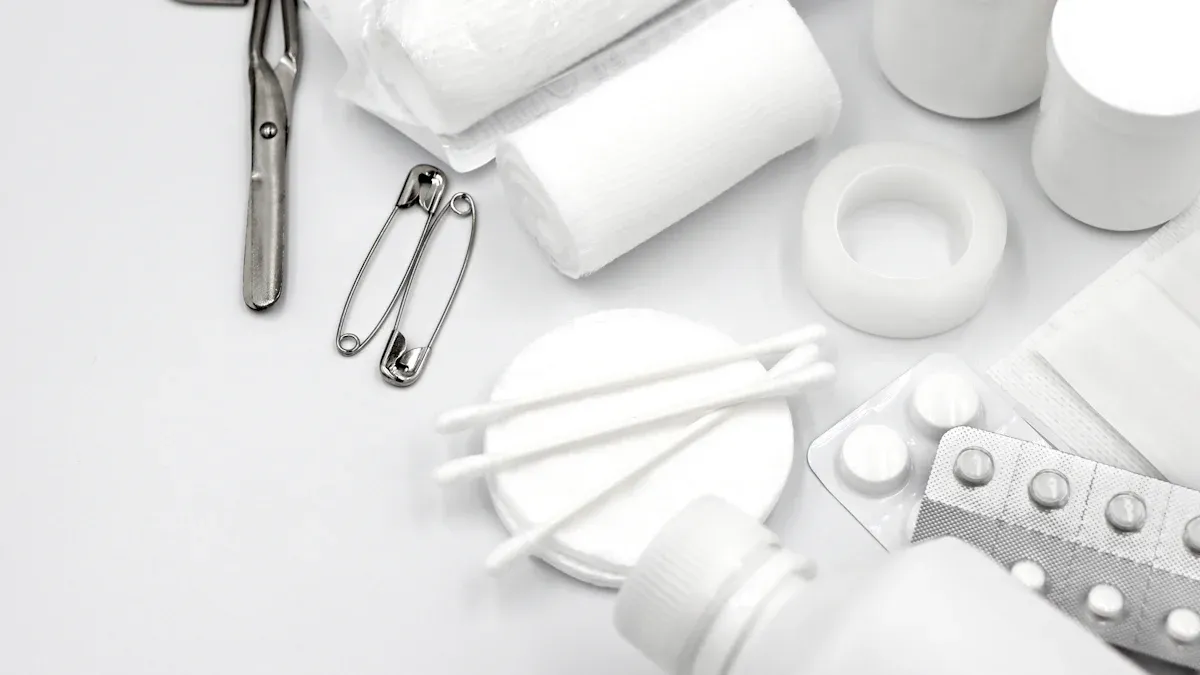
There are many wound care supplies you can use. Each type does something special. This guide helps you know which supplies work for different wounds. Let’s look at the main supplies you’ll see in a first aid kit or clinic.
Gauze Dressings
Gauze is a common wound care supply. You use gauze pads or rolls to clean wounds. Gauze soaks up blood and covers cuts. It comes in many shapes and sizes. Gauze is good for quick care.
Benefits | Limitations |
|---|---|
Cheap for less dressing changes | Can’t keep wounds moist, so healing may slow |
Easy to use and familiar | Higher infection risk than modern dressings |
Many shapes and sizes | Sticks to wounds, hurts when you take it off |
Good for cleaning and as a second layer | Needs lots of changes, which costs more |
You use gauze for cleaning wounds or as a second layer. If you want less pain, don’t let gauze dry on the wound. For wounds that leak, gauze helps soak up fluid. You need to change it often.
Tip: Always keep gauze pads and bandages in your first aid kit. They are important for home or clinic use.
Transparent Film Dressings
Transparent film dressings are thin and clear. They stick to your skin. These dressings are waterproof. You can see the wound without taking off the cover. Use them for small burns, scrapes, or as a top layer.
Here are the main benefits of transparent film dressings:
Benefit | Description |
|---|---|
See the wound easily | You check healing without removing the dressing. |
Helps clean out dead tissue | Keeps wounds moist, helps your body clean itself. |
Blocks germs | Waterproof barrier keeps germs out and helps healing. |
Protects from rubbing | Shields wounds from bumps and friction. |
Good as a second layer | Works well over other wound care supplies. |
You use transparent film dressings for shallow wounds. They cover IV sites or protect healing skin. These dressings are easy and comfortable. They let skin breathe but keep out water and dirt.
Hydrocolloid Dressings
Hydrocolloid dressings are soft pads. They turn into gel when touching wound fluid. These dressings keep wounds moist. Moist wounds heal faster. Use hydrocolloid dressings for pressure ulcers, small burns, or wounds with some drainage.
Hydrocolloid dressings keep wounds moist for better healing.
They work well for pressure ulcers and help wounds heal faster than regular gauze.
These dressings are easy to put on and take off.
Study | Findings |
|---|---|
Meta-analysis (2015) | Hydrocolloid dressings helped wounds heal more than twice as fast as saline gauze. |
Randomized Controlled Trial | Hydrocolloid dressings worked well for pressure ulcers in many places. |
Use hydrocolloid dressings when you need a dressing that stays put and keeps moisture in. They are waterproof, so you can shower without worry.
Foam Dressings by SLK Medical
Foam dressings are soft pads that soak up lots of fluid. They work best for wounds that leak a lot. Use foam dressings for pressure ulcers, diabetic foot ulcers, or burns. SLK Medical has advanced foam dressings in this guide.
Here are some top choices from SLK Medical:
Alexer® Silicone Foam Dressing with Border: This dressing is waterproof and absorbs a lot. It is gentle and helps wounds heal.
Alexer® Silicone Foam Dressing without Border: Use this for wounds needing a soft touch. It is easy to use and keeps wounds moist.
Alexer® Silicone Foam Dressing Composite Type – Pink Color: This dressing fits hard spots like heels. It stays in place and protects from rubbing.
Alexer® Non Adhesive Foam Dressing: You can cut this dressing to fit any wound. It is waterproof and good for fragile skin.
Alexer® Silicone Foam Ag Dressing (with or without border): These dressings have silver ions for extra germ protection.
Alexer® Non-adhesive Ag Foam Dressing: This dressing soaks up a lot and fights germs, good for wounds at risk of infection.
Foam dressings from SLK Medical are waterproof, soak up fluid, and are gentle. You can use these supplies for small cuts or serious wounds.
Note: Foam dressings are important for wounds that leak a lot.
Alginate Dressings
Alginate dressings come from seaweed. They turn into gel when touching wound fluid. Use alginate dressings for wounds that leak a lot. They work for leg ulcers, diabetic foot ulcers, or surgical wounds.
Clinical Outcome | Description |
|---|---|
Faster healing | Alginate dressings help wounds heal quicker. |
Less swelling and redness | They calm swelling and redness. |
Fewer scars | These dressings lower the chance of scars. |
Better patient comfort | People feel happier using alginate dressings. |
Best for wounds that leak | Alginate dressings work best for wounds with lots of fluid. |
Keeps wounds moist | They help new tissue grow by keeping wounds moist. |
Alginate dressings are waterproof and keep out germs. They are good for wounds needing lots of fluid control. These dressings are easy and comfortable.
Non-Adherent Dressings
Non-adherent dressings do not stick to wounds. Use them for burns, scrapes, or wounds needing many changes. These dressings are gentle and good for sensitive skin.
Non-adherent dressings keep wounds moist and let skin breathe.
They soak up fluid but do not stick, so changing them does not hurt.
These dressings lower infection and skin damage risk.
Use them as a first layer under bandages.
If you want less pain and to protect healing skin, non-adherent dressings are important.
Antimicrobial Dressings
Antimicrobial dressings fight germs at the wound. Use these dressings for wounds at risk of infection. They often have silver, iodine, or special antibiotics.
Antibiotic Class | Mechanism of Action | Efficacy Against |
|---|---|---|
Beta-lactams | Stops bacteria from building cell walls | Works on many bacteria |
Glycopeptides | Blocks cell wall building | Good for Gram-positive bacteria |
Aminoglycosides | Stops protein building in bacteria | Good for Gram-negative bacteria |
Tetracyclines | Stops protein building | Works on many types |
Sulfonamides | Blocks DNA building in bacteria | Good for some bacteria |
Quinolones | Stops DNA copying in bacteria | Works on many types |
Mupirocin | Good for MRSA and other Gram-positive germs | Used for special infections |
Metronidazole | Good for germs that don’t need oxygen | Used for mixed infections |
SLK Medical’s antimicrobial foam dressings, like the Alexer® Silicone Foam Ag Dressing, are waterproof and protect against germs. These dressings help wounds heal faster and lower infection risk.
Tip: If you see redness or pus, use antimicrobial dressings and talk to a doctor.
Hydrogel Dressings
Hydrogel dressings are cool, jelly pads. Use them for dry wounds, burns, or wounds with dead tissue. Hydrogel dressings add moisture and help wounds heal. They make removal less painful.
Study Type | Findings | Level of Evidence |
|---|---|---|
Systematic Review | Hydrogel dressings may heal burns faster than other treatments (11.9 days vs. 13.55 days) | Level 1a |
Systematic Review | Hydrogel dressings healed diabetic foot ulcers better than basic dressings (RR 1.80, 95% CI 1.27 to 2.56) | Level 1a |
Randomized Controlled Trial | Hydrogel sheet dressing healed pressure injuries better than povidone-iodine gauze (84% vs. 54.2%) | Level 1c |
Observational Study | Hydrogel dressing reduced dead tissue and helped new skin grow | Level 3e |
Use hydrogel dressings for wounds needing extra moisture. They are gentle and easy to remove, good for sensitive skin.
Now you know the main wound care supplies. You can pick bandages, gauze, foam, or antimicrobial dressings. Using the right supplies helps wounds heal faster and keeps you comfortable.
Choosing the Right Wound Care Solution
Assessing Wound Type
You want to pick the best wound care solution for yourself or your patient. First, you need to look at the wound. Is it a cut, a burn, or an ulcer? Does it leak a lot or stay dry? Some wounds show signs of infection, like redness or pus. Others just need protection and moisture.
Here’s a simple table to help you figure out what matters when you look at a wound:
Factor | Description |
|---|---|
Type of Wound | Different wounds need special dressings for healing. |
Exudate Levels | Wounds that leak need absorbent dressings. Dry wounds do better with gels. |
Infection Control | If you see infection, pick dressings with antimicrobial action. |
Patient Comfort | Choose dressings that feel good and are easy to change. |
Specific Dressing Types | Know about hydrocolloid, alginate, foam, and other options. |
You want to match the dressing to the wound’s needs. If you see infection, you need a dressing that fights germs. If the wound leaks, you want something that soaks up fluid. Comfort matters too. You want a dressing that does not hurt when you change it.
Tip: Always check the wound before you pick a dressing. The right wound care solution starts with a good look.
Matching Dressing to Healing Needs
Now you know what kind of wound you have. Next, you need to think about how to choose the right dressing. You want to help the wound heal fast and keep the patient comfortable. Some dressings work better for burns, while others help with ulcers or surgical cuts.
Here’s a quick list to guide you:
Consider infection control.
Evaluate patient comfort.
If you have a wound that leaks a lot, foam dressings from SLK Medical work well. For dry wounds, hydrogel dressings add moisture. If you see signs of infection, antimicrobial dressings with silver ions give extra protection. You want a comprehensive wound care solution that fits the wound and helps healing.
Let’s look at some common matches:
Wound Type | Best Dressing Type | SLK Medical Option |
|---|---|---|
Pressure Ulcer | Foam, Hydrocolloid | Alexer® Silicone Foam Dressing with Border |
Burn | Hydrogel, Foam | Alexer® Non Adhesive Foam Dressing |
Diabetic Foot Ulcer | Foam, Alginate, Antimicrobial | Alexer® Silicone Foam Ag Dressing |
Surgical Wound | Foam, Non-Adherent | Alexer® Silicone Foam Dressing without Border |
Fragile Skin | Silicone Foam, Non-Adherent | Alexer® Silicone Foam Dressing Composite Type |
You want to use a wound care solution that matches the wound’s needs. This helps you heal faster and feel better.
SLK Medical Product Selection Guide
SLK Medical makes it easy for you to find a comprehensive wound care solution. You get dressings that fit many wound types, shapes, and sizes. You want products that are safe, easy to use, and work well for sensitive skin.
Here’s a table to show what SLK Medical looks for when making dressings:
Criteria | Why It Matters |
|---|---|
Certifications | You get dressings that meet safety and quality rules. |
Bulk Supply | Hospitals and clinics get enough for high demand. |
Customization | Dressings match wound type and patient need. |
Global Delivery | You can get products in many regions. |
Antimicrobial Options | Extra protection for wounds at risk. |
SLK Medical also thinks about how dressings fit and feel. You want a dressing that is easy to put on and stays in place. You want it to move with your body and keep water out.
Criteria | Description |
|---|---|
Range of Sizes | You find dressings for any wound shape or size. |
Ease of Application | You place dressings on any part of the body easily. |
Conformability | Dressings fit curves and hard-to-cover spots. |
Flexibility | You move freely, even at joints. |
Water Resistance | Dressings block water but let skin breathe. |
Mechanical Loading | Dressings work well even with lots of movement. |
You want a comprehensive wound care solution that gives you comfort, safety, and fast healing. SLK Medical offers silicone foam dressings, antimicrobial options, and dressings for sensitive skin. You can choose the right wound care solution for every need.
Note: If you are not sure how to choose the right dressing, ask your healthcare provider or look at SLK Medical’s product guide. You want the best care for yourself or your patients.
How to Use Medical Dressing Supplies Safely
Preparing the Wound Area
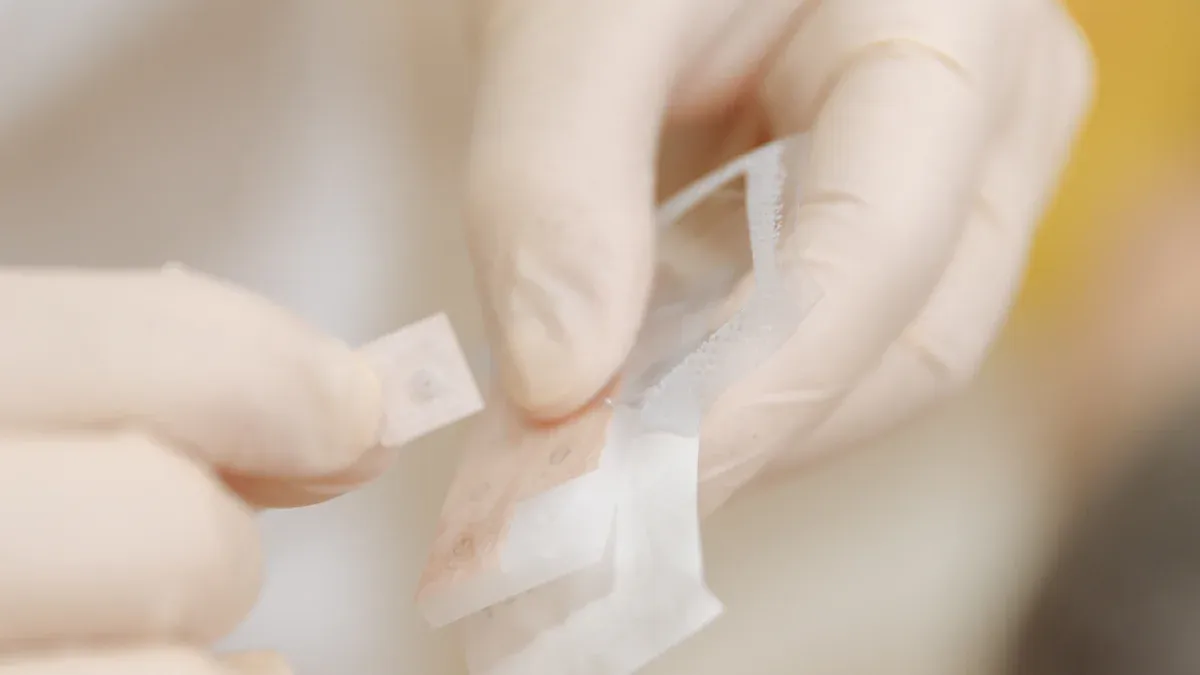
Getting ready is the first step in any step-by-step wound care routine. You want a clean space and the right supplies. Here’s how you can prepare:
Choose a clean, well-lit room for changing a dressing. Clean the area every day.
Use a disinfected dressing trolley. Place sterile items on the top tray and used items on the bottom.
Gather all your supplies before you start. It helps to have an assistant if possible.
Wear protective glasses if the wound might ooze.
Always start with the cleanest wounds first.
Wash your hands or use hand sanitizer before you touch anything.
Open your dressing set carefully. Make sure the package is sealed.
Use sterile forceps to handle dressings. Clean the wound with saline or sterile water.
Tip: Always move from clean to dirty areas to avoid spreading germs.
Application Steps
You want to follow a step-by-step wound care routine to keep things safe and simple. Here’s what you do:
Wash your hands again before touching the wound.
Gently place the new dressing over the wound. Make sure it covers the whole area.
Secure the dressing so it stays in place but does not cut off blood flow.
If you use tape or a bandage, check that it feels comfortable.
Note: Always use sterile supplies when changing a dressing to lower infection risk.
Removal and Aftercare
Taking off a dressing can feel scary, but you can make it easy:
Wash your hands before you start.
Gently lift the edge of the dressing. Go slow to avoid hurting your skin.
If the dressing sticks, add a little sterile water to loosen it.
Check the wound for redness, swelling, or pus.
Clean the area and let it dry before putting on a new dressing.
Early removal of dressings from clean wounds does not harm healing. Many people heal faster and spend less time in the hospital when dressings are changed within 48 hours.
Infection Prevention
You want to keep wounds safe from germs. Here are some simple ways:
Always wash your hands before and after changing a dressing.
Change dressings as often as your doctor says.
Watch for signs of infection like redness or pus.
Use only sterile supplies.
Eat healthy foods to help your body heal.
Teach others how to care for wounds and spot infection.
Callout: If you see any signs of infection, talk to your healthcare provider right away.
Storing and Maintaining Wound Care Supplies
Storage Tips
You want your wound care supplies to stay fresh and ready when you need them. Good storage keeps your dressings safe and helps you avoid problems. Here are some simple tips you can follow:
Keep your supplies in a climate-controlled area. This means you should avoid places that get too hot or too cold. Basements and attics are not the best spots.
Control the temperature and humidity. High heat or moisture can damage dressings and make them less effective.
Organize your supplies by type and size. Use clear labels so you can find what you need quickly.
Store dressings away from direct sunlight. Light can break down some materials and lower their quality.
Make sure your storage area is clean and dry. Dust and dirt can get into packages and cause problems.
Put newer supplies behind older ones. This way, you use older items first and avoid waste.
Tip: If you have a lot of supplies, set up a simple shelf or drawer system. You will save time and keep everything in order.
Checking Expiry and Quality
You want to make sure your wound care supplies are safe to use. Old or damaged dressings can slow healing or cause infection. Here’s how you can check your supplies:
Inspect your first aid kit every 6 to 12 months. Regular checks help you catch problems early.
Look at expiry dates on every package. If something is expired, throw it away.
Check for torn packaging or items that look discolored. Damaged supplies should not be used.
Replace anything that looks old or worn out. Fresh supplies work better and keep you safe.
Callout: Keeping your supplies up to date means you are always ready for emergencies. You help yourself and others heal faster and safer.
When to Seek Professional Wound Care
Signs of Infection
You want your wound to heal quickly and without trouble. Sometimes, wounds do not get better on their own. You need to watch for signs of infection. These signs tell you that your body needs extra help. If you notice any of these, it is time to pay close attention.
Here is a table to help you spot the most common signs of infection:
Sign | Description |
|---|---|
Increased Pain | Pain gets worse or feels sharper around the wound. |
Unusual Discharge | You see pus or the drainage changes color or gets thicker. |
Redness and Warmth | The skin around the wound turns red or feels hot to the touch. |
Swelling | The area puffs up and does not go down with care. |
Your body temperature goes above 100.4°F (38°C) and you feel cold or shaky. |
You might also notice a bad smell, more drainage, or the wound looking worse. These are all signs of infection. If you see dark or black skin around the wound, this could mean tissue death. Do not wait if you spot these changes.
Tip: If you have diabetes or poor circulation, you should check for signs of infection every day.
When to Consult a Healthcare Provider
You can handle many small wounds at home, but some situations need a doctor’s help. You should reach out to a healthcare provider if you notice any of these:
You see increased redness, swelling, or warmth.
Pain, drainage, or a foul odor will not go away.
The skin around the wound turns dark or black.
You see pus or other signs of infection.
The wound gets worse, even with good care.
You feel tingling, numbness, or lose feeling near the wound.
You have diabetes, poor circulation, or take medicine that slows healing.
The wound is deep, longer than a quarter inch, or keeps bleeding.
If you see any signs of infection or if the wound does not get better, do not wait. Getting help early can stop bigger problems and help you heal faster.
Note: Trust your instincts. If something feels wrong or you are unsure, it is always better to ask a healthcare provider.
You now know how important it is to pick the right dressing for every wound. Here are some key points to remember:
Choose dressings that help wounds heal and keep you comfortable.
Use gentle products, like hydrocolloid dressings, for sensitive skin.
Always clean wounds to prevent infection.
Pick bandages that fit your needs and let you move easily.
SLK Medical leads with new ideas in wound care.
Innovation Type | Description |
|---|---|
Silicone Foam Dressing | Great for tough wounds, like ulcers and surgical cuts. |
Advanced Healing Features | Helps wounds heal faster and lowers infection risk. |
Trusted by Healthcare Providers | Used by hospitals and clinics around the world. |
If you ever feel unsure, talk to a wound care specialist. They know how to help with hard-to-heal wounds.
Want to learn more? Visit SLK Medical’s website to see the latest in advanced wound care.
FAQ
What dressing should you use for a wound that leaks a lot?
You want a dressing that absorbs fluid. Foam dressings from SLK Medical work well. Alginate dressings also help with heavy drainage. Both keep the wound moist and lower infection risk.
How often should you change your wound dressing?
You should check your wound every day. Most dressings need changing every 3 to 7 days. If the dressing gets wet, dirty, or starts to smell, change it right away.
Can you shower with a wound dressing on?
Yes, you can shower with waterproof dressings like SLK Medical’s silicone foam dressings. These dressings keep water out and protect your wound. Always check the label before you shower.
What signs show your wound needs a doctor’s help?
Look for redness, swelling, pus, or pain that gets worse. If your wound does not heal after two weeks or you see black skin, call your healthcare provider.
Are SLK Medical dressings safe for sensitive skin?
Yes, SLK Medical dressings use gentle silicone layers. You get comfort and less pain when you change dressings. These products work well for fragile or sensitive skin.


