


Over time, medical dressing supplies have changed dramatically. Ancient healers often used cloth or plant fibers to cover wounds, but these materials did not always protect or help healing. Today, advanced dressings support patient care by keeping wounds clean and moist. For example, a patient with a burn once relied on simple gauze, which often stuck to the wound and caused pain. Now, modern dressings use new materials that help wounds heal faster and reduce discomfort. The global market for medical dressing supplies has seen major shifts:
Time Period | |
|---|---|
1970s | Introduction of film and hydrocolloid dressings, marking the start of the moist wound care revolution. |
20th Century | Significant advancements in wound care technology and practices, focusing on moist wound healing and occlusion. |
Recent Years | Enhanced understanding of wound healing processes and the effectiveness of various dressing materials due to extensive research. |
Medical dressing supplies now play a key role in patient care and recovery. The evolution of these products raises an important question: how have medical dressing supplies changed, and why does this matter for patient care today?
Key Takeaways
Medical dressing supplies have evolved from ancient materials like cloth and honey to advanced options that promote faster healing and reduce pain.
Modern dressings, such as hydrocolloids and smart wound dressings, maintain a moist environment, which is crucial for effective wound healing.
Antiseptics and sterilization techniques have significantly improved infection control in wound care, leading to better patient outcomes.
Innovations in wound care, including bioengineered skin substitutes and telemedicine, enhance treatment effectiveness and patient comfort.
The rise in chronic wounds has increased the demand for personalized and advanced wound care solutions, emphasizing the importance of modern medical supplies.
Early Wound Care and Dressings

Ancient Medical Dressing Supplies
Ancient civilizations developed some of the first dressings for wound care. The Edwin Smith Papyrus, written around 1600 BCE, describes how healers used bandaging, suturing, and honey to treat wounds. The Ebers Papyrus, from about 1500 BCE, explains how lint, animal grease, and honey helped wounds heal. Ancient Egyptians believed that closing a wound protected the spirit from harm. Their mummification practices influenced their bandaging techniques. They used lint for absorbency, animal grease as a barrier, and honey for its antibacterial properties. These early dressings aimed to keep wounds clean and promote healing.
Ancient Egyptians used honey, lint, and animal grease for wound care.
They believed wound closure protected against evil spirits.
Mummification taught them advanced bandaging skills.
Honey’s antibacterial effects made it a popular choice for dressings.
Herbal remedies from local plants became common in many cultures.
Other civilizations also created unique dressings. Many used herbs and natural materials for wound care. Honey remained a trusted treatment for thousands of years. These early dressings laid the foundation for modern wound care.
Traditional Wound Care Methods
Different cultures developed their own methods for wound care and dressings. The table below shows how Ancient Egypt, Greece, and China approached wound care:
Culture | Wound Care Methods |
|---|---|
Ancient Egypt | Used honey for antibacterial effects, applied bandages, recognized infection signs, and documented wound types. |
Ancient Greece | Hippocrates used vinegar for irrigation, wine for washing ulcers, and fig leaves for dressings. Galen studied pus. |
Traditional China | Used a holistic approach with Yin and Yang, acupuncture, herbal medicines, and other healing techniques. |
Traditional dressings often relied on natural materials. Ancient Greeks used wine and vinegar to clean wounds. They applied fig leaves as dressings. Chinese medicine focused on balance and used herbs for wound care. These methods showed early understanding of infection and healing.
Early wound care had many risks. Dressings sometimes failed to protect wounds from infection. Studies show that early removal of dressings could reduce hospital stays, but evidence was limited. Decisions about dressings often depended on cost and patient preference. Some dressings, like those with silver, had uncertain benefits. Early wound care and dressings provided basic protection, but they could not always prevent infection or speed healing. These challenges led to the search for better dressings and improved wound care.
Innovations in Medical Dressing Supplies
Antiseptics and Sterilization
The introduction of antiseptics and sterilization marked a turning point in clinical wound care. Joseph Lister, a British surgeon, pioneered the use of carbolic acid to sterilize surgical instruments and dressings in the 1860s. His work led to a dramatic decrease in post-operative infection rates and mortality. Louis Pasteur and Robert Koch developed the germ theory of disease, which emphasized the importance of sterilization in clinical settings. Their discoveries changed how medical professionals handled dressings and wounds.
The shift to antiseptic techniques reduced infection risks and improved patient outcomes in clinical environments.
Most surgical site infections can be prevented with proper strategies. For example, using clippers instead of razors for hair removal lowers infection rates. Decolonization with intranasal antistaphylococcal agents and skin preparation with chlorhexidine gluconate also help reduce infections. Maintaining normothermia during surgery and controlling blood glucose levels further decrease risks. Negative pressure wound therapy provides additional protection for complex wounds.
Key innovations in antiseptics and sterilization included:
Carbolic acid for sterilizing dressings and instruments.
Emphasis on sterilization after the development of germ theory.
Lower infection rates in clinical wound care settings.
Use of chlorhexidine and alcohol-based skin preparation.
Adoption of negative pressure wound therapy for advanced wound management.
These changes transformed clinical wound care, making surgeries safer and improving healing for patients.
Modern Materials and Techniques
Modern wound care relies on advanced materials and techniques to support healing and comfort. Clinical professionals now use dressings made from hydrogels, hydrocolloids, alginates, foams, and films. These materials maintain a moist environment, relieve pain, and stimulate tissue regeneration. Modern wound dressings are designed for biocompatibility and biodegradability, which helps protect the skin and promote healing.
Clinical trials show hydrocolloid dressings can heal pressure ulcers more effectively than gauze. However, some studies suggest low adherent dressings under compression may offer similar benefits. Modern wound care focuses on combining antibacterial properties, high biological compatibility, and environmental friendliness. Natural polymer materials make dressings easier to handle and more effective in clinical wound healing.
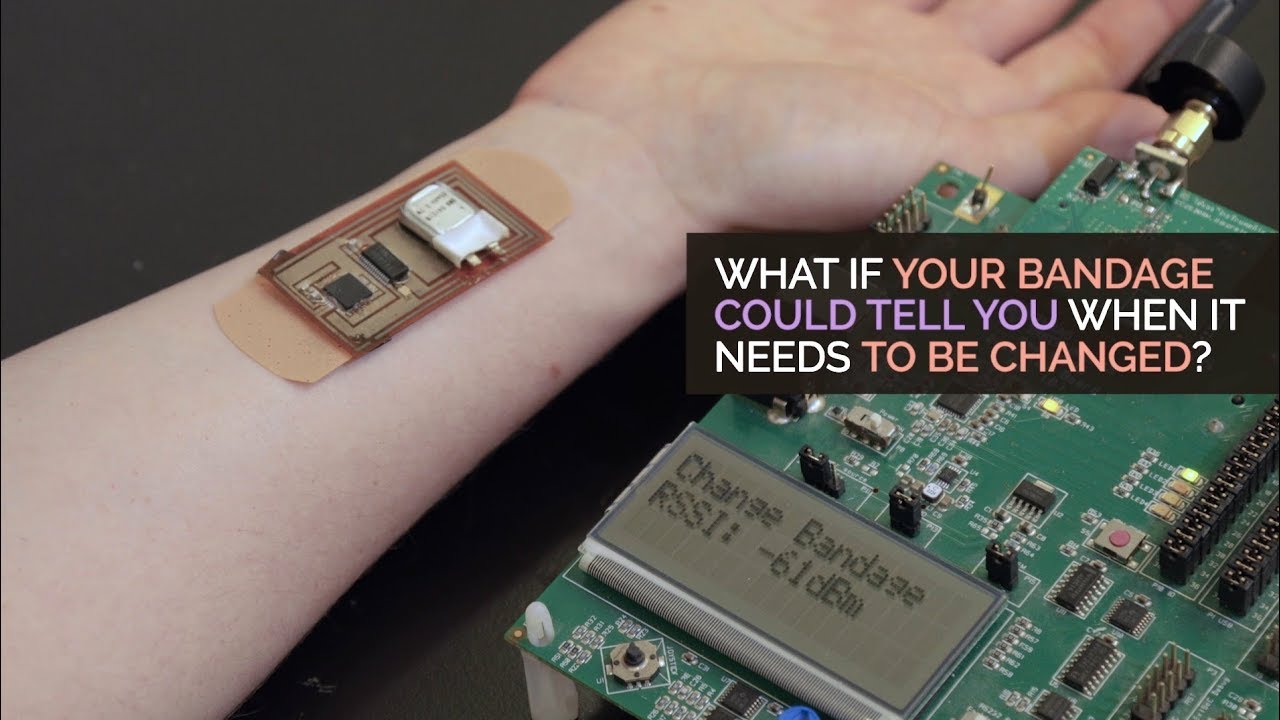
Smart wound dressings represent a major advancement in clinical wound care. These dressings monitor wounds in real-time, detect infection, and release medications as needed. Negative pressure wound therapy uses controlled suction to remove fluids and promote blood flow. Bioengineered skin substitutes mimic natural skin, providing a protective barrier and encouraging tissue regeneration. Telemedicine allows clinical experts to evaluate wounds remotely and create personalized treatment plans. Artificial intelligence analyzes wound images and predicts complications, helping clinical teams deliver targeted care.
Technique | Improvement in Patient Outcomes |
|---|---|
Smart wound dressings | Monitor wounds, detect infection, release medications, ensure timely interventions, and speed healing. |
NPWT (Wound VAC Therapy) | Removes excess fluids, promotes blood flow, reduces infection risk for large or complex wounds. |
Bioengineered Skin Substitutes | Mimic skin properties, protect wounds, promote tissue regeneration, speed recovery, minimize scarring. |
Telemedicine | Provides virtual consultations, expert evaluations, personalized treatment plans, improves access for remote patients. |
AI in Wound Care | Analyzes wound images, predicts complications, enables personalized treatments, shortens recovery times. |
Clinical professionals now have access to modern medical supplies that offer better outcomes for patients. Modern wound care continues to evolve, with smart wound dressings and new techniques improving healing and comfort. These innovations have changed the way clinical teams manage wounds, making dressings more effective and patient-centered.
Advanced Wound Care Solutions
SLK Medical Innovations
SLK Medical leads the way in advanced wound dressings. The company designs products that support moist wound healing and improve patient comfort. Their Hydrocolloid Dressing creates a moist environment, which helps wounds heal faster and reduces pain. The Non Adhesive Foam Dressing uses a waterproof film and foam layer to absorb exudate and protect wounds from friction. This design keeps the wound moist and reduces the need for frequent dressing changes.
SLK Medical’s Super Absorbent Dressing Non Adherent provides high absorbency for chronic wound management. It cushions the wound, minimizes pain, and prevents trauma during removal. The dressing is non-toxic, sterile, and available in many sizes. The Transparent Dressing uses a breathable, waterproof film that protects wounds and allows easy inspection. Hypoallergenic adhesives reduce skin irritation and make the dressing suitable for sensitive skin.
The D-Pore™ Dual-Dimensional Pore Foaming Technology enhances fluid absorption and breathability. This technology supports moist interactive dressing and helps maintain an ideal environment for healing. SLK Medical’s focus on innovation ensures that each dressing meets the needs of modern wound care.
Modern Dressings for Patient Care
Modern dressings offer many benefits over traditional options. The Non Adhesive Foam Dressing excels in moisture retention and pain relief. The table below compares foam dressings to traditional gauze:
Feature | Non-Adhesive Foam Dressings | Traditional Dressings (Gauze) |
|---|---|---|
Moisture Retention | Excellent | Poor |
Pain Relief | High | Low (can cause pain during removal) |
Absorbency | High | Moderate (may dry out) |
Frequency of Dressing Changes | Less frequent | More frequent |
Protection from Friction | Yes | No |
Super Absorbent Dressing Non Adherent helps patients with chronic wounds by:
Reducing dressing changes, which protects the wound bed.
Providing cushioning for pain relief.
Using non-stick materials for gentle removal.
Ensuring safety with non-toxic, sterile design.
Offering various sizes for different body areas.
Transparent Dressing technology improves infection control and patient comfort. The table below shows its benefits:
Feature | Benefit |
|---|---|
Waterproof Barrier | Protects the IV site from external contaminants while allowing for easy visual inspection. |
Breathable Construction | Promotes skin health and prevents skin maceration by allowing moisture vapor to escape. |
Hypoallergenic Adhesives | Reduces the risk of skin irritation and allergic reactions for sensitive skin patients. |
Gentle Removal Process | Minimizes skin trauma, preventing discomfort and complications during dressing changes. |
Hypoallergenic materials in modern dressings lower the risk of allergic reactions and improve patient outcomes. The table below highlights allergenic potential:
Dressing Type | Allergenic Potential | Risk of Sensitisation |
|---|---|---|
Hydrofibre | Low | Low |
Alginate | Low | Low |
Hydrocolloid | High | High |
Hydrogel | High | High |
Adhesive Hydrocellular | High | High |
Advanced wound dressings from SLK Medical support moist wound healing, pain relief, and patient comfort. Modern dressings use innovative materials and technology to improve healing and reduce complications. These solutions help patients recover faster and experience less pain.
Impact on Patient Care and Wound Healing
Better Outcomes with Advanced Dressings
Advanced dressings have transformed wound care by improving healing rates, infection control, and patient comfort. Clinical studies show that these dressings outperform conventional options in both effectiveness and safety. The table below highlights key measures from recent research:
Measure | Advanced Dressings | Conventional Dressings |
|---|---|---|
1.52 | N/A | |
Overall Healing Rate | 33% | N/A |
Odds in Controlled Studies | 0.97 | 0.77 |
Odds in Uncontrolled Studies | 0.47 | N/A |
These results demonstrate that advanced dressings support faster wound healing and higher rates of complete recovery. Modern wound care products, such as those from SLK Medical, use innovative materials to maintain a moist environment, which is essential for optimal healing. This approach reduces the risk of chronic wound complications and supports better outcomes for patients.
Infection control remains a top priority in wound care today. Antimicrobial dressings play a crucial role in preventing infections, especially in chronic wounds. Healthcare providers increasingly rely on these products to minimize hospital re-admissions. This trend is most evident in developed countries, where insurance often covers advanced wound care treatments.
Complications such as infection have the potential to delay healing, adversely affect the patient’s quality of life, and even increase the risk of mortality as a result of sepsis.
Modern dressings also improve patient comfort and pain management. Patients report low pain levels when using advanced wound care products. For example:
Pain scores averaged 2.6 for epicitehydro and 2.8 for SUPRATHEL on day one.
Pain decreased as healing progressed.
Scores for pain, itching, stiffness, thickness, and irregularity remained low after three and six months.
Both dressings provided similar comfort, showing the effectiveness of modern wound care solutions.
SLK Medical’s commitment to quality and innovation ensures that their dressings deliver consistent results. Their silicone foam dressings prevent wound adhesion and promote healing, especially for chronic wounds and sensitive skin. FDA and ISO 13485 certifications guarantee safety and reliability, giving healthcare providers confidence in their wound care supplies. Advanced silicone foam dressings from SLK Medical reduce pain and the need for frequent dressing changes, leading to quicker healing and higher patient satisfaction.
Evolving Standards in Wound Care
Wound care standards continue to evolve as new challenges and technologies emerge. The global rise in chronic wounds, such as diabetic foot ulcers, drives the demand for advanced dressings and specialized care. The diabetic population is expected to reach 700 million by 2026, with 15-25% developing foot ulcers. The aging population will also lead to a 25% increase in chronic wound cases, making effective wound care more important than ever.
The increase in chronic wounds has led to a greater need for personalized wound care solutions.
Healthcare providers now use digital platforms for real-time monitoring and AI-powered predictions.
Smart dressings offer feedback and medication delivery, improving treatment effectiveness.
Consumer preferences have shifted toward advanced, easy-to-use, and minimally invasive wound care options. There is a growing demand for transparent, breathable, and antimicrobial dressings that support healing and infection control. Many patients now prefer home-based wound management for convenience and cost-effectiveness.
Clinical practice guidelines reflect these changes by recommending advanced dressings and technologies for chronic wound care. Guidelines emphasize the importance of infection control, safety, and effectiveness in both hospital and home settings. Healthcare professionals follow these guidelines to ensure the best possible outcomes for patients.
SLK Medical plays a key role in shaping industry standards through its dedication to quality and innovation. The company develops high-quality foam wound dressings that prevent adhesion and support healing for chronic wounds. Their certifications ensure safety and consistent quality, while their advanced products set new benchmarks for effectiveness in wound care. SLK Medical’s focus on innovation aligns with evolving clinical practice guidelines and the needs of modern wound care today.
The evolution of medical dressing supplies shows several milestones:
The 1800s introduced basic cloth dressings.
The 1940s saw antibiotics change wound care.
The 1980s brought moist wound healing strategies.
Innovations such as hydrocolloid and silicone dressings, bioengineered skin substitutes, and smart wound dressings have improved patient comfort and healing rates. Organizations like the World Health Organization recognize the importance of advanced solutions. SLK Medical continues to drive progress in modern wound care, focusing on technology and education for better outcomes.
FAQ
What are the main types of medical supplies used in wound care today?
Hospitals and clinics use many medical supplies for wound care. These include dressings, bandages, antiseptics, and ppe. Each type of medical supplies helps protect wounds and supports healing. Proper use of ppe keeps both patients and healthcare workers safe during wound care.
Why is ppe important when handling medical supplies?
Ppe protects healthcare workers from infections and keeps medical supplies clean. Gloves, masks, and gowns are common ppe items. Using ppe prevents germs from spreading. Hospitals require ppe for all staff who handle medical supplies or care for wounds.
How do medical supplies like ppe improve patient safety?
Ppe acts as a barrier between germs and wounds. When staff use ppe, they lower the risk of infection. Clean medical supplies and proper ppe use help patients heal faster. Hospitals train workers to use ppe with all medical supplies for better safety.
How often should ppe and medical supplies be changed during wound care?
Staff must change ppe and medical supplies after each patient. This practice stops germs from spreading. Used ppe and medical supplies should be thrown away safely. Hospitals follow strict rules for changing ppe and medical supplies during wound care.
Can patients use ppe and medical supplies at home for wound care?
Patients can use ppe and medical supplies at home if they follow instructions. Gloves, masks, and clean dressings help prevent infection. Patients should wash hands before using ppe or medical supplies. Doctors teach patients how to use ppe and medical supplies for safe wound care.


