


Slow-healing wounds can make you feel worried. It is scary when you see leaking all the time. You want something that really helps. Foam dressing soaks up extra fluid. It keeps the wound moist. It also protects the wound from infection. You do not need to change the dressing as often. This helps you take care of the wound better. It also helps the wound heal faster.
Key Takeaways
Foam dressings are great for wounds that leak fluid. They absorb extra moisture and keep the wound clean.
Using foam dressings can speed up healing. They keep the wound moist, which helps new skin grow.
Foam dressings protect wounds from germs. They act as a barrier, reducing the risk of infection.
Foam Dressings for Leaking Wounds

When to Use a Foam Dressing
If you notice your wound keeps leaking or just won’t heal, you might wonder what to do next. Foam dressings can make a big difference for you. You should use a foam dressing when your wound has moderate to heavy fluid coming out. These dressings work well for many types of wounds. Here are some common situations where foam dressings help:
Partial and full-thickness wounds
Skin tears
Donor sites (where skin was taken for grafting)
Surgical wounds
Pressure ulcers (bed sores)
Venous ulcers
Arterial ulcers
Diabetic foot ulcers
Burns (especially partial-thickness burns)
Abrasions and lacerations
You can also use foam dressings as a secondary layer over other dressings. They fit well on wounds with odd shapes because they are soft and flexible. If you have a wound that leaks a lot, foam dressings soak up the extra fluid and keep the area clean.
SLK Medical’s silicone foam dressings are a great choice for these wounds. They are gentle on your skin and easy to remove. If you have sensitive skin or a wound that hurts when you change dressings, these silicone foam dressings can help you feel more comfortable.
Tip: If you are not sure if a foam dressing is right for your wound, ask your healthcare provider. They can help you choose the best option for your wound care.
How Foam Dressings Help Healing
Foam dressings do more than just cover your wound. They help your wound heal faster and better. Here’s how they work:
They absorb extra fluid from the wound. This keeps the wound from getting too wet, which can slow down healing.
They keep the wound moist, but not soggy. A moist environment helps new skin cells grow and speeds up wound healing.
They protect the wound from germs and dirt. The top layer acts as a barrier, so you have less risk of infection.
They cushion the wound. This reduces pain and protects the area from bumps or pressure.
They are easy to remove. The silicone layer on SLK Medical’s foam dressings does not stick to the wound, so you feel less pain when you change it.
Let’s look at some real results. Studies show that using foam dressings, especially silicone ones, can lower the chance of getting pressure injuries. For example:
Study | Findings | Wound Type |
|---|---|---|
Santamaria et al. (2015) | Fewer pressure injuries (≤10%) with multi-layered soft silicone foam dressings | Pressure injuries in critically ill patients |
Chaiken et al. (2012) | Drop in sacral pressure injuries from 13.6% to 1.8% | Sacral pressure injuries in ICU patients |
Walsh et al. (2012) | Hospital-acquired pressure injuries fell from 12.5% to 7% | ICU patients |
You can see that foam dressings really help with wound healing and protection. If you have a wound that leaks or takes a long time to heal, foam dressings can give you the support you need. SLK Medical’s products use advanced technology to absorb fluid, protect your skin, and make wound care easier for you.
What Is a Foam Dressing?
Structure and Materials
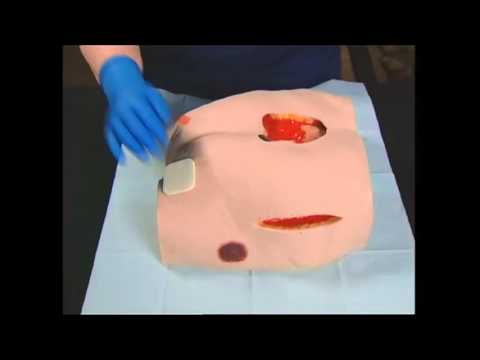
When you look at a foam dressing, you see more than just a simple bandage. These dressings use advanced materials to help your wound heal faster and stay protected. Most foam dressings are made from soft polyurethane. Some also use silicone for extra comfort. Here’s what you’ll find in a modern foam dressing:
A soft, absorbent foam layer that pulls in wound exudate and keeps it away from your skin.
A non-adherent membrane that lets fluid pass through but does not stick to your wound.
An adhesive layer that holds the dressing in place without hurting your skin.
A waterproof, bacteria-proof backing that keeps germs out and helps prevent fluid loss.
Some dressings, like those from SLK Medical, use special technology such as D-Pore™. This makes the foam even better at absorbing fluid and letting your skin breathe.
You can find foam dressings in many shapes and sizes. Some are flat sheets, while others fill deeper wounds. You might also see dressings with silver or other antibacterial agents for extra protection.
How It Works in Wound Care
Foam dressings do a lot to help your wound heal. They keep the area moist, which is important for new skin to grow. The foam absorbs extra fluid, so your wound does not get soggy or break down. Here’s how foam dressings work:
Mechanism | Description |
|---|---|
Absorbency | The foam soaks up fluid into its open cells, keeping the wound clean. |
Moisture Vapor Transmission | The top film lets water vapor escape, so the dressing does not get too wet. |
Non-adherent to Wound Bed | The dressing does not stick, so you can remove it without pain. |
Insulation and Conformity | The foam cushions your wound and fits well on your body, helping healing. |
By using a foam dressing, you give your wound the best chance to heal in a moist wound environment. This means less pain, less risk of infection, and faster healing for you.
Benefits of Foam Dressings
Absorption and Moisture Control
You need a dressing that keeps your wound just right. Foam dressings do this job well. They soak up extra fluid. This helps keep the wound moist. Moist wounds heal better. SLK Medical’s silicone foam dressings work as well as other top brands. Here is a comparison:
Brand / Parameter | Absorbency | Pros |
|---|---|---|
SLK Medical Silicone Foam Dressings | High | Versatile, durable, suitable for many wounds |
Mepilex Border Flex | High | Excellent for sensitive skin, high-risk areas |
Biatain Silicone | Superior | Reliable for chronic wounds, cost-effective |
Allevyn Life | Good | Widely available, easy to use |
Alexer | High | Antimicrobial, supports healing |
Smith & Nephew | High | Specialized for complex wounds |
Coloplast | High | Durable, trusted brand |
3M, Medline, Cardinal Health | Good | Budget-friendly, easy to source |
Foam dressings from SLK Medical soak up lots of fluid. They help with leaking wounds. You do not need to change the dressing often. This makes wound care easier.
Protection and Comfort
Foam dressings do more than cover your wound. They give you comfort and protection every day. Patients say these dressings help a lot:
They keep the wound moist so new skin can grow.
They soak up exudate and make changing dressings less painful.
Many people feel safe and comfortable with silicone foam dressings.
Bordered silicone adhesive foam dressings protect your skin and manage exudate.
You will need fewer dressing changes and feel less pain when removing them.
SLK Medical’s foam dressings have a gentle silicone layer. This means less pain and more comfort, even for sensitive skin.
Reducing Infection Risk
Protecting your wound from infection is very important. Foam dressings block germs and keep the wound clean. Some dressings use silver or honey to fight germs. Studies show foam dressings with these ingredients can lower infection risk and help wounds heal faster.
The study shows that silver dressings work differently. Nanocrystalline silver dressings fight germs well. Ionic silver foam dressings do not work as well. Testing is needed to prove how well they work. Silver sulphate dressings do not fight germs much because of their surface. Ionic silver foam dressings do not have enough silver to work well.
SLK Medical has foam dressings with anti-microbial benefits. This gives you more choices for wound care and protection.
Best Wounds for Foam Dressings
Suitable Wound Types
You might wonder which wounds get the most benefit from foam dressings. These dressings work best when your wound leaks fluid or needs extra protection. Here are some common wounds where foam dressings can help you:
Pressure ulcers (bed sores)
Surgical wounds
Skin tears
Donor sites
Venous leg ulcers
Arterial ulcers
Burns (first and second degree)
Abrasions and lacerations
If you have a diabetic foot ulcer, you may see foam dressings used. Studies show that foam dressings do not always heal diabetic foot ulcers faster than other dressings. Healing rates are similar when you compare foam dressings to alginate or hydrocolloid dressings. Most research focuses on simple foot ulcers, so if your wound is more complex, you should talk to your doctor about the best treatment.
SLK Medical’s foam dressings are soft, flexible, and absorbent. They fit wounds with odd shapes and help keep the area moist for better healing. You can use them on many types of wounds, especially if you need comfort and protection.
When to Avoid Foam Dressings
Not every wound is right for a foam dressing. You should avoid foam dressings if your wound is dry or does not leak fluid. They do not work well on third-degree burns or wounds with dry, hard scabs (eschar). If your wound leaks too much fluid, the dressing can get soaked too fast. This can lead to infection or skin problems.
Tip: Always check with your healthcare provider if you are unsure about using foam dressings for your wound. The right choice helps you heal faster and stay comfortable.
Using Foam Dressings in Wound Care
How Long to Leave On
You might wonder how long you can keep foam dressings on your wound. Most foam dressings, including those from SLK Medical, can stay in place for up to 7 days. This means you do not have to change them every day. Many brands, such as ALLEVYN LIFE, also recommend a maximum wear time of 5 to 7 days. This longer wear time helps your wound heal without too much disturbance. You get more comfort and less pain from fewer dressing changes.
When to Change the Dressing
Knowing when to change your dressing is important for good wound care. Here are some signs that tell you it is time for a new dressing:
The dressing looks soaked or full of fluid.
You feel more pain or discomfort around the wound.
You notice redness, swelling, or a bad smell.
The dressing has moved or come loose.
Other signs include the wound getting bigger, more fluid coming out, or the skin around the wound turning red or hot. If you do not see any improvement after a few changes, talk to your healthcare provider. Changing dressings at the right time helps prevent infection and supports healing.
Application Tips
Applying and removing foam dressings the right way makes a big difference in your treatment. Here are some tips to help you:
Tip | Why It Matters |
|---|---|
These do not stick to your wound, so removal is gentle. | |
Keep the wound moist | This helps with healing and stops the skin from getting too soft. |
Pick the right size and shape | The dressing should cover the wound and a bit of healthy skin. |
Avoid using cloth or regular tape | Medical-grade dressings work best for wound care. |
Many people think letting a wound dry out is good, but that can slow healing and cause more scarring. Always follow your healthcare provider’s advice for changing dressings. Using foam dressings the right way helps you heal faster and keeps your skin safe.
Types of Foam Dressings by SLK Medical
SLK Medical offers several types of foam dressings to help you manage different wounds. Each type has special features that make it a good choice for certain situations. Let’s look at what makes each one unique so you can pick the best option for your wound care.
Silicone Foam Dressing with Border
You might want a foam dressing that stays in place and keeps your wound safe. The silicone foam dressing with border from SLK Medical does just that. Here’s why many people choose it:
The adhesive border sticks gently to your skin and stops the dressing from moving or leaking.
You can wear it longer, and it comes off without pain.
You do not need extra tape or bandages.
It works well for high-risk patients or wounds that need secure coverage.
The border helps manage moisture and makes dressing changes easier.
If you want comfort and less hassle, this foam dressing is a great pick.
Composite and Non-Adhesive Options
SLK Medical also has composite and non-adhesive foam dressings. These work well for wounds that need extra cushioning or for people with sensitive skin. Here’s a quick look at the pros and cons:
Dressing Type | Advantages | Disadvantages |
|---|---|---|
Foam Dressings | Excellent cushioning and absorbency for moderate to heavy exudate wounds. Ideal for venous leg ulcers, surgical, and traumatic wounds. | Opaque, so you cannot see the wound easily. Can dry out if not changed often. |
Composite Dressings | Combines different materials for better care. Good for wounds with mixed drainage. | May cost more. You need to pick the right one for your wound. |
Non-adhesive dressings are easy to cut and fit odd-shaped wounds. You can use them with a secondary bandage if needed.
Silver Foam Dressings
If you worry about infection, silver foam dressings from SLK Medical can help. These dressings have ionic silver, which fights germs and keeps your wound clean. Here’s what you get:
Feature | Description |
|---|---|
Antimicrobial Activity | Silver foam dressings act fast and keep working against germs. |
Wound Bioburden Control | They lower the number of germs and are gentle on your skin. |
Healing Outcomes | Using these dressings can help wounds heal better and may reduce extra treatments. |
You might choose silver foam dressings if your wound is at risk for infection or if you want extra protection.
Foam dressings made up 23.4% of the advanced wound care market in 2022. Many people trust them for good reason!
No matter which foam dressing you pick, SLK Medical has an option that fits your needs. Think about your wound type, how much fluid it has, and if you need extra protection. This will help you choose the best dressing for your healing journey.
Pros and Cons of Foam Dressings
Advantages in Wound Care
When you use foam dressings, you get more than just a cover for your wound. These dressings help your skin heal and keep you comfortable. Many people choose foam dressings because they work well for wounds that leak or need extra protection. Here’s a quick look at what makes them stand out:
Advantage | Description |
|---|---|
Efficacy in reducing pressure injuries | Silicone foam dressings lower the chance of pressure injuries, especially on the sacrum and heel. |
Pressure redistribution | The design spreads out pressure, lowering tissue stress by up to 30-40%. |
Microclimate maintenance | These dressings keep the wound at the right humidity and temperature, helping healing and stopping skin from getting too wet. |
You can use foam dressings for many wound types. They are soft, flexible, and easy to remove. Some dressings even have anti-microbial features for extra protection.
Risks and Considerations
Foam dressings are safe for most people, but you should know about a few risks. Sometimes, your skin might react to the materials in the dressings. Allergic reactions, like contact dermatitis, can happen if you are sensitive to certain chemicals. You might also see maceration, which means the skin around your wound gets too wet and soft. This can slow healing or cause irritation. Always check your skin when you change dressings. If you notice redness, itching, or swelling, you may need to try a different dressing.
When to Seek Medical Advice
You should talk to your healthcare provider if your wound does not get better or if you see signs of infection. These signs include more pain, redness, swelling, or a bad smell. If you have a complex wound or if you are not sure which dressing to use, ask for help. Your provider can help you choose the best foam dressing and make sure your wound heals the right way.
You want your wound to heal faster and stay comfortable. Foam dressings from SLK Medical help you manage leaking wounds, block germs, and make wound care easier. Experts recommend picking dressings that fit your needs. Talk to your healthcare provider for advice and better wound healing.
Key Benefit | Description |
|---|---|
Fluid Management | Foam dressings soak up extra fluid. |
Healing Rates | They help wounds heal faster. |
Infection Control | Dressings block germs and protect your wound. |
Patient Comfort | Foam dressings feel soft and flexible. |
FAQ
How often should you change a foam dressing?
You should change your foam dressing every 3 to 7 days or sooner if it looks soaked, dirty, or starts to peel off.
Can you shower with a foam dressing on?
Yes! Most foam dressings from SLK Medical are waterproof. You can shower without worrying about your wound getting wet.
What if your skin feels itchy under the dressing?
If your skin feels itchy or red, remove the dressing and check your skin. You may need a different type. Ask your healthcare provider for advice.


