


You should pick a foam dressing based on how much fluid comes from the wound. The right foam dressing helps the wound heal faster. It also keeps you more comfortable while you get treated. Studies show that using the right dressing for the exudate level can cut dressing changes almost in half. It can also lower pain and make wounds smaller.
Metric | Baseline | Week 4 | Change (%) |
|---|---|---|---|
Mean number of dressing changes | 3.14 ± 1.77 | 1.66 ± 0.87 | |
Wounds with reduced pain | N/A | 76 | N/A |
Wounds with reduced exudate | N/A | 82 | N/A |
SLK Medical is a leader in wound care. They offer foam dressings that help control exudate. Their products help patients heal better.
Key Takeaways
Pick the right foam dressing by looking at how much fluid comes from the wound. This helps wounds heal quicker and lowers pain.
Using the right dressing can make you change it less often. This saves time and makes treatment easier.
Check the wound exudate level often. This helps you pick a dressing that keeps the right moisture for healing.
SLK Medical has many foam dressings for different exudate levels. Their products help manage fluid and keep the skin safe.
Always look at the skin around the wound when you change the dressing. This helps stop problems and helps the wound heal well.
Wound Exudate Basics
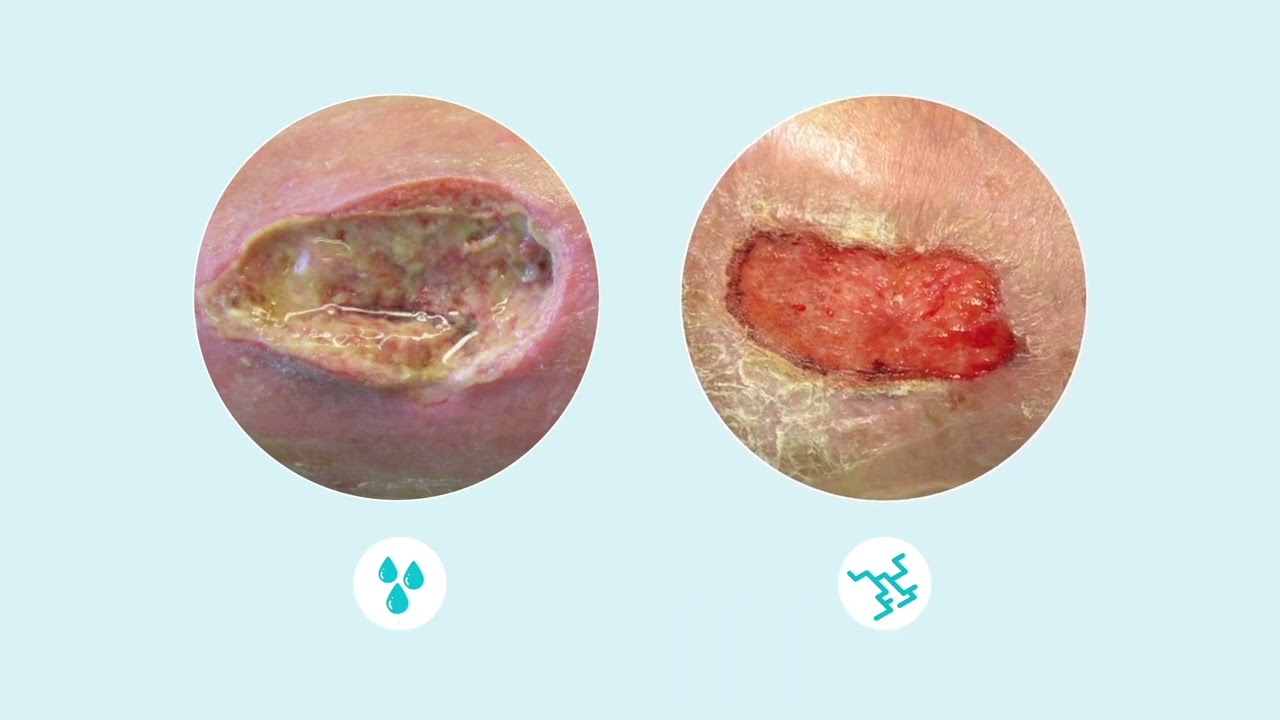
What Is Wound Exudate
Sometimes, you see liquid coming out of a wound. This liquid is called wound exudate. It is important for healing. Wound exudate has water, electrolytes, nutrients, and other things. These keep the wound wet and help fix tissue. The liquid also brings white cells and enzymes. They fight germs and help clean up hurt tissue.
Here is a table that lists the main parts and types of wound exudate:
Component/Type | Description |
|---|---|
Water | Most of exudate is water. It keeps wounds wet. |
Electrolytes | These help cells work and stay balanced. |
Nutrients | They feed cells and help fix tissue. |
Inflammatory mediators | These control how the body reacts to injury. |
White cells | They fight germs and keep wounds safe. |
Protein-digesting enzymes | These break down hurt tissue. |
Growth factors | They help new tissue grow. |
Waste products | These remove things the body does not need. |
Sanguineous | This is bright red fluid. It means there is fresh blood. |
Serosanguineous | This is light pink fluid. It is blood mixed with clear fluid. |
Purulent | This is thick, cloudy fluid. It can smell bad and show infection. |
Wound exudate can look different for each wound. You may notice changes in color, thickness, smell, or how much there is. Sometimes, the liquid is bright red and sticky (sanguineous). Other times, it is light pink or pale red (serosanguineous). If the liquid is thick and cloudy, it might mean infection (purulent).
Why Exudate Level Matters
It is important to notice how much wound exudate there is. The amount of liquid changes how you treat the wound. If the wound stays wet, it heals faster. Too much liquid can cause problems. The skin near the wound can get hurt, and germs can spread. Not enough liquid can slow healing and make the wound dry.
A wet wound helps new cells grow and keeps tissue healthy. When you pick a foam dressing, choose one that keeps the wound wet but soaks up extra liquid. This helps protect the skin and heal the wound. Always check the wound exudate level before picking a dressing. The right dressing keeps the wound wet, stops problems, and helps you get better.
Risks of Poor Exudate Management
Complications
If you do not control wound exudate, you can have problems. Too much fluid on the skin can hurt and damage the area near the wound. The wound might smell bad or get bigger. This happens a lot with chronic wounds like an ulcer. If the fluid leaks, it can stain your clothes and sheets. This can upset you and your caregivers.
Here are some problems you might have if you do not manage wounds well:
Bad smell and pain can make you want to avoid people.
The wound or ulcer can get bigger and harder to heal.
You can lose protein and fluid, which slows recovery.
Chronic wounds can get infected more easily.
Leaking and stains can make you feel upset and lose trust in your care.
You may need to change dressings often, which can hurt your skin.
The skin around the wound can get damaged from too much moisture.
Wet skin can break down more from rubbing or pressure.
You should look for these signs, especially if you have a chronic ulcer or need wound care for a long time.
Impact on Healing
If you do not control exudate, healing can take longer. Your treatment may not work as well. Wet skin around the wound can break down and get infected. This is a big problem for people with chronic ulcers. You might need to change dressings more often. This can hurt and make you feel less sure about your care.
Note: Good wound care helps you heal faster and lowers your chance of infection.
Here is a table that shows how controlling exudate helps healing:
Finding | Description |
|---|---|
Effective Exudate Management | Needed for wounds to heal on time without problems. |
Complications of Poor Management | Can cause wet skin, slow healing, and more infections. |
Patient Quality of Life | Frequent dressing changes, leaks, and bad smells can make life harder. |
To get the best results, you must control exudate. This is important for all wounds. It matters even more for chronic wounds and ulcers. Good wound care helps you heal and return to your normal life.
Foam Dressing Types by SLK Medical
SLK Medical is a top company for wound care. You can trust their foam dressings for many wounds. Their products use new technology to help with exudate. They also protect your skin. SLK Medical offers different dressings for different needs. Some options are Silicone Foam Dressing with Border, Composite Type Foam Dressing, Non Adhesive Foam Dressing, and Border Flex.
SLK Medical foam dressings use D-Pore™ Dual-Dimensional Pore Foaming Technology. This helps the dressing fit the wound bed well. It absorbs fluid and keeps it in place. You get less leaking and fewer infections. Many patients heal better and need fewer dressing changes.
Here is a table that shows how SLK Medical foam dressings help wounds:
Evidence Type | Description |
|---|---|
Effectiveness | Silicone foam with D-Pore™ Technology controls and lowers exudate. |
Cost-effectiveness | These dressings cost less than regular care. No extra fillers needed. |
Clinical Outcomes | Wounds heal better with these dressings than with regular ones. |
You can see how SLK Medical foam dressings soak up fluid:

Silicone Foam Dressing with Border
Use the Silicone Foam Dressing with Border for wounds with lots of exudate. This dressing has a soft silicone layer that sticks gently. It keeps the wound moist and blocks germs. The border helps the dressing stay in place, even if you move. It is easy to use and feels good on sensitive skin. This dressing soaks up fluid well and means you change it less often.
Composite Type Foam Dressing
The Composite Type Foam Dressing has extra layers for more absorption. Use this dressing for wounds that need strong fluid control. The layers move exudate away and lock it in. This stops skin damage and keeps the area dry. You will see less leaking and better healing. The composite type fits well on hard-to-cover spots and stays put.
Non Adhesive Foam Dressing
Pick a Non Adhesive Foam Dressing for wounds where you do not want sticky stuff. This dressing is good for fragile or sensitive skin. You can cut it to fit any shape or size. It soaks up fluid and keeps the wound moist. Use tape or a bandage to hold it in place. This foam dressing is gentle and flexible for wounds that need soft care.
SLK Medical foam dressings use soft materials to protect skin.
They soak up fluid fast and keep the wound balanced.
You change dressings less often, which saves time and hurts less.
You can pick the best foam dressing from SLK Medical for your wound. Their products help you control exudate, protect skin, and heal faster.
Choosing the Right Foam Dressing

To pick the best foam dressing, first check how much wound exudate there is. You need to match the dressing to the fluid amount. This helps keep the right moisture and protects your skin. It also helps the wound heal. Every wound is different, so look at it each time you change the dressing. Here is a simple guide to help you choose the right dressing for each exudate level.
Low Exudate Wounds
Low exudate wounds do not make much fluid. These wounds can look dry or just a little wet. You might see this with some surgical wounds or shallow ulcers. Wounds that are almost healed can also be like this. For these wounds, use a foam dressing that keeps the area moist but does not soak up too much. If the dressing takes in too much fluid, the wound can dry out and heal slower.
Pick a thin foam dressing or a non adhesive foam dressing from SLK Medical. These dressings are gentle and good for fragile skin. They help keep the wound moist, which helps new tissue grow. You can cut the non adhesive foam dressing to fit the wound shape. This makes it good for wounds in hard-to-cover places or for people with sensitive skin.
Tip: Always look at the wound for dryness. If the wound bed looks dry or the dressing sticks, you may need a dressing that does not soak up as much.
Moderate Exudate Wounds
Moderate exudate wounds are common in chronic ulcers and pressure injuries. Some post-surgical wounds also have moderate exudate. These wounds need a foam dressing that can soak up fluid but still keep the wound moist. You want to stop leaks and protect the skin around the wound.
SLK Medical has good dressings for moderate exudate. The Silicone Foam Dressing with Border and the Composite Type Foam Dressing both work well. These dressings have special layers to soak up fluid and keep it in. They also block germs and keep the wound moist for healing. The border helps the dressing stay on, even if you move a lot.
Wound care experts like foam dressings for moderate exudate because they:
Feature | Description |
|---|---|
Absorbency | |
Moisture Maintenance | Keeps the wound moist for healing. |
Non-Adherence | Soft and does not stick, so removal does not hurt. |
Bacterial Barrier | Protects the wound from germs. |
Comfort | Gives cushioning and comfort. |
Versatility | Can be used with other wound care products if needed. |
SLK Medical foam dressings show strong results. In studies, patients used fewer dressings and wounds got smaller faster. Pain during dressing changes was mild, and there were no safety problems. The cost was also lower than regular wound care.
Note: About one-third of wounds in clinics have moderate exudate. Using the right foam dressing can really help your treatment and comfort.
High Exudate Wounds
High exudate wounds make a lot of fluid. You often see this with chronic ulcers, burns, or infected wounds. These wounds need a foam dressing that can soak up a lot of fluid and keep it in. If you do not control the exudate, you might see leaks, skin damage, and more dressing changes.
For high exudate wounds, use the Silicone Foam Dressing with Border Flex or the Composite Type Foam Dressing from SLK Medical. These dressings have extra layers for the most absorption and holding power. They stay on, even on moving body parts, and protect the skin from getting too wet. The waterproof backing stops leaks and keeps germs out.
Key features of good dressings for high exudate wounds are:
Soaks up a lot of fluid to stop leaks.
Stays on for days, so you change it less.
Keeps the wound moist for healing.
Blocks germs and keeps the wound safe.
Feels comfortable and is easy to use.
Foam dressings for high exudate wounds have a special design. The middle soaks up fluid, while the outside keeps moisture in and blocks germs. This helps stop problems like skin damage, bad smell, and infection. You can use these dressings for chronic ulcers, burns, or wounds under compression therapy.
Remember: Not many wounds have high exudate, but they need careful care. The right foam dressing helps healing and makes your treatment easier.
Picking the right foam dressing for your wound exudate level helps you heal better. You protect your skin, keep the wound moist, and heal faster. SLK Medical has dressings for every need, from low to high exudate. Always check your wound and change your care as it heals.
Key Features of SLK Medical Wound Dressings
Absorption & Retention
You need a dressing that handles fluid well. SLK Medical foam dressing uses D-Pore™ technology. It has many layers to help soak up fluid fast. The dressing pulls in exudate and keeps it inside. This helps the wound stay moist but not too wet. New tissue can grow, and skin stays safe.
SLK Medical foam dressing absorbs more fluid than other brands.
Medifoam®Silver absorbs 1.25 g/cm² and holds 0.43 g/cm².
You get quick exudate absorption and strong moisture control.
The dressing keeps the wound moist for healing.
Skin Protection
You want a dressing that protects your skin. This is important if your skin is sensitive or fragile. SLK Medical foam dressing uses soft silicone layers. These layers lower pain and stop skin damage. The gentle adhesive does not pull or hurt the skin. You can use these dressings for ulcers or delicate skin. Studies show soft silicone foam dressings lower pain and skin trauma.
Evidence Type | Description |
|---|---|
Soft Silicone Foam Dressings | Extra protection for delicate skin and frequent ulcer risk. |
Pain and Skin Trauma Reduction | Less peel force and skin stripping, proven in studies and reports. |
Recommendations | Panels endorse soft silicone foam dressings for fragile skin. |
You get better skin protection and less pain when you change dressings.
Comfort & Flexibility
You want a dressing that feels good and moves with you. SLK Medical foam dressing uses flexible materials and gentle adhesives. The dressing fits many body shapes and stays put. You get comfort for sensitive skin and easy movement. The waterproof layer blocks germs and dirt. This lowers infection risk. Many foam dressings use silver or iodine to fight germs. Studies show foam dressings can lower infection rates by 9% at the end of treatment.
Feature | SLK Medical Dressings | Other Brands (Mepilex, Biatain) |
|---|---|---|
Adhesive Type | Gentle silicone adhesive | Advanced silicone adhesives |
Pain During Removal | Minimizes pain | Less pain proven |
Flexibility | Versatile | Enhanced with 3DFit™ tech |
Comfort for Sensitive Skin | Competitive comfort | Superior comfort |
Availability | Limited in some regions | Widely available |
Tip: SLK Medical foam dressing gives strong exudate absorption, moisture control, and comfort. You get better healing and less pain.
Practical Tips for Foam Dressing Use
Protecting Skin
You want to keep the skin around your wound healthy. Start by managing the amount of fluid coming from the wound. If you notice swelling or signs of infection, talk to your healthcare provider. Always check the skin around the wound when you change the dressing. Clean the wound edge and nearby skin with a gentle cleanser. Products like 3M™ Cavilon™ No-Rinse Skin Cleanser help loosen dirt without rubbing hard. You can use a barrier film, such as 3M™ Cavilon™ No Sting Barrier Film, to protect the skin from moisture. If your skin is already damaged, try a skin protectant like 3M™ Cavilon™ Advanced Skin Protectant. These steps help prevent skin damage and make dressing changes easier.
Manage exudate to reduce skin problems.
Assess skin at every dressing change.
Cleanse wound edges and surrounding skin gently.
Use film-forming barriers to protect healthy skin.
Choose skin-friendly cleansers and protectants.
Tip: Protecting the skin around your wound helps you heal faster and feel more comfortable.
Preventing Complications
You can avoid problems by following simple steps when you use foam dressings. Always wash your hands and clean your tools before you start. Look at the wound for redness, swelling, or pus. If you see these signs, tell your nurse or doctor. When you remove the dressing, go slowly. Lift one corner and support the skin. Peel the dressing back gently and keep it close to the skin. If the dressing sticks, moisten the edges with saline. Never pull quickly, as this can tear the skin. After you take off the dressing, check the wound and skin for irritation. Throw away the used dressing in a medical waste container.
Inspect the wound for infection or irritation.
Wash hands and sanitize tools.
Remove dressing gently and moisten if needed.
Support the skin while peeling back the dressing.
Check the wound after removal.
Use the right dressing for your wound.
Dispose of dressings safely.
Note: Careful dressing changes help prevent skin tears and infections.
Dressing Change Frequency
You need to change foam dressings often enough to keep the wound healthy. Most foam dressings can stay on for up to 7 days. Many experts recommend changing them every 2 to 3 days, depending on how much fluid the wound produces and the type of dressing you use. If the dressing gets soaked or leaks, change it sooner. Always follow your healthcare provider’s advice.
Dressing Type | Recommended Wear Time | Average Change Frequency |
|---|---|---|
SSMFDs | Up to 7 days | Every 2 to 3 days |
Tip: Regular dressing changes help control exudate and protect your skin.
Troubleshooting Foam Dressing Issues
When to Change Dressing
You need to know when to change your foam dressing to keep your wound healthy. If you see fluid pooling under the dressing, this means the dressing is not absorbing well. Sometimes, fluid can move back toward the wound. This is called backflow. It shows that the dressing cannot hold enough exudate. If you notice any leakage, fluid may escape and cause infection. Always check the skin around your wound. If the skin looks red, swollen, or damaged, the dressing is not working as it should.
Here is a table that shows signs you should look for:
| Signs Indicating Need for Change — | Description — | | Exudate Pooling — | Fluid collects under the dressing and can hurt your skin. — | | Backflow — | Fluid moves back to the wound, showing poor absorption. — | | Leakage — | Fluid escapes from the dressing, which can cause infection. — | | Condition of Peri-wound Skin — | Skin around the wound gets worse, meaning the dressing is not managing fluid well. — |
Tip: Check your dressing every day. If you see any of these signs, change the dressing right away.
Switching Dressing Types
Sometimes, you need to switch to a different foam dressing. You should think about the amount of fluid your wound makes. High exudate needs a dressing that absorbs a lot. Low exudate works best with a thinner dressing. Look at the skin around your wound. If your skin is fragile, pick a non-adhesive or silicone foam dressing. Deep wounds may need a special dressing to fill the space before you add foam on top.
The location of your wound matters. Wounds on elbows or heels need dressings that fit well and stay in place. If your wound hurts or looks infected, choose a foam dressing with medicine or antimicrobial properties. You should also think about how long you want the dressing to stay on. Longer wear times can save you money and make care easier.
Here is a table to help you decide:
| Factors to consider — | What to look for in the dressing — | | Exudate level — | Pick a dressing that matches how much fluid your wound makes. — | | Condition of the wound and periwound skin — | Use gentle dressings for fragile skin. — | | Wound depth — | Deep wounds may need extra layers. — | | Location on the body — | Choose dressings that fit and stick well. — | | Wound infection or pain — | Use dressings with medicine for pain or infection. — | | Wear time — | Think about how often you want to change the dressing. — |
Note: Always talk to your healthcare provider if you are unsure about switching dressings.
You help pick the foam dressing that fits the exudate level. This choice helps you care for chronic wounds and ulcers. It also keeps the wound moist so it heals better. SLK Medical has wound care products that make treatment easier and more comfortable. Studies show silicone foam dressings can lower pain and help chronic ulcers heal. You should check wounds often and change your treatment when needed. Experts say to match dressings to the wound and use the right products for chronic ulcers. They also say to teach patients about wound care.
Benefit | SLK Medical Foam Dressing |
|---|---|
Healing improvement | Chronic ulcers heal faster |
Pain reduction | |
Infection prevention | Good for moist wound care |
Checking wounds often helps you pick the right treatment for chronic ulcers.
You help wounds heal by keeping them moist and using the right foam dressing.
FAQ
How do you know which foam dressing to use for a chronic wound?
You should look at how much fluid comes from the wound. If you see a lot of drainage, pick a foam dressing that absorbs well. For a chronic ulcer, check the wound often and adjust your dressing as healing changes.
Can you use foam dressings for chronic ulcers?
Yes, you can use foam dressings for chronic ulcers. These dressings help control fluid, protect skin, and support healing. You should choose a foam dressing that matches the amount of exudate your chronic ulcer produces.
How often should you change foam dressings on a chronic ulcer?
You should change foam dressings every 2 to 3 days or sooner if the dressing gets soaked. Chronic ulcers may need more frequent changes if you see leaks or skin damage. Always follow your healthcare provider’s advice.
Tip: Check your chronic ulcer daily for signs of infection or extra fluid.
What signs show you need to switch foam dressings for a chronic ulcer?
You should switch foam dressings if you see leaks, redness, or swelling around your chronic ulcer. If the dressing does not absorb enough fluid or causes pain, pick a different type. Always watch for changes in your ulcer.
Sign | What to Do |
|---|---|
Leak | Change dressing |
Redness | Try a gentler dressing |
Swelling | Ask your provider |
Pain | Use a softer foam option |
Are foam dressings safe for sensitive skin with chronic ulcers?
Foam dressings from SLK Medical use gentle silicone layers. You can use them on sensitive skin with chronic ulcers. These dressings lower pain and protect fragile skin. You should always check your skin for irritation when you change dressings.


