


SLK Medical foam dressing works well for pressure ulcers and diabetic foot ulcers. Studies show wounds heal faster and hurt less with this dressing than with old types. SLK Medical’s silicone foam dressing uses soft sticky foam and new technology to help stop pressure injuries. The table below shows important results:
Outcome | Foam Dressing | Traditional Dressings |
|---|---|---|
Healing Time | Shorter | Longer |
Pain During Changes | Lower | Higher |
Incidence of Pressure Injuries | Lower | Higher |
How well it works, how comfortable it is, and stopping infection are all very important in wound care.
Key Takeaways
SLK Medical foam dressings help wounds heal faster and hurt less than regular dressings. This makes them a better choice for wound care. These dressings keep wounds moist and safe. This helps stop infections and helps wounds heal. Silicone foam dressings mean you do not need to change them as often. This saves money and causes less pain for patients. The soft sticky part of these dressings does not bother the skin much. This makes them good for people with sensitive skin. Clinicians should pick the right foam dressing for each patient. This helps wounds heal better and keeps patients comfortable.
Pressure Ulcers and DFUs

What Are Pressure Ulcers?
Pressure ulcers are also called bedsores. They happen when skin and tissue get hurt from staying in one position too long. These wounds often show up on places like hips, heels, and tailbone. People who cannot move much, like those in wheelchairs or hospital beds, have a bigger chance of getting them. Many things make pressure ulcers more likely:
Neurologic diseases, like dementia and peripheral neuropathy
Edema, which means swelling
Diabetes, which slows blood flow
Less fat under the skin
Chronic lung disease
Obesity
Older age
Recent broken bones in the legs
Incontinence, which keeps skin wet
Paraplegia or tetraplegia
Not enough good food or water
Smoking
Stopping pressure injuries is very important in wound care. Things inside the body, like age and health, and things outside, like pressure and rubbing, both matter. Pressure injuries happen a lot in older people and those who are sick for a long time.
A study looked at how fast pressure ulcers heal with different dressings. Foam dressing and silicone foam dressing helped wounds heal faster than regular gauze. The chart below shows how long healing takes with advanced dressings:

Understanding Diabetic Foot Ulcers
Diabetic foot ulcers are open sores on the feet of people with diabetes. These ulcers affect about 15% of people with diabetes. Each year, between 1.9% and 8.1% of people get diabetic foot ulcers, depending on where they live. People with neuropathy get them even more, between 5.0% and 7.5% each year.
Diabetic foot ulcers can cause big problems. About 20% of bad cases may need some part of the foot removed. Infection causes half of major lower limb removals. People with diabetic foot ulcers have a five-year death risk that is 2.5 times higher than those without. Many patients also might need kidney treatment within two years.
Good wound care and using silicone foam dressings help lower these risks. Better ways to treat and prevent ulcers help patients heal and get fewer pressure injuries.
Foam Dressing Technology
How Foam Dressings Work
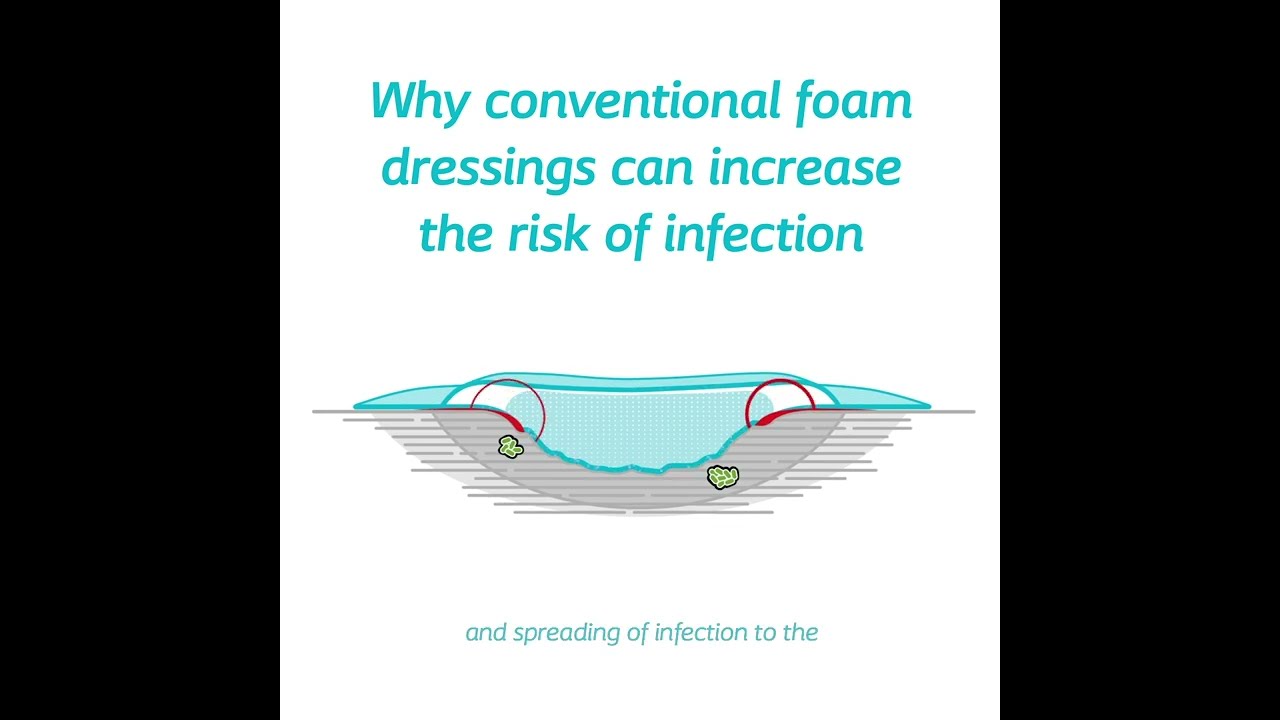
Foam dressing is important in wound care. It has a special design to handle moisture and soak up fluid from wounds. The dressing has many layers that work together. The nonadherent silicone mesh lets you take it off gently. It does not hurt the skin. The absorbent hydrophilic pad pulls in liquid and keeps the wound wet. The backing film stops bacteria and lets vapor out. The sticky border holds the dressing in place.
Component | Function |
|---|---|
Nonadherent silicone mesh | Gentle removal without trauma |
Absorbent hydrophilic pad | Absorbs exudate and maintains moisture |
Backing film | Protects against bacteria and allows evaporation |
Adhesive border | Secures dressing in place |
Foam dressing handles medium to high fluid levels. The hydrocellular polyurethane center soaks up fluid. It stops liquid from leaking back into the wound. The semi-permeable film backing lets vapor and gas out. It blocks liquids and bacteria. This design helps stop pressure injuries and lowers how often they happen.
SLK Medical’s D-Pore™ technology makes absorption and airflow better. The special pore structure takes in more fluid and lets air move through. This technology helps manage wounds. It makes gentle-adhesive foam dressings work well for sensitive skin.
Benefits for Wound Healing
Foam dressing works well for healing wounds. It keeps the wound wet, which helps new skin grow. Studies show foam dressing lowers pain during changes. It is easier to remove than paraffin gauze. Patients feel less pain and heal better.
Foam dressing handles fluid better than hydrocolloids. This means fewer leaks and less need to change it.
The dressing lasts longer, so there are fewer changes and lower costs.
No signs of infection or more fluid show up when using foam dressing. This helps prevent problems and shows it works well.
SLK Medical’s silicone foam dressing uses new technology to help wounds heal faster. Silicone foam dressings work well for diabetic foot ulcers and stopping pressure injuries. Meta-analysis shows foam dressing is a strong choice for wound care. Foam dressing helps get better results for patients.
Tip: Foam dressing keeps wounds clean, wet, and safe. This makes healing easier for patients.
SLK Medical Silicone Foam Dressing Features

Multi-Layer Structure
SLK Medical uses a soft silicone foam dressing with many layers. Each layer does something special. The soft silicone layer touches the skin and keeps it safe. The foam core soaks up fluid and keeps the wound wet. The waterproof top layer stops bacteria and lets vapor out. This design helps control fluid, gives cushion, and keeps heat in. The table below shows what each layer does:
Layer | Function |
|---|---|
Soft Silicone Contact Layer | Stops sticking, lets gentle removal |
Absorbent Foam Core | Soaks up fluid, keeps moisture |
Waterproof Outer Film | Blocks germs, lets vapor out |
Changing from one foam layer to many layers helps stop problems and makes changing dressings easier. The silicone mesh does not stick and protects the wound and skin nearby. This design helps silicone foam dressings work well for wounds.
Gentle-Adhesive Foam Dressings for Sensitive Skin
Gentle-adhesive foam dressings help people with sensitive skin. The silicone foam dressing sticks softly and does not hurt when you take it off. Patients feel better because the foam is soft and comfy. These dressings keep the wound wet, which helps healing. The table below shows the good things about these dressings:
Benefit | Description |
|---|---|
Gentle Adhesion | Less irritation and pain when removing |
Comfort | Soft foam makes the area less sore |
Moist Environment | Helps wounds heal, good for sensitive skin |
Studies show gentle-adhesive foam dressings lower pain and skin damage. They also help stop more skin problems.
Product Range Overview
SLK Medical has many foam dressings for different wounds. The products include:
Foam dressing for most wounds and soaking up fluid
Bordered dressing for pressure ulcers, fits well and comes off easily
Antimicrobial dressing with silver for infected wounds, lowers infection risk
Special dressing for hard-to-treat wounds and special needs
These dressings help with long-lasting wounds, diabetic foot ulcers, surgery wounds, pressure injuries, burns, scrapes, and cuts. The multi-layer soft silicone foam dressing soaks up a lot, has a waterproof back, sticks gently, fights germs, and fits well. Hospitals say they change dressings less and spend less money. Studies show these dressings work well for healing and stopping new wounds.
Note: SLK Medical’s foam dressings help wounds heal, make patients comfortable, and stop infections for many types of wounds.
Efficacy of Silicone Foam Dressings
Clinical Evidence and Outcomes
Researchers have checked how well silicone foam dressings work. A big study shows these dressings help stop pressure injuries, mostly on the sacral and heel. This means they are good for preventing pressure ulcers. The study proves silicone foam dressings are strong at stopping new wounds in risky spots.
Nurses and patients say good things about using highly hydrophilic polyurethane foam dressing. One study watched 64 patients. Almost half of the wounds healed. A quarter of wounds started to heal. The average follow-up was 22.5 days. Nurses saw better wounds in most cases. Most patients felt better. The dressing fit well for almost all patients. The study showed less exudate and better skin around wounds. These results show silicone foam dressings work well for daily wound care.
Key Findings | Results |
|---|---|
Patients Included | 64 |
Wounds Healed at Follow-up | 48.4% |
Wounds Progressing to Healing | 25.0% |
Median Days to Follow-up | 22.5 |
Reduction in Exudate Level | p<0.0001 |
Improvement in Wound Edges | p≤0.0001 |
Improvement in Periwound Skin | p<0.01 |
Re-epithelialising Wounds | 62.3% |
Nurse Reports of Improvement | 88.3% |
Patient Reports of Improvement | 85.0% |
Dressing Conformity Reports | 93.5% |
A study using SLK Medical’s silicone foam dressing with 3DFit™ Technology saved 33% in costs. This happened because fewer dressings were needed. Silicone foam dressings help wounds heal and save money.
The big study also shows silicone foam dressings work about the same as other dressings for diabetic foot ulcers. A review of six studies found no big difference in healing rates between foam dressing and basic wound contact dressings for diabetic foot ulcers. Foam dressing did not work better than alginate or hydrocolloid dressings for diabetic ulcers. These results mean silicone foam dressings are best for stopping pressure injuries, but for treating diabetic ulcers, they work as well as other advanced dressings.
Comparison with Other Dressings
Silicone foam dressings work better than standard care. In one study, pressure injuries dropped from 13.1% with standard care to 3.1% with silicone dressings. The number of pressure ulcers went down from 27 to 7. The table below shows the difference between groups:
Group | Pressure Ulcers (n) | Incidence (%) | P-value |
|---|---|---|---|
Silicone Dressings | 7 | 3.1 | 0.002 |
Standard Care | 27 | 13.1 | |
Sacral Pressure Ulcers | 5 | 0.001 | |
Heel Ulcers | 5 | 0.002 |
Silicone foam dressings help lower pressure injuries. The study proves they work well for heel and sacral wounds. Highly hydrophilic polyurethane foam dressing soaks up fluid and keeps wounds moist. This helps wounds heal better.
When comparing silicone foam dressings to alginate and hydrocolloid dressings for diabetic ulcers, healing rates are about the same. The big study found no big difference for diabetic foot ulcers. Foam dressing works as well as other choices for treating diabetic foot ulcers.
SLK Medical’s highly hydrophilic polyurethane foam dressing gives extra benefits. Nurses say the dressing fits better and is easy to use. Patients feel less pain when changing dressings. Silicone foam dressings make patients more comfortable, need fewer changes, and cost less. The study shows silicone foam dressings help wounds heal and save money.
Note: Silicone foam dressings work best for stopping pressure ulcers, especially on the sacral and heel. For diabetic ulcers, they work as well as other advanced dressings. Studies and results support using them for wound care.
Practical Benefits of SLK Medical Foam Dressings
Pain Reduction and Comfort
SLK Medical foam dressing makes changing dressings hurt less. The soft silicone layer does not pull on the skin. This makes taking it off gentle and easy. Many patients say the foam dressing feels soft and comfy. Nurses see less pain and redness near wounds. Most patients say comfort is “Good” or “Very good.” The table below shows how patients with venous leg ulcers and diabetic foot ulcers feel about comfort:
Comfort Rating | Venous Leg Ulcers (%) | Diabetic Foot Ulcers (%) |
|---|---|---|
Very Good | 44.1 | 27.5 |
Good | 51.1 | 69.7 |
Almost all patients are happy with comfort and how well it controls exudate. They tell others to use foam dressing because it works well for wounds.
Infection Control and Healing
SLK Medical has antimicrobial foam dressings with silver ions. Silver ions fight germs and stop biofilm from growing. Biofilm can cause infections in wounds. These dressings help stop infection and help wounds heal. Foam dressing acts like a shield to keep germs out. It also soaks up fluid that might have bacteria. Nurses use silver foam dressing when wounds look infected. Studies show these dressings lower germs in wounds and help clear up infections. The foam dressing helps wounds heal faster by keeping them moist and safe.
Silver foam dressing stops germs and biofilms.
It works for new and old wounds.
The dressing is simple to use and comes off without pain.
Cost-Effectiveness
SLK Medical foam dressing helps save money over time. Hospitals and clinics do not need to change dressings as often. This lowers costs for care. Studies show foam dressing can cut dressing changes almost in half. Weekly costs for each patient drop by about 50%. Using foam dressing means fewer problems and less work for nurses. Even if foam dressing costs more at first, it saves money later. Advanced silicone foam dressings can lower wound care costs by up to 33%. They help stop pressure injuries and shorten hospital stays.
Tip: Foam dressing means fewer changes, less pain, and better healing. This makes it a smart choice for patients and healthcare workers.
Considerations for Use
Patient Selection
Picking the right foam dressing helps wounds heal better. Every patient is different and needs special care. The table below gives ideas for choosing dressings for each patient:
Patient Characteristic | Recommendation |
|---|---|
Fragile skin | Use a non-adhesive or silicone adhesive foam dressing to protect the skin. |
Infected wound | Select a foam dressing with an antimicrobial agent, such as silver. |
Painful wound | Choose a foam dressing that contains pain-relieving ingredients, like ibuprofen. |
Choosing the best dressing makes silicone foam dressings work better. Gentle silicone adhesives help people with fragile skin. Antimicrobial dressings are good for infected wounds. Dressings with pain relief help when wounds hurt.
Note: Pick the right dressing for each patient. This helps wounds heal faster and makes patients feel better.
Application Tips
Putting on foam dressing the right way helps wounds heal. Follow these steps to get the best results:
Wash your hands and wear gloves.
Clean the wound gently with saline.
Dry the skin around the wound.
Look at the wound and the skin nearby for changes.
Get all your supplies ready before you start.
Applying the Dressing:
Take off the backing without touching the sticky side.
Put the soft, absorbent side on the wound.
Smooth the dressing from the middle to the edges. This gets rid of air bubbles and wrinkles.
Make sure the dressing is flat and covers the whole wound.
Removing the Dressing:
Check the skin and wound before taking off the dressing.
Gently lift one edge of the foam dressing.
Peel the dressing back slowly and keep it close to the skin.
Use adhesive remover if you need it.
Clean the skin after you take off the dressing.
Using foam dressings the right way helps patients feel comfortable. It also helps wounds heal well.
Recommendations for Clinicians and Caregivers
Best Practices
Clinicians and caregivers can help wounds heal by following simple steps with foam dressing. Experts say these are the best ways to do it:
Wash your hands well with soap and water. This gets rid of germs.
Put on clean gloves. Gloves keep both you and the patient safe.
Take off the old dressing gently. If it sticks, use saline to make it loose.
Clean the wound with saline or a wound cleaner. This helps remove dirt.
Dry the skin around the wound with sterile gauze. This stops the skin from getting too wet.
Look at the wound for infection or too much moisture.
Pick the foam dressing that fits what the wound needs.
When you put on a new dressing, open the package without touching the sticky part. Place the foam dressing over the wound. Make sure it covers the wound and goes at least 2 cm past the edges. Smooth the dressing from the middle out to get rid of air bubbles. Press the edges down so the dressing stays in place. If the dressing has an antimicrobial layer, make sure it touches the wound.
To take off the dressing, lift one corner slowly and hold the skin. Peel the dressing back gently and keep it close to the skin. If it sticks, wet the edge with saline. Do not pull fast, so you do not hurt the skin.
Tip: Handle dressings gently to protect weak skin and help healing.
Integrating into Care Protocols
Many rules for clinics say silicone foam dressings are good for pressure ulcers and diabetic foot ulcers. The 2019 International Guideline by EPUAP, NPIAP, and PPPIA says to use silicone foam dressings to stop pressure ulcers. The SECURE consensus statement also says they are good for high-risk spots.
Guideline | Recommendation | Type of Ulcer |
|---|---|---|
2019 International Guideline by EPUAP, NPIAP, and PPPIA | Says to use silicone foam dressings to prevent ulcers | Pressure Ulcers |
SECURE consensus statement | Says silicone foam dressings are good for high-risk areas | Pressure Ulcers |
Clinicians should use these dressings for patients who might get pressure injuries or diabetic foot ulcers. Training and checking how dressings are used helps silicone foam dressings work well. Making this part of daily care helps patients heal better and shows that advanced wound care works.
SLK Medical silicone foam dressings work well for pressure ulcers and diabetic foot ulcers. These dressings stick softly and soak up a lot of fluid. They keep wounds wet and make changing them hurt less. Many people say they are simple to use and safe for any skin. The foam dressing can stay on the skin for several days. This helps the skin heal and stops scars from forming. Nurses and caregivers can count on these dressings for better wound care. You can learn more by visiting the SLK Medical website.
Can stay on the skin for a long time
Simple to put on and take off
Helps stop scars and sticking to skin
Keeps the wound moist for healing
Comes off gently without hurting the skin
Works for every skin type
SLK Medical uses new technology to help wounds heal and keep patients comfortable.
FAQ
How often should SLK Medical foam dressings be changed?
Doctors say to change the dressing every 3 to 7 days. The wound and how much fluid it has can change this. Nurses look for leaks or infection signs before changing it.
Are SLK Medical foam dressings safe for sensitive skin?
SLK Medical foam dressings have a soft silicone layer. This layer helps protect weak skin and makes removal less painful. Many people with sensitive skin feel less irritation and more comfort.
Can patients shower while wearing SLK Medical foam dressings?
The waterproof film lets patients shower without taking off the dressing. The dressing stays on and keeps the wound dry. Nurses tell patients to check the dressing after they shower.
Do SLK Medical foam dressings help prevent infection?
SLK Medical foam dressings with silver ions fight germs and help stop infection. The dressing blocks bacteria from getting in. Nurses use antimicrobial dressings for wounds that might get infected.
What types of wounds can SLK Medical foam dressings treat?
SLK Medical foam dressings treat pressure ulcers, diabetic foot ulcers, burns, surgery wounds, and venous leg ulcers. The product line fits many wound shapes and sizes. Doctors pick the best dressing for each wound.


