


You can help patients heal faster with moist wound healing. This also saves money for hospitals and patients. If you use advanced foam dressing from SLK Medical, you need fewer dressing changes. This means you spend less money on care. The table below shows how these dressings help. Switching to foam dressings cuts dressing changes by half. It also lowers weekly wound care costs by half.
Outcome Measure | Before Intervention | After Intervention | Key Findings |
|---|---|---|---|
Dressing Change Frequency | ~3.1 changes/week | ~1.6 changes/week | ~50% reduction in changes |
Weekly Wound Care Cost | ~20.07 € | ~13.00 € | ~50% reduction in costs |
Moist wound healing gives wounds a better place to heal. It helps patients get better faster. You make wound care easier and more helpful for everyone.
Key Takeaways
Moist wound healing helps wounds heal faster and reduces pain. Keeping wounds moist allows new skin to grow quickly.
Using foam dressings cuts the number of dressing changes in half. This saves time and money for both patients and hospitals.
Foam dressings lower the risk of infection. They keep wounds protected and moist, which helps prevent complications.
Patients feel more comfortable with foam dressings. They are gentle on the skin and cause less pain during removal.
Choosing the right foam dressing for each wound type improves healing. Match the dressing to the wound’s needs for the best results.
Moist Wound Healing Science
Healing Process
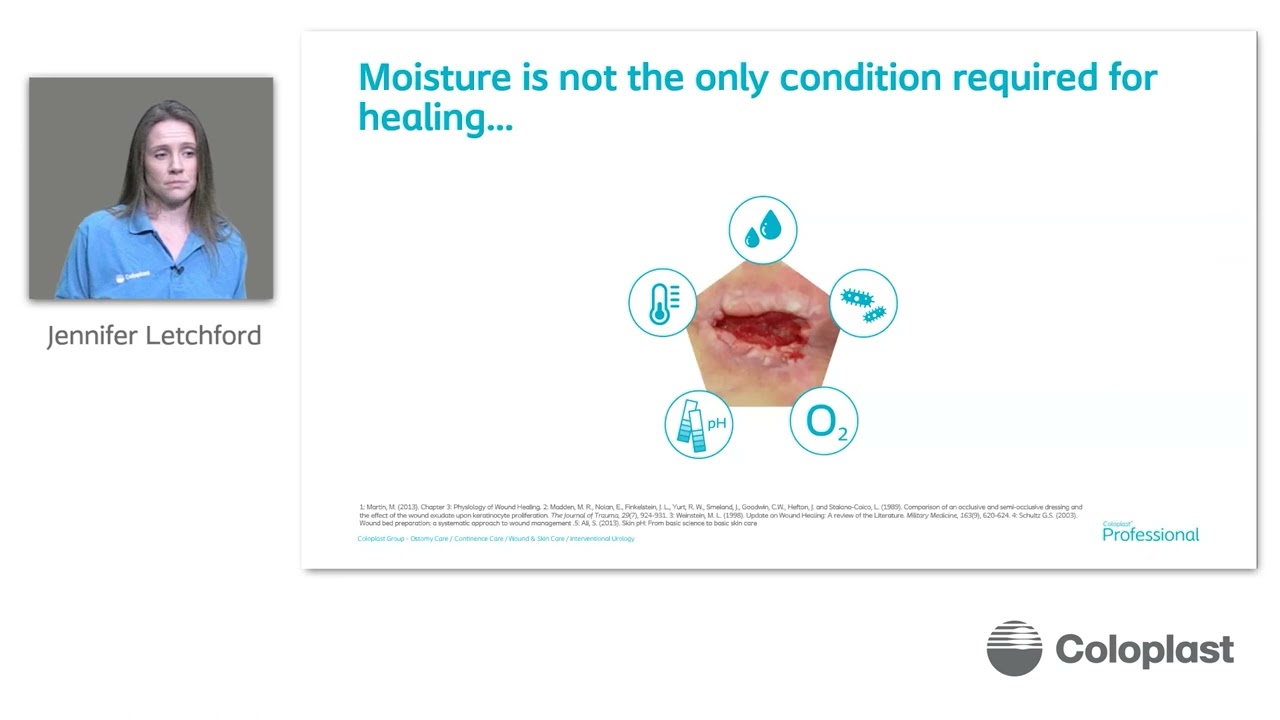
Moist wound healing helps wounds get better faster. This way keeps the area around the wound moist. Cells can move more easily over the wound. New skin grows quicker because of this. Growth factors and proteinases work longer in moist places. These things are important for healing.
Tip: If you keep a wound moist, it hurts less and is less likely to get infected.
Here is how moist wound healing helps each step of healing:
Stage | Description |
|---|---|
Inflammatory Stage | Moisture stops the wound from drying out. It helps with pain and lowers infection risk. |
Proliferative Stage | It helps fibroblasts and keratinocytes move. This is needed for new tissue to grow. |
Maturation Stage | Moisture helps collagen form the right way and makes scars smaller. |
Faster Healing | Cells work better in moist places, so wounds heal faster. |
Reduced Scarring | Moisture helps collagen form well, so scars are less visible. |
Lower Risk of Infection | Moisture blocks germs and some dressings fight bacteria. |
Benefits for Wound Healing
Moist wound healing has many good points. It stops wounds from getting dry. It helps new skin grow faster. Scars look better when wounds heal this way. Patients also feel less pain.
Moisture helps keratinocytes and fibroblasts grow. It keeps growth factors working for repair.
Less inflammation happens in moist wounds. Healing is better and scars are smaller.
Foam dressings and hydrocolloid dressings both help diabetic foot ulcers heal. You can pick what works best.
Big wound care groups say foam dressings are good for many wounds. You use them for venous leg ulcers, pressure ulcers, diabetic foot ulcers, surgical wounds, and skin tears. Foam dressings soak up fluid, protect the wound, and keep it moist. This helps wounds heal faster and lowers infection risk.
Foam Dressing Advantages

SLK Medical Product Features
You want a wound care product that works well and feels gentle. SLK Medical foam dressing uses new technology to help wounds heal faster. The dressings use materials that are kind to the skin and do not cause irritation. The soft silicone layer protects weak skin and makes removal less painful. Hydrophilic foam soaks up exudate and keeps the wound moist. The foam layer also protects the wound from pressure and rubbing. You can use these dressings on joints or odd shapes because they fit well and stay in place.
SLK Medical foam dressing is known for being safe and high quality. Each product follows strict rules, like FDA approval and ISO 13485 certification. Every batch is checked fully and tracked from start to finish. You can trust these dressings to give good wound care.
Feature | Description |
|---|---|
Skin-friendly materials | Hypoallergenic, gentle on sensitive skin |
Soft silicone contact | Protects fragile skin, reduces pain |
Hydrophilic foam | Absorbs and retains exudate, keeps wound moist |
Cushioning foam layer | Guards against pressure and friction |
Adaptability | Fits joints and irregular shapes, stays secure |
Fewer dressing changes | Less disruption, lower costs |
You also need to change the dressing less often. On average, you only change the foam dressing about 1.66 times each week. This is less than the three times needed with regular dressings.
Pain Relief and Comfort
You want your patients to feel safe and comfortable. Foam dressing helps lower pain when worn and when taken off. The soft silicone layer does not stick to the wound, so removal is not very painful. Most patients say their pain score is under 10 on the VAS scale when the dressing is removed. The dressings also cushion the wound, which helps stop pain from pressure or movement.
Many patients think comfort is the most important part of wound care. About 69% of people pick comfort as their top need. Foam dressing also makes it easier for you to put on and take off the dressing. Around 41% of patients and nurses like how easy it is to use.
You can see the difference in how foam dressing keeps wounds moist and handles exudate. Foam dressing soaks up more and keeps the wound cleaner. The table below shows how foam dressing works compared to other dressings:
Dressing Type | Poor Absorbency (%) | Soiling Cases (%) | |
|---|---|---|---|
Foam Dressings | 81 | 0 | 4 |
Hydrocolloid Dressings | 26 | 22 | 25 |
Foam dressing also handles exudate better than other dressings. This helps wounds heal faster and lowers infection risk. You give your patients a better healing experience with less pain and more comfort.
Cost and Hospital Stay Reduction
Economic Impact
You want wound care to be better and cheaper. Advanced foam dressings from SLK Medical help with both. These dressings make wound care cost less. You buy fewer supplies and need less work. You also use fewer dressings each week. This saves you money and time.
Studies show foam dressings cut dressing changes by 47.1% compared to gauze. This means your team spends less time working.
A review using a Markov model found foam dressings lower total treatment costs.
Studies from France, the UK, and Germany say foam dressings heal wounds faster and use fewer resources than regular dressings.
A clinical trial found foam dressings for stage II ulcers cost less than saline gauze.
In Spain, dressing changes dropped from 3.14 to 1.66 per week with foam dressings.
Supplies and dressings are 15-20% of wound care costs. Nursing time is 30-35% of the total cost.
You notice these changes every day. You use fewer products and spend less time changing dressings. Treating wounds costs less. One study showed a 47% drop in products used over four weeks. The average cost for advanced dressing was £14.3. Standard care cost £21.4. That is a 33% cost drop.
Wound care costs a lot of money. Medicare says wound management costs between $28.1 billion and $96.8 billion. Chronic wounds affect about 6.5 million people. They cost nearly $25 billion each year. Using better dressings can lower the total cost, even if they cost more at first.
Note: Advanced foam dressings mean fewer dressing changes. This saves money and helps wounds heal faster.
Here is a table that shows how different dressings change costs:
Aspect | Preferred Moisture Dressings | Passive Foam Dressings |
|---|---|---|
Initial Cost | Higher | Lower |
Dressing Change Frequency | Less frequent | More frequent |
Labor Costs | Lower overall | Higher overall |
Long-term Cost Implication | Reduced cumulative costs | Increased cumulative costs |
Moist wound healing with foam dressings means fewer changes and lower costs. Patients heal faster and spend less time in the hospital.
Fewer Complications
You want to stop problems like infections and slow healing. Advanced foam dressings help with this. They keep wounds moist and block germs. This lowers the risk of problems and helps wounds heal better.
Clinical data shows foam dressings heal superficial pressure ulcers better than gauze.
For diabetic foot ulcers, studies found foam dressings work as well as gauze or hydrocolloid. Foam dressings still give good protection and comfort.
Silver foam dressings, like Mepilex Ag, show zero to low infection rates in burn wounds. This is better than many other products.
High-quality foam dressings mean fewer changes and less pain. This lowers the chance of infection or slow healing.
Here is a table that compares problems with different dressings:
Study Focus | Findings | Comparison |
|---|---|---|
Diabetic Foot Ulcers | No clear advantage for foam over gauze | Foam vs. gauze or hydrocolloid |
Pressure Ulcers | Foam improved healing in superficial ulcers | Foam vs. simple gauze |
Using best practices, like undisturbed wound healing, lowers product use and staff time. Dressings last longer. This cuts costs and helps patients leave the hospital sooner.
Tip: Fewer dressing changes mean less chance for infection and less pain.
Advanced foam dressings lower wound care costs. They help patients heal faster and leave the hospital sooner. Wound care becomes safer, quicker, and cheaper for everyone.
Wound Management in Practice
SLK Medical Solutions
You can make wound care better by picking the right foam dressing. SLK Medical has many foam dressings for different wounds. Non-adhesive foam dressings are good for skin that is fragile or sensitive. Adhesive foam dressings work well for new wounds or surgery sites. Antimicrobial foam dressings help stop infection in wounds with a lot of fluid. Bordered foam dressings are best for pressure ulcers, especially on bony spots.
Type of Foam Dressing | Suitable Wound Types |
|---|---|
Non-adhesive foam dressings | Wounds with fragile or sensitive skin, granulating or epithelializing wounds |
Adhesive foam dressings | Acute wounds or surgical sites requiring secure placement |
Antimicrobial foam dressings | Wounds at high risk of infection or with heavy exudate, aiding in infection control |
Bordered foam dressings | Effective for pressure ulcers, especially over bony prominences |
You need to match the foam dressing to the wound. If the wound has a lot of fluid, pick a foam dressing that soaks it up. For fragile skin, use non-adhesive or silicone adhesive foam dressing. If the wound is infected, choose a foam dressing with antimicrobial features. You should check how often you need to change the dressing. Dressings that last longer save money and help with wound care.
Factors to consider | What to look for in the dressing |
|---|---|
Exudate level | For medium to high exudate levels, choose a dressing that absorbs and retains high amounts of exudate. For low exudate levels, consider a thin or light foam dressing. |
Condition of the wound and periwound skin | For fragile skin, use a non-adhesive or silicone adhesive foam dressing to protect from damage. |
Wound infection or pain | If the wound is infected, select a foam dressing with an antimicrobial, such as silver. For painful wounds, consider a dressing containing ibuprofen. |
Wear time | Assess how often the dressing needs changing and opt for one with a longer wear time for cost savings. |
You may run into problems when caring for wounds. Some hospital staff do not know enough about pressure injuries and diabetic foot problems. Talking with other staff and having enough resources can be hard. You can fix these problems by joining training programs. These programs help you learn more, use good practices, and get better at wound care.
Barrier Type | Description |
|---|---|
Hospitalists reported a lack of knowledge and confidence in managing pressure injuries and diabetic foot complications. | |
Communication Challenges | Issues with staff communication and engagement were highlighted as significant obstacles. |
Patient Obesity | Patient obesity was identified as a barrier affecting wound care management. |
Resource Limitations | Limited in-hospital resources and electronic health record transparency were noted as challenges. |
Access to Information | Difficulty in finding wound care notes and limited access to nursing staff input in electronic records were barriers. |
Tip: You can get better at wound care by joining training programs. These programs help you make smart choices and avoid mistakes.
Focus Areas for Training | Implications for Training Programs |
|---|---|
Building Confidence in Decision-Making | Training programs should empower your staff to make independent decisions. |
Promoting Evidence-Based Practices | Education should emphasize the importance of assessing clinical need over routine practices. |
Improving Technical Skills | Practical training builds confidence and reduces errors during dressing changes. |
Real-World Outcomes
You see better results when you use SLK Medical foam dressings. For example, a nurse used a bordered foam dressing for a patient with a pressure ulcer. The dressing stayed on and soaked up fluid for days. The wound healed faster and the patient felt less pain. Another patient had a diabetic foot ulcer. You picked an antimicrobial foam dressing. The wound got less infected and healed better.
You can follow these steps for good wound care:
Look at the wound and see how much fluid it has.
Pick the right SLK Medical foam dressing.
Watch the wound and change the dressing when needed.
Join training programs to learn more skills.
Talk with your team to help with wound care.
You help patients heal faster and have fewer problems. You also save money and help patients feel better. SLK Medical foam dressings help you at every step of wound care.
You make wound care better by picking moist wound healing and foam dressings from SLK Medical. These choices keep wounds moist and help them heal faster. Patients get better care and heal in less time. There are fewer problems and costs go down. A moist wound helps wounds close up faster and helps patients get better results.
Study Type | Healing Time (Control) | Cure Rate (Moist Dressing) | Cure Rate (Control) | |
|---|---|---|---|---|
Donor Site Wounds | 6.64 days | 12.5 days | N/A | N/A |
Diabetic Foot Ulcers | 37.1 days | 29.4 days | N/A | N/A |
Abdominal Surgery Wounds | 35.5 days | 62.0 days | 95.5% | 70% |

You need fewer nurse visits with moist wound healing.
Advanced foam dressings help you use supplies better and give better care.
More people want foam dressings because they want good care.
Check out all the SLK Medical foam dressings to find what works best. You help patients heal quickly and make wound care better.
FAQ
What makes foam dressings better for hospital wound care?
You get better results with foam dressings in the hospital. These dressings keep wounds moist and help you heal faster. You spend less time changing dressings. Hospitals see fewer cases of pressure ulcers. You also lower the risk of infection each time you use them.
How do foam dressings help reduce hospital stays?
You use foam dressings to keep wounds moist. This helps wounds heal in less time. Hospitals see patients leave sooner. You spend less time in the hospital. Pressure ulcers heal faster. You also need fewer dressing changes, which saves you time and resources.
Can foam dressings prevent pressure ulcers in the hospital?
You can use foam dressings to protect skin in the hospital. These dressings cushion bony areas. You lower the risk of pressure ulcers each time you apply them. Hospitals see fewer pressure ulcers. You save time by not treating new wounds.
How often should you change foam dressings in the hospital?
You change foam dressings less often than other types. Most hospitals recommend changing them every three to seven days. You check the wound each time. You save time and supplies. Pressure ulcers need careful monitoring, so follow your hospital’s guidelines.
Are foam dressings comfortable for patients with pressure ulcers?
You give patients comfort with foam dressings. These dressings feel soft and gentle. You reduce pain each time you change them. Hospitals report less discomfort for patients with pressure ulcers. You help patients rest and heal in less time.


