


A foam dressing for wounds helps you take care of injuries effectively. It soaks up extra fluid and protects soft skin, ensuring you feel better because foam dressings keep wounds moist. They do not stick to weak skin and are designed to fit your body’s shape. Picking the right foam dressing for wounds is important for each specific injury. Studies show silicone foam dressings work as well as regular care. They help wounds heal, shrink wound size, and fit well:
Metric | Silicone Foam with D-Pore™ | Standard of Care (SoC) |
|---|---|---|
Comparable | Comparable | |
% Wound Healing Rate | Comparable | Comparable |
Conformability | Comparable | Comparable |
SLK Medical makes gentle silicone foam dressings for wounds. These dressings are particularly beneficial for people with sensitive skin and long-lasting wounds, making wound care easier and more comfortable.
Key Takeaways
Foam dressings help wounds stay wet. This helps wounds heal faster. It also makes changing dressings hurt less.
Pick the foam dressing that fits your wound type. Also, think about how much fluid your wound has. This helps you care for your wound better.
Silicone foam dressings are soft on skin. They protect sensitive skin. They also help stop pressure ulcers from forming.
Check your wound every day. Look for infection or changes. Change the dressing when you need to.
SLK Medical’s foam dressings soak up a lot of fluid. They feel comfortable. They make wound care simple and work well.
Foam Dressing for Wounds
What Is a Foam Dressing?
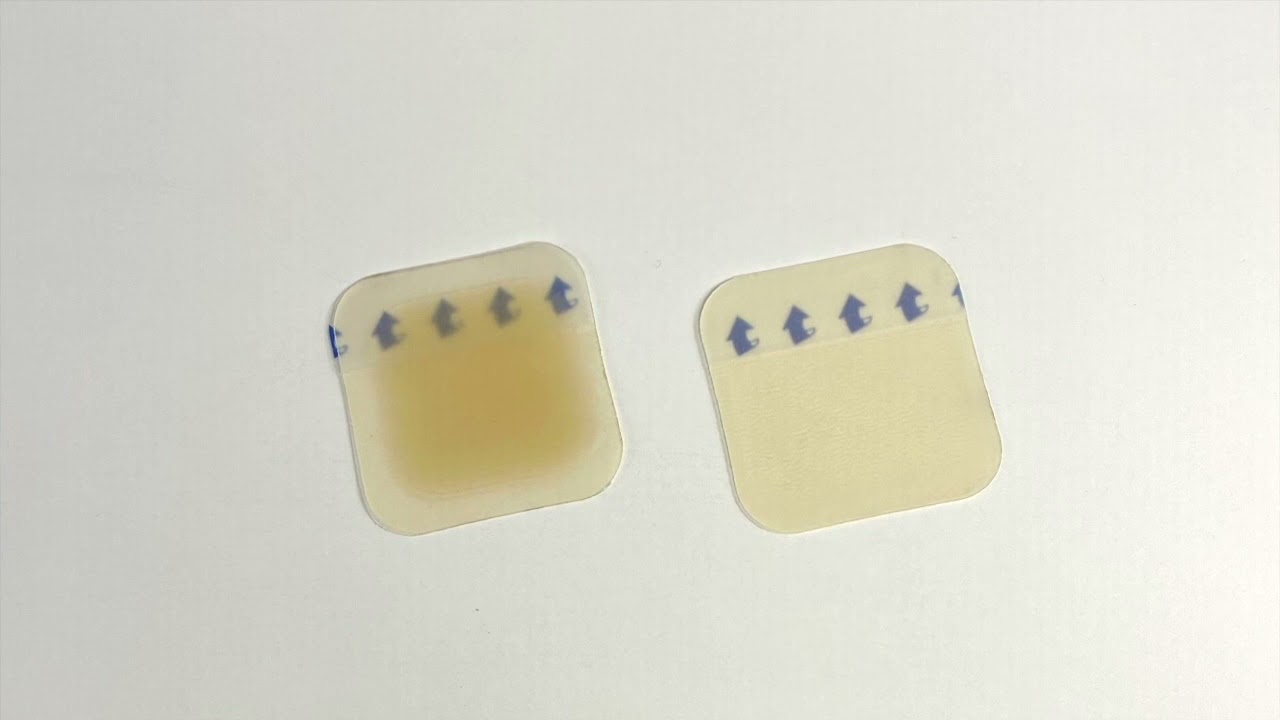
You might ask how foam dressing for wounds is different. Foam dressing is made from soft polyurethane. This makes a gentle layer that does not stick to weak skin. The dressing has a solid part and small air pockets. These parts give you padding and protect your skin. Foam dressing for wounds also keeps the wound warm. This helps the wound stay at a good temperature. The dressing bends, so you can use it on many body parts. It works on curved spots or joints. You get a dressing that soaks up fluid. It protects soft tissue and keeps the wound moist. This helps the wound heal better.
How Foam Dressings Work
Foam dressing for wounds soaks up extra fluid from the wound. The open cells let water vapor move out. This keeps the wound moist but not too wet. You can use foam dressing for wounds on wounds with little or lots of fluid. The dressing helps you heal faster. It keeps the wound moist and comfy. Many people say foam dressing hurts less than gauze.
Tip: You can keep foam dressing for wounds on for up to seven days. This saves time and means you change the dressing less often.
Here is how foam dressing for wounds helps you heal:
It soaks up fluid and keeps the wound moist.
It lets air and water vapor move through, so the wound can breathe.
It blocks bacteria and water, keeping the wound safe.
It helps your body clean the wound by itself.
It pads sore spots and helps stop infection, especially with antimicrobial agents.
Mechanism | Description |
|---|---|
Absorbency | Foam dressing for wounds soaks up fluid and keeps moisture. |
Permeability | It lets gases and water vapor move out, keeping the wound moist. |
Structure | The film backing stops water and bacteria from getting in. |
Studies show foam dressing for wounds can lower infection risk. For example, people with diabetes or leg ulcers saw infections go away after using foam dressing for wounds. Some had no infection after one week. Others got better over a few weeks. You can trust foam dressing to help protect your wound and help it heal.
Wound Care Applications
Suitable Wound Types
You want to make sure you choose the right foam dressing for your wound. Foam dressings work best when you have a wound that leaks fluid. You see them used for many types of wounds. The table below shows which wounds you can treat with foam dressings:
Wound Type | Description |
|---|---|
Venous leg ulcers | Moderate to heavy fluid |
Pressure ulcers | Moderate to heavy fluid |
Diabetic foot ulcers | Moderate to heavy fluid |
Surgical wounds | Need absorption and protection |
Traumatic wounds | Need absorption and protection |
Skin tears | Need absorption and protection |
If you have a venous leg ulcer, pressure ulcer, or diabetic foot ulcer, you need a dressing that can soak up fluid. Foam dressings help keep the wound moist and safe. You also use foam dressings for surgical wounds, skin tears, and injuries from accidents. These dressings protect the wound and help you heal faster. You get comfort and support for proper wound care.
Note: Foam dressings help you manage wounds that leak fluid. They also protect wounds from germs and keep the area clean.
When Not to Use Foam Dressings
You should not use foam dressings on wounds that are dry or have a scab. Foam dressings do not work well if your wound has very little fluid. If you see hard, dry tissue or a wound with no drainage, you need a different dressing. You also avoid foam dressings for wounds with deep tunnels or wounds that need packing. Foam dressings may not fit inside these wounds.
You want proper wound care for every situation. If you feel unsure about your wound, ask a healthcare professional. You get better results when you match the dressing to your wound type.
Types of Foam Dressing
You can pick from many foam dressings for wounds. Each kind has special features to help you heal. SLK Medical makes advanced silicone foam dressings. You can choose Silicone Foam Dressing with Border, Composite Type, or Non Adhesive Foam Dressing. These dressings use D-Pore™ technology. This helps soak up fluid and keeps wounds moist. D-Pore™ also lets your skin breathe and makes dressings soft.
Silicone Foam Dressings
Silicone foam dressings have a gentle silicone layer. This layer sticks softly to your skin. You can take off or change the dressing with less pain. These dressings are good for fragile skin. Studies show silicone foam dressings lower pressure ulcer risk. You see fewer pressure injuries on the sacrum and heel. Hospitals use these dressings for high-risk patients. They help stop new wounds.
Silicone foam dressings lower pressure ulcer rates from 6.3% to 4.0%.
They reduce pressure injuries in common spots.
You get better protection if your skin is weak.
Non-Adhesive Foam Dressings
Non-adhesive foam dressings do not stick to wounds. You can use them if your skin is sensitive. These dressings help you avoid pain when changing them. They keep wounds moist and soak up extra fluid. You protect new skin cells and avoid harm. Non-adhesive foam dressings work well for kids and older people.
You feel less pain when you change the dressing.
The dressing does not hurt new tissue.
You get good fluid control and moist healing.
These dressings are good for fragile skin.
Antimicrobial Foam Dressings
Antimicrobial foam dressings fight germs in wounds. Some have silver or other agents that stop bacteria. You use these dressings to lower infection risk. Studies show wounds with silver foam dressings heal faster. They also show fewer signs of infection.
Study | Dressing Type | Result |
|---|---|---|
Tong et al. (2022) | Silver silicone foam | |
Coutts et al. (2014) | Foam with gentian violet/methylene blue | Less bacteria, less pain, 57% smaller wound by week 4 |
Specialty Designs
Specialty foam dressings help with hard-to-treat wounds. These dressings use semipermeable polyurethane. This holds fluid and keeps wounds moist. You can find dressings with or without adhesive borders. Some have waterproof layers or extra bacteria barriers. You can cut them to fit tricky spots. These dressings cushion wounds and block germs.
The contact area does not stick or leave lint.
The outer layer keeps water and bacteria out.
You can use them for leg ulcers, surgical wounds, burns, and more.
Some work with negative pressure wound therapy or fit around tubes.
Note: SLK Medical’s D-Pore™ technology in foam dressings gives better absorption, breathability, and comfort. You get a dressing that helps healing and feels gentle on your skin.
Using Foam Dressings

Application Steps
You want to apply a foam dressing to your wound in a way that keeps it clean and helps it heal. Follow these steps to get the best results, especially when using SLK Medical’s silicone foam dressings for sensitive skin:
Wash your hands with soap and water. This removes germs and keeps your wound safe.
Put on clean gloves before you touch the wound or dressing.
Gently remove the old foam dressing. If it sticks, moisten it with saline to avoid hurting your skin.
Clean the wound with saline or a wound cleanser. This helps remove dirt and lowers bacteria.
Dry the skin around the wound with sterile gauze. Wet skin can cause problems like maceration.
Check your wound for redness, swelling, or signs of infection.
Choose the right foam dressing for your wound’s size and drainage level.
Remove the backing from the foam dressing. Try not to touch the part that will go on your wound.
Place the soft, absorbent side over the wound. Smooth the dressing from the center outward to remove air bubbles.
Make sure the foam dressing covers the wound completely and lies flat.
Tip: Gather all your supplies before you start. This helps you work quickly and keeps your wound safe.
Wear Time and Changes
You want to know how long you can keep a foam dressing on your wound. The answer depends on the type of wound and how much fluid it produces. Use the table below to guide you:
Type of Wound | Recommended Change Frequency |
|---|---|
Acute wounds | Daily or every other day |
Chronic wounds | Every 3–7 days if stable |
Infected wounds | Twice daily |
Inflammatory phase | Daily |
Proliferative phase | Every 2–3 days |
Maturation phase | Every 3–5 days |
Foam dressing | Lasts 3–7 days unless compromised |
SLK Medical’s foam dressing can last up to seven days if your wound is not infected and does not leak too much fluid. Always check your wound and dressing each day.
Signs for Replacement
You need to replace your foam dressing if you see certain changes in your wound or skin. Watch for these signs:
Warmth or redness around the wound
More fluid or a change in wound color
Bad odor coming from the wound
Skin irritation or inflammation
Whitening of the skin near the wound (maceration)
Extra tissue forming on the wound (hypergranulation)
If you notice any of these signs, change your foam dressing right away. If your wound looks worse or does not heal, talk to a healthcare professional. You get better results when you pay attention to your wound and use the right foam dressing.
Note: Using SLK Medical’s silicone foam dressings helps you protect sensitive skin and makes dressing changes easier.
Wound Healing Benefits
Advantages of Foam Dressings
You want the best results for wound healing. Foam dressings give you several important benefits that help your wound heal faster and more comfortably. When you use foam dressings, you create a moist environment around the wound. This moisture is key for wound healing because it helps new skin cells grow and keeps the wound from drying out.
Foam dressings also protect your wound from outside pressure and friction. You get a soft cushion that shields the wound from bumps or rubbing. This is especially helpful if your wound is on a part of your body that moves a lot or touches clothing. The cushion effect lowers pain and helps you feel more comfortable during healing.
You will notice that foam dressings soak up a lot of fluid. This high absorbency keeps the wound moist but not too wet. It prevents the wound from becoming soggy, which can slow down healing. Foam dressings work well for wounds that leak moderate to heavy amounts of fluid, such as leg ulcers or surgical wounds.
Here are some main advantages you get with foam dressings:
You keep the wound moist, which speeds up wound healing.
You protect the wound from trauma and pressure with a soft cushion.
You absorb extra fluid, so the wound does not get too wet.
You lower the risk of infection by blocking bacteria and keeping the wound clean.
You feel less pain during dressing changes because foam dressings do not stick to the wound.
You can use foam dressings with antimicrobial agents to fight germs and support healing.
Tip: Foam dressings help wounds heal faster than traditional gauze. They keep the wound moist, absorb fluid, and protect against pressure.
Compared to hydrocolloid and alginate dressings, foam dressings give you better cushioning and higher absorbency. You get more comfort and better wound healing, especially for wounds that need extra protection and moisture control.
SLK Medical Product Highlights
SLK Medical designs foam dressings that support wound healing at every stage. You get dressings with advanced features that make wound care easier and more effective. The Alexer Silicone Foam Dressing uses 3DFit™ and D-Pore™ technology to help your wound heal faster and with less pain.
You will see several strengths in SLK Medical’s foam dressings:
High absorbency: The dressing soaks up large amounts of fluid, keeping the wound moist and speeding up healing.
Gentle silicone layers: The silicone contact layer feels soft on your skin. You can remove the dressing with very little pain, which helps protect sensitive skin.
Suitability for sensitive skin: The dressings work well for people with fragile or delicate skin. You avoid irritation and support healthy wound healing.
Fewer dressing changes: The high absorbency means you do not need to change the dressing as often. This saves you time and lowers the cost of wound care.
Waterproof and bacteria barrier: The outer layer keeps water and germs out, so your wound stays clean and safe during healing.
You can see the clinical results in the table below:
Outcome Measure | Alexer Silicone Foam Dressing (with 3DFit™ Technology) | Standard of Care (SoC) | What This Means for You |
|---|---|---|---|
Number of Products Used (4 weeks) | 5.6 (SD=2.5) | 10.6 (SD=5.6) | Fewer changes, less hassle |
Wound Area Reduction | 41.3% reduction over median 26 days | N/A | Faster wound healing |
Pain During Dressing Removal | Average <10 on VAS scale | N/A | Very mild pain, more comfort |
Safety | No adverse events reported | N/A | Safe for your wound and skin |
Cost | Significantly lower than SoC | Higher | Saves you money |
SLK Medical’s foam dressings help you reach your wound healing goals. You get a moist environment, high absorbency, and gentle care for sensitive skin. The dressings support faster healing and make wound care less stressful. You can trust SLK Medical to give you reliable products that improve your healing journey.
Note: When you choose SLK Medical’s foam dressings, you choose better comfort, fewer dressing changes, and a safer healing process for your wound.
Choosing the Right Foam Dressing
Key Factors
You want to choose the best foam dressing for your wound. Picking the right one helps your wound heal faster and keeps your skin safe. Different wounds need different dressings. You should look at several factors before you decide. The table below shows what you need to think about:
Factors to consider | What to look for in the dressing |
|---|---|
Exudate level | Pick a dressing that can absorb the amount of fluid your wound makes. |
Condition of the wound and skin | Use non-adhesive or silicone dressings if your skin is fragile or sensitive. |
Wound depth | For deep wounds, you may need a dressing that fills the space, like alginate or gelling fiber. |
Location on the body | Choose a dressing that fits the wound’s shape and stays in place on moving areas. |
Wound infection or pain | Use antimicrobial foam dressings if your wound shows signs of infection or causes pain. |
Wear time | Think about how often you want to change the dressing and how easy it is to use. |
SLK Medical offers many options for your wound. You can use the Silicone Foam Dressing with Border for wounds that leak a lot. The Non Adhesive Foam Dressing works well for wounds on sensitive skin. If your wound is at risk of infection, the Silicone Foam Ag Dressing with Border gives extra protection.
When to Seek Advice
Sometimes you need help from a healthcare professional. If your wound is deep, very large, or does not heal, you should ask for advice. You should also get help if you see signs of infection, like redness, swelling, or a bad smell. If you feel pain that does not go away, talk to your doctor or nurse.
When you care for your wound at home, follow these steps:
Wash your hands with soap and water. Dry them well.
Make sure the absorbent pad is bigger than your wound by at least 1cm.
Open the package and put on gloves.
Remove the old dressing if you have one.
Keep the skin around your wound free from creams or lotions.
Clean your wound with water or a special solution.
Dry the skin around your wound.
Place the dressing over the center of your wound.
Do not stretch the dressing. Make sure it fits well, even on joints.
If you use a non-adhesive dressing, secure it as your healthcare provider suggests.
Tip: Always check your wound every day. If you see changes or feel worried, contact a healthcare professional.
You play a key role in wound care. Foam dressings help you manage wound care by keeping the wound moist, blocking bacteria, and reducing pain. You see faster healing and fewer dressing changes. High-quality foam dressings from SLK Medical improve wound care comfort and healing rates. You can use foam dressings at home for wound care. You should match the dressing to your wound and follow wound care best practices. You help prevent infections and support wound care success. You can train yourself and your family in wound care. You see new trends in wound care, such as smart dressings and antimicrobial agents. You make wound care easier and safer. You give yourself better healing and comfort with modern wound care solutions.
Trend Description | Details |
|---|---|
Antimicrobial and Bioactive Dressings | These dressings speed up wound healing and improve wound care. |
Home Healthcare Growth | You see more foam dressings used for wound care at home. |
Technological Advancements | New materials help you manage wound care and prevent infection. |
Tip: You should always check your wound and ask a professional for wound care advice if you feel unsure.
FAQ
How do you know when to change your foam dressing?
You should check your dressing daily. If you see leaking, odor, or the dressing looks dirty, change it. If your wound hurts more or looks red, replace the dressing.
Can you shower with a foam dressing on?
Most foam dressings from SLK Medical have a waterproof layer. You can shower with them on. Make sure the edges stay sealed to keep water out.
Do foam dressings hurt when you remove them?
Foam dressings with silicone, like those from SLK Medical, feel gentle. You can remove them with little pain. They do not stick to your wound or skin.
Are foam dressings safe for sensitive skin?
Yes, silicone foam dressings work well for sensitive skin. They protect fragile areas and help prevent irritation. You get comfort and less risk of skin damage.


