


A silicone foam wound dressing protects your wound. It helps your wound heal faster. The dressing is soft and waterproof. It keeps germs out and stops your skin from getting too wet. SLK Medical makes new products for wound care. The D-Pore™ technology soaks up fluid well. It keeps your skin feeling good, even if your skin is sensitive. Studies show silicone foam dressings lower pressure injuries. They also help stop dermatitis. You get good wound care every time you use it. Changing the dressing is easier and feels better.
You want to feel comfortable and heal quickly. SLK Medical has answers for sensitive skin and wounds that last a long time.
Key Takeaways
Silicone foam wound dressings cover wounds and help them heal faster. They keep wounds moist and stop germs from getting in.
D-Pore™ technology helps soak up fluids and lets air move through. This makes these dressings good for sensitive skin and wounds that last a long time.
These dressings are simple to put on and take off. They cause less pain and hurt less when you change them.
SLK Medical has many types of dressings. Some have silver to help stop infections.
You should always ask a healthcare provider for help picking and using dressings. This is very important for wounds that are hard to heal or last a long time.
What Is a Silicone Foam Wound Dressing?
Key Features and Materials
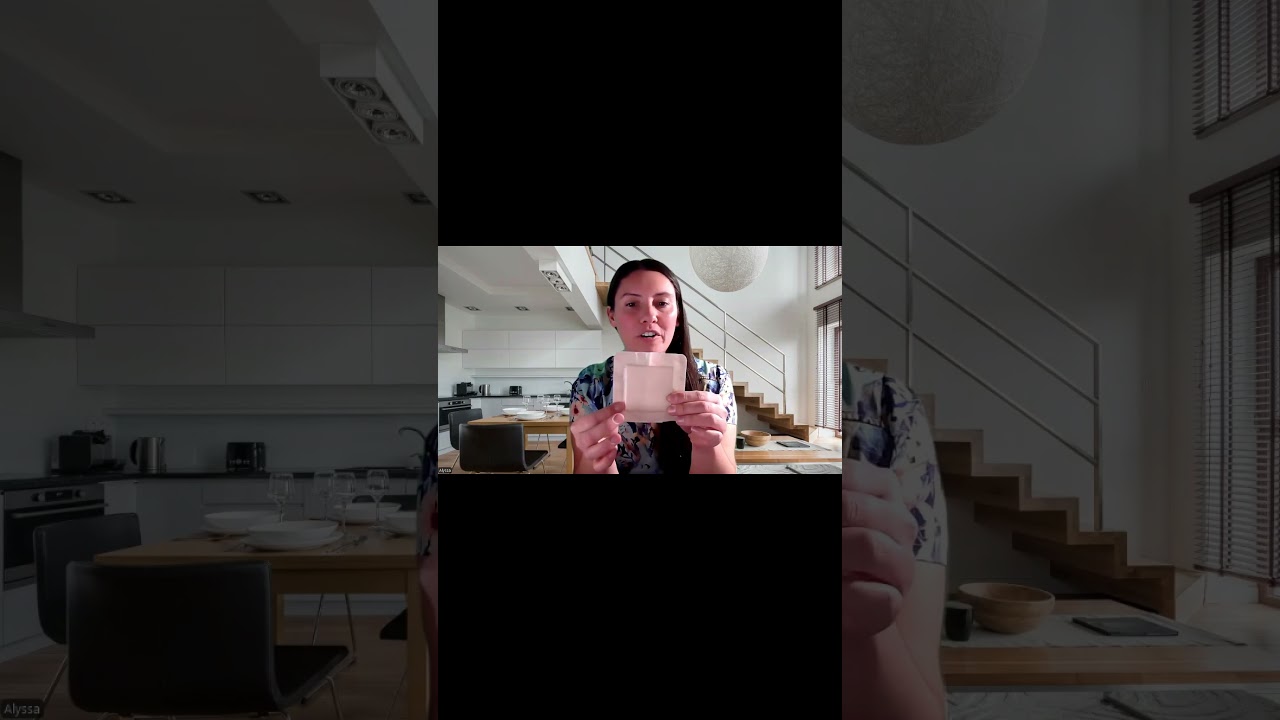
A silicone foam wound dressing is gentle and works well for wounds. It feels soft and bends easily. The main part is made from expanded silicone rubber. This material is safe for your skin. It is strong and gentle, so it is good for people with sensitive skin.
You get many good things from this dressing:
It does not hurt when you take it off.
It handles wound fluid well.
It lets your skin breathe.
It keeps out germs.
It helps your wound stay moist to heal.
The surface does not stick, so it feels nice. The soft padding protects your wound from bumps. Air can move through the dressing, which helps your wound heal.
Tip: If your skin is sensitive, this dressing can help you avoid pain and skin problems when you change it.
How It Works
You use a silicone foam wound dressing for wounds that need more care. The foam part soaks up fluid from the wound. This stops the wound from being too wet or too dry. The silicone part does not stick to the wound. You can take off the dressing without hurting your skin.
The dressing works in a few ways:
The foam pulls in and holds the fluid, so the wound stays clean.
The silicone layer keeps the dressing from sticking, so changing it hurts less.
Tiny holes in the layer help move fluid away, so healthy skin does not get too wet.
Your wound stays clean and safe, so it heals faster. The silicone foam wound dressing keeps germs away and helps your skin get better.
SLK Medical Silicone Foam Dressings: Product Overview
D-Pore™ Technology and Innovation
You want a dressing that helps you heal fast. It should also feel comfortable on your skin. SLK Medical uses D-Pore™ technology in its silicone foam border dressing. This technology makes tiny holes in the foam. The holes soak up fluid and let air pass through. Your wound stays moist but not too wet. The foam border dressing keeps germs and rubbing away from your skin.
Studies show this dressing with D-Pore™ technology lowers pressure ulcers. Nurses and doctors say it is easy to use and works well. Patients who need extra care, like those with breathing masks, get better protection from pressure and rubbing.
Evidence Type | Description |
|---|---|
Reduction in MDRPU Incidence | The study shows fewer medical device-related pressure ulcers (MDRPUs) on the head after using silicone foam dressings. |
Positive Feedback | Nurses and doctors gave good feedback about how easy and helpful the dressings are. |
High-Risk Scenarios | The dressings help with pressure, rubbing, and pulling, especially for patients using breathing machines or in risky situations. |
SLK Medical foam border dressing meets high safety rules. These products have FDA approval and ISO certifications.
Certification | Description |
|---|---|
FDA Approval | Shows the dressing is safe for wounds and meets quality rules. |
ISO 10993 | Checks if the dressing is safe for your skin. |
ISO 11607 | Makes sure the packaging and cleaning are done right. |
Product Range and Options
SLK Medical has many choices for wound care. You can pick a foam border dressing in skin color or pink. These dressings work for surgery wounds, ulcers, burns, and diabetic wounds. You can use a silicone bordered dressing with or without a border. The composite foam border dressing is extra soft and fits tricky spots. If you need more protection, try the Ag dressing with silver. Silver helps fight germs and lowers infection risk.
Here are the main product lines:
Silicone foam border dressing with border (skin color, pink color)
Silicone foam dressing composite type
Silicone foam Ag dressing with border
Silicone foam Ag dressing without border
SLK Medical is different from other brands. Brands like 3M, Coloplast, and Smith & Nephew are big, but SLK Medical brings new ideas and helps people with sensitive skin and wounds that last a long time.
Brand | Market Share | Notes |
|---|---|---|
3M | 12% | A big brand with many products and lots of research. |
Coloplast A/S | 10% | Strong in the market and likes to make new things. |
Smith & Nephew | 9% | Well-known and sells products all over the world. |
SLK Medical | N/A | A regional brand that helps the market grow. |
Other Players | 40% | Includes new and local brands like WONBIOGEN, Wego, and others. |
New silicone foam border dressing technology helps you heal better. Smart dressings can:
Watch your wound all the time
Tell you or your nurse if there is too much water or an infection
Give medicine when you need it
SLK Medical foam border dressing is gentle for sensitive skin. You get strong protection, easy use, and better healing.
Applications of Silicone Foam Wound Dressings
Clinical and Home Use Cases
You can use a silicone foam wound dressing in many places. Hospitals, clinics, and homes all use this dressing. Nurses and doctors pick it for gentle care. You might need it after surgery or for burns. It also helps with ulcers that heal slowly. People with diabetes often need special wound care. This dressing helps keep diabetic wounds clean.
Here are some times you might use this dressing:
After surgery, you want to cover the wound. The dressing keeps out germs and helps healing.
If you have pressure ulcers, the dressing cushions your skin. It spreads out pressure and helps stop new ulcers.
For burns or skin injuries, the dressing does not stick. You feel less pain when you change it.
People with chronic wounds need dressings that handle lots of fluid. This dressing soaks up extra fluid and keeps the wound moist.
At home, you can use this dressing for cuts or scrapes. It is easy to put on and take off.
This dressing fits many parts of wound care. It works for short-term and long-term wounds. If your skin is sensitive, you will feel less pain and damage when changing the dressing.
Note: Always ask your healthcare provider before using a new dressing at home, especially for wounds that last a long time.
The table below shows when you might use a silicone foam wound dressing:
Clinical Scenario | Description |
|---|---|
Chronic Wound Management | Good for diabetic foot ulcers and venous leg ulcers. It helps new tissue grow and healing is faster. |
Post-Surgical Incisions | Protects from infection and helps scars heal better. It covers tricky spots well. |
Burns and Skin Injuries | Does not stick, so pain is less. It handles fluid and helps healing. |
Pressure Ulcers Prevention and Treatment | Cushions skin, spreads out pressure, and keeps skin moist. |
Management of Exudative Wounds | Soaks up extra fluid and keeps the wound moist. It helps stop infection and helps healing. |
Wound Types Treated
You can treat many wounds with this dressing. It works for pressure ulcers, venous ulcers, diabetic foot ulcers, and burns. Chronic wounds need more care because they heal slowly. This dressing helps by keeping wounds moist and safe.
The dressing is very helpful for:
Pressure ulcers: You have less risk of new ulcers. The dressing lowers pressure and protects your skin.
Venous ulcers: The dressing soaks up fluid and controls smell. You feel less pain and see fewer infections.
Diabetic foot ulcers: The dressing with silver helps wounds heal faster. It makes the ulcer smaller and soaks up fluid.
Here is a table that shows which wounds do best with this dressing:
Wound Type | Evidence |
|---|---|
Pressure Ulcers | Fewer new ulcers form with silicone foam dressings than with other care. |
Venous Leg Ulcers (VLUs) | Silver foam dressings help with smell, pain, and infection. |
Diabetic Foot Ulcers (DFUs) | Silver foam dressings help ulcers get smaller and soak up fluid. |
This dressing is a strong choice for chronic wounds. It helps wounds heal and makes care easier. If your skin is sensitive, you will feel less pain and less harm when you change the dressing.
The table below compares silicone foam dressings to other types. You can see why many people pick this dressing for chronic wounds and sensitive skin:
Feature | Silicone Foam Dressings | Other Dressing Types |
|---|---|---|
Adhesion | Gentle | Changes |
Absorption | Strong | Not always |
Pain during changes | Less | More |
Trauma risk | Lower | Higher |
Cushioning effect | Yes | No |
Moist environment | Yes | Not always |
You get gentle sticking and strong soaking. The dressing keeps the wound moist and safe. You feel less pain and heal better. This makes it a great choice for wound care, especially for chronic wounds and sensitive skin.
Benefits of SLK Medical Foam Border Dressings
Protection and Comfort
You want your wound to stay safe and feel comfortable. SLK Medical foam border dressing gives you strong protection. The absorbent foam core cushions your wound and shields it from bumps. The silicone layer sticks gently to your skin. You do not feel pain when you change the dressing. The foam border dressing keeps your wound covered and blocks germs. You get comfort every day.
The foam layer protects your wound from pressure.
The silicone layer makes dressing changes easy.
The dressing keeps your skin safe from friction.
You can see how these features help you:
Evidence Type | Description |
|---|---|
Absorbency | Clinical studies show foam border dressing absorbs fluid well and leaks less than other types. |
Gentle Adhesion | Silicone foam border dressing sticks softly, so you feel less pain during changes. |
Patient Comfort | Soft contact layers help you avoid discomfort and injury, especially if your skin is sensitive. |
You get patient comfort and strong protection with every use.
Moisture Management and Healing
You need a moist wound healing environment for fast recovery. SLK Medical foam border dressing keeps your wound moist but not too wet. The absorbent foam core pulls in fluid and holds it. The silicone layer lets air move through, so your wound can breathe. You get high absorption and better exudate management.
The foam border dressing helps you heal faster. It keeps the wound moist, which helps new skin grow. Studies show that moisture management is important for healing. The foam border dressing supports moist wound healing and helps chronic wounds recover.
The dressing keeps your wound in a moist wound healing environment. You get less dryness and less risk of skin damage. The foam border dressing helps you manage exudate and keeps your wound clean.
Tip: If you have chronic wounds, using a foam border dressing can help you heal faster and feel more comfortable.
Infection Prevention and Antimicrobial Options
You want to keep your wound safe from infection. SLK Medical foam border dressing blocks germs and keeps your wound clean. If you need extra protection, you can use the Ag (silver) foam border dressing. Silver fights bacteria and lowers infection risk.
A large study showed that silver dressings reduce surgical site infections by 40% compared to dressings without silver. The foam border dressing with silver gives you strong infection prevention. You get a moist wound healing environment and better wound care.
The foam border dressing helps you avoid infections and keeps your wound safe. You can use the Ag dressing for wounds that need more protection.
Reduced Pain and Trauma
You want less pain and less trauma when you change your dressing. SLK Medical foam border dressing uses silicone to stick softly to your skin. The dressing does not pull or hurt when you remove it. The absorbent foam core keeps your wound moist, so your skin does not dry out.
Here is how foam border dressing compares to traditional dressings:
Feature | Silicone Foam Dressings | Traditional Dressings |
|---|---|---|
Pain Reduction | Yes | No |
Trauma During Changes | Minimal | High |
Moisture Retention | High | Low |
Patient Comfort | Improved | Standard |
You get less pain and less damage to your skin. The foam border dressing helps you heal in a moist wound healing environment. You feel more comfortable and safe during wound management.
Note: If you have sensitive skin or chronic wounds, foam border dressing can make wound care easier and less painful.
You get high absorbency, gentle adhesion, and extended wear time with SLK Medical foam border dressing. The silicone foam wound dressing helps you manage wounds, heal faster, and stay comfortable. You can trust the foam border dressing for strong protection, moisture management, infection prevention, and less pain.
Silicone Bordered Dressing vs. Other Wound Dressings
Silicone Foam vs. Traditional Gauze
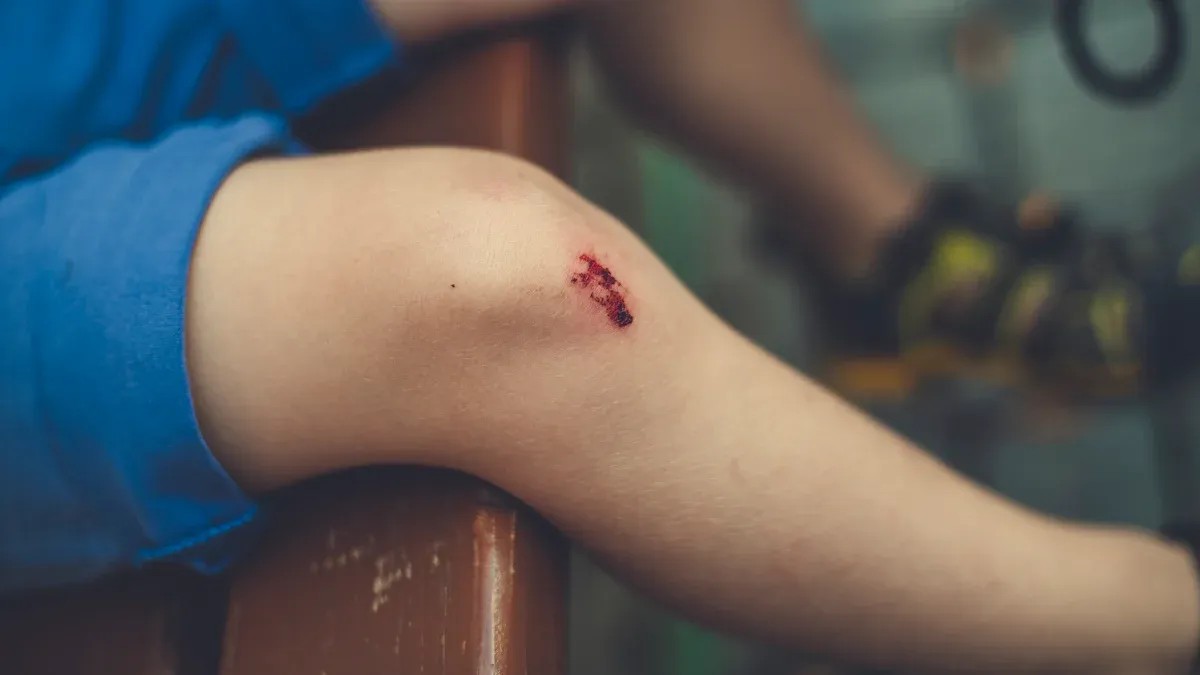
You want your wound to heal well. Silicone bordered dressings and gauze are very different. Silicone bordered dressings use soft silicone that sticks gently. Gauze can stick to your wound and hurt when you take it off. Silicone bordered dressings help you feel less pain. The silicone layer lets you change the dressing without hurting your skin.
Silicone bordered dressings soak up more fluid. They keep the fluid inside and do not leak. Gauze does not hold much fluid, so you must change it often. You can wear a silicone bordered dressing for many days. Gauze usually needs to be changed every day. This saves you time and worry about your wound.
Here is a table that shows the differences:
Feature | Silicone Foam Dressings | Traditional Gauze Dressings |
|---|---|---|
Pain Management | Promotes pain-free healing with gentle adhesion | Can stick to the wound, causing pain |
Exudate Management | High absorbency, locks fluid, reduces leakage | Limited absorbency, requires frequent changes |
Skin Protection | Minimizes skin stripping and irritation | Aggressive adhesives can damage fragile skin |
Dressing Change Frequency | Can be worn for several days | Often needs daily changes |
Overall Healing Outcomes | Faster healing, reduced scarring | Increased risk of infection and delayed healing |
Silicone bordered dressings help you heal faster and feel better.
Silicone Foam vs. Hydrocolloid and Other Advanced Types
You might wonder how silicone bordered dressings compare to hydrocolloid dressings. Silicone bordered dressings have a soft silicone layer that does not stick to wounds. Hydrocolloid dressings can stick and hurt when you take them off. The silicone layer protects your skin and lowers the chance of damage.
Silicone bordered dressings soak up more fluid than many hydrocolloid dressings. This keeps your wound moist but not too wet. You have less chance of leaks and skin problems. Silicone bordered dressings are easy to use and work for many wounds. You can use them for burns, ulcers, and surgery wounds.
Tip: If your skin is sensitive or your wound needs gentle care, silicone bordered dressings give you comfort and strong protection.
You can trust silicone bordered dressings to help your wound heal faster and with less pain.
Best Practices for Using Silicone Foam Wound Dressings
Application Steps
You want to make sure your wound care routine gives you the best comfort and healing. Follow these steps for proper application and removal of a silicone foam dressing:
Gather all supplies. You need sterile gloves, saline or wound cleaning solution, medical adhesive remover, and a disposal bag.
Wash your hands and clean the work area. Put on disposable gloves to keep everything sterile.
Look at your wound. Check for signs of infection and see how much fluid the dressing has absorbed.
Moisten the edges of the dressing with saline. This helps loosen the silicone and makes removal easier.
Lift one corner of the dressing gently. Hold the skin down and peel the dressing away slowly to avoid pain.
Clean the wound right after you remove the dressing. Use a gentle saline solution and avoid scrubbing.
Dry the area and apply a new silicone foam dressing using the same careful steps.
Tip: Always use gentle pressure and avoid pulling the dressing off quickly. This keeps your skin safe and gives you more comfort.
Tips for Optimal Results
You can improve your comfort and healing by following these tips:
Choose the right dressing for your wound type. If your wound is dry or has dead tissue, use a hydrogel instead of foam.
Make sure the dressing fits well and covers the wound completely.
Use antimicrobial silicone dressings if you see signs of infection.
Change the dressing before it leaks or loses its shape.
Troubleshooting and Care
Sometimes you may notice problems with your dressing. Here are ways to fix common issues:
If the dressing leaks, check the wound for too much fluid. You may need to change the dressing more often.
If the dressing does not stick, make sure the skin is clean and dry before application.
If you see redness or pain, talk to your healthcare provider. You may need a different dressing for better comfort.
Problem | Solution |
|---|---|
Leaking | Change dressing sooner |
Poor adhesion | Clean and dry skin before use |
Discomfort | Try a different silicone product |
When to Change Dressings
You should change your silicone foam dressing every 3 to 7 days. The exact time depends on your wound, the amount of fluid, and your provider’s advice. Always follow the instructions from your healthcare professional and the manufacturer. If you see signs of infection, more pain, or heavy leaking, change the dressing right away.
Note: Regular dressing changes help you stay comfortable and keep your wound safe.
You can count on SLK Medical silicone foam dressings for many wounds. These dressings help your wound stay moist. They protect your wound from germs. They also feel soft and nice on your skin. You heal faster and your wound gets better results. Look at the benefits below:
Keeps your wound moist to help it heal
Protects your wound from harm and germs
Makes taking off the dressing easy and flexible
Benefit | How It Helps You |
|---|---|
Lowers infection risk | Helps your body fight germs |
Soaks up wound fluid | Stops your skin from getting hurt |
If your wound is hard to treat, follow the best steps. Always ask a healthcare professional for help. Check out all of SLK Medical’s wound care products to find what you need.
FAQ
How long can you wear a silicone foam dressing?
You can wear most SLK Medical silicone foam dressings for 3 to 7 days. The exact time depends on your wound and how much fluid it makes. Always check with your healthcare provider.
Can you shower with a silicone foam dressing?
Yes, you can shower with the dressing on. The waterproof film keeps water out. Pat the dressing dry after your shower.
What wounds work best with silicone foam dressings?
You can use these dressings for pressure ulcers, diabetic foot ulcers, burns, and surgical wounds. They work well for wounds that leak fluid.
Do silicone foam dressings hurt when you remove them?
No, you will feel less pain. The soft silicone layer does not stick to your wound. You can remove the dressing gently.
When should you call your healthcare provider?
Call your provider if you see redness, swelling, more pain, or pus. These signs may mean infection. Always ask for help if you feel unsure.


