


Wound dressing with silver stops bacteria. It helps wounds heal quicker. Infection control is very important in wound care. This is true for people with sensitive skin. Silver dressings cut the chance of infection by 40%. This is better than regular dressings. SLK Medical makes special dressings with silver. These help wounds heal well. Silver dressings protect skin. They help patients and doctors.
Silver dressings cut infection rates by 40% over regular dressings.
The lower infection rates are proven by science.
Key Takeaways
Silver dressings lower infection rates by 40%. This is better than regular dressings. They are a strong choice for wound care. These dressings let out silver ions. Silver ions attack bacteria. They break bacteria cell walls. This stops bacteria from growing. Silver dressings keep wounds wet. Wet wounds heal faster. Wet wounds help new skin cells grow. SLK Medical’s silver dressings are made for sensitive skin. They give gentle protection. They fight germs well. Always ask a healthcare provider for advice. They can help pick the right silver dressing. The choice depends on the wound and healing needs.
How Wound Dressings with Silver Work
Antimicrobial Action of Silver
Silver dressings help stop infections. They keep skin safe from bad bacteria. Silver releases silver ions into the wound. These ions attack bacteria in different ways. They stick to proteins and DNA inside bacteria. This changes the bacteria and stops them from growing. Silver ions also break the cell walls and membranes. This kills the bacteria.
Silver dressings fight germs very well. They work even when wounds have lots of bacteria. Silver ions mix with proteins, peptides, and amino acids in the wound. They stick to groups like carboxylic acid, imidazole, sulfhydryls, and amines. This helps more silver come out of the dressing and work better.
Silver dressings are best for wounds with lots of bacteria or infection. They kill germs better than iodine dressings in these cases.
Key findings from scientific studies:
Silver ions stick to bacterial DNA and proteins and change how they work.
Silver ions break the cell walls and membranes of bacteria.
Silver dressings lower extracellular DNA in wounds with biofilm after three days.
Scanning electron microscopy shows fewer bacteria in wounds with silver dressings.
Silver dressings make a shield against bacteria. They help keep skin safe and lower infection risk. Silver dressings fight many types of germs. They help wounds that need extra protection from bacteria.
Support for Wound Healing
Silver dressings do more than fight germs. They help skin heal faster. Silver dressings keep the wound moist. Moisture helps new skin cells grow. It stops the wound from getting too dry or too wet.
Silver helps the skin make new tissue. Silver nanoparticles help the skin make more collagen. Collagen helps build new skin. Silver dressings also lower swelling. Less swelling means less pain and faster healing.
The table below shows how silver dressings compare to regular dressings:
Clinical Outcome | Silver-Based Dressings | Non-Silver Dressings |
|---|---|---|
Wound Healing Rate | Higher | Lower |
Complete Healing Time | Shorter | Longer |
Wound Infection Rate | Lower | Higher |
Wound Area Reduction | No significant effect | N/A |
Silver dressings keep wounds moist and clean. They protect weak skin and help it heal. Silver dressings are good for wounds that need strong germ-fighting and quick healing.
Silver dressings help patients and doctors get better results. They fight germs and help wounds heal. Wound dressing with silver is a safe and good way to treat wounds and protect skin.
Silver Dressings in Modern Wound Care
SLK Medical’s Silicone Foam Ag Dressings
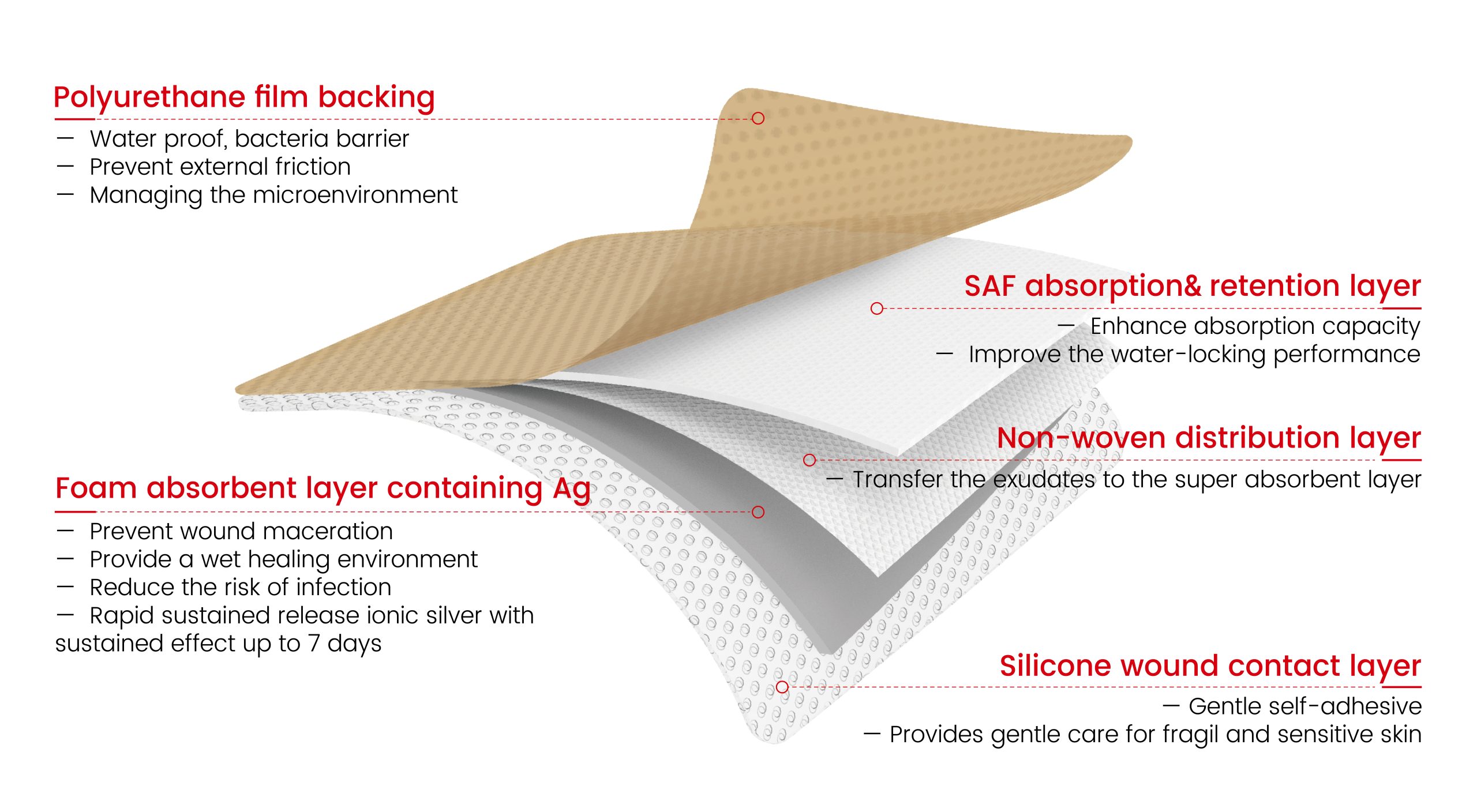
SLK Medical makes special silver dressings. These dressings protect skin and help it heal. Their Silicone Foam Ag Dressings have a soft silicone layer. This layer sticks gently to skin and does not hurt. The dressing is easy to put on and take off. This helps people with sensitive skin or wounds that need lots of care. The dressing sends silver ions into the wound. Silver ions fight many kinds of bacteria for up to 7 days. The foam soaks up extra fluid. It keeps the wound moist but not too wet. This helps skin heal faster and lowers infection risk.
The table below shows how SLK Medical’s Silicone Foam Ag Dressings compare to another well-known product:
Feature | SLK Medical’s Silicone Foam Ag Dressings | Mepilex Ag |
|---|---|---|
Soft silicone layer | Yes | Yes |
Broad spectrum | Broad spectrum | |
Duration of wear | Up to 7 days | Up to 7 days |
SLK Medical’s dressings are gentle and strong. They protect skin and fight germs. The waterproof backing keeps out dirt and bacteria. The foam controls wound fluid. These features make the dressings good for many wounds.
Types of Silver-Based Wound Dressings
There are many kinds of silver dressings for wounds. Each type uses silver in its own way. Some dressings use nanocrystalline silver. This type fights germs the best. Other dressings use silver alginate or silver collagen matrix. These can stop some bacteria but may not work well for people with weak immune systems. Silver sulphate dressings do not fight germs strongly because of their surface.
Some dressings, like Acticoat, fight germs very well. Others, like PolyMem Silver, do not work as well and may let some bacteria grow. New silver hydrogels can lower bacteria by up to 99% in one day.
The table below lists common types of silver-based wound dressings:
Product Type | Dressing Type |
|---|---|
Hydrofiber Silver Dressing | Fibrous gauze |
Nanocrystalline Silver Dressing | Film |
Silver Plated Nylon Fiber Dressing | Foam |
Silver Nitrate Dressing | Hydrogel |
Silver dressings come in foam, film, gauze, and hydrogel. Each type helps wounds in different ways. Picking the right silver dressing depends on the wound, fluid amount, and what the patient needs.
Antimicrobial Mechanisms of Wound Dressings Containing Silver
Disruption of Bacterial Cells
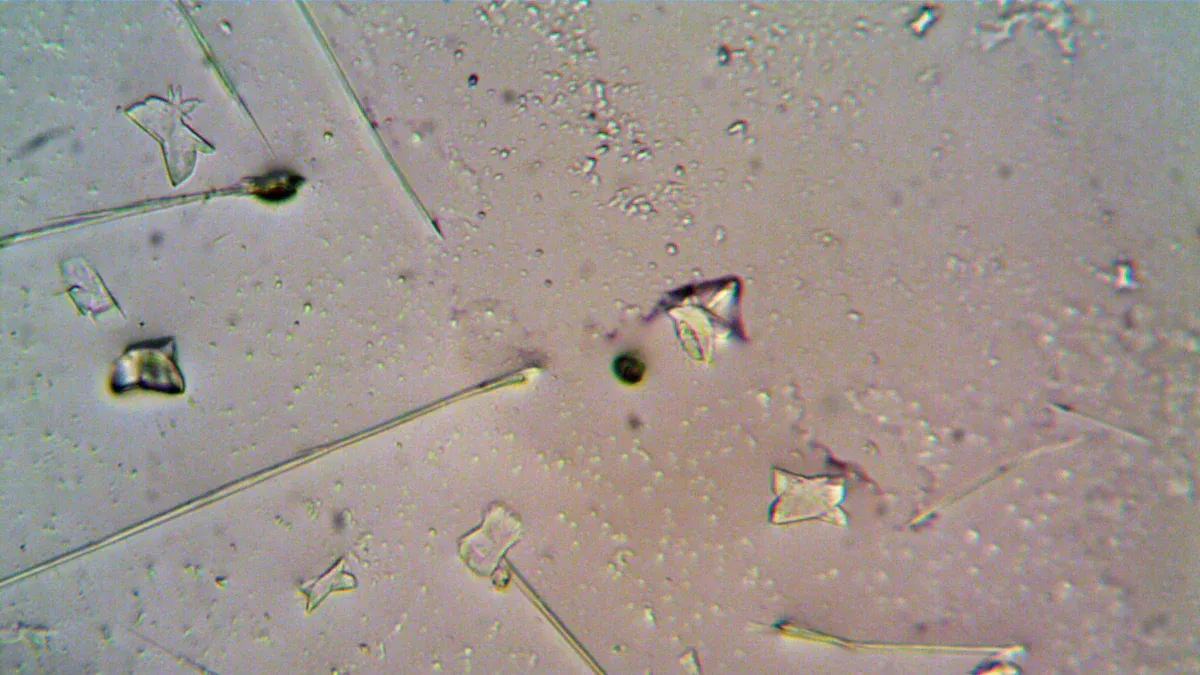
Silver dressings protect skin from bad bacteria. When silver dressings touch skin, they let out silver ions. These ions attack bacteria in many ways. They break the walls and membranes of bacteria. This makes bacteria lose their shape and die. Silver also stops important enzymes inside bacteria. Without these enzymes, bacteria cannot live.
Lab tests show silver dressings lower living cells in biofilms. In a 7-day test, scientists saw silver dressings weaken biofilm colonies. Silver also makes it harder for bacteria to stick to things. It breaks the glue that holds biofilms together. These actions make silver dressings good for fighting infection and keeping skin safe.
Silver dressings break bacteria walls.
They stop enzymes inside bacteria.
Silver makes bacteria stick less.
It weakens biofilm colonies.
Inhibition of Biofilm and Protein Synthesis
Silver dressings do more than kill single bacteria. They also stop bacteria from making biofilms. Biofilms are groups of bacteria that stick together and protect themselves. Silver nanoparticles in nanocrystalline silver dressings fight germs well. They stop bacteria like S. aureus and E. coli from making biofilms on skin.
The table below shows how silver nanoparticles help wounds:
Evidence | Description |
|---|---|
Antimicrobial Effects | Nanocrystalline silver dressings fight bacteria and biofilms. |
Healing Promotion | Silver nanoparticles help wounds heal faster. |
Colonization Reduction | Silver reduces the number of bacteria in wounds. |
Comparative Effectiveness | Nanocrystalline silver works better than other silver types. |
Silver nanoparticles also make reactive oxygen species. These molecules hurt bacteria membranes and stop protein making. Without new proteins, bacteria cannot grow or live. This makes silver dressings work better and keeps skin safe.
Silver dressings fight many germs and help wounds heal by stopping bacteria in many ways.
Healing Mechanisms of Silver-Based Wound Dressings
Reducing Inflammation
Silver dressings help wounds have less swelling. When skin gets hurt, the body sends cells to fight germs. Sometimes, this causes too much swelling in the area. Silver helps calm the skin and stops too many immune cells from coming. This keeps the wound from getting red and sore. Silver dressings also block bad bacteria. Fewer bacteria means less skin irritation. By lowering swelling, silver dressings help wounds heal faster and feel better.
Promoting Tissue Regeneration
Silver dressings do more than fight germs. They help skin grow back strong. Studies show silver nanoparticles help new skin cells form. These cells are called keratinocytes and fibroblasts. They are important for healing. Silver helps the body make more collagen. Collagen gives skin strength and shape. Silver also helps new blood vessels grow. Blood vessels bring oxygen and nutrients to the wound. Nanocrystalline silver dressings lower swelling. This makes it easier for skin to heal.
Silver nanoparticles help new skin cells form.
They help make collagen for strong skin.
Silver helps new blood vessels grow.
These dressings lower swelling for better healing.
Moisture Balance and Exudate Control
Keeping the right moisture helps wounds heal. Silver dressings control wound fluid called exudate. This keeps skin from getting too wet or too dry. The right balance helps new skin grow and keeps germs away. Some dressings, like foam or hydrocolloid, soak up extra fluid. They still let skin breathe. Ionic silver dressings lower germs in the wound. The table below shows how dressings help control moisture and fluid:
Evidence Description | Key Points |
|---|---|
Role of silver dressings in wound management | Silver dressings keep moisture balanced and control fluid. |
Need for complementary dressings | Some silver dressings need extra layers for best fluid control. |
Antiseptic properties | Ionic silver dressings help healing by managing fluid. |
Effectiveness of Contreet Foam | This dressing helps wounds heal and keeps moisture balanced. |
Silver hydrocolloids and hydrogels | These dressings handle wound fluid well. |
Silver dressings give skin a better chance to heal. They protect and help wounds close faster. These healing actions make silver dressings a good choice for many wounds.
Clinical Evidence and Effectiveness of Silver Dressings
Key Studies on Wound Healing
Scientists have looked at silver dressings for a long time. A big review of many studies showed silver helps wounds heal faster. People who used silver dressings had smaller wounds after four and six weeks. This was better than people who used regular dressings. Silver dressings also made changing bandages hurt less. They helped lower the amount of fluid coming from wounds. One study found a silver foam dressing helped wounds heal and made patients more comfortable. The table below lists some good and bad things about silver dressings:
Advantages | Disadvantages |
|---|---|
Provide a broad range of antimicrobial activity | May cause staining on the wound and skin (temporary) |
Reduce and prevent infection | May cause stinging or sensitization |
Alter metalloproteinases within wounds | N/A |
Effectiveness for Different Wound Types
Silver dressings help many kinds of wounds. For chronic wounds, they stop bacteria from growing. They also lower the chance of infection. The table below shows how silver dressings work for different wounds:
Wound Type | Silver Dressing Effectiveness | Notes |
|---|---|---|
Infected Non-Healing | Beneficial due to antimicrobial action, especially in chronic wounds. | Silver’s ability to kill bacteria is prioritized over potential cytotoxic damage. |
Well-Managed Healing | Detrimental due to potential cytotoxicity to fibroblasts and keratinocytes. | Silver toxicity can hinder the healing process in already healing wounds. |
Biofilm-Infected Wounds | Silver dressings with additives can be useful. | Important to consider the dressing’s conformability and silver distribution. |
Doctors pick silver dressings for wounds that heal slowly or have lots of germs. These dressings keep skin safe and help wounds close up faster.
SLK Medical Product Outcomes
SLK Medical’s silver dressings work well in real life. Studies from different places show these dressings help wounds heal faster. In Saudi Arabia, people with silver dressings healed quicker and had better results. In Hong Kong, special silver dressings made ulcers smaller and helped them heal. Some studies did not find extra help for some wounds, like venous leg ulcers. But most research says silver dressings work well for hard-to-heal wounds. SLK Medical’s products protect sensitive skin, control wound fluid, and lower infection risk. This makes them a good choice for many wounds, both old and new.
Safety and Risks of Wound Dressings Containing Silver
Local and Systemic Effects
Silver dressings help many wounds heal, but they can also cause some effects on the body. Most effects happen where the dressing touches the skin. Sometimes, silver can build up in the wound or the skin if used for a long time. This may lead to changes in skin color. Doctors call this argyria. The color change usually goes away after stopping the dressing.
Silver can also enter the blood and urine. The risk of too much silver in the body stays low, but it can happen. Some people may notice higher silver levels if they use silver dressings for a long time. Silver can slow down the growth of new skin cells. It may also affect cells that help wounds heal, like keratinocytes and fibroblasts. The type of dressing and the condition of the skin can change how much silver gets absorbed.
Here is a table that shows the main effects:
Effect Type | Description |
|---|---|
Local Effects | Prolonged use may lead to local absorption of silver, with possible buildup in lesions and skin. |
Systemic Effects | Elevated silver levels in blood and urine, with a low risk of systemic toxicity. |
Cytotoxicity | Silver ions can slow the growth of skin cells, especially with long use. |
Skin Pigmentation | High silver buildup may cause skin discoloration or argyria, often self-limiting. |
Absorption Variability | Blood silver levels change based on dressing type and skin condition. |
Silver dressings work well for wounds, but doctors must watch for these effects. They should check the skin often, especially if the dressing stays on for many days or if the patient uses negative-pressure wound therapy.
Guidelines for Safe Use
Doctors and nurses follow safety rules when using silver dressings. They use these dressings only when needed. Here are some important tips:
Start silver dressings if the wound shows signs of infection or has many germs.
Do not use silver dressings for a long time unless the wound is at high risk or the patient needs it for better quality of life.
Check the wound often to see if silver dressings are still needed.
Stop using silver dressings if the wound gets better or if there are no signs of infection.
Choose the right type of dressing for the wound and the skin.
Silver dressings should not be used on healthy wounds for a long time. Regular checks help keep the skin safe. Doctors may use silver dressings with other treatments, like negative-pressure wound therapy, for hard-to-heal wounds.
Tip: Always ask a healthcare provider before starting or stopping silver dressings.
Comparing Silver Dressings to Alternatives
Non-Silver Dressings
Non-silver dressings play an important role in wound care. These dressings help protect the skin and keep wounds clean. Many types of non-silver dressings exist, such as hydrocolloid, foam, and alginate dressings. Some of these dressings work well for wounds that do not show signs of infection. They help keep the skin moist and support healing.
Researchers have compared silver dressings to non-silver options. Their findings include:
Silver dressings, like Silver Sulfadiazine (SSD), are often used to control infection in burns.
Some non-silver dressings may prevent infection better than SSD.
Newer dressings, with or without silver, can improve healing rates compared to SSD.
More studies are needed to compare SSD with the latest dressings.
Non-silver dressings may suit wounds that heal well and do not need extra protection from bacteria. These dressings can also help people with sensitive skin or those who react to silver.
When to Choose Silver-Based Options
Choosing the right dressing depends on the wound and the needs of the skin. Silver dressings offer strong protection against bacteria. They work well for wounds at high risk of infection or wounds that heal slowly, such as chronic wounds. Silver dressings also help manage wounds with a lot of fluid and protect fragile skin.
Several factors guide the choice between silver dressings and non-silver options:
Factor | Description |
|---|---|
The material of the dressing can affect how the skin heals. | |
Delivery kinetics of silver | The way silver reaches the wound matters for how well it works. |
Needs of the wound | The wound’s condition and stage help decide the best dressing. |
Doctors often pick silver dressings for wounds with signs of infection or when the skin needs extra defense. They may use non-silver dressings for wounds that show steady healing and have healthy skin around them.
Tip: Always check with a healthcare provider to find the best dressing for each wound and skin type.
Practical Use of Silver Dressings from SLK Medical
Application and Removal Tips
SLK Medical makes silver dressings that are easy to use. Always wash your hands before you touch the wound or dressing. Clean the skin around the wound with gentle soap and water. Dry the area by patting it softly. Put the silver dressing right on the wound so it covers all sides. The soft silicone layer sticks to skin gently and does not hurt. To take off the dressing, lift one corner and peel it off slowly. This helps protect weak skin and makes it less painful. If the dressing is hard to remove, wet it with sterile saline to loosen it. Throw away used silver dressings in a closed bag.
Monitoring Wound Progress
Check the wound often to see how it heals. Look at the wound every time you change the silver dressing. Healthy skin near the wound looks pink and smooth. The wound should get smaller and have less fluid as days pass. If you see redness, swelling, or itching, write it down. Silver dressings work best when the wound is moist but not too wet. Keep track of changes in size, color, or smell. Share these notes with your healthcare provider at visits.
When to Consult a Professional
Some signs mean you should ask a healthcare provider for help. Watch for these warning signs:
Bad allergic reactions like lots of redness, big swelling, strong itching, rash that spreads, or trouble breathing.
Signs of infection like more redness, warmth, swelling, pus, or a bad smell.
If the wound does not get better after using silver dressings for a few days, talk to a professional. People with sensitive skin might need extra care. Healthcare providers can help pick the best silver dressing for each wound and skin type.
Tip: SLK Medical silver dressings give comfort and protect sensitive skin. Always follow the instructions and ask for help if you notice problems.
Silver dressings protect skin and help wounds heal. Silver attacks bacteria, blocks their growth, and keeps skin safe. Silver dressings lower swelling and help new skin form. They keep wounds moist and control fluid. SLK Medical offers silver dressings that work for many wound types. To choose the best silver dressing, check the wound, skin, and patient needs. No single dressing fits every wound, so pick one that matches the skin and healing stage.
New silver dressings may use smart sensors and nanotechnology to help skin heal faster and make wound care easier.
Silver dressings fight infection and support healing.
Silver keeps skin healthy and helps wounds close.
SLK Medical leads with advanced silver dressings for better skin care.
FAQ
What makes silver dressings different from regular dressings?
Silver dressings have silver ions that fight germs. Regular dressings do not have this power. Silver dressings help stop infections and heal wounds faster. Doctors pick silver dressings for wounds needing extra care.
How long can someone wear silver dressings?
Most silver dressings stay on for up to 7 days. The time depends on the wound and dressing type. Always listen to your healthcare provider about changing dressings.
Are silver dressings safe for sensitive skin?
SLK Medical silver dressings have a soft silicone layer. This layer keeps sensitive skin safe and makes removal easy. Many people with weak skin use silver dressings without trouble.
When should someone use silver dressings?
Doctors use silver dressings for wounds with high infection risk. These dressings work well for burns, ulcers, and surgery wounds. Silver dressings help when wounds heal slowly or have lots of germs.
Can silver dressings be used at home?
Many people use silver dressings at home with help from a healthcare provider. Always clean the wound and follow the instructions. If the wound does not get better, ask for medical help.
Tip: Always talk to a healthcare provider before starting or stopping silver dressings.


