


You might feel frustrated when a wound refuses to heal, becomes itchy, or leaves a scar. You are not alone—about 38.3% of wounds become chronic, and over 22% do not heal within the expected time. Many factors like diabetes, infection, or poor nutrition can slow down your healing. Often, the real problem is a lack of moisture balance at the wound site. Using the right product, such as a silicone foam dressing, can help your skin recover more effectively.
Key Takeaways
Moisture balance is crucial for wound healing. Using dressings that keep wounds moist can speed up recovery and reduce pain.
Silicone foam dressings provide gentle adhesion and high absorption. They protect wounds while allowing oxygen to reach them, promoting faster healing.
Choose the right dressing based on your wound type. Consider factors like fluid production and healing stage to select the best option.
Change dressings every 3 to 7 days, or more often if the wound produces a lot of fluid. Always follow your healthcare provider’s advice.
Monitor your wound’s progress regularly. Take photos and note any changes to help your healthcare provider make informed decisions.
Silicone Foam Dressing by SLK Medical
How Silicone Foam Dressings Work
You want your wound to heal quickly and comfortably. SLK Medical helps you achieve this goal with their silicone foam dressing. The dressing uses a soft silicone adhesive that gently sticks to your skin. You can remove it with minimal pain, which is important if you have sensitive skin or a chronic wound. The absorbent foam core manages wound fluids by converting exudate into a gel. This process keeps the wound moist and reduces the risk of skin breakdown. You will notice fewer dressing changes and less discomfort.
The structure of the silicone foam dressing supports healing in several ways:
The foam core absorbs and retains fluids, maintaining a moist environment.
The silicone border reduces pain during dressing changes.
The semi-permeable backing lets oxygen reach the wound but blocks bacteria and dirt.
Clinical studies show that silicone foam dressing can shorten healing time and lower treatment costs. A recent trial in the UK found that silicone foam dressing with advanced technology managed wound fluids well and improved wound assessment scores. You can trust this product to help your wound heal faster and with less hassle.
D-Pore™ Technology
SLK Medical’s D-Pore™ Dual-Dimensional Pore Foaming Technology sets their silicone foam dressing apart. This innovation improves fluid absorption and breathability. You get better mechanical support for your wound, which helps prevent maceration and infection. The dressing stays comfortable and secure, even on awkward body areas.
SLK Medical offers more than just silicone foam dressing. You can choose from hydrocolloid dressings, non adhesive foam dressings, and super absorbent dressings. Each product supports a moist healing environment and protects your skin.
Tip: For personalized wound care recommendations, reach out to SLK Medical’s expert team. They can help you select the best dressing for your needs.
The Science of Wound Healing
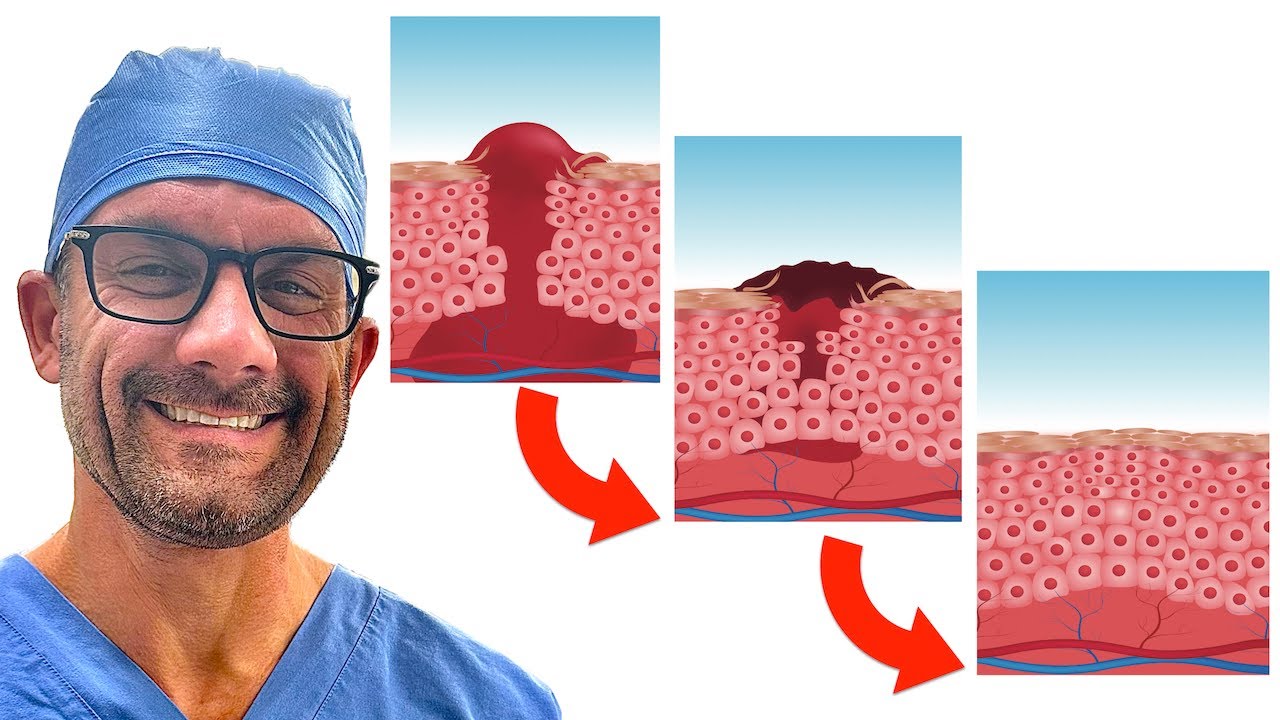
Healing Process
You experience wound healing as a complex journey. Your body moves through several stages to repair itself. Medical textbooks describe these main phases:
Haemostasis
Inflammation
Cell proliferation
Epithelialisation
Tissue remodelling
Every wound healing process follows these steps, no matter the type of wound. You might notice that different wounds need different care approaches. Your body first stops bleeding, then fights infection, builds new tissue, and finally strengthens the repaired area. Each stage plays a vital role in wound healing and helps you recover faster.
Dr. Winter’s Research
You may wonder why moist wound healing matters. Dr. Winter’s research changed how experts think about wound care. He found that wounds covered with a film healed much faster than those left open to air. Dry scabs slow down healing and can block new tissue growth. Dr. Winter’s work showed that keeping wounds moist speeds up wound healing. His findings challenged old beliefs and led to modern wound healing practices. You benefit from dressings that maintain moisture, which help your wound heal more quickly and with less discomfort.
Note: Moist wound healing is now the gold standard in wound care. You get better results when you use dressings that keep the wound moist.
Scabs and Barriers
You might think scabs help your wound heal. Scabs act as natural barriers, protecting the wound from germs. However, wound healing works best when the environment supports cell movement and growth. The mechanical properties of your skin, such as elasticity, affect how well your wound heals. Research shows that semi-occlusive dressings may slow healing at first, but they boost cell activity and speed up re-epithelialization later. You want a balance—protection without blocking the healing process. Modern dressings, like silicone foam, create this ideal environment for wound healing.
Stage | What Happens | Why It Matters |
|---|---|---|
Haemostasis | Stops bleeding | Prevents blood loss |
Inflammation | Fights infection | Protects wound |
Proliferation | Builds new tissue | Repairs damage |
Epithelialisation | Covers wound surface | Restores skin barrier |
Remodelling | Strengthens tissue | Improves healing outcome |
Silicone Foam Dressing by SLK Medical
How Silicone Foam Dressings Work
You want a dressing that does more than just cover your wound. SLK Medical’s silicone foam dressings give you advanced protection and comfort. The soft silicone layer gently sticks to your skin, so you can remove the dressing with little pain. This is important if you have sensitive skin or need frequent dressing changes. The foam core absorbs wound fluids and locks them away, keeping the area moist but not soggy. This balance helps your skin cells grow and repair faster.
You also get a waterproof backing that keeps out bacteria and dirt. Oxygen can still reach your wound, which supports healing. The dressing stays in place, even on tricky spots like elbows or heels. You spend less time worrying about leaks or discomfort.
SLK Medical stands out as a leader in wound care for several reasons:
You change dressings less often, which means less disturbance to your healing skin and lower costs.
Most wounds treated with Alexer Foam Dressing show less pain, smaller size, and reduced fluid.
Patients and healthcare professionals report high satisfaction because of comfort and effectiveness.
The hydrogel and antimicrobial features improve the skin around your wound and help prevent maceration.
Over 90% of users would recommend this dressing for its ease of use and results.
Clinical studies support these benefits. You can see the difference in pain, healing speed, and infection prevention:
Evidence Type | Description |
|---|---|
Pain Reduction | Pain scores during dressing removal average less than 10 on the Visual Analog Scale, showing very mild pain and better comfort. |
Wound Healing | Clinical trials show a 41% lower risk of new sacral pressure ulcers when you use silicone foam dressing with border. |
Infection Prevention | Lab research finds that silicone foam dressings can lower harmful enzymes by up to 100%, helping to prevent infection. |
Meta-analyses also confirm that silicone foam dressings help wounds heal faster and increase the number of healed pressure ulcers compared to traditional dressings.
D-Pore™ Technology
You get even more benefits from SLK Medical’s D-Pore™ Dual-Dimensional Pore Foaming Technology. This special design improves how the dressing absorbs fluids and lets your skin breathe. The pores in the foam work in two directions. They pull in wound fluids quickly and release moisture vapor, so your wound stays in the best condition for healing.
D-Pore™ technology also gives your wound gentle support. The dressing fits well on your body, even in hard-to-cover areas. You feel more comfortable and secure as you move through your day.
SLK Medical offers a full range of wound care products to meet your needs. You can choose from:
Hydrocolloid Dressings: These dressings form a gel when they touch wound fluids. They keep the wound moist, lower infection risk, and let you check the wound without removing the dressing. They also help remove dead tissue and fit well on hard-to-reach spots.
Non-Adhesive Foam Dressings: These work well for wounds that need gentle care. You can cut them to fit any shape, and they protect your skin from friction.
Super Absorbent Dressings: These dressings handle wounds with a lot of fluid. They absorb and lock away exudate, keeping your skin dry and safe.
Here is a quick look at the benefits of these dressings:
Benefit | Description |
|---|---|
Moist wound environment | Hydrocolloid dressings form a gel that keeps wounds moist, which is key for healing. |
Decreased risk of infection | The gel traps bacteria and lowers wound pH, making infection less likely. |
Easy monitoring | The clear design lets you check your wound without removing the dressing. |
Autolytic debridement | The moist setting helps your body remove dead tissue naturally. |
Fit for tough locations | Dressings come in many shapes and sizes to fit any area. |
Skin protection | All dressings shield your skin from friction and outside harm. |
You can trust SLK Medical to give you a complete solution for wound care. Their products combine comfort, protection, and advanced technology to help your wound heal faster and with less pain.
Benefits of Silicone Dressings

Moisture Management
You need a dressing that keeps your wound in the best condition for healing. Silicone dressings help you achieve this by maintaining the right level of moisture. When you use these dressings, you create an optimal healing environment that supports your body’s natural repair process. Wounds heal faster in a moist setting because moisture helps new skin cells move across the wound surface. This process also supports collagen production and keratinocyte migration, which are both essential for strong, healthy skin.
Silicone dressings manage exudate efficiently. They absorb wound fluids and lock them away, preventing excessive moisture from causing skin maceration. You avoid the risk of maceration, which can slow healing and damage healthy skin. The ability of silicone dressings to transmit water vapor allows your wound to breathe while staying protected. This smart exudate management reduces the number of dressing changes you need and lowers the risk of infection.
Silicone adhesives do not dry out, so they keep a protective layer over your wound for several days.
You spend less time worrying about leaks or skin irritation.
Faster healing rates mean you need less clinical attention, which saves you time and money.
A clinical study showed that wounds treated with silicone dressings healed significantly faster than those treated with traditional options. The mean time to complete healing was 7.58 days for silicone-coated dressings, compared to 11.26 days for other types. You get better results and a smoother recovery.
Comfort for Sensitive Skin
If you have sensitive or fragile skin, you know how important comfort is during wound care. Silicone dressings provide a gentle touch that protects your skin from trauma. The soft silicone layer sticks well to dry skin but does not adhere to the moist wound bed. This means you can remove the dressing without pain or skin stripping. You feel less anxiety about dressing changes, especially if you have experienced discomfort in the past.
Patients with fragile skin have reported minimal pain during removal of silicone dressings. In one study, 94% of users noticed wound improvement and high satisfaction with comfort. Soft-silicone variants allow for atraumatic removal, which reduces the risk of medical adhesive-related skin injury. Silicone dressings do not chemically interact with your wound, so they preserve the healing process and keep your skin safe.
“Silicone dressings are flexible and conformable. You can wear them comfortably on any part of your body, even over joints or curved areas.”
You also benefit from the transparency of silicone dressings. You can check your wound without removing the dressing, which helps you and your healthcare provider monitor progress easily.
Reduced Pain
Pain can make wound care stressful. Silicone dressings help you manage pain more effectively. The non-adherent properties of these dressings minimize trauma during dressing changes. You experience less pain, especially if you have burns or exuding wounds. Studies have shown that soft silicone dressings reduce pain scores compared to traditional dressings. For example, patients rated their pain at 4.0 out of 10 with silicone dressings, while those using other dressings reported higher pain levels.
You also need fewer dressing changes. The absorptive wound dressing holds exudate securely, so you do not have to disturb the wound as often. This reduces your discomfort and helps you stay active during recovery. In clinical trials, 96.9% of skin tears treated with silicone dressings healed within three weeks, compared to only 34.4% with other dressings. You get faster healing and less pain, which improves your quality of life.
Outcome Measure | Silicone Dressings | Traditional Dressings |
|---|---|---|
Time to Complete Healing | 7.58 days | 11.26 days |
Pain Level (0-10 scale) | 4.0 | 4.9 |
Number of Dressing Changes | 3.64 | 5.13 |
Cost of Dressing Changes | $413 | $739 |
Silicone dressings also help prevent new pressure ulcers. The risk of developing a new pressure ulcer on the sacrum drops by 41% when you use foam dressings with silicone adhesives. This benefit is cost-effective and supports your long-term health.
You can trust the benefits of silicone dressings for wound care. They offer moisture management, comfort for sensitive skin, and reduced pain. You get a complete solution that supports skin tear management, handles exudate, and prevents skin maceration. These features make silicone dressings the preferred choice for anyone seeking the best in wound healing.
Wound Care Tips
Choosing the Right Dressing
You need to choose the right dressing for your wound to support healing and comfort. Start by looking at the type of wound you have. Some wounds are dry and need hydration, while others produce a lot of fluid and require absorbent dressings. If your wound has dead tissue, you may need a dressing that helps remove it. Infected wounds need special antibacterial treatment. Always consider the stage of healing and the amount of exudate. SLK Medical offers a range of options, including silicone foam, hydrocolloid, and super absorbent dressings, so you can match the dressing to your needs.
Consider the wound type and healing stage.
Assess how much fluid the wound produces.
Choose hydration for dry wounds and absorption for wet wounds.
Use debridement dressings for wounds with dead tissue.
Select antibacterial dressings for infected wounds.
Application Steps
Proper application helps you get the best results from your wound care routine. Follow these steps to maximize healing and reduce infection risk:
Pick the right silicone foam dressing based on wound size, type, and location.
Check the amount and type of exudate to decide how often to change the dressing.
Look at your skin for sensitivity before applying the dressing.
Watch for signs of infection, such as redness or odor, and adjust your treatment if needed.
Make sure the dressing seals well around the wound to prevent leaks and skin damage.
Tip: Always wash your hands before and after handling any dressing. Clean the wound gently before applying a new dressing.
When to Change
Changing your dressing at the right time is important for healing. Most silicone foam dressings need changing every 3 to 7 days. If your wound produces a lot of fluid, you may need to change it more often. If the dressing becomes loose or you see signs of infection, replace it right away. As your wound heals, you might need to switch to a different type of dressing. Always follow your healthcare provider’s instructions for the best results.
Change dressings more often for high exudate.
Replace if the dressing loosens or leaks.
Adjust your treatment as the wound heals.
Consult your provider for specific advice.
You can track your wound’s progress by taking regular photos, using a ruler for size, and keeping a journal of pain, drainage, and skin changes. Some people use wound tracking apps or telemedicine to share updates with their provider. Careful monitoring helps you spot problems early and supports better treatment outcomes.
You may notice wounds heal slowly for many reasons. Common causes include poor circulation, infection, diabetes, and nutritional deficiencies.
Reason | Description |
|---|---|
Poor Circulation | Limits oxygen and nutrients for healing |
Infection | Prolongs inflammation and tissue damage |
Diabetes | Impairs healing and sensation |
Nutritional Deficiencies | Slows recovery |
Moisture balance helps wounds heal faster and reduces pain. Advanced dressings like SLK Medical’s silicone foam provide gentle adhesion, high absorption, and protection. You can choose products that match your wound’s needs and improve comfort. With the right care, you support better healing and a healthier future.
FAQ
What makes silicone dressings different from regular dressings?
You get advanced wound care with silicone dressings. These dressings use a soft silicone layer that sticks gently to your skin. You remove them with less pain. Silicone dressings absorb fluids, keep wounds moist, and protect against bacteria. You heal faster and feel more comfortable.
Can you use silicone dressings on sensitive skin?
You can use silicone dressings if you have sensitive skin. The silicone layer does not stick to the wound bed. You remove dressings without causing trauma. You avoid skin irritation and pain. Silicone dressings work well for fragile skin and chronic wounds.
How often should you change silicone dressings?
You change silicone dressings every 3 to 7 days. You may need to change dressings more often if your wound produces a lot of fluid. You should replace dressings if they loosen or leak. Always follow your healthcare provider’s advice for best results.
Do silicone dressings help prevent infection?
You protect your wound from infection with silicone dressings. The waterproof backing blocks bacteria and dirt. Silicone dressings keep the wound moist, which supports healing. You lower the risk of infection and help your skin recover faster.
Are silicone dressings suitable for all types of wounds?
You use silicone dressings for many wounds. These dressings work for post-operative wounds, pressure ulcers, diabetic foot ulcers, and burns. You choose silicone dressings for wounds that need moisture and gentle care. You get better healing and comfort.


