


A 5x5foam dressing is an excellent choice when you need reliable coverage for a wound. It’s especially effective for wounds with significant exudate, such as pressure ulcers, diabetic foot ulcers, and post-surgical wounds. The 5x5foam dressing maintains a moist wound environment, which is essential for optimal healing, and provides a protective barrier against germs. Its soft silicone layer is ideal for people with sensitive skin, making dressing changes much more comfortable and less painful. The 5×5 size is perfect for wounds that fit within its dimensions, offering strong absorption to manage moderate to heavy drainage efficiently.
Key Takeaways
5×5 foam dressings work well for wounds with a lot of fluid, like pressure ulcers and diabetic foot ulcers. They keep the wound moist so it can heal faster.
Always measure your wound before you pick a dressing. A good fit covers the wound well and stops leaks or skin problems.
Pick the right dressing for your wound type and how much fluid it has. Foam dressings come in many shapes and sizes for different needs.
Use the best steps when putting on foam dressings. Clean the wound, make sure the dressing is bigger than the wound, and check for leaks.
SLK Medical foam dressings give comfort and protect the wound. Their soft silicone layer makes changes less painful, so they are good for sensitive skin.
What Is a 5x5foam Dressing?
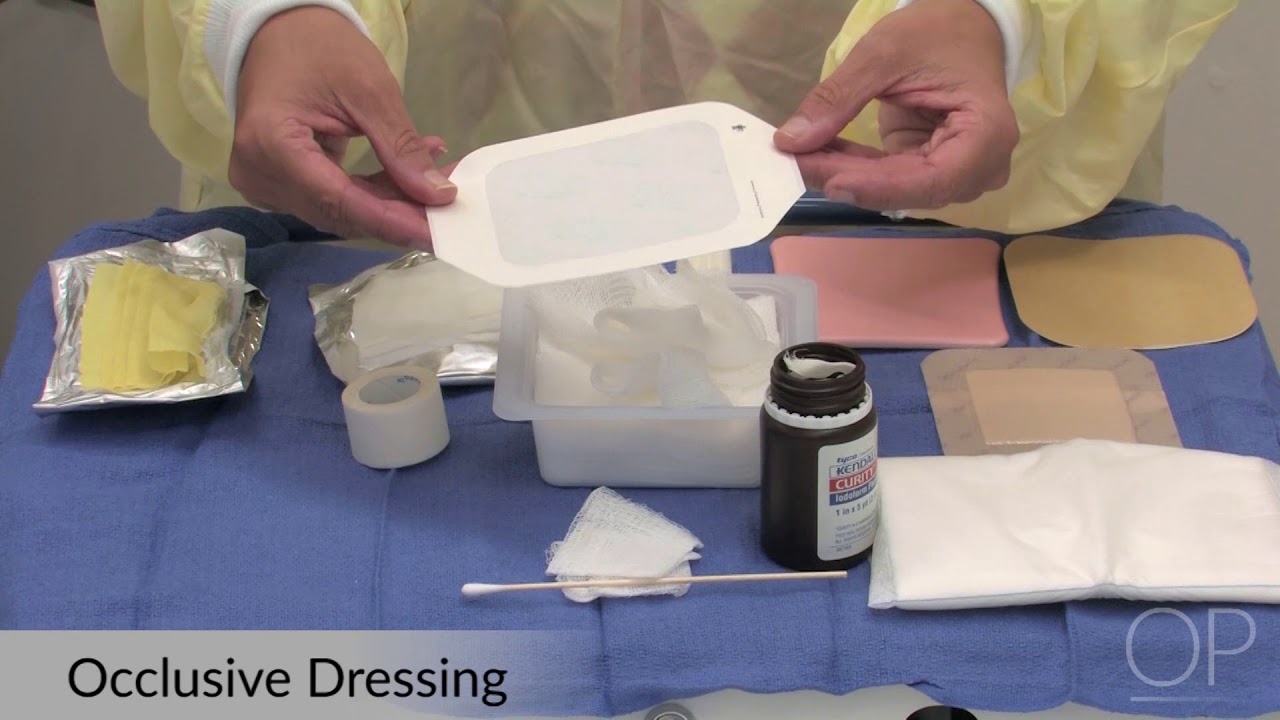
A 5x5foam dressing is a square that measures 5 centimeters on each side. This dressing works well for wounds that need to soak up a lot of fluid. You can use it for pressure ulcers, diabetic foot ulcers, and surgical wounds. The 5×5 size fits most small and medium wounds. It gives good protection and feels comfortable.
Key Features of Foam Dressings
Foam dressings help wounds heal faster and keep you comfortable. They use special materials and smart design to handle wound fluid and protect skin. Here is a table that shows what makes a 5x5foam dressing special:
Characteristic | Description |
|---|---|
Material | Polyacrylate |
Absorbency | Superabsorbent design with fluid-repellent backing, suitable for highly exuding wounds |
Protection | Reduces risk of leakage and maceration through absorption and retention properties |
Foam dressings soak up a lot of fluid and have a backing that keeps the area dry. This design stops leaks and helps protect skin from breaking down.
Foam dressings are different from other dressings. The chart below shows how foam dressings do in studies, especially for holding fluid:
Foam dressings like Alexer® Ag Foam soak up and hold fluid well. You can trust foam dressings to keep wounds dry and safe for longer.
Here are some features of foam dressings that help you and your patients:
Keeps wounds moist so they heal faster
Protects wounds and skin from getting hurt
Easy to put on and take off
Works well with compression wraps
Fits the shape of the wound
Can be used with creams or special cleaners
Does not leave lint or stick to the wound
Comes off gently and does not hurt
Lets air in but keeps germs out
Keeps wounds warm and comfortable
Can stay on for 1 to 7 days, depending on fluid
Foam dressings give many benefits for wound care. They help you handle wounds with lots of fluid and help wounds heal well.
SLK Medical Silicone Foam Dressing Overview
SLK Medical makes silicone foam dressings with new technology to help wounds heal. You can pick from different types, like bordered, non-bordered, composite, and flexible dressings. SLK Medical dressings have a soft silicone layer that protects skin and makes changes less painful.
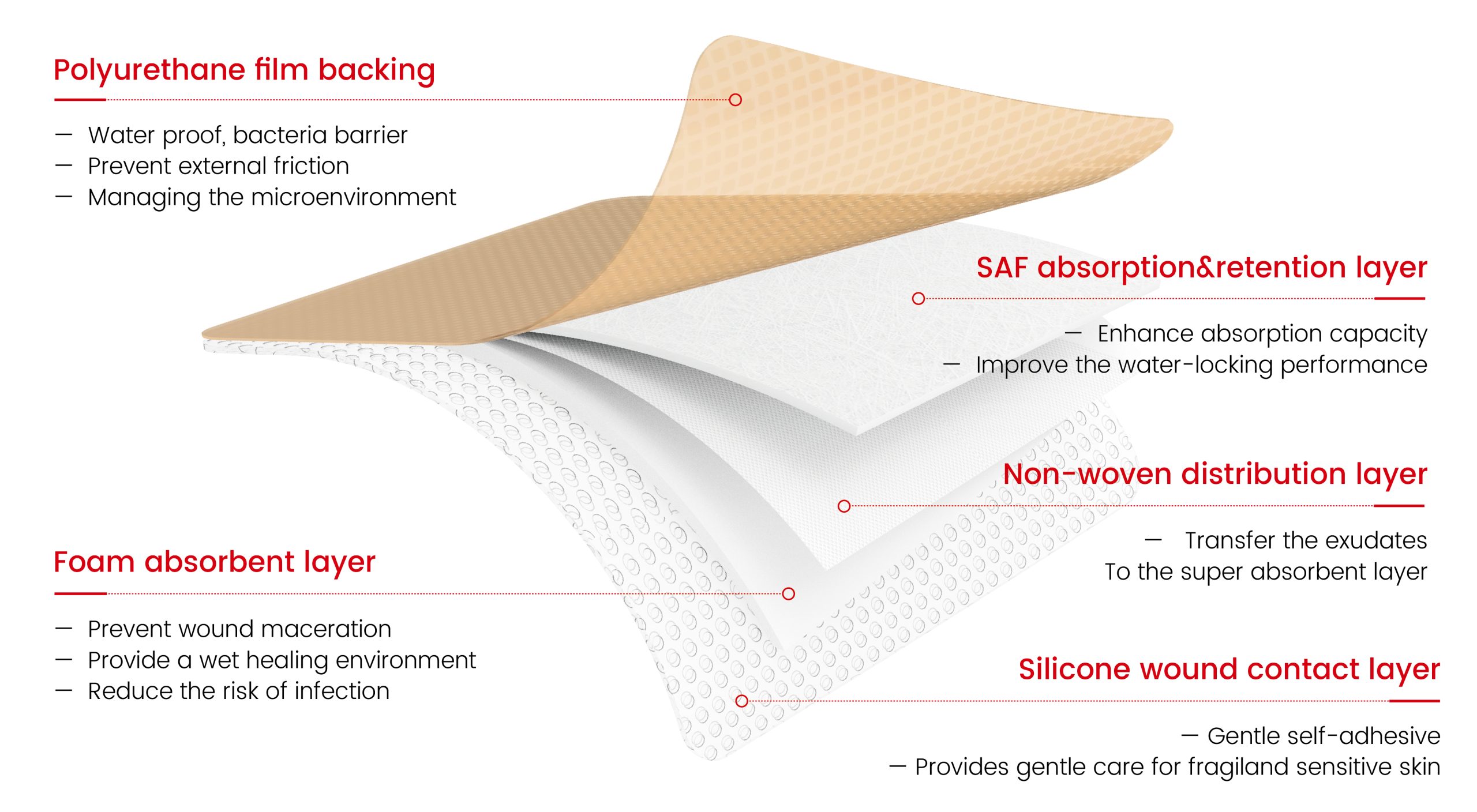
SLK Medical foam dressings have several layers. The top layer is waterproof and blocks bacteria. The foam layer soaks up fluid and keeps the wound moist. The silicone layer is soft and sticks gently, so you can put it on and take it off easily.
SLK Medical has dressings in many shapes and sizes. You can find square, rectangle, sacrum, and heel shapes for different wounds. The 5x5foam dressing is great for small wounds that need strong absorption and gentle care.
When you use SLK Medical foam dressings, your patients feel better and heal faster. The dressings help stop infection, lower pain, and keep wounds safe. You can trust SLK Medical for high-quality wound care products.
If you want to know more about SLK Medical silicone foam dressings, visit their website: SLK Medical.
Sizing Your Wound Dressing

Measuring for Proper Coverage
You want your foam dressings to fit your wound perfectly. Start by measuring both the length and width of your wound. Use a ruler or measuring tape. Write down the longest part and the widest part. This helps you choose a dressing that covers the whole wound and protects the skin around it.
Tip: Always measure your wound before you pick a dressing. This makes sure you get the best coverage and healing.
Here is a simple way to measure your wound for foam dressings:
Measure the length of your wound from end to end.
Measure the width from side to side.
Pick a dressing that is at least as long as the longest part of your wound.
Make sure the dressing is as wide as the widest part of your wound.
Do not use a larger dressing if a smaller one covers your wound well.
You want your foam dressings to cover the wound and a small area around it. This keeps the wound safe and helps healing. If you use a dressing that is too big, you may waste supplies. If you use a dressing that is too small, your wound may not heal well.
Choosing the Right Dressing Size
You need to match your foam dressings to your wound type and how much fluid comes out. Some wounds need more absorbent dressings. Others need dressings that fit special shapes. Look at the table below to see which foam dressings work best for different wounds and fluid levels.
Wound Type | Dressing Type | Exudate Level |
|---|---|---|
Granulating wounds | Hydrocolloid, Alginate | Low to heavy |
Deep cavity granulating wounds | Polyurethane foam dressing | Varies |
Superficial wounds | Hydrocolloid, Hydrogel | Low to moderate |
Foam dressings work well for deep wounds and wounds with a lot of fluid. You can use foam dressings for many wound types. You need to check the wound and pick the right dressing size.
SLK Medical offers foam dressings in many sizes and shapes. You can find square, rectangle, sacrum, heel, and butterfly shapes. Each foam dressing has special features to help your wound heal. Look at the table below to see some options from SLK Medical.
Size | Features |
|---|---|
4 x 4 in | Self-adhesive, waterproof, sterile |
Y Cut | Hydrophilic, super absorbent |
You can choose foam dressings that fit your wound and your needs. SLK Medical foam dressings have waterproof layers and soft silicone contact. These dressings protect your wound and help you heal faster. You can use foam dressings for wounds on your heel, sacrum, or other hard-to-cover areas.
Note: Always check your wound before you pick a foam dressing. If your wound changes size or shape, you may need a different dressing.
You want to use foam dressings that match your wound and your healing goals. SLK Medical foam dressings give you many choices for size, shape, and absorbency. You can trust these dressings to keep your wound safe and help you heal.
Applications for Foam Dressings
Ideal Wound Types and Scenarios
Foam dressings work for many kinds of wounds. They are best for wounds with a lot of fluid. You often use them for pressure ulcers and diabetic foot ulcers. They also help with other ulcers that last a long time. If a wound needs to stay moist and safe, foam dressings are a good choice.
Here is a table that shows which wounds do well with foam dressings:
Type of Wound | Description |
|---|---|
Diabetic foot ulcers | Wounds from diabetes that heal slowly and need moisture control |
Pressure ulcers | Sores from long-term pressure, common in people who stay in bed |
Venous ulcers | Ulcers from poor blood flow in the legs |
Neuropathic ulcers | Ulcers from nerve damage, often in feet |
Arterial ulcers | Ulcers from poor blood supply, usually on lower legs |
Chronic wounds | Wounds that do not heal in a normal time frame |
Post-operative wounds | Surgical wounds that need extra protection |
First and second-degree burns | Burns that require moisture and bacteria barrier |
Wounds needing waterproof care | Wounds at risk of infection or needing a bacteria barrier |
Foam dressings keep wounds moist and safe from germs. They help treat pressure ulcers and other ulcers by soaking up fluid. You can use foam dressings for wounds that need care for a long time.
SLK Medical Product Applications
SLK Medical makes foam dressings for many wound types. You can pick a dressing for diabetic foot ulcers or pressure ulcers. There are dressings for other ulcers too. Each dressing works for wounds with different needs.
SLK Medical foam dressings come in many shapes and sizes. You can choose square, rectangle, sacrum, or heel dressings. This helps you cover wounds anywhere on the body. Use a sacrum-shaped dressing for sacral pressure ulcers. Use a heel-shaped dressing for heel ulcers. Each shape gives the best fit and protection.
SLK Medical foam dressings have a waterproof layer. This layer keeps out germs and lets you shower safely. The soft silicone layer protects skin and makes changes less painful. The foam layer soaks up fluid and keeps the wound moist. This helps treat pressure ulcers and other ulcers.
Here is a table that shows how SLK Medical foam dressings help you:
Benefit/Mechanism | Description |
|---|---|
Multi-layer dressings protect skin from damage | |
Manages wound microclimate | Keeps the wound at the right moisture level |
Pressure redistribution | Spreads pressure to prevent new ulcers |
High vapor permeability | Prevents too much moisture on the skin |
Bacteria and waterproof barrier | Shields the wound from germs and water |
SLK Medical foam dressings help treat pressure ulcers and diabetic foot ulcers. They also help with chronic ulcers. Each dressing helps wounds heal and keeps them safe. You get comfort and strong results every time you use them.
Best Practices for Dressing Application
Step-by-Step Guide
Applying foam dressings the right way helps you protect your wound and support healing. You want to follow each step to get the best results and keep your skin safe. Here is a simple guide for using foam dressings:
Wash your hands with soap and water. Dry them with a clean towel.
Put on gloves before you touch the wound or dressing.
Clean the wound with saline or clean water. Remove any old dressings first.
Dry the skin around the wound with sterile gauze.
Make sure the foam dressing is at least one centimeter larger than your wound. This helps cover the wound and the skin around it.
Open the foam dressing package carefully. Do not touch the foam pad or adhesive surface.
Line up the foam dressing over the center of your wound. Place it down gently.
If your foam dressing has a plastic cover, pull it back slowly and smooth the dressing down. Do not stretch the foam.
If your foam dressing does not have an adhesive border, use tape or a wrap to hold it in place.
When you change the foam dressing, peel it off gently. Clean the wound and apply a new foam dressing.
Maximizing Effectiveness with SLK Medical
You want your foam dressings to work as well as possible. SLK Medical foam dressings help you keep your wound moist and safe. You should avoid creams or moisturizers near the wound before you apply the dressing. This helps the foam stick better and keeps the area clean. Try to extend the time between dressing changes. This reduces the risk of infection and helps healing. You should only change foam dressings when you see signs of leakage or when your healthcare provider tells you to. SLK Medical foam dressings offer strong absorption and gentle contact with your skin. You get better healing and comfort with each use. Always check your wound for changes and use foam dressings that fit well. This helps you get the most effectiveness from your dressings and supports faster healing.
Troubleshooting Common Dressing Issues
Avoiding Sizing and Application Mistakes
You want your dressing to fit your wound. If you pick a dressing that is too small, it will not protect the wound or absorb fluid. A dressing that is too large can waste supplies and may not stick well. You should measure your wound before you choose dressings. Always check the length and width. Make sure the dressing covers the wound and a small area around it.
Common mistakes include placing the dressing off-center or not smoothing it down. If you do not line up the dressing, it may leak or shift. You should press the dressing gently to make sure it sticks. If your wound is on a curved area, pick dressings that bend easily. SLK Medical offers dressings in many shapes, so you can find one that fits your wound.
Tip: Always clean the skin around your wound before you apply a new dressing. This helps the dressing stick and keeps the wound safe.
Solutions for Dressing Problems
You may see problems like leakage, skin irritation, or poor adhesion. You can solve these issues by choosing the right dressing and following best practices.
Select dressings based on your wound’s depth and how much fluid comes out. A deep wound with heavy drainage needs a thicker dressing.
Monitor your wound often. If you see fluid leaking, change the dressing sooner.
Use multilayer dressings to protect against friction and sheared skin. SLK Medical’s five-layer dressings manage friction and keep the wound’s microclimate balanced.
If your skin feels sore or red, pick dressings with a soft silicone layer. These dressings reduce pain and stick gently.
For wounds in hard-to-cover places, use dressings shaped for heels or sacrum. These dressings stay in place and protect the wound.
Problem | Solution |
|---|---|
Leakage | Use thicker dressings and monitor drainage |
Skin irritation | Choose dressings with soft silicone layers |
Poor adhesion | Clean skin and select proper dressing shape |
You can prevent most dressing problems by matching the dressing to your wound and checking it often. SLK Medical dressings help you manage wounds with comfort and safety.
You help wounds heal better when you measure and use 5×5 foam dressings the right way. Getting the size right stops problems and saves money. SLK Medical’s silicone foam dressings soak up fluid well and stick gently. You do not need to change them as often, so wounds heal faster.
Wound care experts say you should check your wound often. Pick dressings that fit and keep the wound moist.
If you are not sure what to do, ask a healthcare professional. They can give advice and help you choose what is best for your wound.
FAQ
How often should you change a 5×5 foam dressing?
You should change your dressing every 3 to 7 days or when it becomes saturated. Always follow your healthcare provider’s advice for your specific wound.
Can you shower while wearing a foam dressing?
Yes, you can shower with most foam dressings. The waterproof layer keeps your wound dry and protected. Pat the area dry after your shower.
What should you do if the dressing does not stick?
Clean and dry the skin around your wound before applying the dressing. If it still does not stick, try a different shape or use medical tape to secure it.
Which wounds are best for 5×5 foam dressings?
Wound Type | Good Choice? |
|---|---|
Pressure ulcers | ✅ |
Diabetic foot ulcers | ✅ |
Burns | ✅ |
Small cuts | ❌ |
Use 5×5 foam dressings for wounds with moderate to heavy fluid.


