


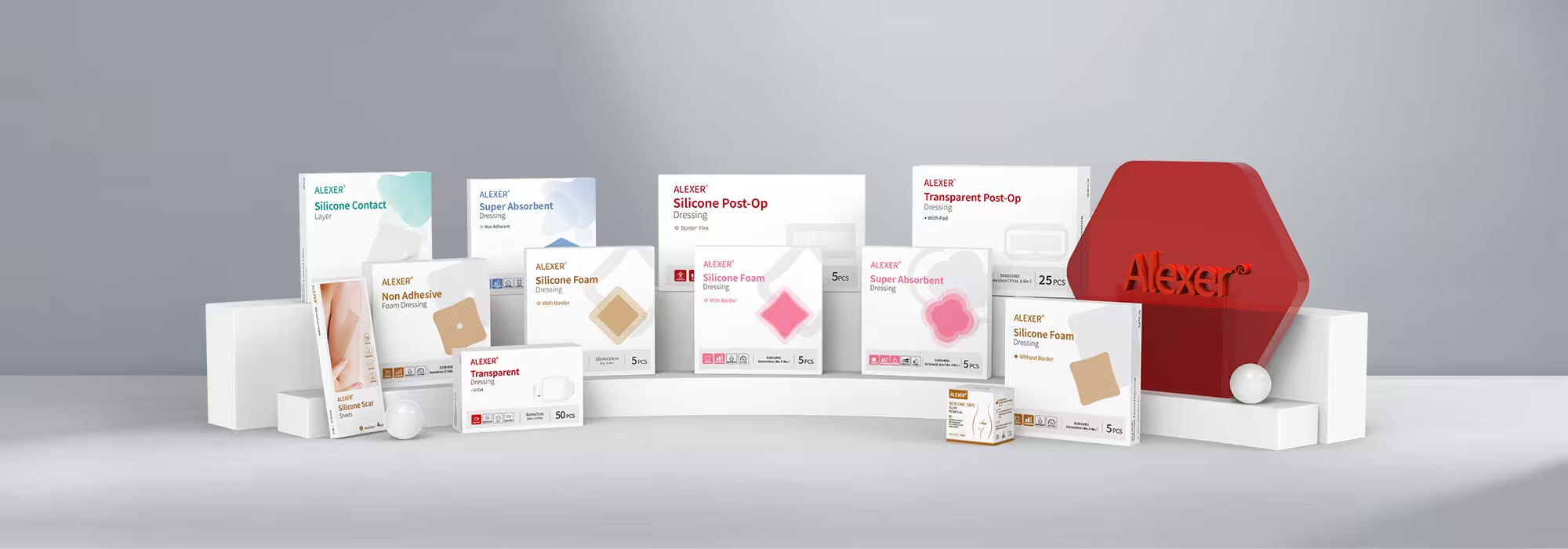
You can find many wound care products. These products help wounds heal and stop infection. Good wound care protects your skin. It also lowers pain and helps wounds heal faster. Advanced wound care products use new technology. SLK Medical makes these products to help patients get better. There are different products for acute wounds, chronic wounds, and burns. The table below lists common wound care products and what they do:
Type of Wound Care Product | Primary Application |
|---|---|
Keeps the wound moist, helps tissue grow, stops scabs from forming | |
Makes dressing changes less painful, protects new tissue | |
Provide a moist wound environment, Enhance absorption capacity, Reduce the risk of infection, Provides gentle care for fragiland sensitive skin | |
The wound exudate was absorbed by water-soluble polymer particles for the covering and nursing of non-chronic wounds | |
Fix catheters and instruments, cover and protect wounds, bacteria barrier and maintain a moist environment conducive to wound healing |
You should always use clean wound care products. Ask healthcare workers for help. This will help wounds heal better and stop problems.
Key Takeaways
Picking the right wound care products helps wounds heal quickly and lowers the chance of infection.
Different dressings have special jobs. Foam dressings are good for sudden wounds. Hydrocolloid dressings help with small wounds.
Always use clean supplies and safe methods to keep wounds safe and help them heal.
Check your wound often and change dressings when needed. This helps you care for the wound and watch for infection signs.
Ask healthcare experts for help with wound care and dressing choices. This helps wounds heal in the best way.
Wound Care Products Overview
Importance of Wound Care
Using the right wound care products helps wounds heal. Good wound care lets your body fix itself and keeps skin healthy. If you ignore a wound, it can get infected and heal slowly. Advanced wound care dressings make a big difference. These dressings keep wounds moist, protect new skin, and help with pain.
Did you know? The right wound care supplies lower infection risk and help wounds heal faster.
Here is a table that shows how wound care methods help healing and stop infection:
Wound Care Product | Benefits |
|---|---|
Help wounds heal, keep wounds moist, control fluids, and fight germs. | |
Negative Pressure Wound Therapy (NPWT) | Make wounds smaller, lower infection, and reduce hospital stays. |
Irrigation techniques | Wash away germs and use gentle pressure to protect skin. |
Antibiotic therapies | Treat infections and stop bacteria in risky wounds. |
Growth factors and honey-based therapies | Help new skin grow, fight germs, and speed up healing. |
Not caring for wounds can cause serious health problems. The table below lists some risks:
Health Risks | Consequences |
|---|---|
Infection | Can cause sepsis, losing a limb, or even death. |
Nonhealing wounds | Can lead to big health issues if not treated. |
Lack of regular wound care visits | Makes hospital stays 20 times more likely. |
Effective wound care | Lowers readmission rates by 25% and cuts acute care by 30%. |
SLK Medical is a top company for advanced wound care products. SLK Medical made a new silicone foam dressing. This dressing fits hard-to-cover spots and makes you feel better. It also helps avoid problems that other dressings may cause.
Role of Sterile Wound Care
Sterile wound care keeps wounds safe from infection and helps them heal. You need to use sterile methods every time you clean or cover a wound. This stops bacteria and lowers the chance of problems. Doctors say sterile wound care is needed for every step.
Here is a table that shows why sterile care matters:
Evidence Type | Description |
|---|---|
Infection Prevention | Nurses help stop infections during surgery. |
Importance of Sterile Techniques | Sterile methods in wound care lower infection risks. |
Wound Management | Knowing wound care helps stop infections and heal wounds. |
Infection Impact | Infection slows healing, so sterile care is very important. |
Always use sterile supplies and follow good steps. This helps wounds heal and keeps you safe from infection.
Wound Care Dressing Types
Picking the right wound care dressing helps protect your skin. It also helps your wound heal. Each dressing does something special. You should learn how each type works. This helps you choose the best one for your wound.
Silicone Foam Dressings (SLK Medical)
Silicone foam dressings from SLK Medical are gentle on sensitive skin. These dressings use new technology to handle wounds with lots of fluid. The Alexer Silicone Foam Dressing with Border and without Border keeps wounds moist. It also helps stop infection. The soft silicone layer sticks softly. This means you feel less pain when you change it. You can use these dressings for surgery wounds, pressure ulcers, diabetic foot ulcers, and burns.
Studies show silicone foam dressings help wounds heal and feel better. You do not need to change them often. The foam soaks up fluid well. This helps you take care of wounds and saves money. The layers keep wounds safe from germs. They also help new skin grow.
Tip: Silicone foam dressings are good for wounds that need moisture and protection. They work well for people with weak skin.
Hydrocolloid Dressings (SLK Medical)
Hydrocolloid dressings from SLK Medical use gel to keep wounds moist. These dressings help wounds heal faster and hurt less. You can use hydrocolloid dressings for simple wounds, donor sites, and burns. The gel forms when the dressing soaks up fluid. It seals the wound and protects nerves.
Studies show hydrocolloid dressings help donor sites heal about 40% faster. They also help with pain. You can see the wound without taking off the dressing because it is clear. Hydrocolloid dressings bend easily and fit many body parts. They work best for wounds with a little fluid.
Note: Hydrocolloid dressings are not good for wounds with lots of fluid. Foam dressings are better for those wounds.
Super Absorbent Dressings (SLK Medical)
Super absorbent dressings from SLK Medical help with wounds that have lots of fluid. The Alexer Super Absorbent Dressing Non Adherent can soak up 20 times its weight. You can use these dressings for leg ulcers, pressure ulcers, diabetic foot ulcers, burns, and surgery wounds. The dressing keeps fluid away from your skin. This helps stop skin problems and infection.
Tests show super absorbent dressings work well with compression. They hold fluid inside and stop leaks. You can use them as the main dressing or with another one. These dressings also trap germs and bad stuff. This lowers the chance of infection.
Super absorbent dressings handle more fluid than regular dressings.
They stop leaks and keep wounds moist.
They work well with compression therapy.
Transparent Dressings (SLK Medical)
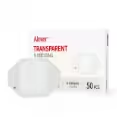
Transparent dressings from SLK Medical protect wounds and let you see healing. These dressings use a thin, waterproof film that is soft and stretchy. You can use transparent dressings for shallow wounds with little fluid, catheter sites, and to hold other dressings. The clear part lets you check the wound without taking off the dressing.
Doctors say transparent dressings protect skin from rubbing and help clean wounds. They are water-resistant, so you can shower without worry. These dressings do not cause allergies and are safe for sensitive skin.
Tip: Use transparent dressings for wounds with little fluid and for IV sites. Do not use them for wounds with lots of fluid or infection.
Other Common Dressings
There are many other wound care dressing types in medical supplies. Each type helps with wound care in a special way. Here is a table that shows how dressings are grouped in clinics:
Dressing Type | Description |
|---|---|
Alginates | Made from seaweed fibers, soak up fluid, used for wounds with lots of fluid. |
Antimicrobials | Dressings with silver or iodine to fight germs. |
Collagen | Made from animals, helps new skin grow, used for long-lasting wounds. |
Composites | Have many layers, do not stick, control moisture. |
Contact Layers | Do not stick, protect the wound, let fluid pass through. |
Foam | Soft, keep moisture, block germs, good for big wounds. |
Gauze | Old style, used for shallow wounds and small leaks. |
Hydrocolloid | Made from gelatin, keep wounds moist, good for pressure ulcers and diabetic foot ulcers. |
Hydrogel | Made with water, keep wounds moist, used for dry wounds and burns. |
Negative Pressure Wound Therapy | Special dressings that use suction to help healing. |
You can also use:
Gauze dressings for surgery cuts and small leaks.
Non-adherent dressings for burns and donor sites.
Alginate dressings for wounds with lots of fluid.
Silver dressings for wounds with germs.
Composite dressings for hard-to-treat wounds.
Remember: Checking your wound helps you pick the right dressing. The right dressing helps wounds heal and stops infection.
You should match the wound care dressing to your wound. This helps you heal better and feel more comfortable. SLK Medical has advanced wound care products for many wounds. You can trust their dressings to help you heal and protect your skin.
Applications of Wound Care Products
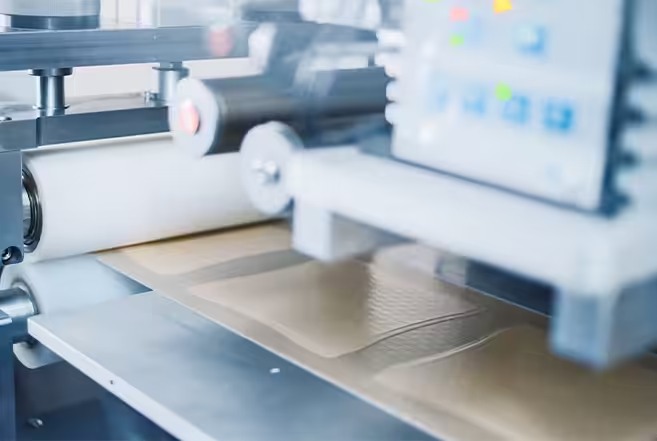
Acute Wounds
Acute wounds happen after cuts, scrapes, or surgery. These wounds need fast and careful care. You should use sterile wound care products to stop infection. Foam dressings and transparent dressings are good for these wounds. Foam dressings keep wounds moist and help them heal. Transparent dressings let you see the wound without taking them off. Doctors use these dressings to protect new skin and help wounds heal faster.
Tip: Clean the wound and use sterile supplies for best results.
Chronic Wounds
Chronic wounds like ulcers or pressure sores need special care. You must check these wounds often and use advanced wound care products. Good care for chronic wounds includes:
Checking the wound and getting medical help
Removing dead tissue from the wound
Using offloading or compression to lower pressure
Controlling infection and getting the wound ready to heal
Trying advanced therapies if healing does not start in four weeks
Super absorbent dressings and silicone foam dressings help control fluid and protect wounds. These dressings help wounds heal and lower the chance of infection.
Burn Care
Burns can hurt your skin and cause pain. You need to pick the right dressing for burns. Hydrocolloid dressings and silicone foam dressings keep burns moist and protect nerves. Studies show these dressings help burns heal, stop infection, and make patients feel better. You should choose dressings based on the wound and what the doctor says. Transparent dressings also let you watch the wound and keep it safe.
Sensitive Skin and Post-Op Care
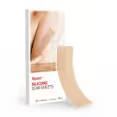
If you have sensitive skin or just had surgery, silicone adhesive dressings are a good choice. Studies show these dressings protect weak skin and stop skin injuries. Silicone foam dressings from SLK Medical keep skin safe and help wounds heal. You can use these dressings for surgery wounds, burns, and other wounds that need gentle care. These medical supplies help wounds heal and make dressing changes less painful.
Note: Always ask a healthcare worker for help with wound care and dressing choices.
Choosing the Right Wound Dressing
Assessing Wound Type
You should look at your wound before picking a dressing. This helps you know what your wound needs. The TIMERS framework is a way to check wounds step by step. It helps you see if your wound is healing well or needs extra care. Acute wounds heal fast. Hard-to-heal wounds may need special dressings and more help.
Check how deep, big, and where your wound is. Small wounds need simple dressings to keep them moist and safe. Deep wounds like ulcers need dressings that soak up more fluid and protect from germs. Hydrocolloid dressings work for scrapes and shallow ulcers. Foam dressings are good for deep wounds with lots of fluid. Alginate dressings help with bleeding because they soak up fluid quickly.
Here is a table to help you pick the right dressing:
Wound Type | Dressing Type | Application Criteria |
|---|---|---|
Acute Wounds | Hydrocolloid | Absorbs exudate, maintains moisture |
Chronic Wounds | Alginate | Highly absorbent, promotes healing |
Infected Wounds | Antimicrobial | Reduces infection risk, promotes healing |
Use this table to match your wound to the best dressing. This helps you take care of your wound and heal better.
Factors to Consider (Exudate, Infection Risk, Skin Sensitivity)
When you choose wound care products, think about what your wound needs. Every wound is different, so pick a dressing that fits.
Wounds with lots of fluid need dressings that soak up well, like foam or alginate dressings. Wounds with little fluid do better with hydrocolloid or film dressings.
If your wound looks infected, use antimicrobial dressings. These help fight germs and help healing.
Sensitive skin needs gentle dressings. Silicone foam dressings from SLK Medical protect weak skin and make changes easier.
Shallow wounds need simple dressings for moisture and safety. Deep wounds need dressings that soak up more fluid and keep germs out.
Pick dressings that feel good and stay on. This helps you take care of your wound and keeps it moist.
Here is a checklist to help you choose:
Check your wound’s size, depth, and spot.
See how much fluid comes out.
Watch for signs of infection.
Think about your skin and comfort.
Pick dressings that fit your wound’s healing stage.
SLK Medical has wound care supplies for every wound. Their products use new technology to help wounds heal and stay safe.
Consulting Healthcare Professionals
Always ask a healthcare worker before picking a dressing. Medical wound care supplies work best when matched to your wound and health. Doctors and nurses know how to check wounds and pick the right products. They help you with pain and stop infection.
Ask your doctor which dressing is best for you.
Get advice on how often to change your dressing.
Follow instructions for surgery wounds and wound care.
Use expert help for wounds that do not heal or chronic wounds.
SLK Medical’s team can help you pick products and give advice. Their help makes sure you get the right dressing for your wound. This leads to better healing and keeps you safe.
Tip: Always use clean steps and ask experts for help with wound care. This keeps your wound safe and helps you heal faster.
You can help your wound heal and feel better by following these steps. Picking the right wound dressing is important for good wound care.
Best Practices for Wound Care
Application Techniques
You can help wounds heal faster by using good techniques. First, look at the wound carefully. Clean the area with normal saline. This removes dirt and bacteria. Cleaning lowers infection risk and keeps skin safe. Pick a dressing that fits the wound’s size and depth. Make sure it matches how wet the wound is. Use gentle hands when you put on the dressing. This protects new tissue from harm. If the wound needs debridement, choose a method that fits your health. You can use autolytic, enzymatic, or mechanical debridement to help healing.
Check the wound before you change the dressing.
Clean with saline or a wound cleanser.
Pick a dressing that keeps the wound moist.
Use sterile tools and gloves to stop infection.
Put the dressing on smoothly so there are no wrinkles.
Tip: Always follow surgical wound care steps after surgery. This protects new skin and lowers infection risk.
Dressing Changes and Frequency
Changing dressings at the right time helps wounds heal. It also stops problems. For most wounds, change the dressing every 48 hours after surgery. This helps remove debris and lowers bacteria. Regular changes keep the wound clean and help healing. If the wound has lots of fluid or looks infected, change the dressing more often. Always check the wound before you change it.
Change dressings every 48 hours after surgery.
Take off old dressings gently to avoid pain.
Clean the wound before you put on a new dressing.
Watch for redness, swelling, or extra fluid.
Monitoring Healing Progress
You can watch how a wound heals by checking its size, color, and fluid. Advanced dressings can help you track healing. Some dressings have sensors that check temperature or pH. These show if the wound is inflamed or infected. You can use a table to see how technology helps:
Technology Type | Functionality Description |
|---|---|
Smart Dressings | Sensors watch healing and give medicine to wounds. |
Temperature-monitoring Dressings | Track inflammation to see how healing is going. |
pH-indicating Dressings | Change color when infection is present and show when care is needed. |
Look for signs of infection like pain or swelling. If you see these, call a healthcare professional. You can use SLK Medical instructions for care at home. Remote monitoring helps you know when to visit your doctor.
Note: Visit the SLK Medical website for more resources and product info. You can ask healthcare professionals or use the SLK Medical consultation service for wound care advice.
You are important in wound care. Learning about dressing types helps you pick the right one. Each dressing helps wounds heal and keeps out infection. Dressings also keep wounds moist. SLK Medical makes advanced products for pain and hard-to-heal wounds. These products help with healing problems. If your wound is complicated, ask a healthcare professional for help. They can check your wound and help with pain. They also teach you how to care for wounds. Learning more about wound care helps you feel sure and heal better.
Learn about dressing types to manage wounds well.
Ask experts for help if wounds do not heal or look infected.
FAQ
How do you choose the right wound dressing?
You should look at your wound’s size, depth, and how much fluid comes out. Pick a dressing that matches these needs. Ask a healthcare professional for advice if you feel unsure.
Can you shower with SLK Medical dressings?
Most SLK Medical dressings, like silicone foam and transparent dressings, have waterproof backings. You can shower while wearing them. Always check the product instructions for best results.
How often should you change your wound dressing?
Change your dressing every 2 to 7 days, depending on the wound and dressing type. If you see extra fluid, redness, or swelling, change it sooner. Follow your doctor’s advice.
Are SLK Medical dressings safe for sensitive skin?
SLK Medical designs dressings with gentle silicone layers. These dressings protect fragile skin and reduce pain during changes. You can use them if you have sensitive skin.