


You use absorbent wound dressings to handle fluid from wounds. These dressings help keep the wound clean and make it feel better. Good control of exudate helps wounds heal faster. It also lowers the chance of infection. The table below shows why controlling wound fluid matters:
Impact of Exudate Management on Wound Healing | Description |
|---|---|
Promotes Timely Healing | Good management stops long inflammation. It keeps the wound moist, which helps healing. |
Reduces Infection Risk | Proper control stops leaks. Leaks can let germs in. |
Enhances Patient Comfort | Less exudate means less skin damage and pain. This makes patients feel better. |
Improves Quality of Life | It lowers worries about leaks or bad smells. Patients can do daily things more easily. |
You should learn about the best absorbent wound dressings and ways to use them. SLK Medical is a leader in wound care. They bring new ideas to help you care for patients.
Key Takeaways
Absorbent wound dressings soak up fluid from wounds. This helps wounds heal faster and lowers the chance of infection.
Picking the right dressing is very important. You should match the dressing to how much fluid the wound has. You also need to think about the type of wound for best care.
Keeping the right amount of moisture is important. If there is too much or too little moisture, healing can slow down. It can also make infection more likely.
Using advanced dressings like super absorbent and hydrocolloid can help patients feel better. These dressings can also mean fewer dressing changes.
Always use the correct way to put on and change dressings. This helps stop infection and helps wounds heal.
Absorbent Wound Dressings Overview
What Are Absorbent Wound Dressings?
You use absorbent wound dressings to soak up extra fluid that comes from wounds. These dressings help keep the wound and the skin around it dry. When you keep the area dry, you lower the risk of skin damage and infection. You can find many types of absorbent wound dressings, each made from different materials. Here are some common materials and how they work:
Gauze: Made from cotton, rayon, or polyester. It absorbs liquid and helps protect against bacteria.
Hydrocolloids: These have gel-forming agents and a layer that keeps out germs. They absorb fluid and help stop bacteria from growing.
Foam: Usually made from silicone or polyurethane. Foam dressings work well for wounds with a lot of fluid.
Cotton wool wadding: Made from purified cotton fibers. It absorbs a lot but should not touch open wounds.
Cellulose pads: These have layers that soak up fluid and a cover that keeps them from falling apart.
You can also find new materials like hydrogels and antimicrobial dressings. Hydrogels keep the wound moist, which helps it heal. Antimicrobial dressings have special agents that fight infection.
Key Benefits in Wound Care
Absorbent wound dressings give you many benefits when you care for wounds. They help keep the wound bed and skin dry, which stops the skin from getting too wet. This lowers the chance of infection and helps the wound heal faster. You also see less pain and fewer dressing changes when you use these dressings. The table below shows what studies have found:
Benefit | What You Can Expect |
|---|---|
Patient Satisfaction | Patients feel more comfortable and happy. |
Pain During Changes | Less pain when you change the dressing. |
Dressing Changes Needed | Fewer changes, saving you time and supplies. |
You can choose from many types of wound dressings to match the needs of each patient. New advances, like foams and hydrogels, give you more options to help wounds heal and keep patients safe.
Absorbent Wound Dressing Mechanism
How Absorption Supports Healing
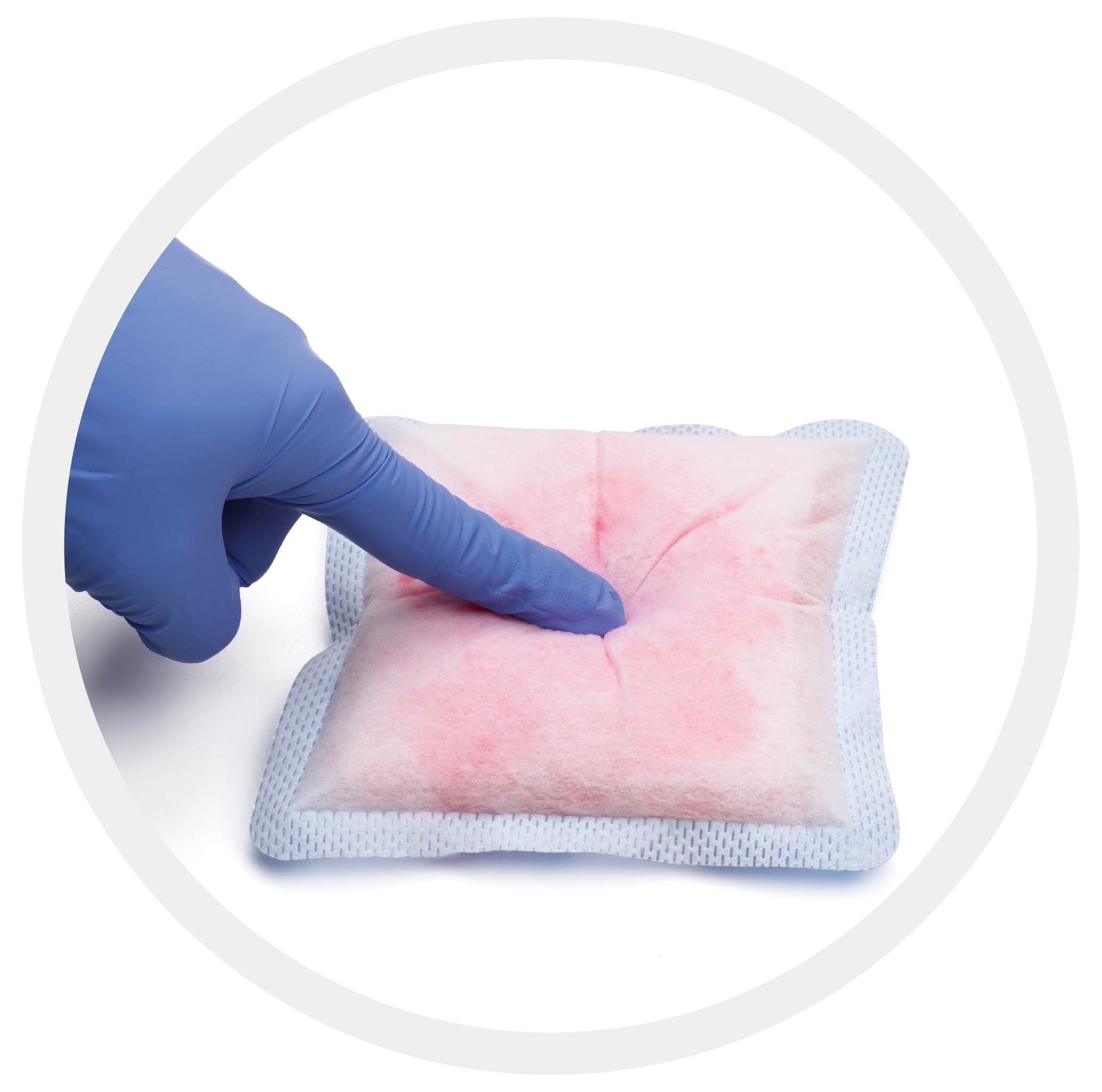
You play a key role in wound healing when you choose the right absorbent wound dressings. These dressings do more than just soak up drainage. They help your patient’s body repair itself. When you use absorbent dressings, you allow important cells like macrophages and fibroblasts to enter the wound. This helps the wound bed get ready for new tissue. The table below shows how these dressings support healing:
Mechanism | Description |
|---|---|
Cellular Entry | Lets healing cells move into the wound. |
Autolysis | Helps the body break down dead tissue naturally. |
Cell Proliferation | Supports new cell growth in a healthy environment. |
Growth Factors Enhancement | Increases helpful signals for tissue repair. |
You also help reduce inflammation and lower the number of bacteria in the wound. Absorbent dressings protect the wound from trauma during dressing changes. They keep the wound moist, which helps new blood vessels and skin cells grow. You see faster healing and less pain for your patients.
Tip: Use absorbent dressings to prepare the wound bed and protect it from further injury.
Why Moisture Balance Matters
You need to keep the right amount of moisture in the wound for the best results. If the wound is too dry, cells cannot move and healing slows down. If there is too much moisture, the skin around the wound can break down and infection risk goes up. The best wound care happens when you keep a balance.
Clinical studies show that using dressings that keep the wound moist can cut infection rates in half compared to dry treatments. Moist wound dressings also keep bacteria levels lower than dry dressings. When you manage moisture well, you help wounds heal faster and keep your patients comfortable.
Absorbent wound dressings let you control drainage and keep the wound at the right moisture level. This helps you prevent problems and support strong healing.
Types of Absorbent Wound Dressings
There are many wound dressings you can pick from. Each one works best for certain wounds and how much fluid they have. If you know about these dressings, you can choose the right one for your patient.
Gauze Dressings
Gauze dressings are very old types of wound dressings. You can use them dry or wet. They come in lots of shapes and sizes. Some have special coatings to help with pain. Others are plain and cost less.
Unique Features of Gauze Dressings | Clinical Outcomes Associated with Gauze Dressings |
|---|---|
Traditional and impregnated options | More pain during dressing changes |
Wet-to-dry technique | Can hurt the wound bed and cause problems |
Can leave strands in the wound bed | Bacteria can get in when you remove them |
Impregnated gauze can decrease trauma | Healing can be slower because of cooling |
Cost-effective in terms of clinician time | Still used in advanced wound care even if old |
You might use gauze to clean wounds or as a second layer. But gauze can stick to wounds and hurt when you take it off. It may leave fibers behind that slow healing.
Foam Dressings
Foam dressings are soft and bend easily. They work well for wounds with lots of fluid. Foam dressings keep wounds moist and block germs.
Characteristic | Foam Dressings (Average) | Control Dressings (Average) |
|---|---|---|
Absorption Capacity (mL/24h) | 10 | |
Retention Rate (%) | 45.5 – 70.8 | N/A |
Dressing Changes per Week | 2.14 | 3.34 |
Leakage Observed (%) | 48% | 64% |
Skin Reactions Needing Treatment (%) | 54% | 72% |
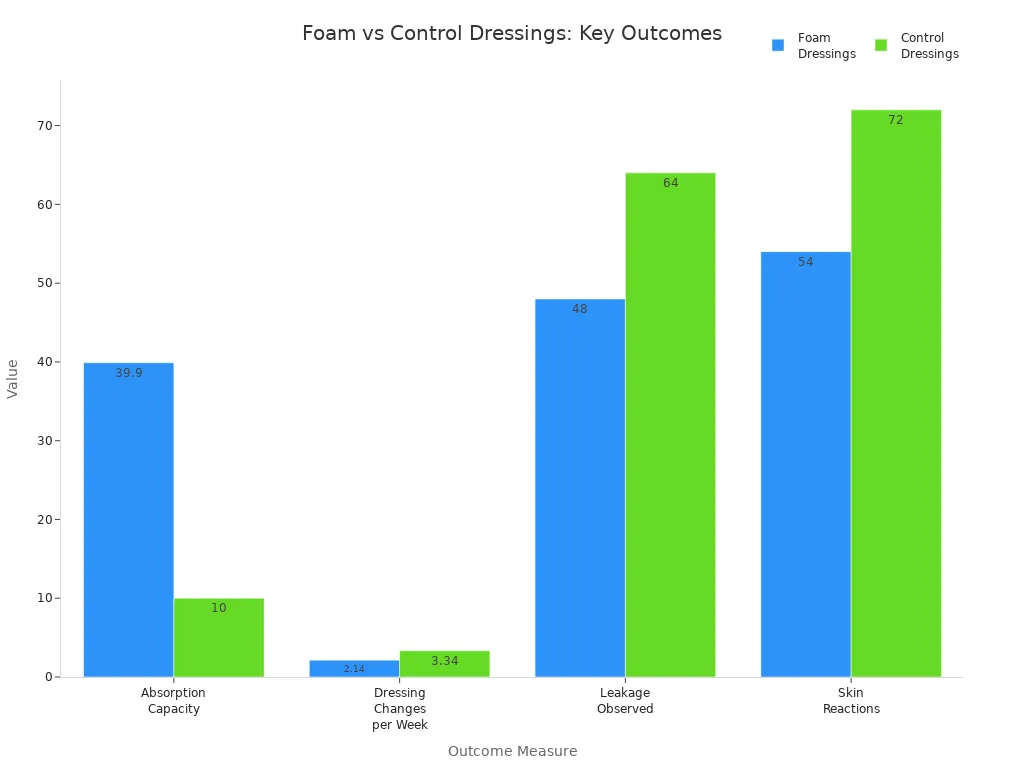
Foam dressings need fewer changes each week. They cause less skin trouble and leak less than other dressings. Most patients say foam dressings feel great.
Foam dressings are good for wounds that need lots of absorption and comfort.
Alginate Dressings
Alginate dressings come from seaweed. They turn into gel when they touch wound fluid. You can use alginate dressings for wounds with lots of fluid.
82% of clinicians say alginate dressings soak up fluid well.
75% use them to control wound fluid.
73% think alginate dressings help remove dead tissue.
20% use them to help stop bleeding.
89% of treatment goals are met with alginate dressings.
Alginate dressings work best for deep wounds or wounds with lots of fluid. They do not work well for dry wounds.
Hydrocolloid Dressings
Hydrocolloid dressings have a layer that makes gel. You can use them for wounds with a little or medium amount of fluid. They keep wounds moist and block germs.
Evidence Description | Findings |
|---|---|
Hydrocolloid dressings as an alternative to sutures | Good for grafts, less slough, less noticeable than other dressings. |
Use in superficial sports injuries | Works well for sports wounds. |
Treatment of deroofed blisters | Helps pain and lets people stay active. |
Advantages for minor wounds in sports | Helps healing and lowers pain for cuts. |
Treatment of severe friction burns | Heals burns and lowers pain better than regular dressings. |
Pain reduction in excoriations | Less pain with hydrocolloid than paraffin gauze. |
You can use hydrocolloid dressings for blisters, burns, and shallow wounds. They help with pain and let people keep moving.
Hydrofiber Dressings
Hydrofiber dressings have special fibers that make gel when wet. You can use them for wounds with lots of fluid.
Hydrofiber dressings soak up 2–3 times more fluid than alginate dressings.
They work well for ulcers with lots of fluid at any stage.
Studies show hydrofiber dressings last longer and heal wounds faster than alginate dressings.
Hydrofiber dressings keep wounds moist and help stop infection. They are a strong choice for wounds that need lots of absorption.
Super Absorbent Dressings
Super absorbent dressings have a special core that soaks up lots of fluid. You can use these dressings for wounds with medium or lots of fluid, like leg ulcers, pressure ulcers, and surgical wounds.
Study Context | Findings |
|---|---|
Cost-utility analysis in Germany | Superabsorbent dressings help health and save money for leg ulcers. |
Cost-utility analysis in France | Superabsorbent dressings work better and cost less than foam dressings. |
Cost-comparison analysis in the USA | Saves $44.13 per area and $20.79 per volume with superabsorbent dressings over NPWT. |
General findings | Handling fluid well helps ulcers heal, lowers healing time, and stops problems. Superabsorbent dressings hold more fluid, stop leaks, and keep fluid in. They also trap bad stuff and lower infection risk. |
SLK Medical has advanced super absorbent dressings like Alexer® Super Absorbent Dressing Silicone Adherent and Non Adherent. These dressings can soak up 20 times their weight in fluid. The silicone adherent type is gentle on skin and can be moved without pain. The non-adherent type lowers hurt during changes and fits body shapes.
Patients say SLK Medical’s super absorbent dressings feel better than regular ones.
Studies show these dressings handle fluid well and lower pain.
Super absorbent dressings help with wounds that have lots of fluid, make patients feel better, and lower the number of changes needed.
Each type of absorbent wound dressing has special features. If you know what each type does best, you can pick the right dressing for your patient and help wounds heal better.
Indications and Applications in Wound Care
Matching Dressings to Wound Types
It is important to pick the right dressing for each wound. Wounds need different dressings based on how much fluid they make and where they are. You should look at how much exudate there is, how deep the wound is, and if there is a risk of infection.
Wound Type | Exudate Level | Recommended Dressing Types |
|---|---|---|
Venous leg ulcers | Moderate to heavy | Superabsorbent, Foam, Alginate |
Diabetic foot ulcers | Moderate to heavy | Foam, Alginate |
Pressure ulcers | Mild to heavy | Hydrocolloid, Foam, Superabsorbent |
Surgical wounds | Moderate to heavy | Alginate, Superabsorbent |
Burns | Mild to moderate | Alginate, Hydrocolloid |
Traumatic wounds | Moderate to heavy | Alginate, Foam |
Superabsorbent dressings are good for venous leg ulcers. These wounds often have a lot of fluid. Superabsorbent dressings keep the wound dry and help with compression. Experts say to use superabsorbent dressings first for wounds with a lot of fluid like venous leg ulcers. You will see better healing and save money compared to foam dressings.
For diabetic foot ulcers, foam and alginate dressings help control fluid and keep the wound moist. Polyurethane foam dressings get the wound ready to heal. Alginate dressings soak up a lot of fluid and turn into gel, which helps wounds heal faster.
Hydrocolloid dressings are good for pressure ulcers and small burns with less fluid. They keep the wound moist and block germs. Alginate dressings are best for surgical wounds, traumatic wounds, and burns with more fluid. They help stop bleeding and soak up fluid.
Tip: Always check how much fluid the wound has and pick a dressing that fits its needs. This step is very important for good wound care and healing.
Clinical Scenarios for Absorbent Dressings
You will see many times when absorbent wound dressings are the best choice. The table below shows common cases and which dressings work well:
Clinical Scenario | Dressing Type | Purpose |
|---|---|---|
Exudative wounds | Alginate, Foam | Soak up fluid, protect skin |
Infected wounds | Alginate, Hydrocolloid | Fight germs, keep moist, control smell |
Chronic wounds | Hydrocolloid, Alginate, Foam | Keep moist, soak up fluid |
Burns | Alginate | Soak up fluid, help blood clot |
You can use hydrocolloid dressings for pressure ulcers, diabetic foot ulcers, and small burns. These dressings keep the wound moist and help it heal. Alginate dressings are good for surgical wounds, traumatic wounds, and burns with more fluid. They soak up fluid and help stop bleeding.
Polyurethane foam dressings help diabetic foot ulcers by keeping the wound moist and helping remove dead tissue. Alginate dressings control extra fluid and turn into gel that helps new tissue grow. Both types stop the skin from getting too wet and help wounds heal faster.
Note: When you pick a dressing, always think about where the wound is, how deep it is, and how much fluid there is. This helps you avoid problems and helps wounds heal better.
SLK Medical Solutions for Exuding Wounds
You want to give your patients the best care, especially for wounds with a lot of fluid. SLK Medical has advanced dressings that make wound care easier and better.
The Alexer Super Absorbent Dressing Silicone Adherent is great for wounds with a lot of fluid. This dressing can soak up 20 times its weight in fluid. The soft silicone layer protects the skin and lets you move the dressing without pain. This is important for people with wounds that last a long time or have weak skin.
The Alexer Super Absorbent Dressing Non Adherent also soaks up a lot of fluid. Its non-adherent layer makes dressing changes less painful and fits the body well. You can use this dressing for leg ulcers, pressure ulcers, diabetic foot ulcers, and surgical wounds. Both dressings help you control fluid and keep the wound dry, which lowers the risk of infection.
SLK Medical’s dressings help manage fluid and make patients feel better. You will need to change dressings less often and see wounds heal better. These products are made for wounds that last a long time, surgical wounds, and wounds on sensitive skin. They help you save time and supplies while giving your patients the best chance to heal.
If you need absorbent wound dressings for your clinic or hospital, SLK Medical has many choices. Their products use new technology to handle extra fluid and help wounds heal. You can trust SLK Medical to help you pick the right dressing and improve your wound care.
Finding Absorbent Wound Dressings
Selecting the Right Dressing
You should think before picking a dressing for your patient. Every wound is not the same. Look at these things when you choose absorbent wound dressings:
Check what kind of wound it is and how it looks.
Think about how often you can change the dressing.
Ask your patient how they feel about changing dressings.
Follow the rules at your hospital or clinic.
Use your wound check to decide the main goal for care.
Watch out for allergies or if the skin is sensitive.
These steps help you pick the best dressing for the wound. You can help the wound heal and make your patient feel better.
Tip: Always look at what your patient needs and how the wound is doing. This helps you change your dressing choice for better healing.
SLK Medical Product Range
SLK Medical has many kinds of wound dressings you can use. Their products use new ideas and help with many wound problems. The table below shows some choices and how you can use them:
Product Type | Clinical Applications |
|---|---|
Post-operative wounds, sacrum bedsore wounds, pressure ulcers, diabetic foot ulcers, venous leg ulcers, neuropathic ulcers, arterial ulcers, post-operative I-II degree burns. Enhances healing, reduces infection risk, and minimizes discomfort for patients and caregivers. | |
Alexer® Super Absorbent Dressing Silicone Adherent | Leg ulcers, pressure ulcers, diabetic foot ulcers, surgical wounds. Offers high absorbency and gentle adhesion for sensitive skin. |
Alexer® Super Absorbent Dressing Non Adherent | Leg ulcers, pressure ulcers, diabetic foot ulcers, surgical wounds. Provides strong absorption and easy, pain-free removal. |
SLK Medical gives you lots of choices for wound care. You can find dressings for soft skin, wounds with lots of fluid, and wounds that need gentle care. Their new products help you give better care and reach your wound care goals.
Note: You can talk to SLK Medical for more help or to get samples. Their team can help you pick the best dressing for your clinic or hospital.
Wound Care Best Practices
Application and Change Techniques
You must be careful when you put on or change dressings. This helps wounds heal and keeps them safe. First, get all your supplies ready. You need clean gloves, wound dressings, tape, antiseptic, gauze, and scissors. Wash your hands well before you start. This stops germs from getting into the wound. Take off the old dressing gently. If it sticks, make it wet first. Check the wound for redness or swelling. Clean the wound with antiseptic or sterile saline. This removes dirt and germs. Dry the skin around the wound with clean gauze. If needed, put a thin layer of skin protectant on. Put the new dressing over the wound. Make sure it covers the wound but does not touch healthy skin. Use tape to hold the dressing in place. It should be snug but not too tight. Throw away used supplies in a safe way. Wash your hands again after you finish. Watch the wound for signs of infection. Look for more pain or extra drainage.
Tip: Careful dressing helps lower infection risk and keeps patients comfortable.
Avoiding Common Mistakes
You can stop problems by paying close attention when you put on dressings. Many people make mistakes that slow healing or cause pain. Here are things you should remember:
Use metric units to pick the right size dressing.
Classify wounds the right way. For diabetic foot ulcers, use the Wagner scale.
Nutrition is important. Ask a dietician for help if your patient needs it.
Make sure the dressing can handle the fluid. If it cannot, moisture can hurt the skin.
Do not let extra damage slow healing or raise infection risk.
If you do not put on dressings the right way, it can hurt the skin. It can also cause compartment syndrome or even loss of a limb. Infection is a big risk if wounds are not cared for well. Open wounds let germs in. This can slow healing and cause serious problems.
Note: Careful dressing and regular changes help stop problems and support better healing.
Special Considerations for Absorbent Dressings
Infection Control
You must always think about infection control when using absorbent wound dressings. Start by cleaning the wound well each time you change the dressing. Make sure to wash away dirt and germs before putting on a new dressing. Keeping the wound moist helps it heal faster and stops bacteria from growing. If a wound looks infected, you can use antimicrobial wound dressings. Some of these dressings have silver, which helps fight many germs. By following these steps every time, you help your patients heal and lower the chance of problems.
Patient Comfort and Cost-Effectiveness
You want your patients to feel good while you care for their wounds. Absorbent wound dressings, like foam types, soak up fluid and keep the wound warm. This makes the dressing feel better for your patients. Studies show foam dressings like Biatain need fewer changes than other dressings. Fewer changes mean less pain and lower costs for care. Hydrofiber dressings also help by making healing faster and less painful. When you pick dressings that last longer, you save time and supplies. Your patients have less pain and heal better.
Absorbent wound dressings help comfort by soaking up fluid and keeping wounds warm.
Needing fewer dressing changes saves money and lowers pain.
Hydrofiber dressings help wounds heal faster and need fewer changes.
Customization and OEM with SLK Medical
Sometimes you need dressings that fit special wound shapes or sizes. SLK Medical lets you pick the size and shape you need for your wound dressings. They also let you choose how the packaging looks. All their products meet FDA and ISO 13485 rules, so you know they are safe and high quality. SLK Medical uses new technology and has a modern factory with machines that make dressings. You can trust SLK Medical to give you advanced dressings that help you care for wounds.
Customization Aspect | Description |
|---|---|
Product Size/Shape | You can pick the size and shape of dressings |
Outer Packaging | You can choose how the packaging looks |
Compliance Standards | Products follow FDA and ISO 13485 rules |
OEM Service | Details |
|---|---|
Manufacturing Standards | Made under FDA and ISO 13485 rules |
Facility | Modern factory with machines for making dressings |
Tip: You can ask SLK Medical for custom dressings that fit your needs and help you get better results.
You play a key role in wound healing by choosing the right absorbent dressing. Look for dressings that control moisture, fit the wound size, and protect against germs. Always check the wound type, exudate level, and patient comfort. New dressing technology helps wounds heal faster and keeps patients safe. Explore SLK Medical’s advanced solutions for better outcomes. You can request samples or talk with their team to find the best fit for your patients.
FAQ
What are the most important wound care supplies for managing exudate?
You need absorbent dressings, sterile gauze, tape, and gloves. These wound care supplies help you keep the wound clean and dry. You should always have extra supplies ready. Good supplies support better healing and comfort for your patients.
How do you choose the right wound care supplies for an ulcer?
You must check the amount of fluid and the size of the ulcer. Pick wound care supplies that soak up fluid and protect the skin. Foam or super absorbent dressings work well. The right supplies help you improve healing outcomes.
How often should you change wound care supplies for a heavily exuding wound?
You should check the wound every day. Change wound care supplies when they look wet or dirty. Using the right supplies helps you prevent infection and keeps the wound healthy. Always follow your clinic’s rules for changing supplies.
Where can you find the best absorbent wound dressing supplier?
You can find the best absorbent wound dressing supplier by looking for companies with advanced products and strong support. SLK Medical offers many wound care supplies. Their supplies help you manage wounds and improve patient comfort.
Why do you need so many wound care supplies for wound management?
You need many wound care supplies because wounds change over time. Supplies like dressings, tape, and gloves help you keep the wound safe. Having enough supplies lets you respond quickly to changes and support healing.


