


Different types of wound dressings help you take care of injuries. They also assist wounds in healing better. Picking the right dressing can keep the wound safe, lower the chance of infection, and enhance your comfort. The wound care market is expanding rapidly and may reach almost USD 30 billion by 2032. This growth highlights the importance of these products for healing. SLK Medical is a leading company in this area, manufacturing innovative and helpful products. Always consider what the wound needs, including infection risk and your comfort, when you choose among the various types of wound dressings.
Key Takeaways
Picking the right wound dressing helps wounds heal faster and feel better. Keeping a wound moist can make it heal twice as fast as a dry wound.
Dressings have different jobs. Use gauze for wounds that are not deep. Use foam for deeper wounds that have more fluid.
Stopping infection is very important in wound care. Antimicrobial dressings help keep wounds clean and lower the chance of infection.
Think about the wound type, how much fluid there is, and what feels best for the patient when you pick a dressing. This helps wounds heal well and stops problems.
SLK Medical has many advanced dressings for different needs. This makes it easier to find the right dressing for every wound.
Why Choosing the Right Wound Dressing Matters
Impact on Healing
Picking the right wound dressing is important for healing. The correct dressing helps wounds heal faster. It also makes you feel more comfortable. Moist wound healing is very helpful. Wounds heal twice as fast when they stay moist. Dry wounds take longer to heal. Advanced wound dressings, like hydrocolloids and foams, help wounds heal quickly. They also save money. In 1962, George Winter did a study. He found that film dressings heal wounds faster than old methods. Modern wound dressings make a big difference in healing.
Evidence Type | Findings |
|---|---|
Moist Wound Healing | Wounds heal twice as fast in moist conditions as in dry ones. |
Advanced Dressings | Hydrocolloids, foams, and absorptive dressings work better and cost less than gauze. |
Historical Study | George Winter’s 1962 study showed film dressings heal wounds faster than wet-to-dry methods. |
SLK Medical is a leader in wound care. They make advanced wound dressings. These dressings help wounds heal and make patients more comfortable. You get better care because of their new ideas and quality products.
Preventing Complications
The right wound dressing helps stop problems. Infection prevention is very important in wound care. Some dressings have special features to fight germs. These are called antimicrobial dressings. They keep wounds clean and safe. Using the right dressing makes a clean space for the wound. This lowers the chance of infection. Advanced wound care products help you watch wounds closely. You can find problems early.
Infection prevention is a main goal in wound care. Antimicrobial dressings help lower infection risk.
You keep the wound clean and follow safety steps to stop problems.
Advanced wound care products, like antimicrobial dressings, help wounds heal and lower infection risk.
You check wounds often and use the right care to help healing.
Antimicrobial dressings lower infection risk and help wounds heal.
New tools, like AI-powered wound monitoring, help you find problems early and keep patients safe.
Picking the right dressing helps wounds heal and keeps you safe. SLK Medical gives you new and helpful wound care products.
Types of Wound Dressings Overview
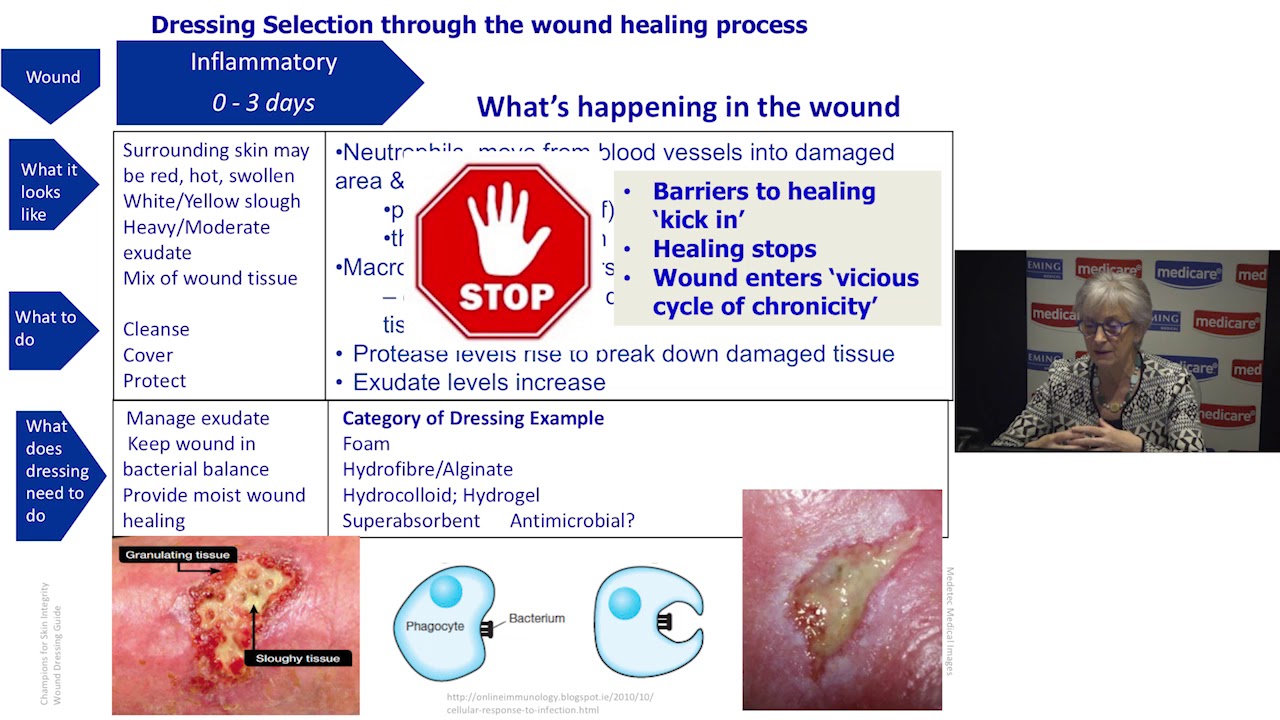
Picking the right wound dressing helps wounds heal better. There are many types of wound dressings. Each one has a special job. Using the right dressing for the wound gives the best results. It also keeps you comfortable. SLK Medical has many advanced wound care dressings for your needs.
Key Dressing Categories
Wound dressings fit into a few main groups. Each group works best for certain wounds and healing times. Here are the most common wound dressings you might use:
Gauze Dressings: These are for shallow wounds. They are simple and easy to use.
Foam Dressings: These keep wounds moist and block bacteria. You use them for deep wounds or wounds with lots of fluid.
Hydrocolloid Dressings: These make a gel when they touch wound fluid. They help wounds heal by staying moist.
Alginate Dressings: These are for wounds with lots of fluid. They soak up fluid and help stop bleeding.
Silver Dressings: These fight germs. You use them for wounds with infection or at risk of infection.
Composite Dressings: These have different materials. You use them for wounds that need more than one thing.
Contact Layer Dressings: These protect the wound and let fluid move to another dressing.
Gelling Fiber Dressings: These soak up fluid and keep the wound in a good healing place.
Specialized Dressings: For burns or surgery wounds, you may need dressings that cool or stop infection.
Tip: Always pick the dressing that fits the wound. Use gauze for small cuts, foam for deep wounds, and silver dressings for infected wounds.
There are many wound care dressing types for different needs. SLK Medical has choices for every group, so you can find the right one for each wound.
Factors in Dressing Selection
When you pick a wound dressing, think about some important things. These help you choose the best dressing for healing and comfort.
Aims of Treatment: Decide if you want less pain, faster healing, or a better look.
Wound Issues: Look for dead tissue or bad smells. Some dressings work better for these problems.
Clinical Effectiveness: Pick dressings that heal wounds well.
Economic Factors: Think about cost. The right dressing can save money by healing wounds faster.
Patient Needs: Check for allergies or sensitive skin. Some dressings are better for these people.
Local Guidelines: Some hospitals have rules about which dressings you can use.
Type of Dressing Available: Pick from hydrocolloid, foam, antimicrobial, or other types based on what you need.
Factor | Why It Matters |
|---|---|
Aims of Treatment | Helps you focus on healing goals |
Wound Issues | Guides you to the right dressing |
Clinical Effectiveness | Ensures better healing outcomes |
Economic Factors | |
Patient Needs | Improves comfort and safety |
Local Guidelines | Keeps you within approved choices |
Type of Dressing | Matches dressing to wound needs |
You should always plan your wound care. Picking the right wound care dressings helps wounds heal faster and lowers the chance of problems. SLK Medical gives you many choices, so you can always find the best dressing for your needs.
Foam Wound Dressings by SLK Medical
SLK Medical has special foam wound dressings. These dressings help people with sensitive skin and wounds that last a long time. Foam dressings keep wounds moist and block bacteria. They also help wounds heal faster. Studies show foam dressings work well for pressure injuries and diabetic foot ulcers. They also help with venous ulcers. Foam dressings keep the right amount of moisture in the wound. Experts say foam dressings should stay in place and stop leaks. They also help you feel comfortable.
Silicone Foam Dressing with Border/without Border

SLK Medical’s silicone foam dressing comes with or without a border. You use these for wounds that need extra care. The silicone layer sticks softly to your skin. This means you feel less pain when you change the dressing. These dressings are good for wounds with a lot of fluid. They work well for pressure ulcers and surgical wounds. The waterproof back keeps germs out and lets you shower safely. Silicone foam dressings lower pain and protect new skin. They fit well and do not cause skin problems like some old dressings.
Tip: Pick a bordered dressing if you want it to stay on better. Use a borderless one for hard-to-cover wounds.
Non Adhesive Foam Dressing
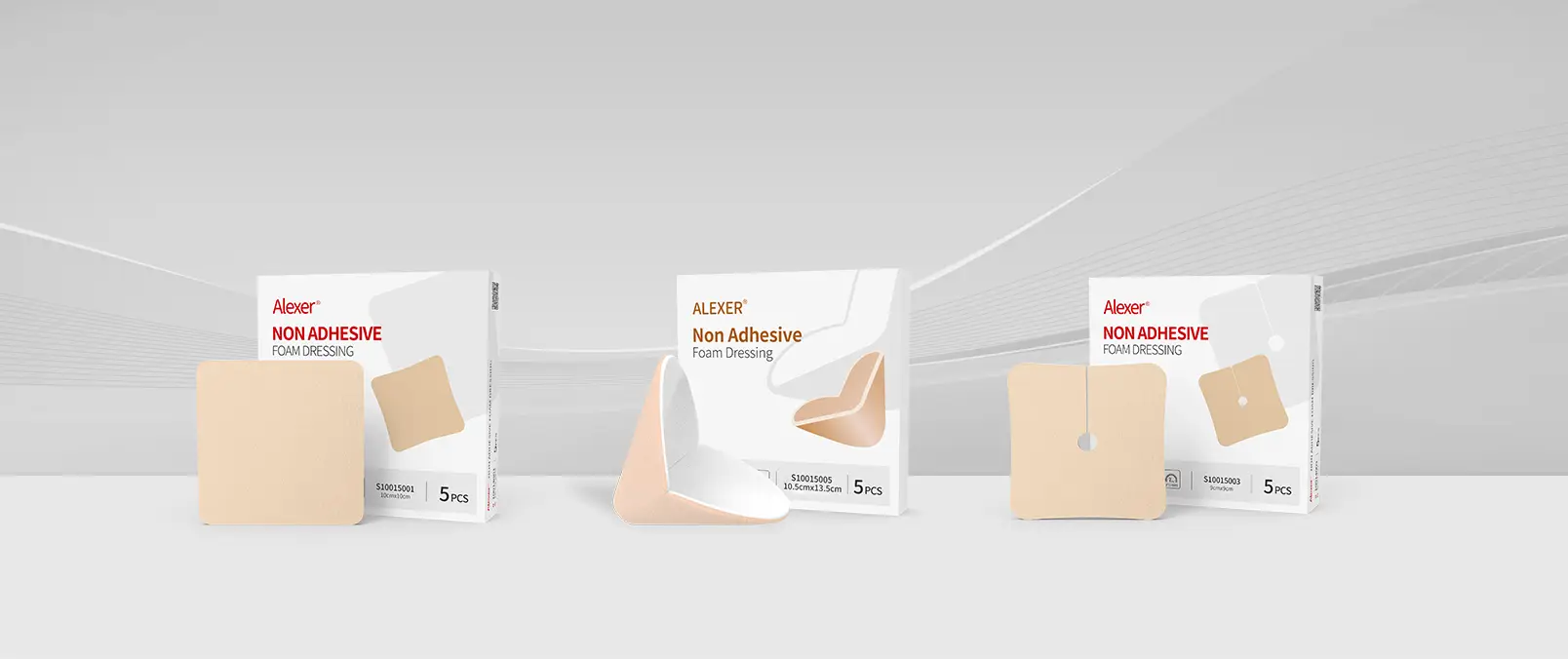
SLK Medical’s non adhesive foam dressing is good for weak or sensitive skin. You can cut it to fit any wound shape. This dressing soaks up fluid and keeps the wound moist. This helps the wound heal. It does not stick to the wound, so taking it off does not hurt. Studies show non adhesive foam dressings lower pain and help wounds heal faster. You do not need to change them as often. This saves money. The table below shows the main benefits:
Feature | Benefit |
|---|---|
Exudate Absorption | Keeps wound moist |
Comfort | Painless removal |
Safety | No trauma or skin damage |
Silicone Foam Ag Dressing with Border/without Border

If you need to stop infection, use SLK Medical’s silicone foam Ag dressing. This dressing has silver in it. Silver kills many kinds of bacteria. You use it for wounds that might get infected, like diabetic foot ulcers. Silver lowers germs and stops biofilm from growing. Using silver dressings early can help wounds heal faster. You do not need to change these dressings as much. This may help you spend less time in the hospital.
You can trust SLK Medical’s foam wound dressings. They help wounds heal, keep you comfortable, and keep you safe. They work for many types of wounds and help you heal better.
Super Absorbent Wound Dressings
SLK Medical Super Absorbent Dressing Adherent/Non Adherent
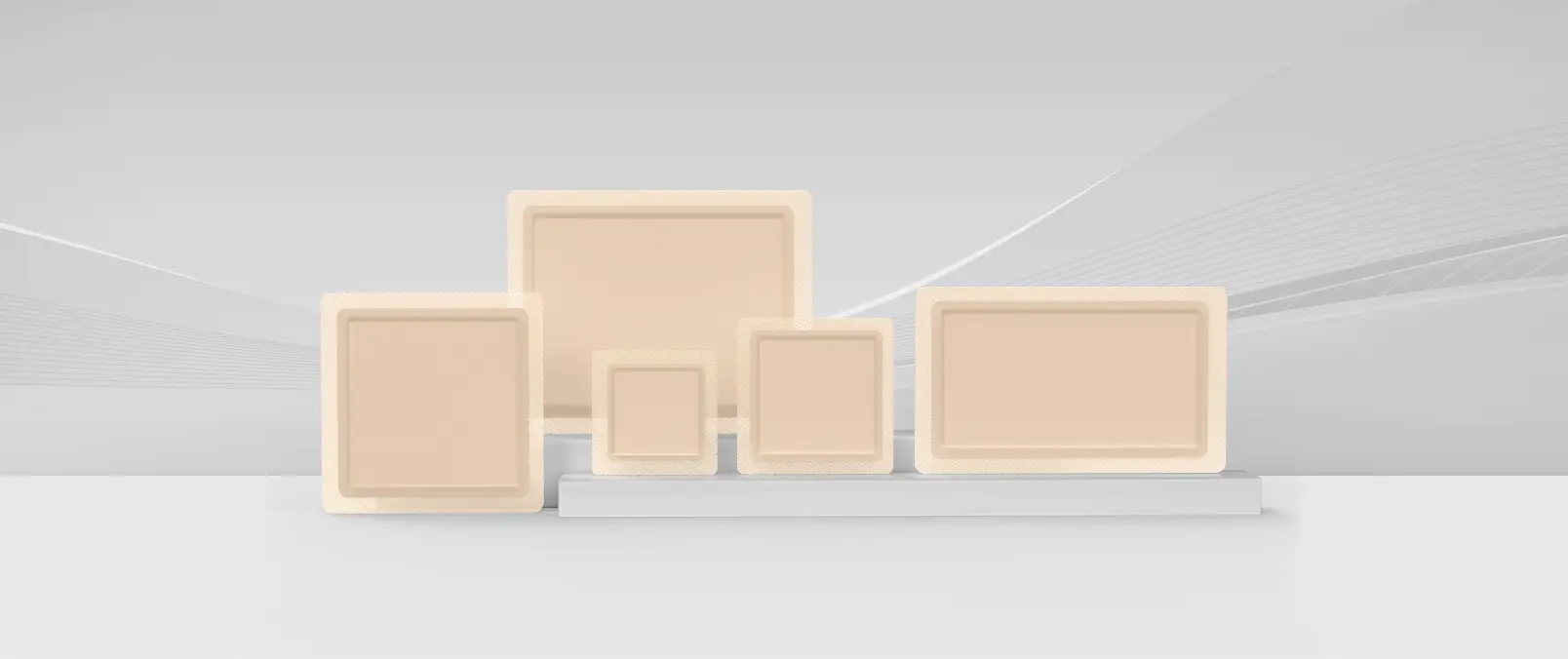
When a wound has a lot of fluid, you need a strong dressing. SLK Medical’s super absorbent dressings help with this problem. These dressings have special layers that soak up and hold lots of fluid. You can use them for ulcers, burns, and wounds that last a long time. The non-adherent layer stops the dressing from sticking to the wound. This makes changing the dressing less painful and safer. The absorbent core can hold up to 20 times its weight. You do not need to change the dressing as much. The wound stays moist, which helps it heal. The outside layer keeps leaks in and blocks germs. You get comfort and protection for wounds that need extra care.
You can look at the table below to see how super absorbent dressings compare to other types:
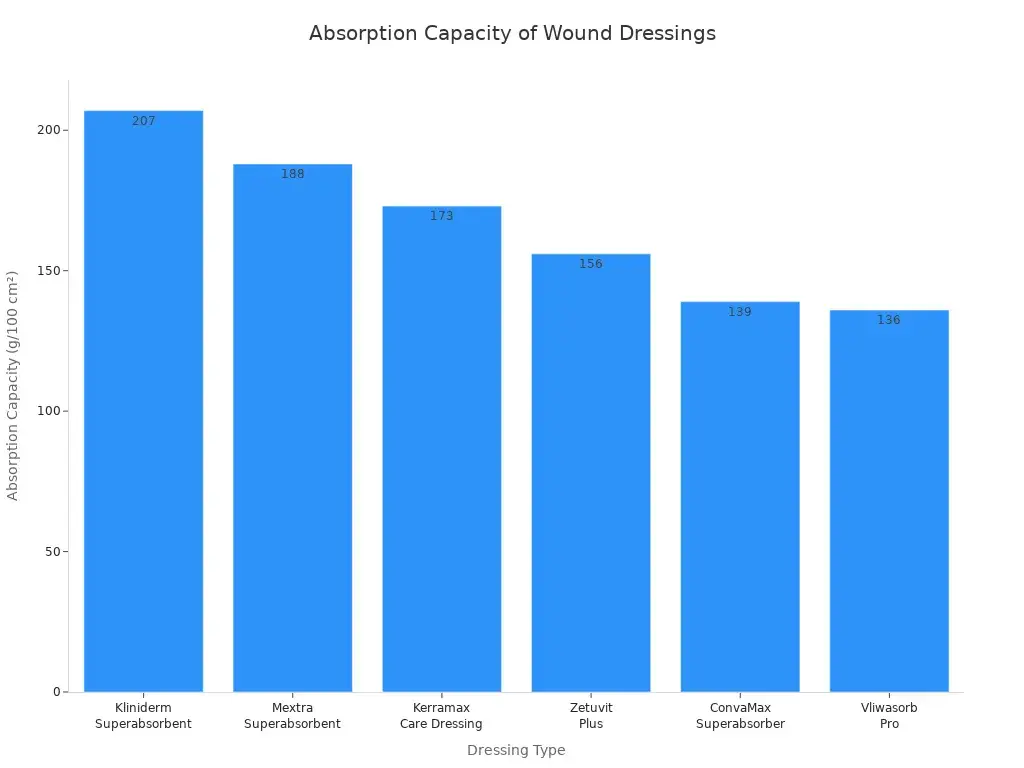
Polyurethane foams soak up more fluid than alginates and hydrocolloids. These dressings help you manage wound fluid better. Super absorbent dressings work best for wounds that need strong fluid control.
When to Use Super Absorbent Dressings
Use super absorbent wound dressings when wounds have a lot of fluid. These dressings are best for wounds that need extra absorption. You often use them for ulcers, burns, and wounds that last a long time. They are also good for surgical wounds and wounds from injuries. Super absorbent dressings are best for wounds that leak a lot. They help keep the wound clean and help it heal.
Here is a table that shows when these dressings work best:
Clinical Scenario | Effectiveness of Super Absorbent Dressings |
|---|---|
Diabetic Ulcers | Best for wounds with moderate to high exudate |
Leg Ulcers | Best for wounds with moderate to high exudate |
Surgical Wounds | Best for wounds with moderate to high exudate |
Traumatic Wounds | Best for wounds with moderate to high exudate |
Postoperative Wounds | Best for wounds with moderate to high exudate |
Note: Always check the wound often. If you see a lot of fluid, super absorbent dressings are a good choice. They help wounds heal and lower the chance of infection.
You can trust SLK Medical’s super absorbent dressings for ulcers, burns, and wounds that last a long time. These dressings are best for wounds that need strong absorption and comfort. They help wounds heal and keep them safe.
Hydrocolloid Wound Dressing
SLK Medical Hydrocolloid Dressing
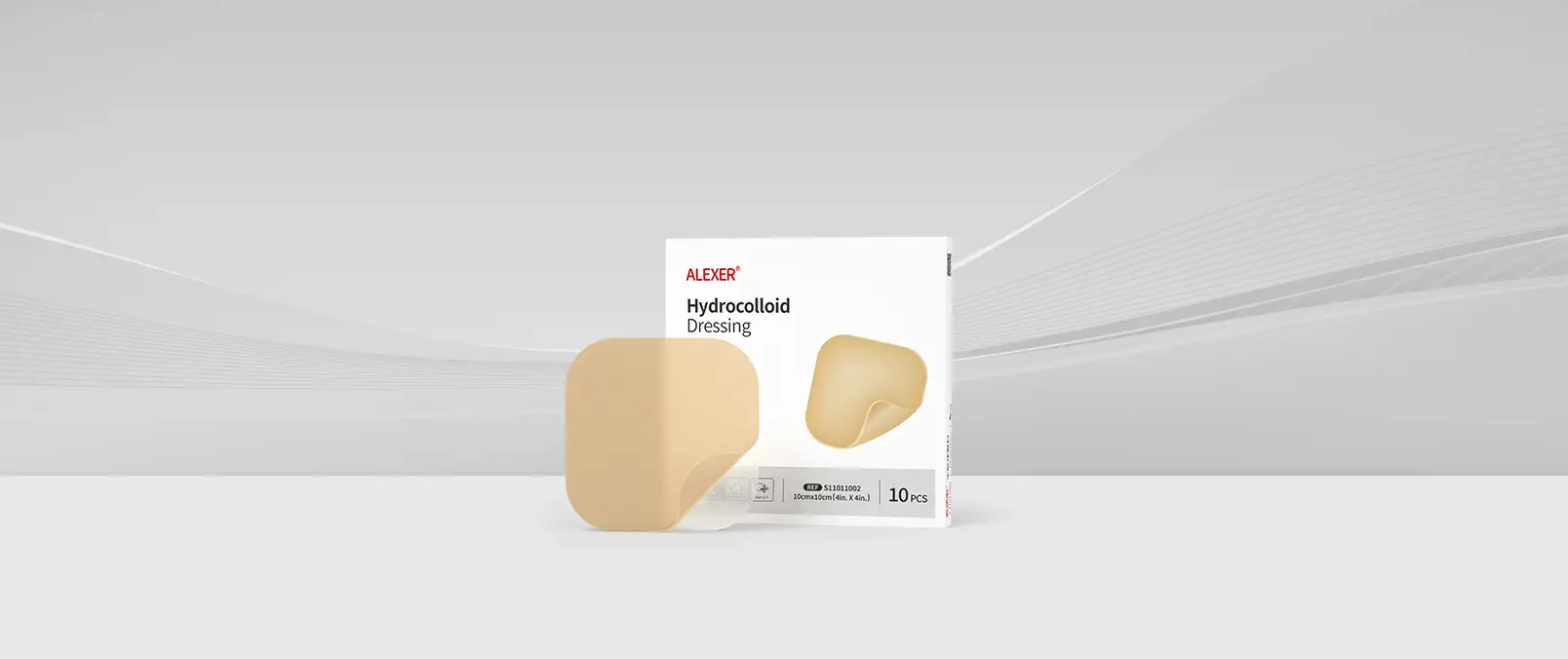
SLK Medical has a hydrocolloid wound dressing. You can use it for ulcers. This dressing is gentle and works well. It has hydrophilic particles. These particles turn into a gel when they touch wound fluid. The gel keeps the wound moist. This helps the wound heal. The dressing is thin and bends easily. It fits many body parts. You can see through the dressing. This lets you check the wound without taking it off. The dressing covers nerve endings. This helps lower pain. It also seals the wound and keeps out bacteria.
SLK Medical’s hydrocolloid dressings help with ulcers and small burns. They keep the wound moist. This helps the wound heal. The dressing soaks up fluid and makes a gel. The gel helps clean the wound. You can use this dressing for wounds that need gentle care.
Tip: Hydrocolloid dressings are good for wounds that do not need many changes. The gel keeps the wound moist and helps it heal.
Best Uses for Hydrocolloid Dressings
Hydrocolloid dressings work for many ulcers. They are good for pressure ulcers and small burns. You can use them for wounds with a little or medium amount of fluid. These dressings help wounds heal better. They keep the wound moist. Studies show hydrocolloid dressings help wounds heal twice as well as saline gauze. They also help the wound clean itself. This is called autolytic debridement.
Hydrocolloid dressings help wounds heal and keep them moist. This is important for pressure ulcers.
These dressings help wounds heal faster. They support collagen and keratinocyte growth.
The thick layer helps the immune system and lowers infection risk.
Studies show hydrocolloid dressings work best for ulcers in people who cannot move their legs.
You can see how hydrocolloid dressings help wounds clean themselves in this table:
Property | Description |
|---|---|
Composition | Made of carboxymethylcellulose and other hydrocolloids, providing absorption |
Function | Absorbs exudates and necrotic tissue by forming a gel |
Environment | Maintains a slightly acidic, bacteriostatic environment |
Additional Benefits | Reduces friction forces, enhancing wound healing |
Hydrocolloid dressings give a safe and moist place for ulcers to heal. You feel less pain and do not need to change the dressing often. Wounds heal faster and have a lower chance of infection.
Other Common Wound Dressings
Transparent Film Dressings

You can use transparent film dressings to see the wound. You do not have to take off the cover. These dressings help you check healing and keep out dirt. They make a moist place for healing. This helps the wound clean itself. Transparent film dressings also protect skin from rubbing and bumps. You can look at the wound quickly. The dressing blocks germs and helps wounds heal faster. You feel less rubbing and more comfort. Studies show these dressings keep in more moisture than silicone-coated films. You might see more problems with transparent film dressings. But they still let you watch the wound closely.
Alginate Dressings
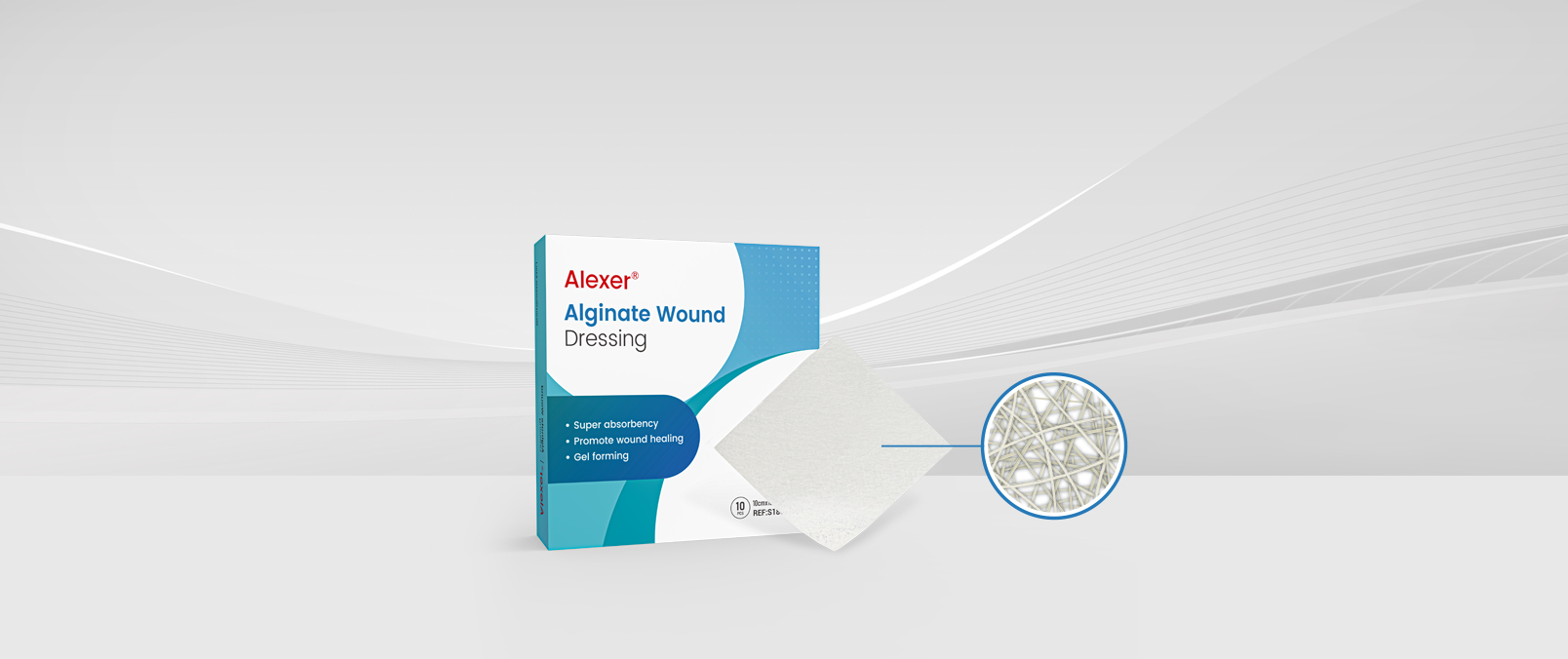
Alginate dressings are made from seaweed. You use them for wounds with lots of fluid. These dressings soak up liquid and help stop bleeding. You may pick alginate dressings for burns, ulcers, or wounds that leak. They turn into a soft gel when they touch fluid. This helps wounds heal. You can take them off easily without hurting your skin.
Gelling Fiber Dressings
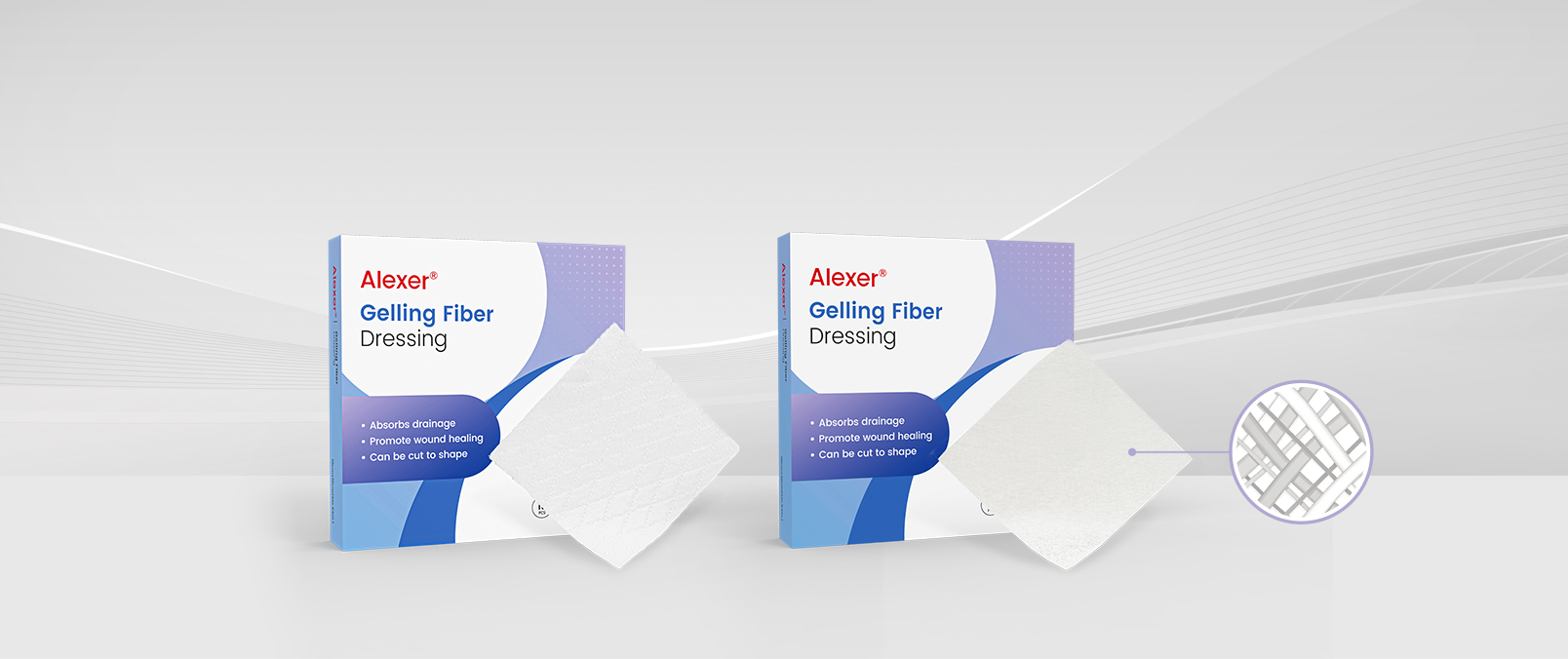
Gelling fiber dressings help with wounds that have infection or lots of fluid. These dressings turn into a gel when they touch wound fluid. You get better soaking and less chance of infection. One study showed gelling fiber dressings control fluid well. They also help wounds get smaller faster than other types. Silver gelling fiber dressings need fewer changes. They work well for diabetic foot ulcers and abscesses.
Study Type | Findings | Wound Area Reduction |
|---|---|---|
Multicenter Randomized Controlled Trial | Gelling fiber dressing vs CMC fiber-based dressing | 50% for gelling fiber, 42% for comparator |
4-week Study | Silver-containing PVA fiber dressing | Excellent exudate management, 1 weekly dressing change for over half of the group |
Medical Silicone Tape
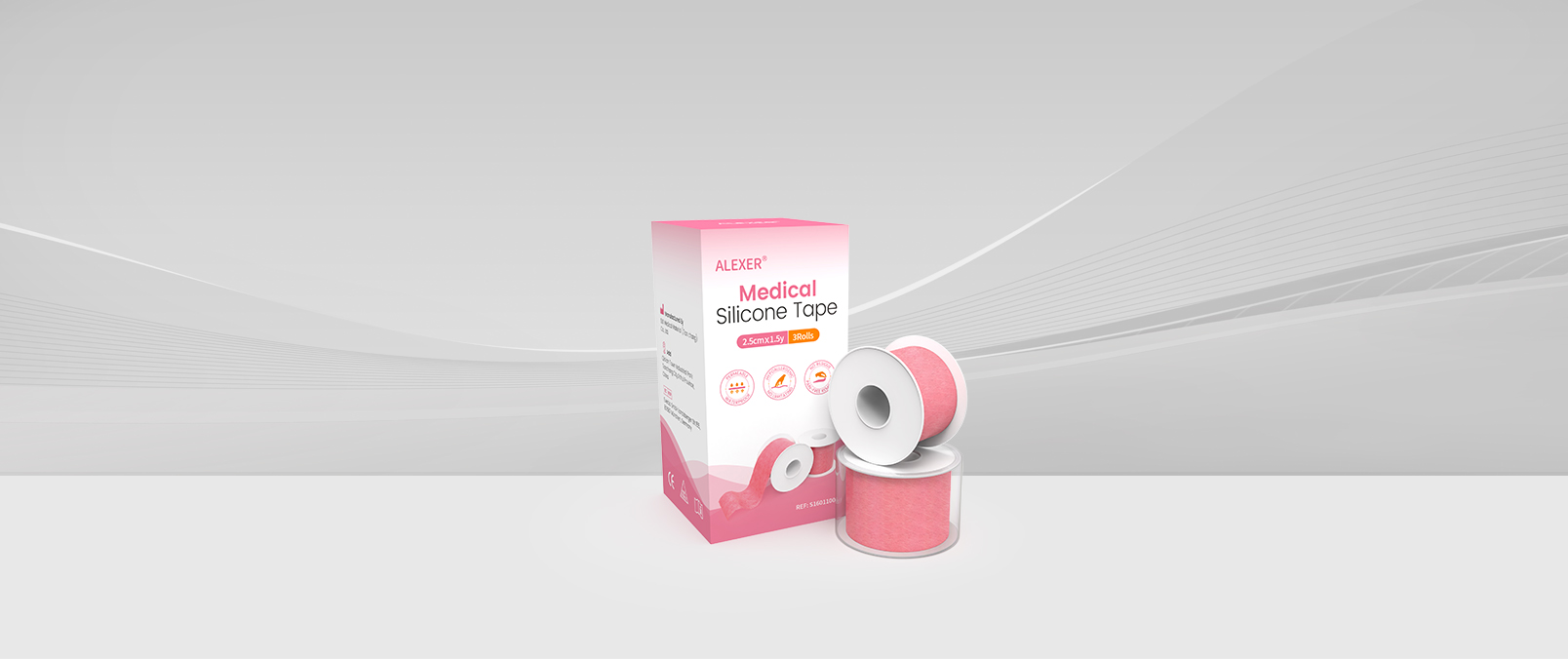
Medical silicone tape helps you hold dressings in place without hurting skin. You use it for wounds after surgery, for kids, or when you need gentle removal. Silicone tape lowers the chance of skin injury. It works well for people with sensitive skin. You can move it and use it again.
Recommended Use | Benefit |
|---|---|
Securing post-operative dressings | Stops skin damage and sticky marks, can use many times with no irritation. |
Atraumatic removal | Lowers skin injury risk for people with sensitive skin. |
Pediatric and oncology care | Gentle hold, keeps skin safe for children and cancer patients. |
Dressing change protocols | Easy to move, makes less waste, feels better. |
Enhancing patient satisfaction | Fewer problems, better comfort during dressing changes. |
Tip: You can use medical silicone tape to hold gauze dressings in place. This gives you more comfort and safety.
You have many wound dressing choices. Picking the right one helps wounds heal and keeps you comfortable.
Factors Affecting Wound Healing
Moisture Balance
You help wounds heal faster when you keep them in a moist healing environment. Moisture lets new skin cells move and grow. If wounds dry out, they form hard scabs called eschar. This slows down healing. You need to control moisture to stop wounds from getting too wet or too dry. Clinical studies show that wounds in a moist wound environment heal twice as fast as dry wounds. Moist conditions also lower pain and help your body clean the wound by itself. You see less scarring and better tissue growth.
Evidence Type | Findings | Source |
|---|---|---|
Epithelization | Faster rates when wounds are kept moist | Winter, 1962 |
Eschar Formation | Less eschar in moist environments | Winter, 1962 |
Healing Rates | Double the healing rates in moist conditions | Winter, 1962 |
Growth Factors | More growth factors and proteins stay on the wound surface | Tan and Dosan, 2019 |
Cell Movement | Keratinocytes and fibroblasts move better | Tan and Dosan, 2019 |
Collagen Synthesis | More fibroblast activity for collagen | Tan and Dosan, 2019 |
Scarring | Less scarring with moist wound healing | Hackl, 2014 |
Pain Perception | Lower pain in moist environments | Ousey et al, 2016 |
Tip: You should always check the wound and use dressings that keep it moist but not soggy.
Infection Risk
You must protect wounds from infection, especially infected wounds. Germs can slow healing and cause more problems. Some dressings help block bacteria and keep wounds clean. You use special dressings for infected wounds to lower the risk of infection. Studies show that using advanced dressings can reduce infection rates after surgery. You see lower rates of serious infections when you use dressings that control moisture and block germs.
Dressing Type | Superficial SSI Rate | Postsurgical Mediastinitis Rate |
|---|---|---|
Conventional Gauze (Mepore®) | 2.3% | 2% |
Absorbent Polyurethane Foam (Mepilex®) | 3% | 2% |
Vacuum-Negative-Pressure Therapy (PICO®) | 3% | 0.7% |
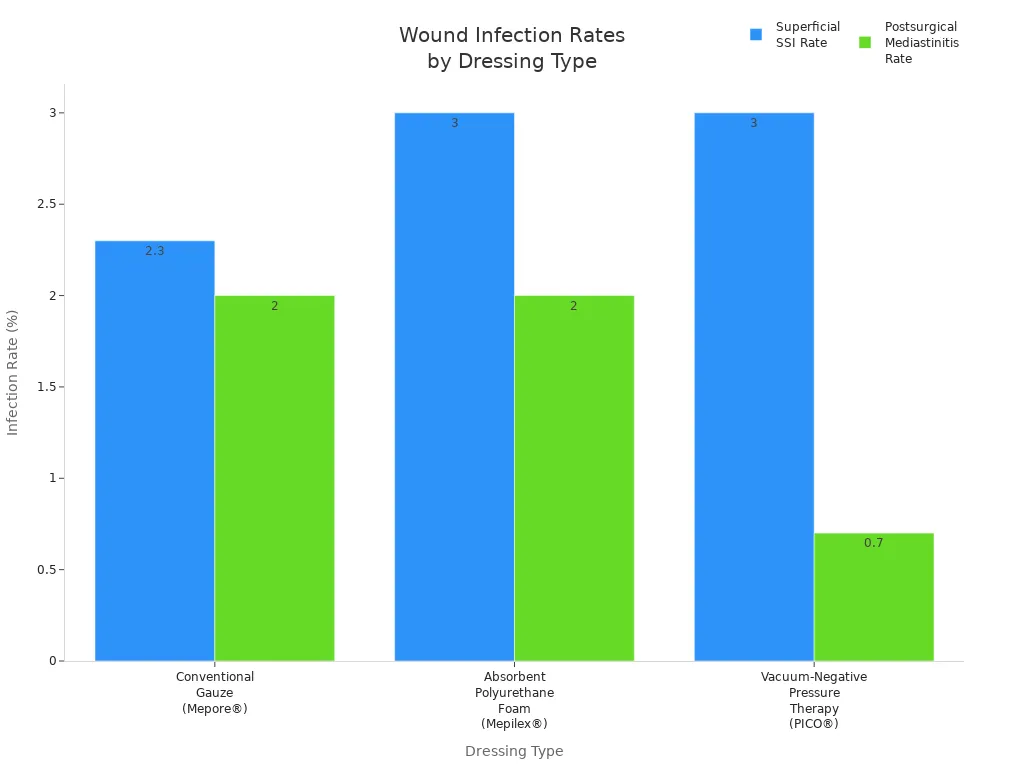
Note: You should always watch for signs of infected wounds, such as redness, swelling, or pus.
Patient Comfort
You feel better and heal faster when you are comfortable. Patient comfort helps you stick to your wound care plan. If dressings hurt or bother you, you may not follow the care steps. Surveys show that patients who feel listened to and involved in decisions do better. You heal faster when you help choose your care. Empathy from your care team makes a big difference. Poor comfort can lead to skipping treatments, even if they work well for infected wounds.
Patients who feel involved show better motivation and follow their wound care plan.
Empathy and comfort help you heal and feel better.
Poor comfort can make you avoid care, even for infected wounds.
Tip: You should talk to your care team about comfort and pain. This helps you get the best care for your wound.
How to Choose the Best Wound Dressing
Assessing Wound Type
You need to look at the wound closely before you pick dressings. Start by measuring the size and depth. Check the tissue in the wound bed to see how it is healing. Watch the amount, color, and thickness of any fluid. Look at the edges to see if they are healthy. Check the skin around the wound for redness or dryness. Ask about pain. These steps help you understand what the wound needs.
Check the tissue type in the wound bed.
Watch the exudate for amount, color, and consistency.
Look at the wound edges for signs of healing.
Examine the skin around the wound.
Ask about pain levels.
Exudate Level
You should match the dressing to the amount of fluid. If the wound leaks a lot, use dressings that soak up more. If there is little fluid, use dressings that keep the wound moist.
Infection Risk
You need to think about infection. If you see redness, swelling, or pus, choose dressings that block germs. Some dressings have silver or other things that fight infection.
Chronic vs. Acute Wounds
You must know if the wound is old or new. Acute wounds heal in a short time. Chronic wounds take longer and may need special dressings. You may need to change the dressing as the wound healing process moves forward.
Practical Tips for Selection
Skin Sensitivity Considerations
Pick dressings that are gentle if the skin is sensitive. Silicone foam dressings work well for fragile skin.
Dressing Change Frequency
Choose dressings that last longer if you want fewer changes. This helps with comfort and saves time.
Comfort and Cost-Effectiveness
You should pick dressings that do not hurt when you remove them. Make sure they are also a good value and last on the shelf.
Consulting SLK Medical for Solutions
You can find many advanced wound dressings at SLK Medical’s website. The site has a section for proper wound care. You will see options for post-operative wounds, ulcers, and acute wounds. SLK Medical’s products help with healing, lower infection risk, and make you more comfortable.
Tip: Involve patients in choosing dressings. This helps them follow the care plan and improves results.
Step | What to Do |
|---|---|
Assess the wound | Measure, check tissue, watch fluid, check pain |
Pick the dressing | Match to fluid, infection, and wound type |
Think about comfort | Choose gentle, long-lasting, cost-effective |
Get expert help | Visit SLK Medical for advanced solutions |
You help wounds heal better when you pick the right dressing. Studies show that each wound dressing works best for certain wounds.
What It Does | Best For | |
|---|---|---|
Film Dressings | Very thin and clear, let air in, block germs | Small wounds with little fluid |
Modern Dressings | Keep wounds moist, let oxygen in, fight germs, heal fast | Long-lasting wounds like diabetic foot ulcers |
SLK Medical’s advanced dressings make healing easier and quicker. You should ask a doctor for help with hard-to-treat wounds. Check out SLK Medical’s wound care products for better healing.
FAQ
What is the best dressing for wounds with a lot of fluid?
You should use a super absorbent or foam dressing. These dressings soak up extra fluid and keep the wound moist. They also help prevent leaks and lower infection risk.
How often should you change a wound dressing?
You should check the dressing every day. Change it if it gets wet, dirty, or loose. Some advanced dressings can stay on for up to 7 days.
Can you shower with a wound dressing?
You can shower with waterproof dressings like silicone foam or transparent film. These dressings keep water and germs out. Always check the dressing after your shower.
What dressing works best for sensitive skin?
You should pick silicone foam dressings. These dressings are gentle and do not stick to the skin. They help lower pain during dressing changes and protect fragile skin.


