


Imagine you meet a patient who has a wound that will not heal. You use your wound care skills and see the wound get better fast. You feel sure of yourself because you learned these skills in a wound dressing course. Advanced training helps you stop problems and heal wounds faster. You can really help patients get better care. Brands like SLK Medical help you learn by giving new wound care products.
Key Takeaways
A wound dressing course teaches healthcare workers important skills. They learn how to look at wounds and pick the right dressings. This helps patients heal faster.
Practice with new products, like those from SLK Medical, helps build confidence. It gets providers ready for real patient care.
Learning how to control infection is very important. It stops infections and keeps everyone safer. This helps both patients and healthcare workers.
Good notes and talking with the team help patient care. It keeps everyone updated and makes sure records are correct.
Finishing a wound dressing course can help your career. Certified workers are wanted by employers. They may get better job offers.
Wound Dressing Course Overview
Course Content and Structure
A wound dressing course teaches you many key things. First, you learn basic wound care. Then, you move on to harder skills. You find out how wounds heal and how to care for skin. You learn how to look at wounds and pick the best dressing. The course also talks about how food and habits help healing. You learn about laws and see real-life examples to practice.
Here is a table that lists the main things you will learn:
Pathophysiology, epidemiology, prevention guidelines of pressure ulcers |
Risk factors, staging, management |
Wound bed preparation |
Medico legal implications |
Diagnosis and pathophysiology of neuropathic ulcers |
Recognition of charcot arthropathy, osteomyelitis, vascular assessment |
Nutrition and other host factors contributing to healing |
Principles of physical medicine and rehabilitation |
Patient safety and education |
Evidence-based research in wound healing |
You get to practice with advanced dressings. SLK Medical gives you new products to use and learn.
Who Should Enroll
If you work in healthcare, you should think about this course. It is made for:
Nurse practitioners
Clinical nurse specialists
Physical therapists
Physicians
Physician’s assistants
This course helps you get better at wound care.
Clinical Relevance
You use wound care skills often at work. The course shows you how to stop infections and help wounds heal faster. You learn how to keep patients safe and feeling good. Healthcare today needs people who know new skills. SLK Medical gives you the best products to learn with. You feel more sure of yourself and help patients heal quickly.
Essential Skills from a Wound Dressing Course
Wound Assessment Techniques
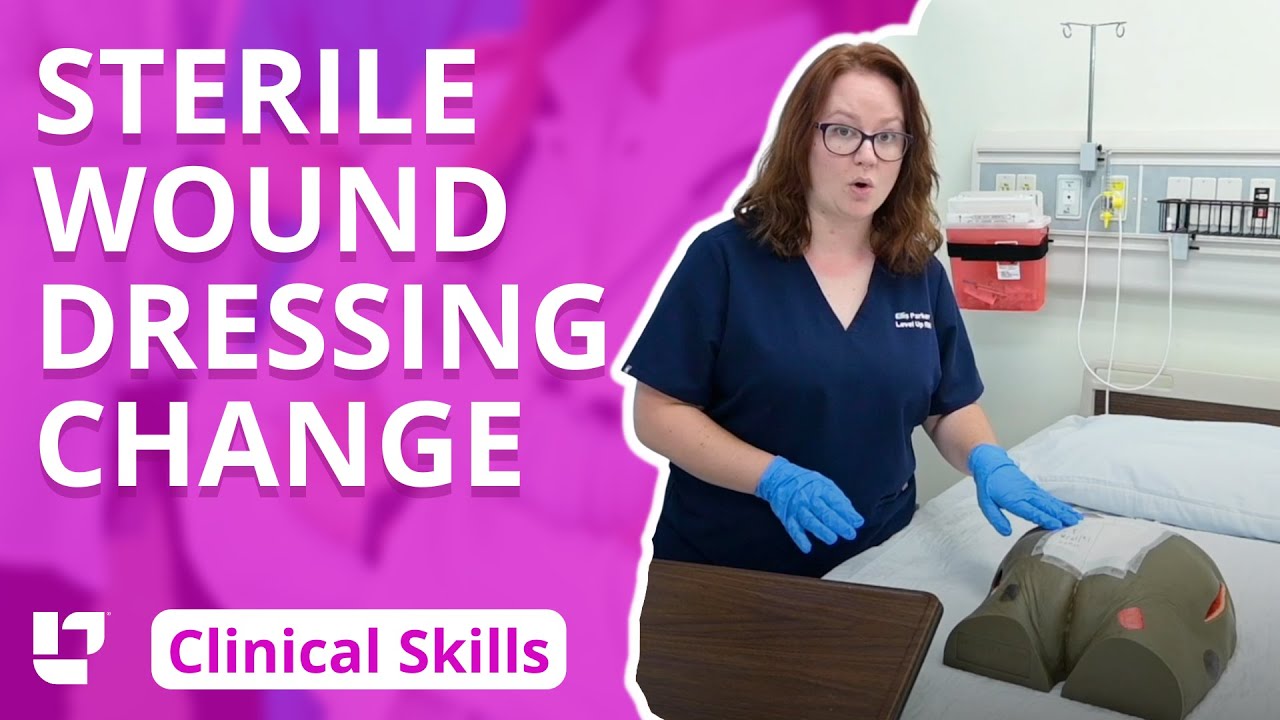
You always start with a careful check of the wound. In the course, you learn to measure wounds using the clock face and longest axis. These ways help you measure the same as other healthcare workers. You use the same method each time, so everyone understands. You also learn to take pictures and keep good notes. This helps you see how wounds heal and find problems early. You follow infection control steps to keep everyone safe.
Dressing Selection and Application
You must know how to choose the right dressing for each wound. The course teaches you about many dressings, like hydrocolloids, alginates, and composite dressings. You also learn about advanced products from SLK Medical, such as Alexer Non Adhesive Foam Dressing, Silicone Foam Ag Dressing without Border, Super Absorbent Dressing Non Adherent, Hydrocolloid Dressing, and Transparent Dressing. These dressings help with wounds that drain a lot or have weak skin. You practice putting dressings on and taking them off in class. You use real products and tools to learn. This hands-on practice helps you feel sure and ready for real patients. Studies show that practice makes you more accurate.
Infection Control Practices
You learn how to stop infections before they happen. The course teaches you the main rules for infection control. You wear gloves, gowns, and masks when needed. You wash your hands the right way, following CDC rules. You throw away sharp things in special containers. You get training every year to keep your skills strong. Here is a table that shows the main infection control steps:
Infection Control Practice | Description |
|---|---|
Standard Precautions | Treat all blood and body fluids as possibly infectious |
Personal Protective Equipment | Use gloves, gowns, masks, and more during wound care |
Hand Hygiene | Wash and sanitize hands before and after touching wounds |
Sharps Disposal | Put sharp objects in special, safe containers |
Training and Recordkeeping | Get yearly training and keep records of infection control actions |
When you use these skills, you help stop infections. You also make your workplace safer for everyone.
Documentation and Communication
You learn to keep clear and complete records. You use the same words as other healthcare workers. You use electronic health records to save and share information. You check wounds often and write down what you see. If you find a problem, you record it right away. You take pictures to show changes over time. You update care plans as wounds heal. You keep patient information private and follow the law. You work with your team and share updates. Good communication helps everyone know what to do and keeps care on track.
Patient Education and Aftercare
You teach patients how to care for their wounds at home. You make a plan that fits each patient’s needs. You use simple words, pictures, and videos to help them learn. You ask patients to show you what they learned, so you know they understand. You include family members in the teaching, so they can help too. You give information in small steps, so it is not too much at once. You use technology, like reminders or apps, to help patients remember what to do. You set clear goals and explain what to expect. When you give good aftercare instructions, patients feel better and heal faster. They avoid problems like infections and come back with fewer worries.
By learning these skills in a wound dressing course, you become a stronger healthcare provider. You use advanced products from SLK Medical to give the best care. You help your patients heal faster and feel more confident in their recovery.
Practical Benefits for Healthcare Providers
Improved Patient Outcomes
When you learn wound dressing skills, you help patients heal faster. You use advanced products, like silicone foam dressings from SLK Medical. These dressings keep wounds moist and make dressing changes less painful. They stick softly to the skin and hold moisture well. This helps wounds get better quickly. Patients need fewer treatments, and you see good results sooner. Patients feel happier when you use these new ways and products.
Professional Growth
Finishing a wound dressing course gives you more knowledge and confidence. You learn new methods and get better at treating many wounds. Certification shows you can handle tough cases and use new products. Patients trust you more, and your team depends on your skills. You can join programs to keep learning and growing.
Program Name | Features | Contact Hours |
|---|---|---|
WTA Your Way | Customized, self-paced, designed for all healthcare providers, 14 courses available | Up to 14.75 |
WTA® Program | Comprehensive education, pathway for WTA-C Certification, hands-on training | 32.25 |
Certified nurses help patients feel safe and get better care. You build strong skills and become a leader at work.
Career Advancement
You get new chances when you finish a wound dressing course. Many employers want nurses and doctors with special training. You stand out because you have a certification. You may get more job offers, better pay, or leadership jobs.
Specialty certifications show you are skilled and dedicated.
Certified nurses often get more chances for promotions.
Many healthcare workers say wound care training made them feel more confident and helped with job applications.
Surveys show over 30% of professionals need wound care qualifications for their jobs.
Most people with extra training feel ready for their roles.
Tip: When you spend time learning, you build a strong future. You help patients, grow your skills, and move up in your career.
Choosing the Right Wound Dressing Course
Accreditation and Certification
Pick a wound dressing course that follows high standards. Accredited courses teach you the right skills. Many good programs follow rules from trusted groups. One example is the American Nurses Credentialing Center’s Commission on Accreditation. Look at the table below to see what you should check:
Accreditation Body | Accreditation Status |
|---|---|
American Nurses Credentialing Center’s Commission on Accreditation | Accredited as a provider of nursing continuing professional development |
Getting certified from a good course helps with education needs. You may need a current RN license and special training. Some courses give you credits for learning. You might need to renew your certification by taking more classes or showing your work.
Finish an accredited nursing program in the last five years.
Complete 50 education credits and 1,500 hours in wound care.
Have a bachelor’s degree or higher.
Curriculum Quality
Choose a course that teaches the newest wound care methods. Good programs use proven practices. They do not teach old ways like wet-to-dry dressings. You learn to pick dressings using research and patient needs. The best courses cover many topics. Check the table below to see what you will learn:
Curriculum Element | Description |
|---|---|
Learn to choose dressings after checking the wound. | |
Advanced Techniques | Practice new methods like debridement and palliative care. |
Ethical and Professional Considerations | Study ethics, culture, and teamwork in wound care. |
Courses include new research and product updates. You learn about antimicrobial dressings, color-changing dressings, and new technologies like Negative Pressure Wound Therapy.
Hands-On Training
You need practice to get strong skills. Hands-on training helps you feel ready for real patients. You work with advanced products, like those from SLK Medical. You use dressings such as silicone foam, hydrocolloid, and transparent dressings. Training uses real-life situations and teamwork with other healthcare workers.
Practice using real products and tools.
Work in pretend emergencies.
Share ideas and learn from others.
Build confidence for tough wound care.
A wound dressing course with hands-on practice and new products helps you succeed.
You learn important skills and feel more confident after finishing a wound dressing course. Learning more helps hospitals have fewer pressure injuries. It also helps nurses keep better records and makes staff happier.
Benefit | Description |
|---|---|
Nurses check wounds well and act quickly. | |
Improved reimbursement | Good records help work go faster. |
Higher staff retention | Certification makes staff feel proud. |
Stronger safety culture | Trained staff speak up for patients. |
SLK Medical’s advanced wound care products help you give care that fits each patient. They also help wounds heal faster. You can help patients get better and grow your career. Sign up for a course to learn more skills.
FAQ
What skills will you learn in a wound dressing course?
You will learn how to assess wounds, choose dressings, prevent infection, document care, and teach patients. You will practice with advanced products like those from SLK Medical.
Who can join a wound dressing course?
Nurses, doctors, physical therapists, and other healthcare workers can join. You do not need special experience. You only need a desire to improve your wound care skills.
How do SLK Medical products help you in training?
SLK Medical products, such as silicone foam and hydrocolloid dressings, let you practice with real tools. You see how advanced dressings work and learn to use them for different wounds.
Why is hands-on practice important in wound care education?
Hands-on practice helps you build confidence. You learn by doing, not just by reading. You get ready for real patients and understand how to use dressings safely.


