


You notice a big change when new wound care is used. Modern wound dressing materials help you heal faster. They also help you feel less pain. These dressings fight bacteria and help with pain. They have smart features that watch your wound. Clinics using these dressings see healing time drop by 15.7%. You get better skin protection and more comfort. You also spend less time waiting for wounds to heal.
Wounds heal faster and you feel more comfortable
Smart sensors watch your wound all the time
Treatment costs less and you learn more about care
Key Takeaways
Modern wound dressings help wounds heal more quickly. They also make pain less and help you feel better as you get better.
Smart bandages have sensors that watch your wound. They give updates right away to you and your doctor. This helps you both take care of the wound well.
Bioactive dressings use special materials to stop infection. They also help new tissue grow, which makes healing better.
Advanced dressings keep the wound moist. This is important for faster healing and less scarring.
Using new wound care products can save money. They do this by needing fewer dressing changes and stopping infections.
What Makes Wound Dressing Materials Innovative
Key Features of Modern Dressings
You see a big difference when you use modern wound care products. These dressings do more than just cover a wound. They help your body heal faster and better. Modern wound dressing materials use new technology to keep wounds moist, control infection, and support new tissue growth. You can find dressings that fit many needs, from burns to ulcers.
Here is a table showing how different types of dressings work:
Type of Dressing | Characteristics |
|---|---|
Passive | Covers the wound and protects it. |
Interactive | Blocks bacteria and keeps the wound moist. |
Bioactive | Helps your body heal by supporting cell growth. |
Most modern wound care products have these key features:
Moisture management to keep the wound from drying out
Infection control to stop bacteria from growing
Support for new tissue to help wounds close faster
Flexibility so you can move without pain
Easy use with other treatments
You can also find dressings like hydrocolloids, foams, and transparent films. Each type helps in a special way, such as keeping wounds moist or letting you check the wound without removing the dressing.
Transforming Healing Outcomes
You benefit from these new wound dressing materials because they change how wounds heal. Growth factors in some dressings help your cells move to the wound and start healing quickly. Some dressings use living cells to speed up recovery and improve the quality of new skin. Moisture-retentive dressings fit different wounds, from dry to wet, and help wounds heal faster.
When you use advanced dressings, you often see wounds heal in less time and with less pain. You also lower the risk of infection and scarring. Modern wound care gives you better results and helps you get back to your daily life sooner.
Traditional vs. Next-Generation Wound Care
Limitations of Conventional Dressings
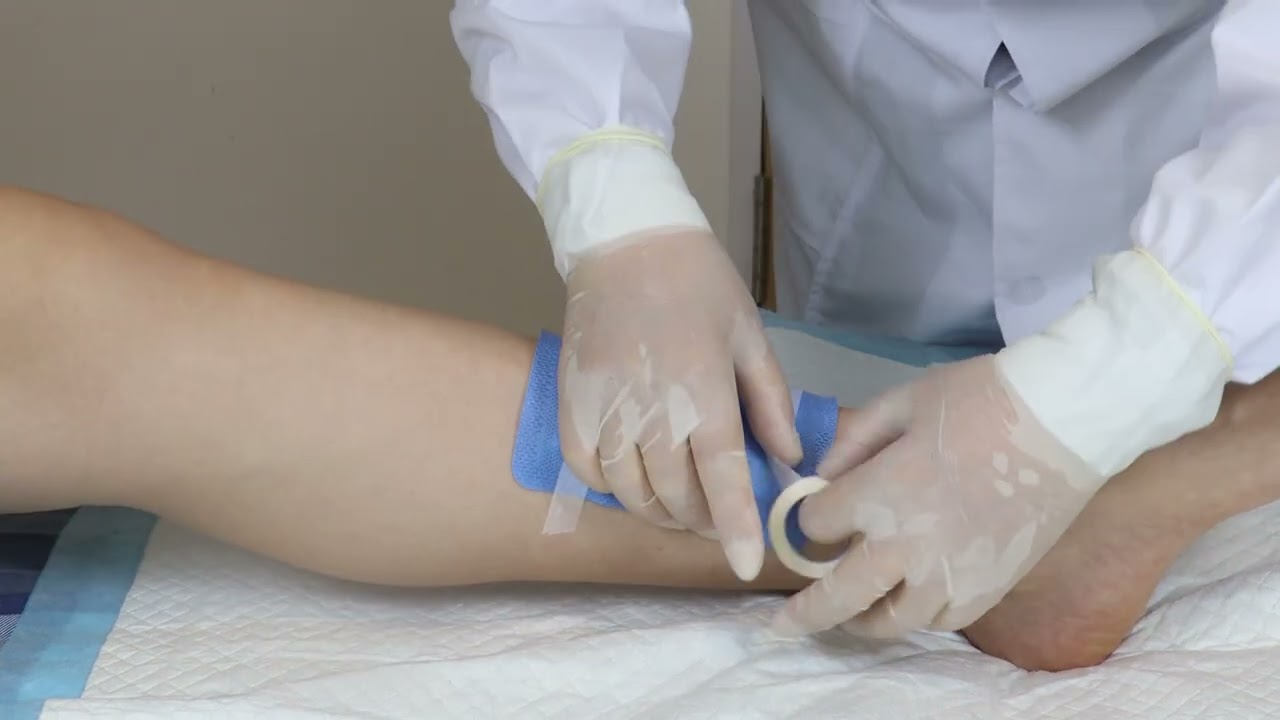
You may know traditional wound dressings like gauze and cotton pads. These dressings cover the wound and keep dirt out. They do not help your body heal faster. You often need to change them many times a day. This can cause pain and disturb the healing skin. Traditional dressings do not control moisture well. If a wound gets too dry, it can slow healing. If it gets too wet, it can cause skin problems. These dressings do not fight bacteria or help new tissue grow. You may see more infections and slower healing with these older methods.
Note: Conventional dressings protect wounds but do not offer extra support for healing. You may feel more pain and see slower results.
Advances in Materials and Technology
Next-generation wound care materials change how you heal. These new dressings use smart designs and advanced science. You get faster healing and better tissue repair. Hydrogel-based scaffolds and nanofiber dressings copy the structure of your skin. They help your cells grow and close wounds quickly. Many new dressings have antimicrobial properties. This means they fight bacteria and lower your risk of infection. Some dressings release growth factors or even use stem cells. These features help chronic wounds heal better. Smart dressings can watch your wound and send alerts if there is a problem. Custom 3D-printed scaffolds can fit complex wounds and help them heal.
Here is a table showing some of the latest technologies in wound care:
Technology Type | Description |
|---|---|
Smart Bandages | Bandages that monitor wounds or help them heal faster. |
Bioactive Materials | Dressings that copy your body’s healing process, like hydrogels and scaffolds. |
Nanotechnology | Tiny particles that deliver medicine or fight germs right where you need it. |
You see better results with these new materials. Healing happens faster, and you feel less pain. You also lower your risk of infection and get back to your daily life sooner.
Bioactive Wound Dressings and Their Benefits
Types and Mechanisms
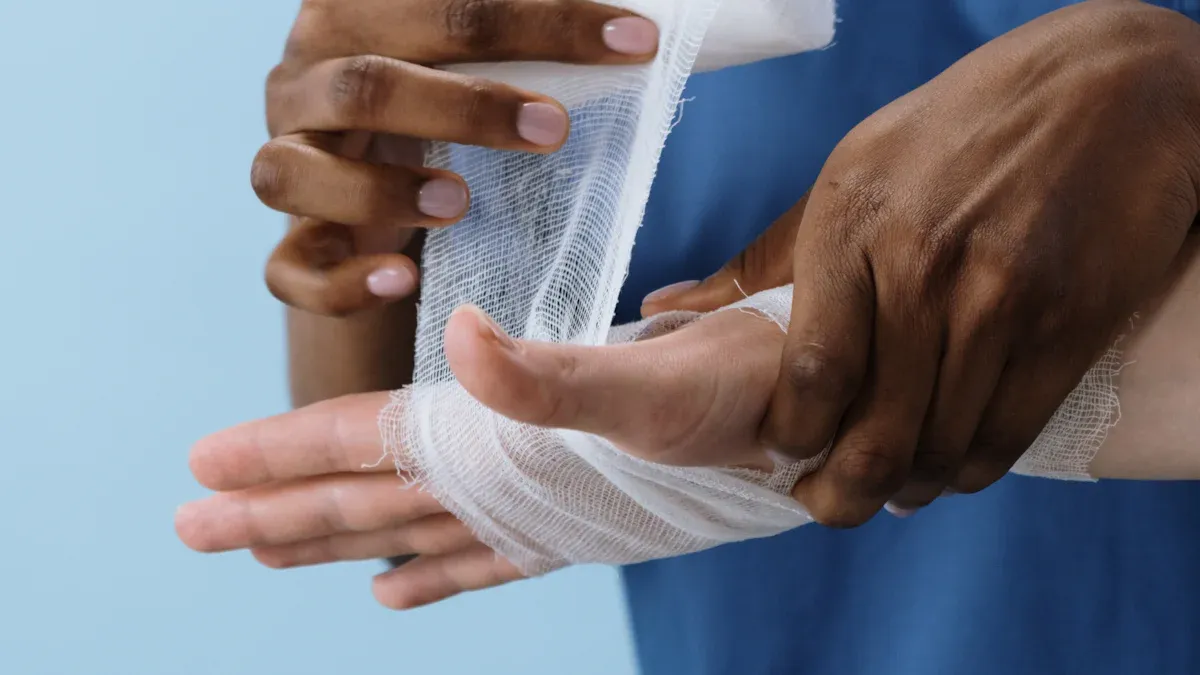
There are many kinds of bioactive wound dressings today. These dressings use bioactive materials to help you heal faster. Each kind works in its own way to help healing. Some dressings fight infection and keep the wound moist. Others help new tissue grow or release medicine.
Here is a table that shows the main types of bioactive wound dressings and how they work:
Type of Dressing | Mechanism of Action |
|---|---|
Antimicrobial Dressings | Release antimicrobial agents to combat infection, effective for wounds prone to bacteria. |
Growth Factor Dressings | Contain substances that stimulate cell growth and tissue repair for chronic wounds. |
Collagen-Based Dressings | Provide a scaffold for new tissue growth and control excessive exudate. |
Honey-Based Dressings | Utilize honey’s natural antimicrobial properties to promote healing in a moist environment. |
Other Innovative Bioactive Dressings | Include advanced solutions like silver nanoparticles or stem cell-derived components. |
You can use dressings like SLK Medical‘s Alginate Wound Dressing, Gelling Fiber Dressing, and Hydrocolloid Dressing. These dressings use bioactive materials to help wounds heal. Alginate dressings come from seaweed and turn into a gel when they touch wound fluid. This gel keeps the wound moist and helps clean out dead tissue. Gelling fiber dressings soak up extra fluid and turn into a soft gel. This gel protects the wound and helps it heal. Hydrocolloid dressings use special particles that form a gel. This keeps the wound moist and helps your body clean out dead tissue.
Bioactive wound dressings also help control exudate. They soak up extra fluid so the wound does not get too wet or too dry. This balance is important for healing. Some dressings, like hydrogels, add moisture to dry wounds and help remove dead tissue. You get a moist place for new cells to grow and less pain.
You can see the main benefits of bioactive wound dressings in this table:
Benefit | Description |
|---|---|
Autolytic Debridement | Polyabsorbent fiber dressings help your body remove slough and dead tissue naturally. |
Biofilm Management | These dressings fight bacteria, including tough ones like Staphylococcus aureus and MRSA. |
Moisture Maintenance | Hydrocolloid dressings keep the wound moist, which helps new blood vessels form. |
Pain Management | Many bioactive wound dressings reduce pain during healing and dressing changes. |
Tissue Debridement | Hydrogels add moisture, helping remove dead tissue and support new tissue growth. |
Clinical Impact and Evidence
Bioactive wound dressings help you heal better and faster. Many studies show these dressings help wounds heal quickly and lower infection risk. You also feel less pain and more comfort as you heal.
SLK Medical’s bioactive wound dressings show good results. For example, the Hydrocolloid Dressing heals in 10 days and has an 87% healing rate. The Alginate Dressing heals in 15.5 days and has an 86% healing rate. These numbers show you can expect fast healing and high success with these products.
Dressing Type | Healing Rate (%) | |
|---|---|---|
Hydrocolloid Dressing | 10 | 87 |
Alginate Dressing | 15.5 | 86 |
You can find more proof of the benefits of bioactive wound dressings in new research:
Many reviews talk about the limits of old dressings and the rise of bioactive materials.
New dressings often include antimicrobial and anti-inflammatory agents.
Scientists use methods like electrospinning and 3D bioprinting to make advanced dressings.
Some dressings use drug-delivery polymers to give medicine right where you need it.
Poly-lactic acid nanosheet dressings help skin grow back quickly and form new collagen.
Poly-gamma glutamic acid is another new material used for wound care.
Hydrogels show great cell compatibility and help new blood vessels form.
These dressings also fight inflammation and bacteria.
In animal studies, hydrogels speed up healing, help new blood vessels grow, and increase collagen in the wound.
You get many benefits from bioactive wound dressings. They use bioactive materials to help your body heal. These dressings control exudate, keep the wound moist, and help your body clean out dead tissue. You feel less pain, heal faster, and have better protection from infection. When you pick advanced wound dressings like those from SLK Medical, you give your wound the best chance to heal well.
Smart Technologies in Next-Generation Wound Care
Real-Time Monitoring and Sensors
Today, smart bandages are changing wound care. These bandages have sensors that watch your healing. They do more than just cover your wound. They check things like temperature, pH, and signs of swelling. Some smart bandages use Bluetooth to send updates to your doctor. This means you do not need to change your bandage as much. You stay more comfortable and heal faster.
A new tool called the MERLIN Sensor Array checks nitric oxide in your wound. This helps you and your doctor know if your wound is swollen or getting better. The sensor fits your wound’s shape for good results. In the future, you might use these sensors at home every day.
Here is a table that shows new ways to watch wounds in real time:
Advancement | Description |
|---|---|
MERLIN Sensor Array | Checks nitric oxide to show how your wound is healing. |
In Vivo Testing | Shows when swelling is highest, so you know when to act. |
Flexible Design | Bends to fit your wound for better comfort and results. |
Smart bandages can also use AI to study your wound data. These bandages help your care team make better choices. Remote tools now use biosensors to check your health. You get better care and heal faster.
Smart bandages let you and your doctor see your wound’s changes right away. This helps you heal faster and avoid problems.
SLK Medical makes advanced silicone foam dressings. Their D-Pore™ technology lets air in but keeps germs out. Your wound stays moist and heals better. These dressings also soak up fluid, so your wound stays clean and comfy.
Controlled Drug Delivery and Responsive Materials
Smart bandages now do more than just protect your wound. They can give medicine right where you need it. Controlled drug delivery in dressings has changed a lot. You do not just use simple bandages anymore. You use new treatments that help you heal.
Some dressings have layers that let out medicine slowly. Others use smart materials that react to your wound. If your wound is too wet or too dry, the dressing can change how much medicine it gives. This means you get the right care at the right time.
Scientists have made dressings with special layers and tiny holes. These new materials help control how medicine moves into your wound. Some dressings use your body’s signals, like pH or temperature, to give medicine only when you need it. This makes healing safer and faster.
You see these smart tools help you every day. You heal faster, feel less pain, and do not need to visit the clinic as much. SLK Medical’s silicone foam dressings with D-Pore™ technology show how smart bandages help you heal. These dressings keep your wound moist, let your skin breathe, and keep out germs. You feel comfortable and heal better.
Smart bandages and new dressings are changing wound care. You heal faster, feel less pain, and have more control over getting better.
SLK Medical’s Advanced Wound Care Solutions
SLK Medical offers new ways to care for wounds. Their products use smart designs and new technology. These dressings help you heal faster and feel more comfortable. Each product is made to help you feel better and heal well.
Silicone Foam Dressing with Border
You use the Silicone Foam Dressing with Border for strong protection and comfort. D-Pore™ technology is a special feature in this dressing. It helps control fluid, lowers pressure, and lets air move through. This makes the dressing more comfortable and helps healing.
Feature | Benefit |
|---|---|
Makes patients feel more comfortable | |
Fluid Management | Soaks up fluid and keeps moisture in |
Micro-Nano Structure | Lets air in and helps wounds heal |
You feel less pain when you change the dressing. The dressing keeps your wound moist, which helps your body fix tissue. It also blocks water and germs from getting in. This stops infections and keeps your skin safe. Studies show this dressing lowers the risk of stage II pressure injuries, especially on the sacrum and heel. There is a 70% drop in stage I pressure injuries on the heel.
Hydrocolloid and Transparent Dressings
Hydrocolloid dressings are good for wounds that are not chronic. They use special particles to make a gel and keep wounds moist. This helps your body clean out dead tissue. You can look at your wound without taking off the dressing because it is see-through. This design protects nerves and helps with pain. Transparent dressings use nanotechnology to let air in and keep you comfortable. You get a soft, waterproof layer that is gentle on your skin. These dressings also help fight germs.
Alginate and Gelling Fiber Dressings
Alginate dressings come from seaweed. They turn into a gel when they touch wound fluid. You use them for wounds that leak a lot. Gelling fiber dressings use special fibers to soak up fluid and keep wounds moist. Both types help give medicine right where you need it. They also help your body clean out dead tissue and lower infection risk. Collagen-based dressings help new tissue grow and make healing better.
SLK Medical’s advanced antibacterial dressings help you heal better. You feel more comfortable and get more protection.
Patient Outcomes and Real-World Applications
Faster Healing and Comfort
You want your wound to heal quickly and with as little pain as possible. Modern wound dressings help you reach this goal. When you use dressings that keep your wound moist, you heal faster. Moist wound healing changes the way your body repairs itself. You see less scarring and better results.
Many new dressings, like hydrocolloids and alginates, create a moist place for your wound. This helps your skin grow back faster. Smart dressings with sensors watch your wound and help your doctor know when to act. You do not need to change your dressing as often, so you feel more comfortable. Foam dressings and silver materials also make you feel better and stop problems before they start.
Here are some ways advanced dressings help you:
They keep the right amount of moisture for faster healing.
They lower your risk of scars.
You feel less pain and see better results.
You get a better healing experience when you use patient-centred wound care solutions that focus on your comfort and needs.
Case Studies and Clinical Use
You can see the real impact of these dressings in hospitals and clinics. For example, doctors used SLK Medical’s MTP powder on ten patients with open wounds on their stomachs. All of these wounds healed quickly, and none had problems. The skin grew back strong and healthy.
Another case used Xcellistem xenograft material. Patients did not need heavy machines to help their wounds heal. They could stay home and care for their wounds more easily. This made life simpler and helped them recover faster.
These real-world stories show that advanced dressings do more than just cover a wound. They help you heal faster, feel less pain, and get back to your normal life sooner.
Research Trends and Future Directions
Emerging Materials and Technologies
Many new materials and technologies are changing wound care. Smart dressings do more than just cover wounds now. They can watch how you heal and give medicine when needed. Biosensors in these dressings check for infection or changes in your wound. Nanomaterials, like metal nanoparticles, help fight bacteria and make healing faster.
Here are some exciting materials and technologies you may see soon:
Smart Dressings: These dressings watch your wound and can help if there is a problem.
Biosensors: They show updates about your healing right away.
Nanomaterials: These tiny particles stop infections and help new tissue grow.
You also see new materials like hydrogels and chitosan. Hydrogels keep wounds moist and help blood clot. Chitosan fights bacteria and helps wounds heal quickly. Biodegradable scaffolds, such as collagen, help new tissue grow and then safely dissolve.
Clinical trials show how these new ideas work for people. One study looks at a smart bandage with telemonitoring compared to regular care for venous leg ulcers. Another trial tests bioactive smart dressings for diabetic foot ulcers. These studies help you learn what works best for different wounds.
You get better healing, less pain, and more comfort from these new advances.
SLK Medical is a leader in bringing these new technologies to you. The company spends money on research and uses advanced materials in its dressings. You get products that mix comfort, safety, and the newest science.
Integration with Digital Health
Digital health tools are changing how you take care of wounds. You can use smart dressings with sensors that send updates to your doctor. AI-powered diagnostics help doctors make good choices and find problems early. Wearable sensors let you and your care team watch healing without extra clinic visits.
Key Innovations | Impact on Wound Care |
|---|---|
AI-powered diagnostics | Helps doctors make better decisions and improves outcomes. |
Wearable sensors | Lets you check wounds at home and stay involved in healing. |
Smart dressings | Finds infections early and helps care at home. |
These tools make wound care easier and better for you. You spend less time in clinics and get help faster when you need it. SLK Medical works hard to bring you the best new wound care technology.
Challenges and Considerations
Cost and Accessibility
You might see that advanced wound dressings cost more than old ones. The higher price can make it hard for everyone to use them. Hospitals and clinics in poorer areas have more trouble getting these dressings. High prices, strict rules, and old dressings make it tough to use new products.
Here is a table that shows how costs can add up:
Dressing Type | Unit Cost | Nursing Labour | Infection-Related Costs | Total Cost |
|---|---|---|---|---|
Dressing Y | $1,300 | $2,600 | $175 | $4,075 |
Dressing B | Higher | Lower | Lower | Lower |
Some dressings cost more at first, but they can save money later. They do this by stopping infections and needing less nurse time. You see these dressings more in places that spend more on healthcare. As people learn about new wound care, more people may get to use these dressings.
In many places, high prices and rules make it hard to get the best wound care. You may find these dressings more in hospitals with more money.
Clinical Validation and Adoption
You want to be sure new dressings work before using them. Testing these dressings is not always easy. Some tests do not show what happens in real life. Old testing rules may not match what happens in clinics. New tests use fluids that act more like real wound fluid. They also test dressings in ways that copy real wounds on the body.
Challenge Description | Example |
|---|---|
EN 13726:2023 does not always match real wounds | |
Lab tests must match clinics | Tests should use fluids like real wound exudate |
Old methods miss details | Simple saline does not show true performance |
New fluids for testing | SWF-A uses albumin, salts, and buffers |
Real-life simulation | FLUHTE system adds gravity and pressure |
Doctors need strong proof before they use new dressings. Better tests and real-life studies help people trust these products. As testing gets better, you will see more new dressings in hospitals and clinics.
You can see that new wound dressing materials help wounds heal better. Advanced therapies, like bioengineered tissue and negative pressure wound therapy, make healing faster. These treatments also help your body grow new tissue. Electronic health records keep track of how you are healing. This helps doctors give you better care. SLK Medical’s products work well in studies. Silicone gel sheeting makes scars thinner and stops keloids from coming back. You learn about new technology and use the best wound care.
Bioengineered tissue and oxygen therapy help wounds heal.
Doctors can take care of hard wounds more easily.
Electronic health records watch your treatment and healing.
Artificial intelligence looks at wound care data.
Big groups of data help doctors do a better job.
Study | Findings |
|---|---|
Mustoe et al., 2002 | Scar thickness went down by 86% and texture got 84% better after 12 weeks of using silicone gel sheeting. |
Pratt et al., 2012 | Silicone scar gel worked better than other treatments for scar color, thickness, and how scars look, especially on faces and hands. |
Berman & Flores, 1999 | Silicone gel sheeting stopped keloids from coming back 73% of the time after surgery. |
You make better choices for your patients when you know about new wound care solutions.
FAQ
What makes SLK Medical’s dressings different from regular bandages?
You get special features like moisture control and gentle silicone. Smart technology helps wounds heal faster. These dressings keep you comfortable. You feel less pain when you change them.
Can you use these dressings on sensitive skin?
SLK Medical’s silicone foam and transparent dressings work for sensitive skin. The soft silicone layer protects your skin. It lowers pain and stops irritation. You feel more comfortable.
How often should you change your wound dressing?
Change your dressing based on your wound and fluid amount. Some advanced dressings last up to 7 days. Always listen to your doctor for the best care.
Do these dressings help prevent infection?
SLK Medical’s dressings give better protection from infection. The waterproof layer blocks germs. Some dressings fight bacteria and keep your wound clean.


