


You can pick the best wound dressing foam by matching it to what the wound and patient need. SLK Medical offers new solutions. They use D-Pore™ technology to make dressings more comfortable and help wounds heal. This technology controls exudate, keeps out germs, and makes dressings easy to take off. The table below lists main benefits. These help you choose the right dressing for better healing.
Benefit | Description |
|---|---|
Exudate control | Handles fluid but does not dry out the wound |
Barrier to contaminants | Blocks outside bacteria and dirt |
Atraumatic removal | Makes dressing changes painless |
Moisture vapor control | Stops the wound and skin from getting too wet |
Pain reduction | Lessens pain when changing dressings |
Improved healing time | Keeps moisture for quicker healing |
Key Takeaways
Pick foam dressings that handle exudate well and keep wounds moist. This helps wounds heal better. – Pick a dressing that matches the wound’s size and type. Make sure it covers the wound and protects against infection. – Think about patient comfort. Choose gentle adhesive dressings, especially for people with sensitive skin. – Talk to wound care experts if the wound is complex. They can help you find the best way to treat it. – Use SLK Medical’s advanced dressings to help wounds heal faster. These dressings also mean fewer changes and happier patients.
Wound Dressing Foam Overview
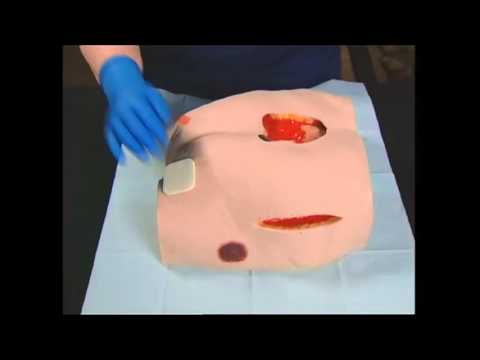
What Is Wound Dressing Foam
Wound dressing foam helps wounds heal faster and feel better. This dressing has tiny air pockets inside a solid piece. These pockets soak up exudate, which is fluid from a wound. The foam also protects the wound from bumps and pressure. Some foams have open cells, so they absorb more exudate and keep wounds moist. Closed-cell foams keep wounds warm but do not soak up much fluid. The foam’s design uses small pores and channels to move moisture away and let air in. Many new wound dressings use foam because it keeps wounds moist, which helps healing.
Foam dressings keep wounds moist and help them heal.
The foam’s structure changes how much exudate it can soak up.
Open-cell foams work well for wounds with lots of exudate.
Some foams have antimicrobial agents to help stop infection.
Benefits for Wound Care
SLK Medical makes advanced wound dressing foam. Their dressings work for many wounds, like chronic wounds, surgical wounds, and burns. D-Pore™ technology helps the dressing handle exudate and keeps wounds moist. This lowers infection risk and helps wounds heal faster. The silicone adhesive lets you take off the dressing without pain, which helps patients feel comfortable.
Here is how SLK Medical’s wound dressing foam compares to other brands:
Feature | SLK Medical Silicone Foam Dressing | Other Leading Brands |
|---|---|---|
Adhesive Type | Skin-friendly silicone adhesive | Varies by brand |
Moisture Management | Effective moisture management | Varies by brand |
Pain Reduction | Reduces pain during dressing changes | Varies by brand |
Suitable for | Moderate to heavy exudate wounds | Varies by brand |
Certifications | ISO, CE, FDA | Varies by brand |
Design | Advanced three-layer design | Varies by brand |
User Feedback | Positive clinical outcomes | Varies by brand |
You can use SLK Medical’s wound dressing foam when you need strong exudate control, moisture balance, and gentle removal. These dressings work well for wounds with lots of exudate and for patients who want comfort during wound care.
Wound Assessment
Before picking a foam dressing, look at the wound closely. Good care starts with checking the wound well. You should find out what kind of wound it is. Check where it is on the body. See how much exudate comes out. Also, check if the patient’s skin is sensitive. These steps help you pick the best dressing for healing and comfort.
Wound Type and Location
First, figure out what kind of wound it is. Some wounds heal fast. Others, like chronic wounds, take longer to heal. Where the wound is matters too. Wounds on joints or places that move need dressings that bend and stay put. SLK Medical’s silicone foam dressings work well for elbows, heels, and sacrum. These dressings help with chronic wounds. They protect weak skin and lower pain when changing dressings.
Tip: Always pick a dressing that fits the wound’s needs. For example, use foam dressing for wounds with a lot of exudate.
Key Wound Characteristics | Description |
|---|---|
Match Dressing to Wound Needs | Dressings should fit what the wound needs, like soaking up fluid for wet wounds. |
Consider Infection Control | Use antimicrobial dressings if there are signs of infection. |
Evaluate Patient Comfort | Think about comfort and easy changes to help patients stick to treatment. |
Foam Dressings | Best for wounds with lots of exudate, because they soak up fluid well. |
Exudate Level
Check how much exudate the wound makes. Exudate is fluid from the wound. Too much exudate can slow healing and hurt skin. Not enough exudate can make the wound dry. Foam dressings help control exudate and keep the wound moist. SLK Medical has different foam dressings for different exudate levels.
Absorbency Level | Suitable for Exudate Level | |
|---|---|---|
Standard Foam | Moderate | Low to Moderate |
Superabsorbent Foam | High | High |
Silicone Foam | Variable | Depends on design |
Skin Sensitivity
Some patients have skin that is sensitive. Always check for this before picking a dressing. SLK Medical’s silicone foam dressings are gentle and help stop skin damage. Many healthcare workers say these dressings lower the risk of pressure ulcers and make care easier. They also say patients feel less pain when changing dressings.
Silicone foam dressings help stop pressure ulcers in people with sensitive skin.
Many clinicians think these dressings are easy to use and work well.
Using silicone foam dressings often helps patients heal better.
When you check the wound, you help get the best healing and comfort. Careful checking leads to better choices for wound care products.
Foam Dressing Selection

Picking the right wound dressing foam helps both doctors and patients. You need to check the wound type and how much exudate is there. It is also important to think about what makes the patient feel best. SLK Medical has many dressings for wounds like diabetic foot ulcers and pressure ulcers. They also help with chronic wounds. Each dressing has special features to help wounds heal. These features also make wound care easier.
Matching Dressing to Wound
You should pick a dressing that fits what the wound needs. If a wound has a lot of exudate, use a dressing that soaks up and holds moisture. For wounds like diabetic foot ulcers or pressure ulcers, the Silicone Foam Dressing with Border works well. This dressing keeps the wound moist and protects it from pressure and rubbing. If the wound is in a hard spot, Border Flex can stretch and fit the body. For wounds that need gentle care, Non Adhesive Foam Dressing is a good choice. It is soft and you can cut it to fit different shapes. The Composite type is best for wounds needing more absorption and protection.
Tip: Always look at where the wound is and its shape. Pick a dressing that fits well and stays on. This helps the wound heal and keeps the patient comfortable.
Here is a simple guide to help you choose dressings:
Wound Type | Exudate Level | Recommended SLK Medical Dressing | Key Benefit |
|---|---|---|---|
Diabetic foot ulcers | Moderate-High | Silicone Foam Dressing with Border | Soaks up exudate, gentle on skin |
Pressure ulcers | High | Border Flex, Composite | Stays put, soaks up more fluid |
Chronic wounds | Moderate | Non Adhesive Foam Dressing | Soft, easy to cut, gentle |
Surgical wounds | Moderate | Silicone Foam Dressing with Border | Keeps wound moist, comfortable |
Burns | Moderate | Composite, Non Adhesive | Flexible, soaks up exudate |
Infection Risk
Infection can slow healing and cause more problems. You need to use a dressing that helps stop infection, especially for wounds at high risk. SLK Medical’s Silicone Foam Ag Dressing with Border is an antimicrobial choice. This dressing uses silver ions to fight bacteria and keep the wound safe. It works well for diabetic foot ulcers, pressure ulcers, and wounds that might get infected.
Antimicrobial dressings help lower infection risk by keeping the wound moist.
They block germs from getting in.
The moist wound helps the body fight bacteria.
Use antimicrobial dressings if you see infection or if the wound is at risk. This helps wound care work better and keeps the wound moist.
Comfort and Wear Time
Patient comfort matters a lot in wound care. You want a dressing that feels good and does not hurt when you take it off. SLK Medical’s silicone foam dressings use gentle silicone adhesive. This makes taking off the dressing easy and less painful. The dressings can stay on for up to seven days. How long they stay depends on the wound and exudate. Longer wear means fewer changes and less bother for the patient.
Modern dressings from SLK Medical help you manage exudate and protect against pressure. They also keep the wound moist. These dressings help wounds heal and make wound care better. You can use them for diabetic foot ulcers, pressure ulcers, and chronic venous leg ulcers. They are also good for wounds that need extra care, like those with sensitive skin or lots of exudate.
Note: Always check the wound and how the patient feels at each change. Change your dressing choice if the wound changes or if the patient needs more comfort.
SLK Medical’s dressings include:
Silicone Foam Dressing with Border: For wounds with moderate to high exudate, like diabetic foot ulcers and pressure ulcers.
Non Adhesive Foam Dressing: For wounds that need gentle care and can be cut to fit.
Composite Type: For wounds needing more absorption and protection.
Border Flex: For wounds on moving parts or places under pressure.
Silicone Foam Ag Dressing with Border: For wounds at risk of infection, giving antimicrobial protection.
You can trust these dressings to help manage wounds, improve healing, and keep every patient comfortable.
SLK Medical Product Guide
Picking the right dressing is important for wound care. SLK Medical has many dressings for wounds like diabetic foot ulcers and pressure ulcers. They also help with chronic venous leg ulcers. This guide helps you choose the best dressing for each wound and patient. You will see features, benefits, and when to use each product.
Silicone Foam Dressing with Border
Silicone Foam Dressing with Border is good for wounds that need to soak up a lot of fluid. It is gentle and works for diabetic foot ulcers, pressure ulcers, surgical wounds, and burns. The border keeps the dressing in place, even on moving parts like elbows or heels. The silicone layer makes taking it off easy and not painful. This helps patients feel safe and comfortable while healing.
Feature/Outcome | Summary/Benefit |
|---|---|
Dressing Change Frequency | 47% fewer changes, so healing is less interrupted. |
Wound Size Reduction | Wounds get 28% smaller, which helps healing. |
Comfort & Adhesion | Comes off gently and feels comfortable. |
Application Ease | Fits well and is easy to use on many wounds. |
This dressing is best for wounds with moderate to high exudate. The waterproof back keeps out germs and dirt. It keeps the wound moist and helps it heal faster. You can read more on the Silicone Foam Dressing with Border product page.
Silicone Foam Dressing without Border
Silicone Foam Dressing without Border is flexible and can be cut to fit any wound shape. It works for diabetic foot ulcers, pressure ulcers, and burns. This dressing does not stick to the wound, so changing it hurts less. The foam layer soaks up exudate and keeps skin healthy.
Fluid Handling | Exudate Management | Wound Healing Outcomes | |
|---|---|---|---|
Non-Bordered | Works well with compression | Makes wounds smaller | Helps patients feel better |
Non-bordered dressings do not stick and hurt less.
They soak up fluid and protect healthy skin from getting too wet.
Both types keep wounds moist, which helps them heal.
You can use this dressing with compression for chronic wounds. It is good for wounds that need gentle care and easy removal. Find more details on the Silicone Foam Dressing without Border product page.
Composite and Flex Options
Composite and Flex dressings are good for wounds in hard places. Composite dressings fit wounds with odd shapes, like on joints or folds. Flex dressings stretch and move with the body. They are good for pressure ulcers and diabetic foot ulcers on moving parts.
Dressing Type | Clinical Scenarios |
|---|---|
Composite Dressings | Good for fistulas, sinuses, wounds with odd shapes, surgical wounds, and wounds from injuries |
Flex Dressings | Used for venous leg ulcers, pressure ulcers, diabetic foot ulcers, surgical wounds, injuries, and skin tears |
Composite dressings are best for wounds that need to soak up more fluid and need extra protection. Flex dressings help cover wounds on elbows, heels, or the sacrum. Both types help stop skin from getting too wet and keep wounds moist. You can learn more on the Composite Type product page and the Border Flex product page.
Antimicrobial Foam Dressing
Antimicrobial foam dressings help with wounds that might get infected. Silicone Foam Ag Dressing with Border uses silver ions to fight germs. You can use it for diabetic foot ulcers, pressure ulcers, surgical wounds, and burns. The antimicrobial action helps manage wounds and stops infection.
Dressing Type | Clinical Results |
|---|---|
Antimicrobial Foam Dressings | 92% of patients had no infection signs after six weeks |
Stops many bacteria, yeast, and mold | |
Clinicians saw fewer signs of infection and less bacteria in wounds |
Antimicrobial dressings help lower infection and make wounds better.
Use these dressings for wounds with lots of fluid and high infection risk.
You can read more about this dressing on the Silicone Foam Ag Dressing with Border product page.
Tip: Always pick a dressing that fits the wound type, how much exudate there is, and what makes the patient comfortable. SLK Medical has dressings for every wound care need.
Clinician and Patient Considerations
Clinical Effectiveness
You want a dressing that works well for every wound. SLK Medical dressings help treat diabetic foot ulcers and pressure ulcers. These dressings help wounds heal and lower infection risk. You can trust them for both diabetic and pressure wounds. SLK Medical checks quality very carefully. Each dressing meets ISO 13485 rules and has FDA approval. This means every product is safe and reliable. The company checks every batch and uses special tests. You get the same good results each time you use them.
Certification / Quality Control Aspect | Description | Supporting Details |
|---|---|---|
ISO 13485 Certification | International standard for medical devices | Covers design to distribution; ensures quality and reduces defects |
FDA Approval | U.S. Food and Drug Administration | Confirms safety and effectiveness; requires testing and monitoring |
Quality Control Practices | 100% inspection and compliance | Meets customer needs and regulatory rules; uses advanced equipment |
Ease of Use
You need a dressing that is simple to put on and take off. SLK Medical dressings make wound care easy for everyone. The silicone layer lets you remove it without pain. This is important for diabetic foot ulcers and pressure ulcers. You can use these dressings on many wound types. Clinicians say SLK Medical dressings are easy and comfortable to use.
Brand | Ease of Use | Comfort | Absorbency | Value |
|---|---|---|---|---|
SLK Medical | Positive | High | Moderate | Good |
Mepilex Border Flex | High | Very High | High | Good |
Biatain Silicone | Moderate | High | High | Good |
Allevyn Life | Moderate | High | Moderate | Competitive |
Alexer | Moderate | High | Moderate | Competitive |
You do not have to change SLK Medical dressings as often. This saves time and money for each patient. The dressings work for wounds with different amounts of exudate.
Parameter | Foam Dressing Group | Saline-Soaked Gauze Group |
|---|---|---|
Less frequent | More frequent | |
Total Cost per Patient | Lower by $466 | Higher |
Dressing Cost per Patient | Lower by $92 | Higher |
Cost per Ulcer Healed | Lower by $1,517 | Higher |
Cost per Ulcer-Free Day | Lower by $80 | Higher |
Time to Wound Closure | No difference | No difference |
Patient Comfort
You want your patient to feel good during wound care. SLK Medical dressings use soft silicone that does not stick. This makes taking off the dressing hurt less. The dressings are good for sensitive skin and help stop pressure ulcers. Patients with diabetic foot ulcers and pressure ulcers say they feel comfortable. Studies show patients feel better with foam dressings, but some studies do not say which wound type.
Patients often say foam dressings are comfortable.
Many feel less pain when changing dressings.
Comfort helps patients follow their wound care plan.
SLK Medical cares about quality and patient care. You can trust their dressings for safety, good results, and comfort in wound care.
Wound Dressing Checklist
Quick Reference
You want to make sure you choose the right dressing for every wound. Start by looking at the wound and thinking about what it needs. You should check the type, size, and how much fluid comes out. Picking the right dressing helps you keep the wound clean and safe. It also helps you protect the skin and improve healing.
Tip: Always think about safety when you change a dressing. Use clean hands and tools. Make sure the wound stays free from germs.
Here is a quick checklist you can use:
Clean the wound every time you change the dressing.
Check if the wound is partial-thickness or full-thickness.
Look for tunneling or undermining in the wound.
Decide how often you need to change the dressing.
Make sure the dressing matches the wound type.
Measure how much fluid the wound is draining.
Pick the right size of dressing for the wound.
Know who will change the dressing, nurse or caregiver.
Find out who pays for the dressing.
Choose products that protect fragile skin and make removal easy.
Think about safety for both the patient and the person changing the dressing.
You can use the table below to match the wound type with the best dressing:
Wound Type | Recommended Dressings | Special Comments |
|---|---|---|
Skin tears | Apply silicone-covered foam dressing directly over the wound. If bleeding, apply haemostatic alginate dressing as primary dressing under a silicone-coated foam dressing. | Avoid adhesive products on fragile skin to prevent further skin tears. Use barrier wipes to secure application and protect skin during dressing removal. |
You help patients heal faster when you follow each step. You also lower the risk of infection and keep safety a top priority. Using the right dressing for each wound makes care easier for everyone.
You can find the best wound dressing foam by thinking about how much fluid it needs to soak up, the size of the wound, and what feels comfortable. Here are some important things to remember:
Pick foam dressings that soak up exudate and keep wounds moist.
Make sure the dressing is big enough to cover the wound and helps stop infection.
Choose between adhesive or non-adhesive dressings, depending on the patient’s skin.
Ask wound care experts for help if the wound is hard to treat.
SLK Medical’s special foam dressings help wounds get smaller, save money on care, and make patients happier. The table below shows how these dressings help wounds heal better:
Outcome Measure | Improvement with SLK Medical |
|---|---|
Dressing Change Frequency | 47-50% reduction |
Wound Area Reduction | 28.3% smaller after 4 weeks |
Patient Satisfaction | 90.2% recommend |
If you need more help, talk to wound care professionals or look at SLK Medical’s information.
FAQ
How do you know which foam dressing to choose?
You should look at the wound type, how much fluid it has, and if the skin is sensitive. Pick a dressing that matches these needs. SLK Medical offers options for many wound types.
Can you cut SLK Medical foam dressings to fit odd-shaped wounds?
Yes, you can cut non-adhesive and some composite foam dressings to fit wounds with unique shapes. This helps you cover the wound fully and protect the skin.
How often should you change a foam dressing?
You should change the dressing every 3 to 7 days or when it becomes saturated. Always check the wound and follow your healthcare provider’s advice.
Tip: If you see signs of infection, change the dressing sooner and talk to your doctor.
Are SLK Medical foam dressings safe for sensitive skin?
SLK Medical uses gentle silicone layers. These dressings help protect fragile skin and reduce pain during removal. Many patients with sensitive skin find them comfortable.
What should you do if the wound shows signs of infection?
If you notice redness, swelling, or pus, use an antimicrobial foam dressing like SLK Medical’s Silicone Foam Ag Dressing with Border. Always contact your healthcare provider for further care.


