


Super absorbent dressings help you take care of wounds with lots of fluid. These dressings soak up and hold a lot of exudate. This keeps your wound clean and dry. When you control exudate, your wound heals faster. You also feel more comfortable.
In these wounds, fluid can stay high or get higher.
Too much exudate can slow healing. It keeps inflammation going.
Super absorbent dressings have special layers. These layers trap fluid and bacteria. You get better results than with regular dressings.
Study Type | Findings | Outcomes of Interest |
|---|---|---|
Systematic Review | Ulcer closure, dressing properties, hospital- and infection-related outcomes, safety, economic outcomes | |
Case Series | Good results in how often dressings are changed and pain scores | Fewer dressing changes, better pain scores |
Economic Review | 7 studies found, 5 looked at cost-utility | Cost-effectiveness of super absorbent dressings compared to regular dressings |
Super absorbent dressings work well if you need strong fluid control.
Key Takeaways
Super absorbent dressings help with high-exudate wounds. They soak up extra fluid. This helps wounds heal faster.
These dressings lower the chance of infection. They trap bacteria inside. They also block germs from getting in.
Patients feel less pain with these dressings. They are more comfortable. Changing dressings is easier for them.
Picking the right dressing is very important. You need to look at how much exudate there is. This helps wounds heal and keeps patients comfortable.
You should check and change dressings often. This keeps the wound clean and moist. A clean and moist wound heals better.
Super Absorbent Dressings: How They Work
Fluid Handling and Retention
Superabsorbent dressings are made to control wound fluid. These dressings have many layers. The top layer pulls fluid away from your skin. It moves the exudate up and spreads it out. The core has superabsorbent particles. These particles trap and hold a lot of exudate, even if it is thick like blood.
Some brands, like curea P1, use a strong air-laid core with natural fibers. This core can handle different types of exudate. The design helps the dressing keep fluid inside. You do not see leaks or wet spots around the wound. Superabsorbent dressings are good for wounds with lots of fluid. They keep the wound bed moist but not too wet. This helps your wound heal.
You can trust these dressings to hold fluid, even with compression therapy. In lab tests, researchers used a wound simulator shaped like a lower leg. This device checked how well dressings hold fluid under pressure. The results showed that superabsorbent dressings keep fluid locked in, even with compression bandages.
Locking in Exudate and Bacteria
Superabsorbent dressings do more than soak up fluid. They also trap bacteria inside the dressing. Using these dressings lowers the risk of infection. The layers act as a barrier. They stop bacteria from spreading to your skin.
Studies show superabsorbent dressings hold bacteria better than regular gauze. Some dressings have antimicrobial properties. These dressings can lower the number of harmful bacteria in your wound. For example, in lab tests, superabsorbent dressings lowered bacteria like MRSA and P. aeruginosa over seven days.
Tip: Superabsorbent dressings help keep the wound area clean and safe. This means you need fewer dressing changes and feel less pain.
Here is a quick look at how these dressings fight bacteria:
Mechanism | Outcome |
|---|---|
Antimicrobial dressings stop bacteria from growing | Help wounds heal faster |
Bacteria can grow in dressings and cause infection | Antimicrobial dressings break this cycle |
You also get a moist place that helps your wound heal faster. The dressing acts like a shield and blocks germs from getting in.
Comparison with Standard Dressings
When you compare superabsorbent dressings to foam or gauze, you see big differences. Superabsorbent dressings can handle much more fluid. They keep the wound dry and stop leaks. Foam dressings work for some wounds, but may not hold enough fluid if there is a lot of exudate. Gauze dressings need to be changed more often and can stick to the wound, which hurts.
Superabsorbent dressings work for low to high exudate.
They keep the wound moist but not too wet.
You can leave them on for several days, saving time and money.
Patients say they feel less pain with superabsorbent dressings than with gauze.
Foam dressings may cause skin irritation for some people. They also do not control some enzymes in wound fluid, which can slow healing. Studies have not found a big difference in healing rates between foam and gauze. But superabsorbent dressings give better fluid control and comfort.
If you need a dressing that keeps your wound dry, lowers infection risk, and stays on with compression, superabsorbent dressings are a great choice.
High Exudate Wounds: Challenges and Risks
What Are High Exudate Wounds?
High exudate wounds happen when your body makes too much fluid. These wounds are common with long-term health problems. Some examples are venous leg ulcers, pressure ulcers, and diabetic foot ulcers. Venous leg ulcers are the most common type. They show up on the lower part of your leg. These wounds usually do not hurt. They can start after a small injury. They heal slowly because the tissue does not get enough air.
Here is a table that shows the main features of venous leg ulcers:
Characteristic | Description |
|---|---|
Common Type | Venous leg ulcers |
Cause | Valve problems in veins, leading to high pressure |
Main Features | Swelling, dark skin, hard skin, irregular shape, lots of fluid |
Location | Lower third of the leg |
Pain Level | Often painless |
Problems from Excessive Exudate
Too much fluid from high exudate wounds can cause many problems. Extra moisture makes your skin soft and weak. This is called maceration. Wet skin can break down and let germs in. Your wound may get bigger, smell bad, or leak onto clothes and sheets. You might lose important proteins and minerals from your body.
Here are some signs and risks of high exudate wounds:
Characteristic | Description |
|---|---|
Malodour | Bad smell from infection or dead tissue |
Wound pain | Discomfort that affects your daily life |
Enlargement of the wound | Wound gets bigger because of too much fluid |
Protein loss | Loss of nutrients needed for healing |
Delayed healing | Wound takes longer to close |
Local wound infection | Higher risk of bacteria causing infection |
Soiled clothing and bedding | Fluid leaks out and causes hygiene problems |
Skin maceration | Skin gets too wet and breaks down easily |
Note: If you do not control exudate, your wound can get worse. Maceration and infection slow healing and make the wound bigger.
Why Exudate Control Matters
You need to manage exudate to help your wound heal. If you do not control fluid, your skin can break down and germs can enter. This can cause infection and slow healing. Studies show good exudate management helps wounds heal faster and lowers pain. You can feel better by keeping the wound moist but not too wet.
Good exudate control keeps the right moisture for healing.
It stops infection and maceration.
It protects the skin around your wound.
It helps you feel more comfortable and confident.
Doctors say you should use the right dressing for high exudate wounds. Super absorbent dressings are a good choice. They help you control fluid, protect your skin, and support healing.
Using Superabsorbent Dressings Effectively
Dressing Selection Tips
You need to choose the right dressing for your wound. Superabsorbent dressings come in different types. Some have more polymers, which means they can absorb more fluid. This is important for high exudate wounds. You should think about how much fluid your wound makes and how often you want to change the dressing. If you move around a lot, a heavy dressing can feel uncomfortable. Good exudate management starts with picking a dressing that matches your needs.
Application and Change Frequency
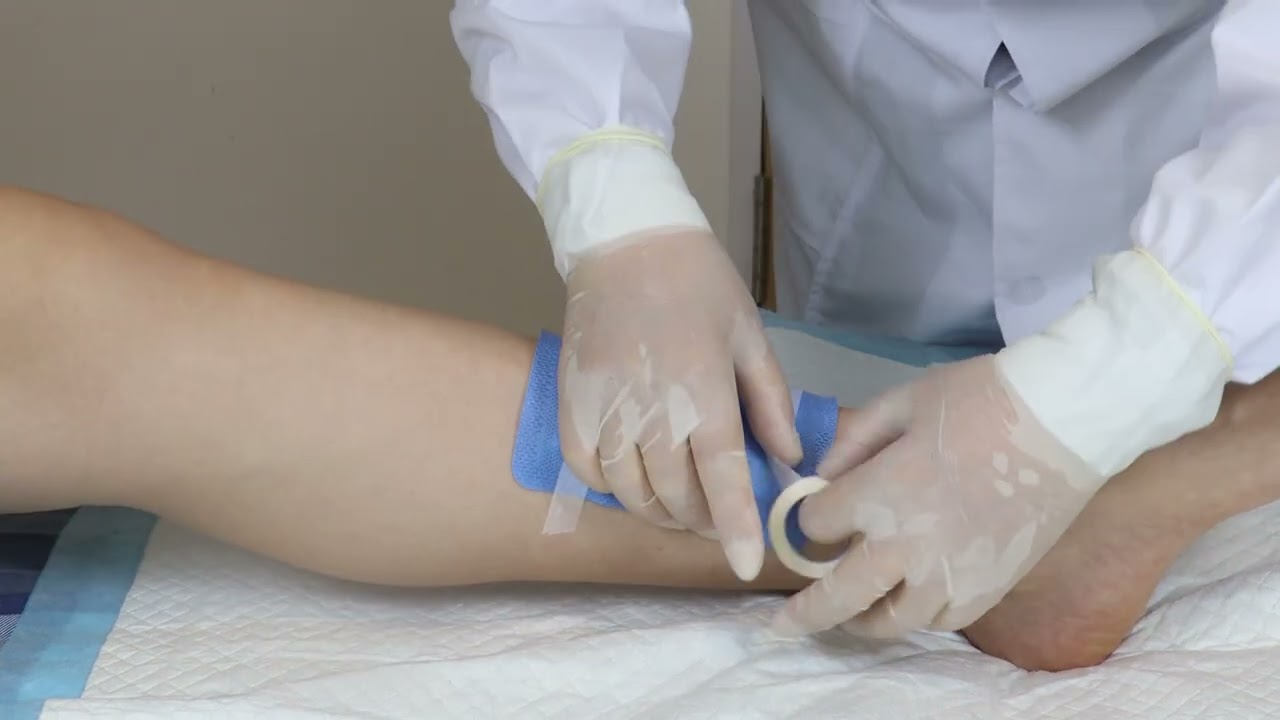
Applying superabsorbent dressings is easy for most people. Almost all clinicians say these dressings are simple to put on and take off. You will find that they do not stick to the wound, which helps reduce pain. These dressings hold a lot of fluid and keep the wound moist, which supports moist wound healing. You should check your dressing often. If it gets heavy or leaks, you need to change it. Regular changes help with wound management and keep the area clean.
Most clinicians rate application as easy.
Dressings remove easily and do not hurt.
Good absorbent capacity keeps the wound moist.
Protecting Periwound Skin
You must protect the skin around your wound. Too much fluid can damage healthy skin. Use dressings that fit well and absorb fluid quickly. You can also use barrier creams, sprays, or films to shield your skin. Products like 3M™ Cavilon™ No Sting Barrier Film create a layer that blocks moisture and irritants. Check your skin often and adjust your care if you see redness or soft spots.
Skin Protection Strategy | Description |
|---|---|
Barrier creams and films | Block moisture and keep skin hydrated |
Specialty dressings | Absorb fluid and prevent leaks |
Regular skin checks | Help you spot problems early |
Tip: Always use a dressing that will not hurt your skin when you remove it.
Preventing Complications
You can prevent problems by watching your wound closely. Advanced dressings let you check the wound without removing the cover. Look for signs of infection, like redness or a bad smell. Change your dressing if you see leaks or if the wound looks worse. Stay involved in your care and ask your nurse or doctor if you have questions. Regular checks help you catch problems early and keep your healing on track.
Benefits of Super Absorbent Dressings
Improved Healing Environment
You want your wound to heal fast. Super absorbent dressings help make the best place for healing. These dressings keep wounds moist. This helps new tissue grow much faster than if the wound is dry. Cells can move over the wound and close it quicker. Moisture also stops the wound from drying out or getting hard scabs. Hard scabs can slow down healing.
Cells move easier on a moist surface.
Dressings keep moisture just right.
You can count on these dressings to handle wounds with lots of fluid. They keep the area safe for healing.
Enhanced Patient Comfort
You should feel comfortable as your wound heals. Super absorbent dressings help you feel less pain and move more. These dressings do not stick to the wound. This means changing them does not hurt as much. They hold fluid inside, so you do not need to change them often. Most people say these dressings feel good and fit well.
Evidence Type | Findings |
|---|---|
Patient Satisfaction | |
Postoperative Pain | Less pain after surgery |
Dressing Changes | Fewer dressing changes needed |
Comfort Rating | Higher comfort scores (p<0.001) |
Pain During Removal | Dressings come off without causing pain |
Tip: You can take off these dressings without hurting your skin or wound. This makes healing easier for you.
Lower Risk of Complications
You want to stop problems like infection or skin damage. Super absorbent dressings help lower these risks. These dressings soak up extra fluid and keep it inside. This keeps the skin around your wound from getting too wet and breaking down. Some dressings use special materials to hold fluid and block germs. Others have antimicrobial properties to fight bacteria.
Dressings work well for diabetic foot ulcers because they absorb lots of fluid.
They keep the right amount of moisture for healing.
Special materials stop leaks and keep skin from getting too wet.
Antimicrobial dressings help stop infection.
You can trust these dressings to protect you from common problems. They help your wound heal and keep you comfortable.
You can help wounds heal and feel better with super absorbent dressings. These dressings keep the area moist and clean. They also protect your skin from harm. Studies show these dressings control exudate well. They lower pain and are simple to use. Look at the table below to see the main benefits:
Benefit | What You Gain |
|---|---|
Wounds heal faster | |
Nontraumatic care | You feel less pain |
Microbial barrier | You have less infection risk |
To get the best care, ask a wound care specialist about your choices.
FAQ
What wounds need super absorbent dressings?
You should use super absorbent dressings for wounds that leak a lot of fluid. Common examples include venous leg ulcers, pressure ulcers, and diabetic foot ulcers. These dressings help you control moisture and protect your skin.
How often should you change a super absorbent dressing?
You should check your dressing every day. Change it if it feels heavy, leaks, or looks dirty. Most people can leave these dressings on for two to four days.
Can you use super absorbent dressings with compression therapy?
Yes, you can use these dressings under compression bandages. They hold fluid well, even with pressure. This makes them a good choice for leg ulcers and other wounds that need compression.
Do super absorbent dressings hurt when you remove them?
No, these dressings do not stick to your wound. You can take them off easily. You will feel less pain during dressing changes.


