


You might see how a composite wound dressing helps you heal. It uses many layers that work together. These layers make a good place for your wound to heal quickly. Many studies show these dressings fight infection and help wounds heal faster. They do this by putting many helpful things in one dressing. You can use them for wounds like fistulas, surgical wounds, or wounds with hard shapes. These dressings keep your skin safe and soak up fluids. This makes them important for patients and doctors.
Key Takeaways
Composite wound dressings have many layers that help wounds heal. These layers work together to make healing faster and lower the chance of infection. These dressings keep wounds moist, which helps them heal better and can cause less scarring. They are simple to use and take off, so caring for wounds hurts less and feels better for patients. Composite dressings soak up extra fluid and guard the skin, which stops damage and helps you get better. You should always talk to a doctor to pick the best dressing for your wound and what you need.
Composite Wound Dressing Overview
Definition and Layers
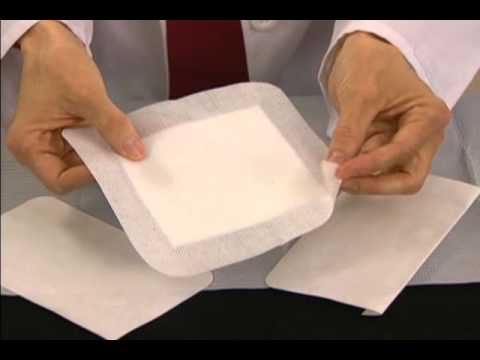
A composite wound dressing is like a smart bandage. It has many layers that help your wound heal. Each layer does something special. These dressings are good for wounds that leak a lot. Some examples are burns, pressure ulcers, or surgical cuts. Here is a table that shows the main layers and what they do:
Layer | Function |
|---|---|
Top Layer | Lets air in but keeps germs and dirt out. |
Center Layer | Soaks up fluid from your wound. |
Bottom Layer | Stops the dressing from sticking to your skin or the wound. |
Some types, like silicone foam, have even more layers. You might see a waterproof film. There can be a super-absorbent pad. There is also a soft silicone layer that feels nice on your skin.
Unique Properties
A composite dressing is special because it has many layers. Each layer helps your wound in a different way. The top layer keeps out water and bacteria. The middle layer pulls in extra fluid and keeps the wound moist. The bottom layer does not stick, so it hurts less when you change it. These dressings come in many shapes and sizes. You can use them on hard places like your heel or elbow. They fit well and stay on, even on curved body parts. This makes them a good choice for many wounds. The layers work together to keep your wound moist. This helps it heal faster and lowers the chance of infection.
Tip: You can use a composite wound dressing by itself or put it over another dressing. This makes it very useful for different needs.
Comparison to Other Wound Dressing Types
When you look at a composite dressing and a regular gauze or foam bandage, you see many differences. Here is a table to help you compare:
Feature | Traditional Single-Layer Dressings | |
|---|---|---|
Material Composition | Multi-layer with foam and silicone | Usually one layer, not absorbent |
Design Features | Waterproof, super-absorbent | Basic, no special features |
Fluid Management | Handles lots of wound fluid | Not good with heavy fluid |
Pain and Trauma Management | Soft, gentle on skin | Can hurt when removed |
Patient Compliance | Less skin damage, easy to use | May cause skin problems |
A composite wound dressing does more than just cover a wound. It controls moisture, keeps out germs, and makes changing easier. You may not need to change it as often. This can save time and money.
Composite Wound Dressing and Wound Healing
Moisture Control
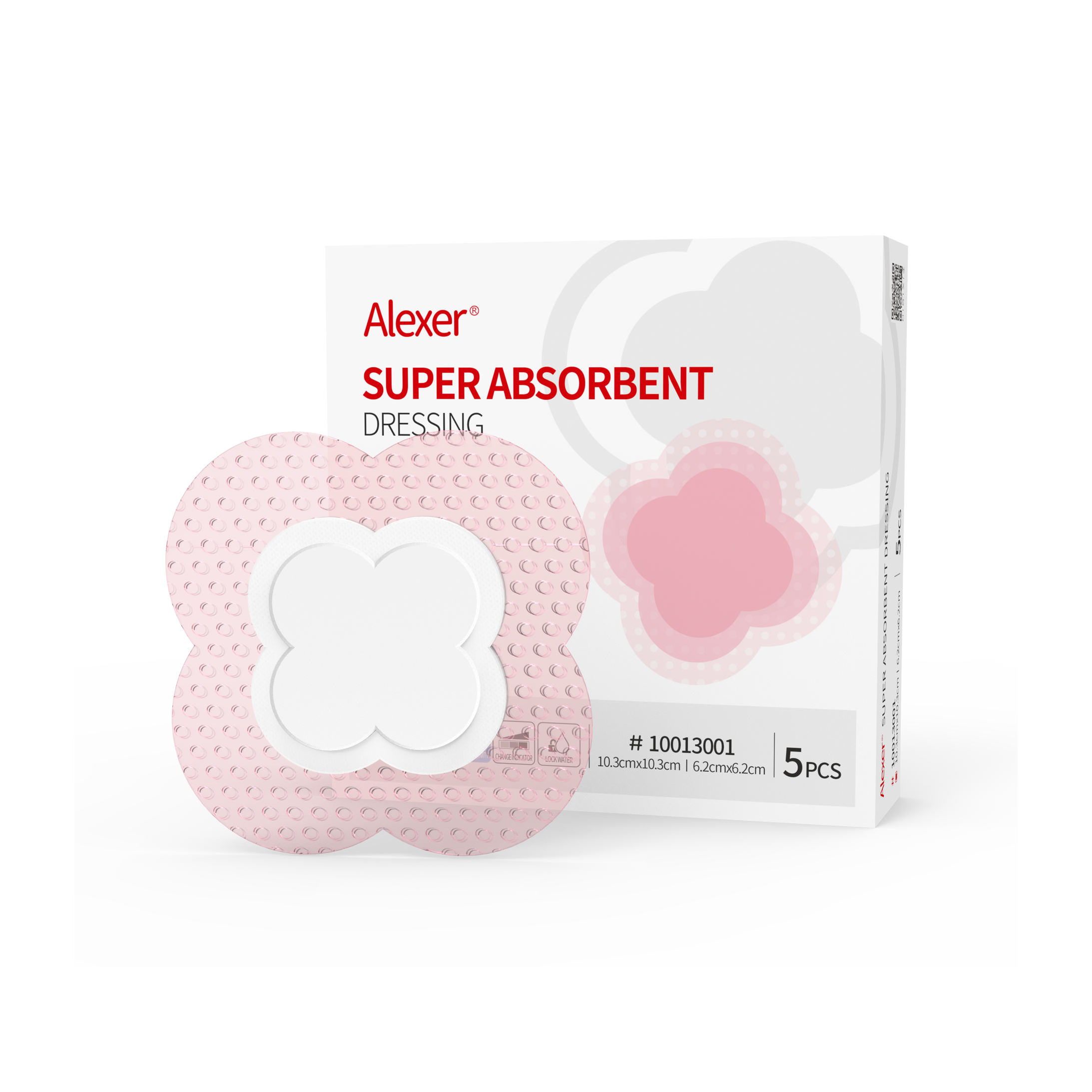
Wounds need to stay moist to heal well. Composite wound dressings help keep the right amount of moisture. They have layers that control how much water vapor can pass through. If the dressing lets about 2028.3 g/m2·24h of vapor out, it helps your skin cells and fibroblasts get enough moisture. This helps wounds heal faster and new tissue grow. Wounds do better when they are moist but not too wet. A moist place helps wounds close and makes scars smaller. You can count on composite dressings to help your wound heal the right way.
Note: Keeping wounds moist helps them heal faster and lowers infection risk.
Absorption and Protection
Composite wound dressings do more than keep wounds moist. They soak up extra fluid and protect your skin. The absorbent layers inside the dressing pull fluid away from the wound. This stops your skin from getting too wet and breaking down. The dressing also keeps out bacteria and dirt. Hospitals use these dressings to lower infections and help people heal faster. Composite dressings make wound care safer and easier.
Dressings soak up extra moisture well.
They let vapor out so fluid does not build up.
Controlling moisture stops skin damage and infection.
Absorbent layers pull fluid away and lower infection risk.
The barrier keeps germs out and helps wounds look better.
Role in Recovery
You want wounds to heal as fast as they can. Composite wound dressings help you reach this goal. Studies show soft silicone dressings heal almost twice as fast as non-adherent dressings. Advanced moist dressings also heal wounds faster than gauze. These dressings feel comfortable and are easy to use. The moist place helps wounds heal and new tissue grow. You may spend less time in the hospital and heal better. Composite dressings give you a better chance to recover.
Dressing Type | Healing Time Comparison |
|---|---|
Soft Silicone Dressings | Healed almost two times faster than non-adherent dressings |
Advanced Moist Dressings | Shorter time-to-healing compared to fat-impregnated gauzes |
Composite wound dressings help wounds heal by keeping them moist, soaking up fluid, and protecting them. These dressings help wounds heal faster and make wound care better for you.
Benefits and Limitations
Patient and Clinician Advantages
A composite wound dressing gives many benefits to you and your doctor. These dressings work for many wounds, even deep or shallow ones. You can use them in wet places because the waterproof layer keeps water out. This layer also blocks bacteria and other bad things. It is easy to put on and take off the dressing. This makes wound care less scary for you.
You can use composite wound dressings for many wounds.
The waterproof layer helps in wet places.
The dressing blocks bacteria from getting in.
It is easy and gentle to use and remove.
The dressing helps wounds heal and close faster.
It fights bacteria and works well with your skin.
The dressing keeps wounds moist and safe so they heal.
You will see that advanced dressings mean you change them less. This saves you time and money. The table below shows how these dressings make care better:
Evidence | Description |
|---|---|
Reduced Dressing Changes | Advanced dressings soak up fluid and keep wounds moist, so you change them less. |
Improved Healing | New dressings make the best place for healing, so you get better faster. |
Cost-Effectiveness | Fewer changes and faster healing save money on care. |
Common Limitations
Composite wound dressings have some problems you should know about. If the outside gets wet from wound fluid, it may not block bacteria well. Sometimes, the dressing cannot soak up enough fluid. This can make fluid build up under the dressing. These dressings are often too thin for deep wounds. They do not work well for dry wounds or scars. They can cost more than simple dressings. There is a chance of infection or allergy. Picking the right dressing can be hard.
Limitation/Challenge | Description |
|---|---|
The barrier gets weak if the dressing gets wet from wound fluid. | |
Limited absorption | The dressing may not soak up a lot of fluid, so fluid builds up. |
Incompatibility with deep wounds | The dressing is too thin for deep wounds. |
Unsuitability for dry wounds | The dressing does not help dry wounds or scars. |
High costs and infection risk | The dressing can cost more and may cause infection or allergy. |
Difficulty in dressing choice | Picking the right dressing for your wound can be hard. |
Choosing the Right Wound Dressing
You need to think about many things when picking a dressing. Look at the wound’s size, depth, and how much fluid it makes. Think about how comfortable and easy the dressing is to use. If you see signs of infection, you may need a medicated dressing or other care. Always check for slow healing or dead tissue. The best dressing fits your needs and helps you heal faster.
Doctors say you should match the dressing to your wound and health. No one dressing works for every wound. You may need special dressings for some wounds. Always talk to your doctor to pick the best dressing for you.
Tip: Watch your wound for changes. Tell your doctor if you see infection or if the dressing does not work well.
You can count on composite wound dressings to help wounds heal well. These dressings keep wounds moist and block germs. They work for many kinds of wounds. Studies show wounds heal almost all the way and grow more blood vessels with these dressings:
Evidence Description | Findings | Comparison |
|---|---|---|
Healing of diabetic skin wounds in mice | Smallest wound size compared to control group | |
Collagen deposition | More collagen in wounds with dressing | Largest collagen area found |
Angiogenesis | More new blood vessels grew | Higher blood vessel number |
New tools, like artificial intelligence, help make dressings smarter and fit your needs.
Some new ideas are:
Smart dressings that check wounds all the time
Bioengineered skin that helps wounds heal better
Dressings that give medicine when your wound needs it
You should ask your doctor if composite dressings are right for your wound care.
FAQ
What types of wounds can you use composite dressings on?
Composite dressings work for burns and pressure ulcers. You can use them for surgical cuts and wounds that leak fluid. They help with both shallow and deep wounds.
How often should you change a composite wound dressing?
Change the dressing if it gets wet or dirty. You should also follow your doctor’s advice. Composite dressings last longer than regular gauze.
Can you shower with a composite wound dressing?
Most composite dressings let you shower. The waterproof top layer keeps water out. It protects your wound while you bathe.
Do composite dressings hurt when you remove them?
Composite dressings have a soft, non-stick layer. You can take them off gently. They do not hurt your skin when removed.
Are composite wound dressings safe for sensitive skin?
These dressings use gentle materials like silicone. They protect fragile skin and lower irritation risk.


