


You should use an adherent dressing when you need safe coverage for wounds. These wounds need gentle but strong protection. Picking the right dressing helps healing and makes patients feel better. SLK Medical gives new ways to care for wounds. Look at the table below to see how dressings can change pain and comfort.
Dressing Type | Pain Reduction | Healing Time | Patient Comfort |
|---|---|---|---|
SUPRATHEL | Better | No significant difference | Increased |
Omniderm | Lower | No significant difference | Standard |
Mepilex Ag | Lower | No significant difference | Standard |
Key Takeaways
Adherent dressings gently protect wounds. They help keep wounds moist. They also help stop infection.
Pick adherent dressings for wounds that leak fluid. These wounds include venous leg ulcers and surgical wounds. Adherent dressings help wounds heal faster.
SLK Medical’s silicone adherent dressings feel comfortable. They do not hurt when you take them off. This makes them good for sensitive skin.
What Is an Adherent Dressing?
Definition and Function
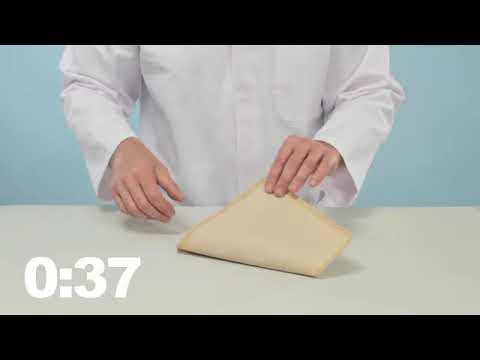
You may see many types of wound dressings in clinics and hospitals. An adherent dressing is a special kind that sticks gently to the skin and covers the wound. This dressing helps keep the area moist, which supports healing. You can use it to protect the wound from germs and dirt. It absorbs fluid that comes from the wound, keeping the skin around it dry and healthy. Many people choose adherent dressings because they do not hurt when you remove them. Doctors often use these dressings for children because they help avoid pain.
Here is a table that shows the main characteristics and functions of adherent dressings:
Characteristic/Function | Description |
|---|---|
Moist Environment | Keeps the wound moist to help healing. |
Infection Protection | Blocks germs and lowers infection risk. |
Absorption of Exudates | Pulls in fluid from the wound and protects new tissue. |
Pain-Free Removal | Comes off easily and does not cause pain. |
Types Available | You can find them as sheets or thin films. |
SLK Medical Adherent Dressing Features
SLK Medical uses new technology to make adherent dressings better for you. The Alexer Super Absorbent Dressing Silicone Adherent uses a soft silicone layer that feels gentle on your skin. You get strong protection and high comfort. The dressing absorbs a lot of fluid, so your wound stays dry. You can lift and move the dressing without hurting the skin. The breathable backing lets air reach the wound, which helps healing. SLK Medical offers different sizes to fit many wounds. You can trust these dressings for leg ulcers, pressure ulcers, diabetic foot ulcers, and surgical wounds. New research in medical journals shows that advanced dressings now drain fluid faster and help wounds heal better.
Tip: If you want a dressing that protects, absorbs, and feels gentle, consider SLK Medical’s adherent dressing for your wound care.
When to Use Adherent Dressing for Wounds
Suitable Wound Types and Situations
It is important to know when adherent dressings are best. Doctors use these dressings for wounds that leak fluid or need extra care. They are common in clinics and hospitals. If your wound makes a lot of fluid, you need a dressing that soaks it up and keeps the skin dry. Adherent dressings do this job well.
Here is a table that shows which wounds do best with adherent dressings:
Type of Wound | Description |
|---|---|
Treated with adherent dressings for exudate management | |
Pressure ulcers | Need absorption and protection |
Diabetic foot ulcers | Managed with moderate to heavy exudate |
Surgical wounds | Require protection and absorption |
Traumatic wounds | Need similar treatment as surgical wounds |
Skin tears | Treated to minimize maceration and keep moisture |
You might see these dressings for wounds with lots of fluid. They are also used for pressure ulcers and venous ulcers with compression. If you have a graft, doctors may use an adherent dressing to shape and protect it.
Adherent dressings help control moisture in wounds. They help wounds heal faster by keeping the area moist but not wet. You get protection from germs and dirt. These dressings help new skin grow and heal. If your wound is shallow and does not leak much, film dressings can help. They let air in but keep out water and bacteria.
Note: If your wound leaks a lot or your skin is sensitive, ask your doctor about adherent dressings. They can make healing easier and more comfortable.
SLK Medical Product Options
SLK Medical has special dressings for many wound types. The Alexer Super Absorbent Dressing Silicone Adherent works well for wounds with lots of fluid. It soaks up fluid, feels soft, and keeps moisture balanced. The dressing has tiny holes that pull fluid away and keep the wound moist. You can pick different thicknesses and sizes for your wound.
Here is a table that shows how SLK Medical’s adherent dressings help you:
Feature | Benefit |
|---|---|
Handles moderate to heavy exudate | |
Cushioned comfort | Improves patient care and comfort |
Moisture management | Prevents maceration and keeps skin healthy |
Porous structure | Supports fluid uptake and moist healing |
Silicone adhesive | Reduces pain and skin stripping during dressing changes |
Easy removal | Helps patients with fragile skin |
Waterproof barrier | Protects wounds from outside moisture |
Secure placement | Fits many wound shapes and body areas |
You may feel less pain and heal faster with SLK Medical’s silicone foam dressings. Studies show patients have less pain and fewer skin problems. You get lower infection risk and smaller ulcers. These dressings protect the skin around the wound and make changing dressings easier.
SLK Medical’s dressings work for venous leg ulcers, pressure ulcers, diabetic foot ulcers, and mixed ulcers. If your wound leaks a lot, you get help from the absorbent core. The soft silicone layer is gentle on sensitive skin. You can move the dressing without hurting the wound.
Tip: Pick SLK Medical’s adherent dressing for less pain, better healing, and strong protection. You get comfort and safety every time you use it.
If you want to learn more about wound dressings, look at SLK Medical’s products. You will find choices for every wound and skin type. Good wound care starts with the right dressing. You help your wound heal faster and feel better each day.
Choosing Between Adherent and Non-Adherent Dressings
Key Factors for Decision-Making
When you choose between adherent and non-adherent dressings, you need to think about the wound and your comfort. Some wounds need gentle protection, while others need dressings that do not stick. You should look at the amount of fluid, the size, and the location of the wound. Patient comfort matters a lot. Non-adherent dressings help prevent pain during changes. Adherent dressings can sometimes cause discomfort or tissue damage if they stick too much.
Here is a table that shows how healing outcomes differ:
Dressing Type | Healing Outcome | Notes |
|---|---|---|
Non-adherent dressings | Better fibroblast growth and wound healing | Less trauma and pain during changes |
Adherent dressings | Higher rates of adverse events | May cause tissue damage and discomfort |
Most doctors say trauma prevention is the most important part of wound care. Pain prevention comes next. You should also think about cost. Dressings that heal wounds faster can lower your total care costs. Efficient dressings mean fewer changes and less time spent on wound care.
Tip: Always match the dressing to the wound type and your comfort needs.
SLK Medical Non-Adherent Solutions
SLK Medical offers many types of wound dressings for different needs. The Alexer Non Adhesive Foam Dressing keeps the wound moist and helps it heal faster. You can cut it to fit any shape. It works well for burns, ulcers, and post-surgery wounds. The Alexer Super Absorbent Dressing Non Adherent absorbs a lot of fluid and does not stick to the wound bed. This reduces pain and trauma during changes.
You can use non-adherent dressings for wounds with fragile skin or high exudate. These dressings help you avoid pain and support healing. Modern wound care uses non-adherent layers to prevent problems seen with traditional gauze. Foam and hydrocolloid dressings show higher cure rates than old-style gauze.
Non-adherent dressings protect new tissue.
They keep the wound moist and comfortable.
They lower the risk of infection and speed up healing.
SLK Medical’s non-adherent dressings give you comfort, safety, and better healing. You can find the right product for your wound and care needs.
Practical Tips for Using Adherent Dressings
Application Steps
You can follow these steps to apply adherent dressings for better wound healing.
If you see a lot of oozing or bleeding, add a sterile absorbent dressing on top.
For wounds that might bleed heavily, use a thick absorbent layer and watch the wound closely.
In areas that get dirty easily, use a sterile occlusive dressing to protect the wound.
Secure the dressings with adhesive tape or a gauze wrap. Make sure you do not wrap too tightly. This helps avoid too much pressure on the wound.
Tip: Always check the wound before and after applying dressings. You help keep the area clean and support healing.
Mistakes to Avoid
You can avoid common mistakes when using adherent dressings.
Do not wrap the wound too tightly. This can slow blood flow and delay healing.
Avoid using the wrong types of wound dressings for your wound.
Do not skip checking the wound for signs of infection or extra fluid.
Never ignore the need for pain-free removal.
Do not forget to change dressings when they get wet or dirty.
Note: You help your wound heal faster when you use the right care and change dressings as needed.
SLK Medical Support and Resources
SLK Medical gives you many resources for wound care. You find guides about types of wound dressings and how to keep wounds moist for healing. You can read articles and take courses to learn more about dressings and wound care.
Dressing Selection and Wound Healing
Wound dressings
Wound Series Part 2d: Wound Dressings
You can visit SLK Medical’s website for more support. You get help choosing dressings and learning about pain-free removal. SLK Medical helps you care for wounds with confidence.
When you pick an adherent dressing, remember these things:
Check if the patient has allergies or sensitive skin.
Look at where the wound is and how big it is.
Think about what you want for care and comfort.
SLK Medical has new products to help you heal. For tough wounds, doctors work together in teams. They help you get better and heal faster.
FAQ
How do you know if an adherent dressing is right for your wound?
Check how much fluid comes from your wound. If your wound has a lot or a medium amount of exudate, an adherent dressing helps keep the moisture under control.
Can you use adherent dressings on sensitive skin?
Yes, you can use them. SLK Medical’s silicone adherent dressings protect sensitive skin and make removal less painful.
How often should you change an adherent dressing?
Wound Type | Change Frequency |
|---|---|
Heavy exudate | Change every 1–2 days |
Light exudate | Change every 3–5 days |


