


When you choose absorbent dressings for wounds, you need to look at both the type of wound and how much fluid, or exudate, it produces. Picking the right dressing helps wounds heal faster and keeps skin healthy. If you use the wrong dressing, you may face problems like pain, skin irritation, or even infection. Many people report pain and skin issues such as dermatitis or skin stripping, especially with some adhesives and dressings. Choosing the right dressing protects your skin and lowers the risk of these complications. You will find clear steps to help you match the dressing to your wound’s needs.
Key Takeaways
Picking the right absorbent dressing helps wounds heal faster and lowers problems like pain and infection. – Look at the wound type and exudate level before you pick a dressing so it fits what the wound needs. – Check the wound often and change dressings when needed to stop infection and help healing. – Use dressings that fit the wound’s moisture level; too much or too little moisture can slow healing. – Ask a healthcare professional for help if you see signs of infection or if the wound does not get better.
Why Choosing the Right Dressing Matters

Healing Outcomes in Wound Care
You help wounds heal by picking the right absorbent dressing. The dressing you choose can change how fast and safe a wound heals. Studies show that no one modern absorbent dressing is the best. But using any modern dressing is better than just using gauze. Many studies compare new dressings to gauze, but this does not show which dressing is best. Some studies also have problems with how they are done, so results may not be clear.
When you pick a dressing that fits the wound’s needs, you help stop problems and help wounds heal faster. The table below shows how choosing the right dressing can change recovery times:
Evidence Description | Impact on Recovery Times |
|---|---|
Problems after surgery and infections can make people stay in the hospital longer and recover slower. These issues can also make people sicker or even cause death. | |
Dressings that do not soak up enough fluid can let too much exudate touch the wound. This can cause skin to break down and get infected. | More time needed to heal and stay in the hospital. |
Stopping problems before they start is important. Picking the right dressing helps avoid blisters and other issues. | Fewer problems mean better and faster healing. |
Patients and staff are happier when using absorbent dressings. | Happier patients and staff means better healing. |
Tip: Always pick a dressing that matches the wound’s moisture and type. This helps wounds heal faster and lowers the chance of infection.
Risks of Incorrect Absorbent Dressings
If you pick the wrong absorbent dressing, you can have problems. Some mistakes are using a dressing that does not fit the wound’s moisture, using a dressing that sticks too much, or stopping oxygen from getting to the wound. These mistakes can slow healing and make infection more likely.
The table below lists some risks and problems from picking the wrong dressing:
Risk/Adverse Effect |
|---|
Germs can grow in the product if it is not cleaned well. This can cause infection or hurt the tissue. |
The product can break down while stored if the package is not good. This can change the product and hurt the patient. |
Pieces of the dressing can stay in the wound. This can hurt the tissue, slow healing, or cause infection. |
The dressing can lose its barrier and let germs in. This can slow healing or cause infection. |
The skin around the wound can lose good germs. This can make healing harder. |
You should also look for allergic reactions to dressing materials. If you see redness, swelling, or pain, you may need to use a different product. By knowing these risks, you can make better choices and keep yourself safe from problems.
Assessing Wound Type and Exudate Level
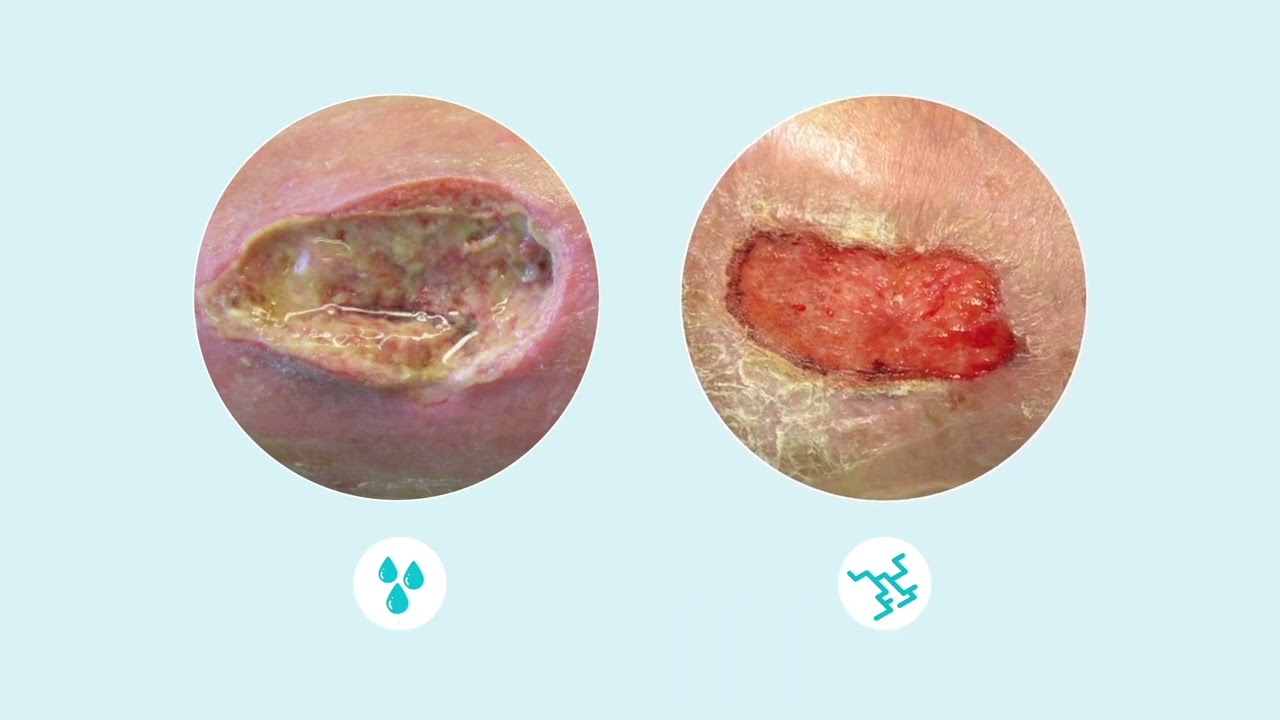
Common Wound Types
You will see many types of wounds in clinical practice. Each type needs special care. The most common wounds include abrasions, pressure ulcers, surgical wounds, skin tears, and moisture-associated skin damage. You can look at the table below to see how often each wound type appears:
Wound Type | Count | Prevalence Rate (%) |
|---|---|---|
Abrasions | 8792 | 37.49 |
Pressure Ulcers (PUs) | 4089 | 17.43 |
Surgical Wounds | 3107 | 13.25 |
Skin Tears | 2206 | 9.41 |
Moisture-Associated Skin Damage (MASD) | 959 | 4.09 |
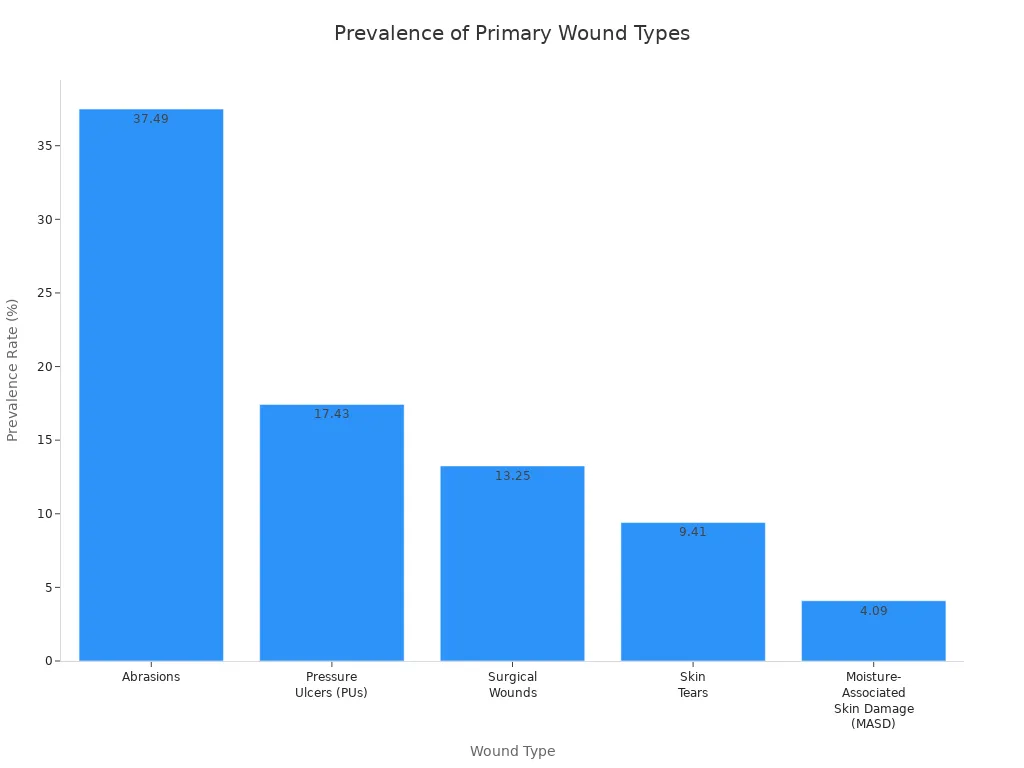
You should know the wound type before you choose a dressing. Abrasions often need gentle protection. Pressure ulcers may need dressings that handle more fluid. Surgical wounds can have different needs based on their size and depth. Skin tears need soft dressings that do not stick to fragile skin. Moisture-associated skin damage often needs dressings that keep the skin dry.
Tip: Always check the wound type first. This helps you pick the right dressing and avoid problems.
Exudate Levels and Their Impact
You must look at the level of drainage when you care for wounds. Exudate is the fluid that comes from wounds. It helps healing by keeping the wound moist and bringing nutrients. Too much exudate can slow healing and cause problems like skin breakdown or infection.
Exudate creates a moist environment that helps cells move and repair tissue.
Too much exudate can make the skin too wet, leading to maceration and higher infection risk.
You need to pick dressings that match the amount of exudate. This keeps the wound safe and helps it heal.
Dressings should do the following:
Absorb extra fluid to stop leaks.
Protect the skin around the wound from damage.
Fit closely to the wound bed to avoid empty spaces.
You will find that managing exudate is key to wound care. If you control the fluid, you help the wound heal faster and keep the skin healthy.
Absorbent Dressings for Wounds
You have many choices for absorbent dressings. Each one works best for certain wounds and fluid levels. Here are the main types of absorbent wound dressings:
Foam dressings
Alginate dressings
Hydrocolloid dressings
Superabsorbent dressings
Hydrofiber dressings
Composite and gauze dressings
Dressings for fragile skin
Foam Dressings for Moderate Exudate
Foam dressings help with wounds that have moderate exudate. These dressings soak up fluid and keep wounds moist. They also give extra padding to the wound. Some foam dressings have antimicrobial agents to stop infection. Dressings like L-Mesitran Foam can lower pain and help wounds heal faster. Foam dressings work well because they hold fluid, help clean wounds, and protect from pressure.
Tip: Foam dressings can save money by needing fewer changes.
Alginate Dressings for Heavy Exudate
Alginate dressings come from seaweed and are good for wounds with lots of fluid. When they touch wound fluid, they turn into a gel. This gel keeps the wound moist and helps it heal. Alginate dressings soak up a lot of fluid, but polyurethane foams can hold even more. You can see how dressings compare in the table below:
Dressing Type | Absorption Capacity | Degradation Time |
|---|---|---|
Calcium Sodium Alginate | Highest | 4 hours |
Calcium Alginate | High | 1 hour |
Polyurethane Foam | High | N/A |
Hydrocolloid | Low | N/A |
Hydrocolloid Dressings for Low to Moderate Exudate
Hydrocolloid dressings are good for wounds with low or moderate exudate. These dressings stick to the skin and keep the wound moist. Studies show hydrocolloid dressings can lower pain and help wounds heal faster. People with friction burns healed quicker and felt less pain with hydrocolloids than with other dressings.
Superabsorbent Wound Care Dressings
Superabsorbent dressings use new technology to control fluid. You can use these dressings for wounds that need extra fluid control. They have a soft silicone layer, so taking them off hurts less. The backing lets air in but stops leaks. Superabsorbent dressings are used in hospitals, clinics, and at home.
Unique Features | Clinical Benefits |
|---|---|
Advanced Absorption Technology | Controls exudate, fewer dressing changes needed |
Gentle Silicone Contact Layer | Less pain during changes, more comfort |
Breathable and Protective Backing | Keeps wound moist, prevents leaks |
Versatile Use | Works in many care settings |
Improved Healing Outcomes | Better healing rates for many wound types |
Hydrofiber Absorbent Wound Dressings
Hydrofiber dressings turn into a gel when they touch wound fluid. This gel locks in fluid and keeps the wound moist. These dressings trap bacteria and protect the skin around the wound. They fit close to the wound, which lowers infection risk. Studies show hydrofiber dressings can make wounds smaller and less painful, especially for wounds with lots of fluid.
Composite and Gauze Dressings
Composite dressings mix materials like foam, hydrocolloid, and alginate. You can use them for wounds with different amounts of fluid. They soak up fluid and keep wounds moist. Gauze dressings are common and cost less, but they do not keep wounds moist and may need more changes. Gauze can stick to wounds and hurt when you take it off.
Advantage | Description |
|---|---|
Cost-effective | Gauze is cheap for less frequent changes |
Easy to use | Most providers know how to apply gauze |
Versatile | Many shapes and sizes for different wounds |
Limitation | Description |
|---|---|
Poor moisture | Gauze does not keep wounds moist |
Infection risk | Gauze does not block bacteria well |
Painful removal | Gauze can stick and hurt when removed |
Frequent changes | Gauze needs more changes, raising costs |
Dressings for Fragile Skin
If your skin is fragile, you need gentle dressings. Silicone dressings are good for many changes and lower skin damage risk. Hydrocolloid dressings also protect fragile skin and lower pain. Most people feel less pain and more comfort with these dressings. You can use them to stop pressure injuries and protect sensitive skin.
Note: Always look for redness or pain after taking off a dressing. Pick a gentle dressing if you see any problems.
You can match absorbent dressings to your wound’s needs. This helps you care for wounds and helps them heal faster.
Choosing the Right Dressing for Wound Care
Picking the best dressing helps wounds heal and keeps you comfortable. It also lowers the chance of infection. You need to check how much fluid comes from the wound. You should know what kind of wound it is. Some wounds need special care if the skin is sensitive or if the wound is in a tricky spot. This section gives you easy steps to match dressings to different wounds.
Low Exudate Wound Care Dressings
Wounds with little or no fluid need special dressings. These dressings keep the wound moist but do not let it dry out. Shallow cuts, surgical wounds, and some pressure ulcers are examples. You should also think about how much the dressing costs and if it feels good on your skin. It should be easy to use.
Pick dressings that help new skin grow and keep the wound moist.
Use dressings that do not stick to the wound. This stops pain when you change them.
Make sure air can get to the wound, but germs cannot.
Choose dressings that are clean, safe, and do not cause allergies.
Here is a simple checklist for low exudate wound dressings:
Criteria | Description |
|---|---|
Healing Support | Keep the wound moist, help new skin grow, and support blood flow. |
Trauma Prevention | Do not stick to the wound, protect new skin during changes. |
Protection | Let air in, block germs, and keep the wound at a good temperature. |
Safety | Use clean, safe, and allergy-free materials. |
You can use hydrocolloid dressings or thin foam dressings for these wounds. These dressings keep the wound moist and help stop infection.
Tip: Always check if the dressing is the right size. It should be about 2 inches bigger than the wound.
Moderate Exudate Absorbent Dressings
Wounds with some fluid need dressings that soak up moisture. They should still keep the wound moist. Stage 2 pressure ulcers and venous ulcers are common examples. You want to stop leaks and protect the skin around the wound.
Foam dressings are good for wounds with moderate fluid. They soak up fluid and give padding.
Alginates can help if there is more fluid, but they work best for wounds with lots of fluid.
Some foam dressings, like Biatain, are very good at soaking up fluid and feel comfortable.
Pick a dressing that fits the wound well. It should not need to be changed too often. This saves time and lowers the risk of infection.
Note: If the dressing is wet over more than half, you may need a stronger dressing.
Heavy Exudate Absorbent Wound Dressings
Some wounds make a lot of fluid. Deep pressure ulcers and big venous ulcers are examples. You need dressings that can handle all this extra fluid. If you do not control the fluid, the skin can break down and get infected.
Calcium alginate dressings come from seaweed. They turn into a gel when they touch fluid. They help stop bleeding and lower pain.
Superabsorbent dressings have special layers to lock in fluid. They keep the outside of the wound dry.
Thick foam dressings can help, but they are best for wounds with less fluid.
Here is a table to help you pick for heavy exudate wounds:
Dressing Type | Description | Indications |
|---|---|---|
Calcium Alginate | Turns into gel, lowers pain, helps stop bleeding. | Moderate to heavy exudate wounds. |
Superabsorbent | Locks in lots of fluid, keeps wound dry. | Heavy exudate, big wounds. |
Foam Dressings | Soaks up fluid, protects wound, adds comfort. | Mild to moderate exudate wounds. |
Tip: Change dressings when needed, but not more than every other day unless your nurse or doctor says so.
Special Considerations (Skin Sensitivity, Wound Location)
You need to think about more than just fluid. Some people have allergies or very sensitive skin. Some wounds are in places that move a lot or are hard to cover.
Always check if you or the patient is allergic to any dressing.
Pick dressings that feel good and look nice, so you will want to use them.
For wounds on joints or places that bend, use dressings that stretch and move with the skin.
For wounds on the face or places people see, use dressings that are hard to notice.
Note: Dressing kits should fit each person’s needs. Do not use the same kit for everyone.
Quick Reference Table: Matching Dressing to Wound and Exudate Level
Wound Type / Exudate Level | Low Exudate | Moderate Exudate | Heavy Exudate |
|---|---|---|---|
Abrasions | Hydrocolloid, thin foam | Foam | Superabsorbent, alginate |
Pressure Ulcers | Hydrocolloid, thin foam | Foam, alginate | Calcium alginate, superabsorbent |
Venous Ulcers | Hydrocolloid, thin foam | Foam, alginate | Calcium alginate, superabsorbent |
Surgical Wounds | Hydrocolloid, thin foam | Foam | Superabsorbent, alginate |
Skin Tears | Silicone, hydrocolloid | Foam, silicone | Superabsorbent, silicone |
✅ Always match the dressing to the wound type, fluid level, and what the patient needs for the best healing.
Tips for Using Absorbent Wound Dressings
Monitoring and Changing Dressings
You play a key role in wound care by checking your wound and dressing often. Regular inspection helps you spot problems early and keeps healing on track. Look for changes in the wound, such as redness, swelling, or extra fluid. If you see these signs, you may need to change your dressing sooner.
Here are best practices for monitoring wounds with absorbent wound dressings:
Best Practice | Description |
|---|---|
Regular Inspection | Check the wound and dressing every day to watch for healing or problems. |
Adjustment of Dressing Regimen | Switch to a more absorbent or antimicrobial dressing if the wound changes. |
Patient Education | Learn how to keep the dressing clean and know when to ask for help. |
You should change your dressing every 1 to 7 days, depending on the type of dressing, how much fluid the wound makes, and the stage of healing. Most wounds do best when you change the dressing at 48 hours after surgery. Do not wait longer than 4.5 days, as this can raise the risk of infection. Change the dressing right away if you notice:
Redness or swelling at the wound site
Too much fluid leaking out
Bad smell
Dressing coming loose
The wound is not healing
Antimicrobial dressings can help if you see signs of infection or if your wound is at high risk.
When to Consult a Professional
Sometimes, you need extra help with wound care. You should contact a healthcare provider if you notice any of these signs:
Indicator Type | Description |
|---|---|
Wound Bed Characteristics | The wound looks yellow, black, or has a strange texture. |
Exudate Characteristics | The fluid is thick, green, or smells bad. |
Pain Assessment | You feel more pain than before or pain does not go away. |
Complex Wound Management | The wound gets bigger, deeper, or does not heal after a week. |
If you cannot manage the drainage or if you need to use antimicrobial dressings often, a professional can guide you. They can help you choose the right absorbent wound dressings and make sure your wound heals well.
Tip: Always ask for help if you feel unsure about your wound or dressing. Early action can prevent bigger problems.
You can improve wound care by matching the right dressing to your wound type and fluid level. Start by checking the wound and how much fluid it makes. Choose a dressing that fits these needs. Many patients feel less pain and need fewer dressing changes when you use the right product.
Most patients in one group did not need any dressing changes in six days.
Nurses and doctors reported higher satisfaction with absorbent dressings.
Follow these tips for ongoing care:
Clean wounds gently and watch for signs of infection.
Protect wounds from sun and heat.
Eat well and stay hydrated.
Ask a healthcare professional if you see problems or feel unsure.
Use the decision-making steps in this guide to help wounds heal faster and keep your skin healthy.
FAQ
What is exudate, and why does it matter?
Exudate is the fluid that comes from a wound. You need to control it because too much can slow healing and cause infection. The right dressing helps manage exudate and keeps your skin healthy.
How often should you change absorbent wound dressings?
You should change dressings every 1 to 7 days. If you see extra fluid, redness, or a bad smell, change it sooner. Always follow your nurse or doctor’s advice.
Which dressing works best for sensitive skin?
You can use silicone or hydrocolloid dressings for sensitive skin. These dressings protect fragile skin and lower pain during changes.
Dressing Type | Benefit for Sensitive Skin |
|---|---|
Silicone | Gentle removal |
Hydrocolloid | Comfort and protection |
Can you use the same dressing for all wounds?
No, you should match the dressing to the wound type and fluid level. Using the wrong dressing can slow healing and cause problems.
Tip: Always check your wound before picking a dressing. This helps you choose the best product for healing.


