


You should know the main wound care dressing categories in 2025. These categories include traditional gauze, foam, hydrocolloid, super absorbent, and silver-infused dressings. Advanced wound dressings now make up 53.45% of the market, highlighting their importance in treatment. Choosing the right dressing helps wounds heal better and enhances patient comfort. Studies show that non-adhesive foam dressing aids in faster wound healing, reduces pain, and saves money.
Metric | Non-Adhesive Foam Dressing | No ICB |
|---|---|---|
27.4 | 33.2 | |
Mean Time to Healing (weeks) | 12.7 | 25.5 |
Mean Time Between Dressing Changes (days) | 3.1 | 1.9 |
Mean Labor Costs (CAD) | 1766 | 6488 |
Adverse Events | None reported | N/A |
Overall Safety Profile | Improved | N/A |
SLK Medical is a leader in innovative wound care dressing categories. You can trust their technology for better results for patients.
Key Takeaways
Knowing the main types of wound dressings helps you pick the best one for healing. Gauze, foam, and hydrocolloid are some common types. Advanced dressings like silicone foam and silver-infused ones help wounds heal faster. They also lower the chance of infection. Foam dressings work well for wounds with a lot of fluid. They keep the wound comfortable and control moisture. They also mean you do not need to change the dressing as often. Always look at the wound and how much fluid it has before picking a dressing. This helps make sure the treatment works and the patient feels comfortable. SLK Medical has new dressings that use advanced technology. These dressings are easy to use and help wounds heal better.
Wound Care Dressing Categories Overview
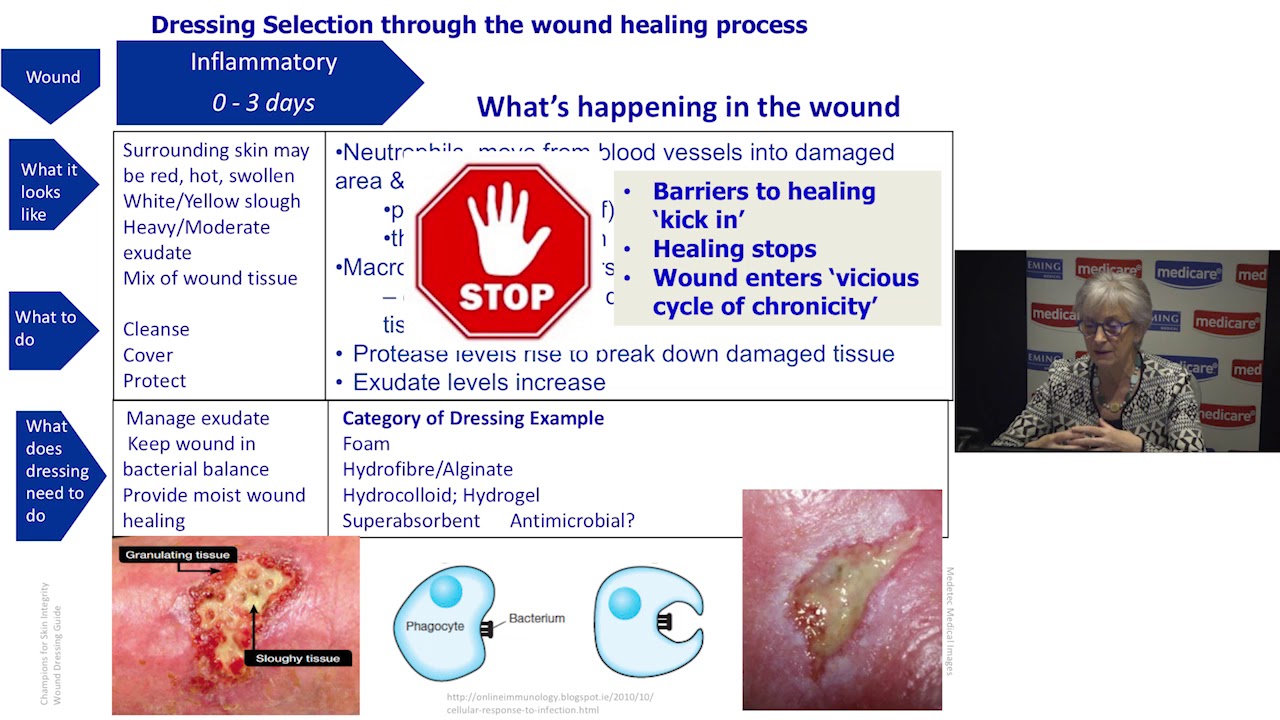
Main Types of Wound Dressings
There are many wound care dressing categories today. Each one helps wounds in a special way. Some dressings are old, and some use new technology. It is important to know the main types. This helps you pick the best one for each wound.
Here is a table that lists the main types of wound dressings and what they do:
Dressing Type | Characteristics and Uses |
|---|---|
Gauze dressings | Versatile, low cost, absorb exudate, protect wounds. Not for serious wounds. |
Non-adherent dressings | Reduce trauma during changes, good for delicate tissues. Not for heavy exudate. |
Hydrocolloid dressings | Absorbent, keep wounds moist, best for low to moderate exudate. |
Soft, cushion wounds, absorb large amounts of exudate, used for moderate to severe wounds. | |
Alginate dressings | Form gel, manage moderate to heavy exudate. |
Transparent film dressings | Thin, waterproof, let you see the wound without removal, protect wounds. |
Hydrogel dressings | Keep wounds moist, good for dry wounds with little drainage. |
Collagen dressings | Help healing, reduce swelling, used for chronic and deep wounds. |
Silver dressings | Contain silver for infection control, used for infected and chronic wounds. |
Composite dressings | Combine materials for complex wounds. |
These wound dressings help with many different needs. This makes it easier to choose the right one for each wound.
Primary vs. Secondary Dressings
It is also important to know about primary and secondary dressings. This helps you use wound care dressings the right way.
Dressing Type | Description | Function |
|---|---|---|
Primary Dressing | Placed directly on the wound | Protects the wound and may help healing |
Secondary Dressing | Secures the primary dressing, manages drainage | Keeps the primary dressing in place and handles extra exudate |
Primary dressings go right on the wound. Secondary dressings keep the first dressing in place and handle extra fluid. You often use both to help wounds heal better.
SLK Medical is a top company in wound care dressings. They use new ideas and research to make their products. You can trust their dressings to help wounds heal and keep patients comfortable. Their new technology means you can always find the best wound dressing for any wound.
Gauze Wound Dressing and Traditional Types
Features and Uses of Gauze Dressings
Gauze wound dressing is used a lot in hospitals and clinics. It is cheap and can be used in many ways. You can cut, fold, or stack it to fit different wounds. Many doctors and nurses like gauze because it is easy to use.
Here is a table that shows how gauze dressings compare to other types:
Feature/Benefit | Gauze Wound Dressings | Other Dressings |
|---|---|---|
Cost-effectiveness | Inexpensive and easy to get | Often costs more |
Versatility | Can be cut, folded, or stacked | Not as easy to change |
Airflow | Lets air reach the wound | Usually blocks air |
Moisture retention | Does not keep wounds moist | Keeps wounds moist better |
Patient comfort | May stick and hurt when removed | Feels more comfortable |
Dressing change frequency | Needs to be changed often | Changed less often |
Use in complex wounds | Not good for hard-to-heal wounds | Works better for tough wounds |
Gauze dressings let air get to the wound. This helps the wound breathe. But they do not keep the wound wet, so you must change them a lot. In Japan, many people with long-lasting wounds still use gauze. In the United States, the “wet to dry” way is still used. Gauze is best when you want something simple and cheap.
When to Choose Traditional Dressings
You should use traditional dressings in some cases:
Covering small cuts or scrapes to protect them.
Soaking up fluid from surgery cuts or wounds.
Putting medicine on wounds with special gauze.
Protecting burns from getting worse.
Covering pressure ulcers or wounds that do not leak much.
Packing deep wounds to help stop bleeding.
Gauze can also cover places where skin was taken for grafts or protect wounds after surgery. Traditional dressings are flexible and easy to use. They are good for simple wounds or when you need a quick fix.
Foam Dressings and SLK Medical Solutions
Foam dressings have made wound care easier for wounds with lots of exudate. They help control moisture, protect wounds, and support healing. You can use foam wound dressing for many wounds. These dressings are great when you need strong absorption and gentle care.
Tip: Foam dressings are good for wounds that leak a lot. They keep wounds moist but not too wet. This helps skin heal faster.
Advantages of Foam Dressings
Here are the main benefits of foam dressings:
Advantage | Description |
|---|---|
Absorbency | Foam dressings soak up a lot of exudate. This is important for wounds with moderate to high exudate. |
Moisture Control | They keep wounds moist, which helps healing. Dressing changes hurt less with foam dressings. |
Protective Features | These dressings block germs and lower infection risk. |
Anti-microbial Capability | Some foam dressings have silver to fight infection. |
Reduced Risk of Detachment | They hold fluid well and do not fall off easily. You do not need to change them often. |
Flexibility and Biocompatibility | Foam dressings are soft and fit the body. They are comfortable and safe for your skin. |
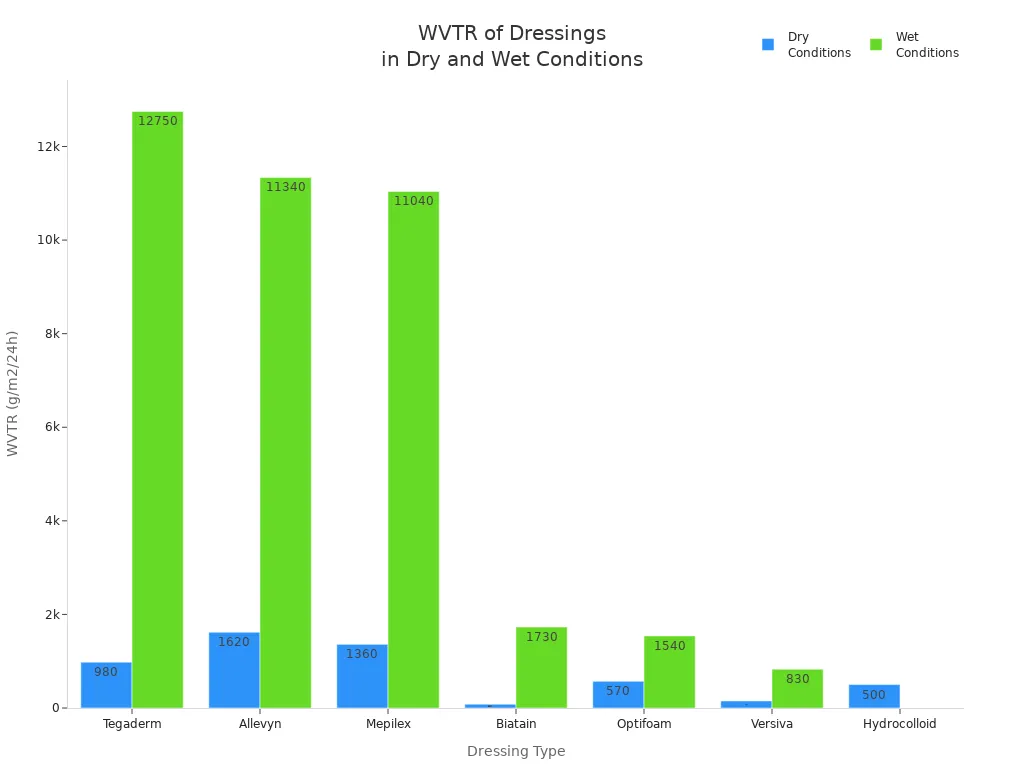
Foam dressings manage moisture better than many other types. The chart below shows how foam dressings and hydrocolloid dressings compare in water vapor transmission rates (WVTR). A higher WVTR means better moisture control. This is important for wounds that leak a lot.
SLK Medical’s Foam Dressing Solutions
SLK Medical makes advanced foam dressings for wound care. Their products use special technology for better absorption and comfort. SLK Medical has three main types of foam dressings:
Silicone Foam Dressing with Border
This dressing is great for wounds that need strong absorption and gentle care. The border keeps the dressing in place, even on hard-to-cover spots. You can use it for post-surgery wounds, pressure ulcers, diabetic foot ulcers, and burns. The silicone layer feels soft and does not stick. You can remove it without pain.
The dressing has a waterproof backing. It keeps out germs and lets you shower.
The multi-layer design soaks up to 10 times its weight in fluid.
The silicone border protects sensitive skin and lowers skin damage risk.
Silicone Foam Dressing without Border
This dressing is good when you need flexibility. It works well for wounds on joints or places that move a lot. The dressing absorbs fluid, keeps wounds moist, and protects against infection. The silicone layer is gentle and safe for sensitive skin.
The dressing stays in place for up to 7 days.
You can cut it to fit different wound shapes.
The waterproof film lets air in but keeps water and germs out.
Non Adhesive Foam Dressing
This dressing is perfect for wounds that need extra care but cannot use adhesive. It is good for fragile skin or wounds in tricky spots. The dressing absorbs fluid, keeps wounds moist, and protects against infection.
You can cut the dressing to any size or shape.
The dressing is waterproof, so you can shower without worry.
It is soft and flexible, so it fits well on any part of the body.
Why Choose SLK Medical’s Foam Dressings?
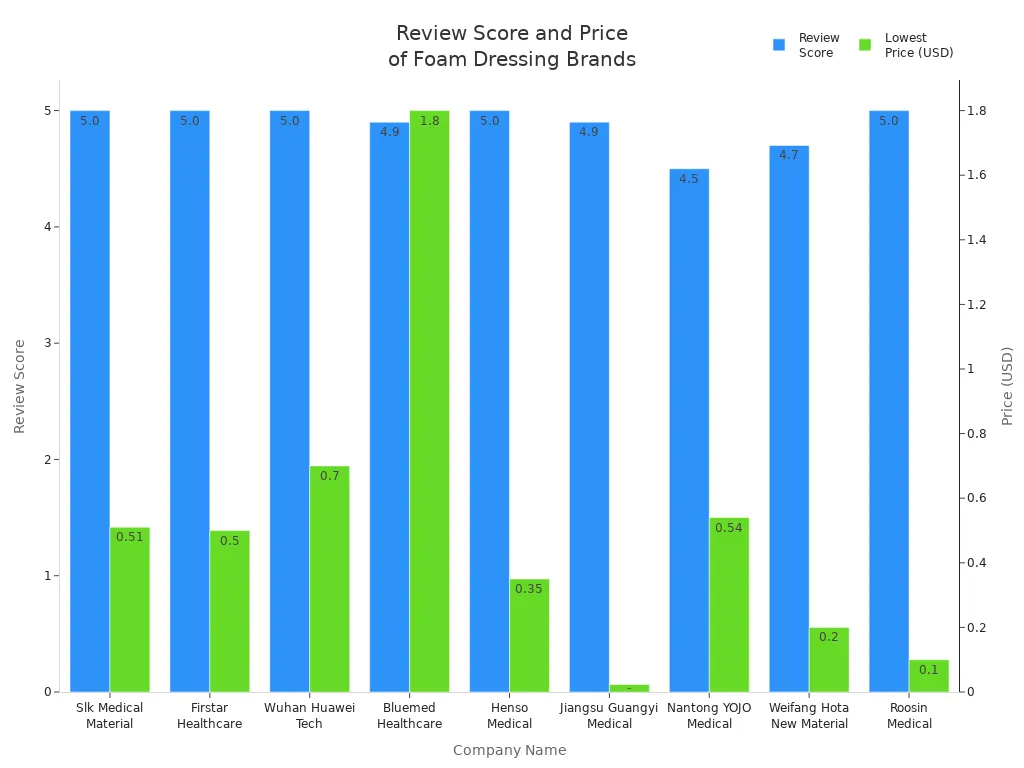
SLK Medical’s foam dressings are known for high absorption and comfort. In a recent review, SLK Medical got a top score of 5.0 and a high buyer repeat rate of 34%. Their prices are good, and they are known for quality and reliability.
Company Name (Country) | Review Score | Price Range (USD) | Key Attributes |
|---|---|---|---|
Slk Medical Material (CN) | 5.0 | $0.51 – $0.54 | High buyer repeat rate (34%), Manufacturer |
Firstar Healthcare (CN) | 5.0 | $0.50 | Established manufacturer |
Wuhan Huawei Tech (CN) | 5.0 | $0.70 – $0.72 | Focus on pressure ulcers/bed sores |
Bluemed Healthcare (CN) | 4.9 | $1.80 – $3.00 | Waterproof silicone foam |
Henso Medical (CN) | 5.0 | $0.35 – $0.80 | Sterile silicone foam |
Jiangsu Guangyi Medical (CN) | 4.9 | $0.023 – $0.025 | Lowest Price Point |
Nantong YOJO Medical (CN) | 4.5 | $0.54 – $2.50 | Cooperates with Fortune 500 |
Weifang Hota New Material (CN) | 4.7 | $0.20 – $0.50 | Lowest MOQ |
Roosin Medical (CN) | 5.0 | $0.10 – $1.00 | Lowest Bulk Price ($0.10) |
Benefits for Sensitive Skin and Chronic Wounds
Silicone foam dressings are safe for sensitive skin and chronic wounds. These dressings help stop pressure injuries, especially on the sacrum and heel. They spread out pressure, keep skin at the right temperature and humidity, and stop skin from getting too wet. Studies show silicone foam dressings lower the risk of skin problems like incontinence-associated dermatitis by over 60%. The soft, stretchy material absorbs movement and keeps wounds safe.
Note: Silicone foam dressings are a smart choice for wounds that need gentle care and strong protection. They help you heal faster and feel more comfortable.
You can trust SLK Medical’s foam dressings for great wound care. Their products help you manage wounds, protect sensitive skin, and improve healing for chronic wounds.
Advanced Wound Care Dressings
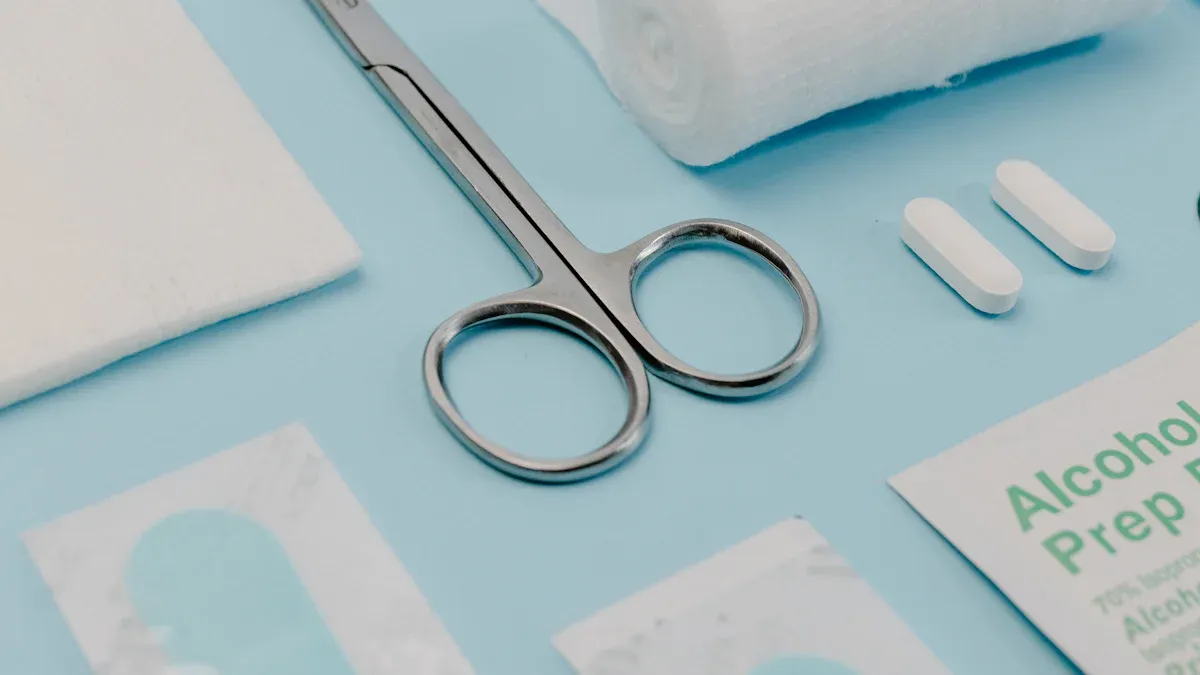
Modern wound dressings have changed how people take care of wounds. These new dressings help wounds heal faster and lower infection risk. There are many types, and each one has special features for different needs.
Hydrocolloid Dressings
Hydrocolloid dressings keep wounds moist so new tissue can grow. When you put a hydrocolloid dressing on a wound, it turns fluid into a gel. This helps the body clean out dead tissue and heal faster. SLK Medical’s hydrocolloid dressings are soft and easy to use. You can use them on many parts of the body. These dressings protect nerves and make pain less. You can also check the wound without taking off the dressing.
Hydrocolloid dressings help new tissue grow.
They help remove dead tissue and speed up healing.
You can use them for wounds with a little or medium amount of fluid.
Super Absorbent Dressings
Super absorbent dressings are good for wounds that leak a lot. SLK Medical’s super absorbent dressings can hold a lot of fluid, up to 20 times their weight. This keeps the wound dry and helps stop infection. These dressings are great for leg ulcers, pressure ulcers, and diabetic foot wounds. They fit the body well and do not stick to the wound, so changing them does not hurt.
These dressings soak up extra fluid and lower infection risk.
You do not need to change them as often, which saves time and money.
Both hydrocolloid and absorbent dressings help wounds heal faster.
Silver-Infused Dressings
Silver dressings use silver to fight germs and stop infection. You can use silver dressings for wounds that might get infected or heal slowly. Studies show silver dressings lower the chance of infection after surgery by 40% compared to dressings without silver. They work well for wounds that last a long time and burns. Some silver dressings also use other germ-fighting medicines for more protection.
Silver dressings help stop and treat infections.
They are a good choice for wounds that might get infected.
You can use them with other advanced dressings for better healing.
Tip: Advanced wound care dressings like hydrocolloid, super absorbent, and silver dressings help wounds heal better and lower infection risk compared to old types. You may also see hydrogel dressings, alginate dressings, collagen dressings, and honey dressings for special wounds. These dressings, along with germ-fighting medicines, give you more ways to care for wounds.
Specialty and Innovative Dressings
Specialty dressings help with hard-to-heal wounds and sensitive skin. These dressings are used when wounds need extra care or protection. SLK Medical makes new products that use the latest technology and meet strict rules.
Silicone Foam Ag Dressing
Silicone foam Ag dressing is good for wounds that need strong germ control. It has ionic silver that kills bacteria and lowers infection risk. The silicone layer is soft and does not stick to your skin. You can take it off without pain. The foam soaks up fluid and keeps the wound moist. This helps wounds heal faster. SLK Medical’s silicone foam Ag dressing stays on, even with pressure. It works for wounds that leak a lot.
Tip: Use dressings with germ-fighting power for wounds that heal slowly or look infected.
Dressing Type | Description |
|---|---|
Composite dressings | Mix different materials to help tough wounds heal better. |
Negative Pressure Wound Therapy | Uses special pressure to pull out extra fluid and help bad wounds heal faster. |
Biological dressings | Made from natural things to help the body heal big or hard wounds. |
Bioengineered skin dressings | Skin grown from the patient’s own cells to replace lost or hurt skin. |
Silver dressings | Kill germs and work well for wounds that are infected or last a long time. |
Transparent and Film Dressings
Transparent film dressings cover wounds and let you see how they heal. You can use them for small cuts, surgery spots, and IV sites. These dressings are thin, waterproof, and bend easily. You can check the wound without taking the dressing off. Transparent film dressings keep out germs and water but let air in. They are best for wounds that do not leak much.
Transparent film dressings are good for people who move a lot.
They work well for kids and older people because they stick well and do not hurt when changed.
These dressings protect skin and keep wounds moist.
Gelling Fiber and Contact Layers
Gelling fiber dressings soak up fluid and turn it into gel. They are used for wounds that leak a medium or large amount. The gel keeps the wound moist and helps new skin grow. Non-adherent dressings protect soft skin and make dressing changes less painful. You can use them for burns, skin grafts, and wounds with weak tissue.
Pick dressings that match the patient’s age and how active they are.
Use dressings that stick well for kids so they do not pull them off.
Choose dressings that do not hurt to lower stress.
SLK Medical sells hydrocolloid, non-adherent, and transparent film dressings. These dressings meet FDA and ISO 13485 rules. You can trust SLK Medical for safe and helpful wound care.
Description | AMR Concern Level | |
|---|---|---|
Class III | Products with a high risk of germs not responding to treatment | High |
Class II | Products with a medium or low risk of germs not responding to treatment | Medium/Low |
Choosing the Right Wound Care Dressing
Assessing Wound Type and Exudate
You should look at the wound before you pick a dressing. The kind of wound and how much fluid it has will help you choose. Some dressings are better for wet wounds. Others work best for wounds that are dry. The table below shows which dressing is good for each type:
Dressing Type | Indication |
|---|---|
Foam Dressings | Ideal for wounds with moderate to high exudate. |
Hydrocolloid Dressings | Best suited for wounds with mild to moderate exudate. |
Alginate Dressings | Highly absorbent, suitable for wounds with significant exudate. |
Hydrogel Dressings | Provides moisture to dry wounds, helping healing. |
You should always pick a dressing that matches the wound’s needs. This helps the wound heal and keeps the skin safe.
Best Practices for Wound Care in 2025
You can follow easy steps to help wounds heal faster. These best practices lower the chance of problems:
Keep the wound moist so it heals better.
Check the patient’s health before you pick a dressing.
Use advanced dressings like hydrocolloids and foams for better results than gauze.
Follow a guide to match the dressing to the wound and fluid level.
Mistakes can make healing take longer. The table below shows common errors and ways to avoid them:
Common Mistake | Potential Consequences | How to Avoid |
|---|---|---|
Using hydrogen peroxide | Damages healthy tissue | Use gentle antiseptic or sterile saline |
Leaving dressings on too long | Increased infection risk | Change dressings as directed |
Applying the wrong dressing type | Delayed healing | Ask a healthcare professional for advice |
Not cleaning due to pain | Higher infection risk | Use pain relief and seek professional help |
Tip: Always check the wound and change the dressing when needed. This keeps the wound clean and helps it heal.
SLK Medical’s Role in Wound Care Solutions
SLK Medical helps you make smart choices for wound care. You can find guides that show how to pick the right dressing for each wound and healing stage. These guides teach you how to manage moisture and stop infection by picking the right dressing for the fluid level. SLK Medical also has a full guide to foam dressings. It explains how foam dressings soak up fluid and protect the skin. Their silicone foam dressing saves money, needs fewer changes, and keeps patients comfortable. This helps wounds heal better and makes things easier for patients and caregivers.
Note: SLK Medical gives healthcare workers and patients easy guides and advanced dressings. You can trust their products to help wounds heal faster and safer.
You now know how different dressings help wounds heal. Picking the right dressing helps patients get better and lowers problems. New ideas, like advanced silicone foam dressings and D-Pore™ technology, help wounds heal quicker.
Keep learning about new dressing technology to give patients great care.
Practical Tips for Choosing and Using Dressings:
Learning is important for good wound care.
Look at the wound before you pick a dressing.
Use clean steps and get all your supplies ready.
Do not use harmful things unless a doctor says so.
Innovation | Description |
|---|---|
Advanced Silicone Foam | Better fluid control and less pressure |
D-Pore™ Technology | Helps absorb fluid and lets air in |
SLK Medical has advanced dressings for all wounds. Pick the best for your patients.
FAQ
What is the best dressing for sensitive skin?
You should choose silicone foam dressings for sensitive skin. These dressings protect fragile areas and reduce pain during changes. SLK Medical offers gentle options that help you heal faster.
How often should you change a wound dressing?
You need to change your dressing based on the wound type and how much fluid it produces. Most foam dressings last up to 7 days. Always follow your healthcare provider’s advice.
Can you shower with a foam dressing?
You can shower with most foam dressings. Waterproof backings keep the dressing secure and protect the wound. Check the product instructions before you shower.
Why is moisture important in wound care?
Moisture helps wounds heal faster. Dressings that keep wounds moist support new tissue growth and lower infection risk. You should avoid letting wounds dry out.
Tip: Always check your wound for signs of infection like redness or swelling. Contact your doctor if you notice changes.
What makes SLK Medical dressings different?
SLK Medical uses advanced technology like D-Pore™ to improve absorption and breathability. Their dressings offer comfort, fast healing, and strong protection for many wound care needs.


