


You want your wound to heal fast and with less pain. Moist wound dressing gives the best place for new cells to grow. It helps fix tissue. This way works better than old dry dressings. It helps skin cells move faster. It keeps growth factors around longer.
In mouse studies, wounds with hydrocolloid and film dressings healed by day 14. Dry gauze made wounds tight and slow to heal.
Hydrocolloid dressings showed slower healing but better moisture control.
Effect | Benefit |
|---|---|
Cell Migration | Skin cells move easily on moist surfaces |
Epithelialization | Skin rebuilds faster, more growth factors |
Inflammatory Phase | Healing starts quicker |
Healing Rate | Less dead tissue, better healing |
SLK Medical gives advanced solutions. These make healing smoother and more comfortable.
Key Takeaways
Moist wound dressings help wounds heal faster. They keep skin cells wet and working. Using moist dressings can lower pain and make you feel better. Moisture helps your body stop infections. It keeps wounds clean and helps new blood vessels grow. Picking the right dressing for your wound can help you heal and feel better. Talk to a healthcare professional to find the best moist dressing for you.
Science Behind Moist Wound Dressing
Cell Migration and Healing
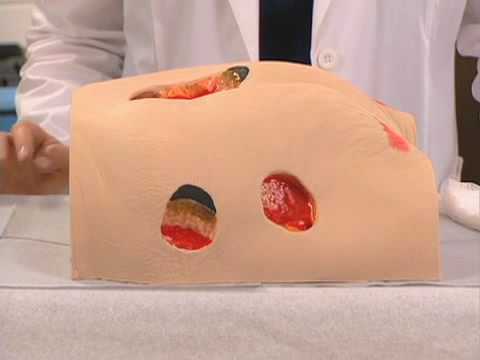
When you use a moist wound dressing, you give your skin cells the best chance to move and grow. Your body needs cells like keratinocytes to travel across the wound and rebuild the skin. Moisture helps these cells glide smoothly, almost like skaters on ice. Growth factors and cytokines, which are special proteins, also work better in a moist place. They tell your cells when to move and when to multiply.
Here’s a quick look at how your body uses these helpers:
Mechanism | Description |
|---|---|
Cytokine Role | Cytokines like IL-1 and TGFβ1 help skin cells move and multiply. |
Growth Factors | Proteins such as HB-EGF, EGF, and FGF-2 boost cell growth and movement. |
Extracellular Matrix | Connects to cell “anchors” called integrins, guiding cells as they repair. |
Moisture does more than help cells move. It also helps your body build new blood vessels, a process called angiogenesis. This brings more oxygen and nutrients to the wound. You also get more fibroblasts, which are cells that make collagen. Collagen acts like scaffolding for your new skin.
Evidence Type | Description |
|---|---|
Increased Number of Fibroblasts | You get 60% more fibroblasts in a moist wound than in a dry one. |
Faster Rate of Angiogenesis | New blood vessels form faster, bringing nutrients to the healing area. |
Increased Collagen Synthesis | Your body makes more collagen, which helps the wound close and become stronger. |
Moisture and Infection Prevention
You want to keep your wound safe from germs. A moist wound dressing helps you do that in two ways. First, it keeps the wound covered, blocking dirt and bacteria. Second, it creates the right setting for your body’s defense cells to work.
Moisture keeps important cells like neutrophils, macrophages, and fibroblasts alive and active.
New blood vessels grow better in a moist place, which helps your body fight infection.
Moisture helps your body clean out dead tissue, so germs have less to feed on.
Dry wounds slow down healing and make it easier for infections to start.
Some dressings, like hydrocolloid types, even have antibacterial agents. They form a barrier that stops bacteria from getting in and growing. This means your wound stays cleaner and heals faster.
Tip: Keeping your wound moist does not mean it will get soggy or dirty. It means you are giving your body the best chance to heal and stay safe from infection.
Pain Reduction and Comfort
You probably want less pain while your wound heals. Moist wound dressing can help with that. When your wound stays moist, nerve endings are less exposed. This means you feel less pain and itching. You also avoid the sharp sting that comes from dry dressings sticking to your skin.
Changing a moist wound dressing is usually easier and less painful. The dressing does not pull off new skin or scabs. You can go about your day with more comfort and less worry.
Note: Many people find that moist wound dressings make healing feel smoother and less stressful. You get better results and a better experience.
Clinical Evidence for Moist Wound Dressings
Research Highlights
You might wonder if science really backs up what you hear about moist wound care. The answer is yes. Many studies show that keeping a wound moist helps it heal faster and better. Here are some key findings you should know:
Healing times can drop by up to 50% when you use a moist wound dressing instead of letting a wound dry out.
A moist environment helps your body make more collagen and new blood vessels. This means your skin repairs itself faster.
People who use moist dressings often get back to their normal routines sooner. You spend less time waiting for your skin to close up.
Your body makes more fibroblasts in a moist wound. These cells build the new tissue you need. In fact, studies show a 60% increase in fibroblasts with moist care.
Moist wounds clean themselves better. Your body removes dead tissue more easily, which lowers the risk of infection.
Healing moves along at the right pace. Dry wounds can get stuck and turn into long-term problems, but moist wounds keep moving forward.
Did you know? Doctors and nurses have used moist wound dressings for decades because they see better results in real life, not just in labs.
Moist vs. Dry Dressings
Let’s compare what happens when you use a moist wound dressing versus a dry one. You want your wound to heal quickly, with less pain and fewer problems. Here’s how the two methods stack up:
Feature | Moist Wound Dressing | Dry Dressing |
|---|---|---|
Healing Speed | Faster, up to 50% quicker | Slower, can take much longer |
Comfort | Less pain, less itching | More pain, dressings stick |
Infection Risk | Lower, better protection | Higher, wounds dry and crack |
Tissue Growth | More fibroblasts, better skin | Fewer cells, weaker healing |
Debridement | Body cleans wound naturally | Dead tissue builds up |
Return to Activities | Sooner, less downtime | Later, longer recovery |
When you keep your wound moist, you help your body do its job. Cells move in, build new tissue, and close the wound faster. You also avoid the pain that comes from dressings sticking to your skin. Dry dressings can slow everything down. They make it harder for your body to heal and can even lead to more infections.
If you want the best chance for a smooth recovery, moist wound dressing is the way to go. You get faster healing, less pain, and a lower risk of problems.
Types of Moist Wound Dressings by SLK Medical
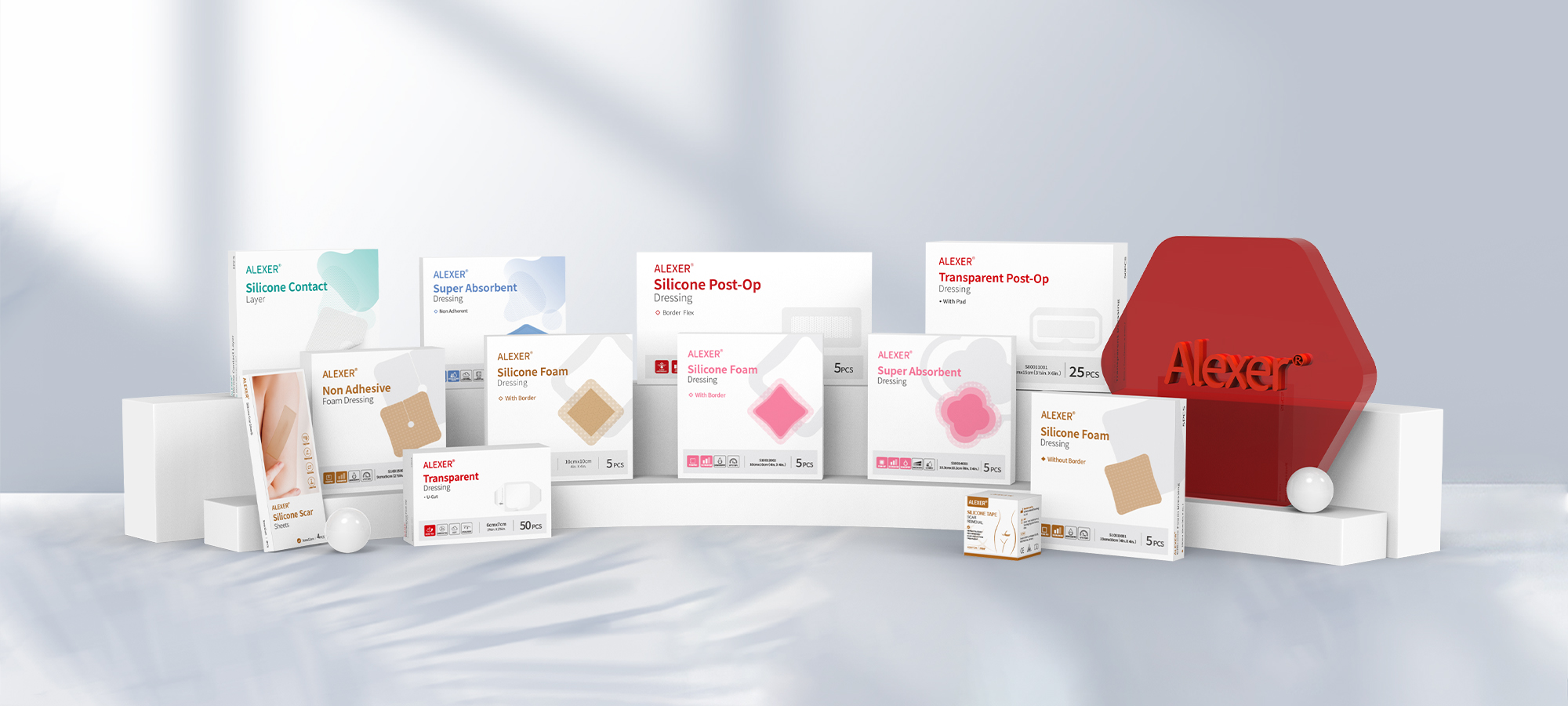
You have many choices when it comes to picking the right moist wound dressing. SLK Medical offers several advanced options, each designed to help your wound heal faster and more comfortably.
Hydrocolloid Dressing
The Hydrocolloid Dressing by SLK Medical is a smart choice for non-chronic wounds. When you place it on your skin, it absorbs the wound’s fluid and turns it into a soft gel. This gel sticks gently to the wound base and keeps the area moist, which helps your skin cells move and grow.
Forms a gel that covers the wound and keeps it moist
Blocks water vapor, so the wound does not dry out
Lets you check the wound without taking off the dressing
You can use this dressing on many parts of your body. It is thin, flexible, and helps protect nerve endings, so you feel less pain.
Silicone Foam Dressing with Border
If you have a wound that leaks a lot, the Silicone Foam Dressing with Border is a great pick. This dressing has a soft foam layer that soaks up extra fluid but keeps the wound moist. The border helps the dressing stay in place, even if you move around a lot.
Creates a moist wound environment for faster healing
Reduces pain and keeps out germs
Absorbs fluid to stop skin from getting soggy
Easy to remove without hurting your skin
Benefit | |
|---|---|
Multi-layer design | Soft foam and water-locking layer work together |
Increased absorption | Handles more wound fluid, so you change it less often |
Lower risk of infection | Keeps germs out and helps your body heal |
Cost-effective | Fewer dressing changes save you time and money |
Non Adhesive Foam Dressing
You might need a dressing that does not stick to your skin. The Non Adhesive Foam Dressing fits this need. It is gentle, absorbs fluid well, and keeps the wound moist. You can cut it to fit any shape, making it perfect for tricky spots.
Great for sensitive or fragile skin
Keeps wounds moist and comfortable
Can be worn for several days
Super Absorbent Dressing Non Adherent
For wounds that leak a lot, the Super Absorbent Dressing Non Adherent is your best friend. This dressing can hold much more fluid than regular foam dressings. It keeps the wound area dry on the outside but moist on the inside, which helps prevent infection and speeds up healing.
Tip: If you have a wound that soaks through other dressings quickly, try this super absorbent option for better moisture control.
SLK Medical gives you choices for every wound type. Each moist wound dressing helps your body heal in the best way possible.
Choosing the Right Moist Wound Dressing
Factors to Consider
Picking the best moist wound dressing starts with looking at your wound. You want to match the dressing to the wound’s needs. Think about how much fluid comes out, if there’s any redness or swelling, and how the tissue looks. You also need to consider your own comfort and how often you want to change the dressing.
Here’s a table to help you see what matters most:
Factor Type | Considerations |
|---|---|
Local Wound Factors | Match dressing to wound’s exudate level, infection risk, and healing phase. |
Systemic Patient Factors | Think about allergies, how easy it is to use, and how often you need changes. |
When you check your wound, look for these things:
How much fluid is coming out?
What color is the fluid?
Is the tissue red, yellow, or black?
Do you see swelling or redness around the wound?
How big is the wound?
You can take photos to track healing. If you’re not sure, ask a healthcare professional. They know how to match dressings to your wound and your needs. SLK Medical always works to bring you new solutions that make wound care easier and more comfortable.
When to Use Each Type
Different wounds need different dressings. You want to choose the right one for your situation. Here’s a quick guide:
Dressing Type | Indications | Contraindications |
|---|---|---|
Hydrocolloid | Small burns, abrasions | Dry wounds, infection |
Alginate | Moderate to high fluid wounds | Dry wounds, hard scabs |
Foam | Mild to moderate fluid wounds | Dry wounds, frequent changes |
Antimicrobial | Infected wounds, burns | Thyroid disease (use with care) |
If your wound leaks a lot, foam or alginate dressings work well. For shallow wounds, hydrocolloid dressings help keep things moist. Burns and infected wounds may need antimicrobial dressings. Always check with your doctor or nurse before you choose.
Tip: The right moist wound dressing helps your skin heal faster and keeps you comfortable. SLK Medical offers many options, so you can find what fits your needs best.
You want your wound to heal quickly and with less pain. Moist wound dressing gives your skin cells the moisture they need to survive and grow. Here’s why you should choose this method:
It helps new blood vessels form, bringing more nutrients.
Your body removes dead tissue more easily.
You feel less pain because nerve endings stay protected.
Wounds close faster and cleaner.
Tip: Always talk to a healthcare professional before picking a dressing. They can help you choose the best option for your wound and health needs.
If you have diabetes or other health issues, personalized care matters. SLK Medical offers advanced dressings for better healing. You get comfort, protection, and a smoother recovery.
FAQ
How often should you change a moist wound dressing?
You should change your dressing when it becomes wet, dirty, or as your healthcare provider recommends. Most moist dressings last several days. Always check the instructions on the package.
Can you shower with a moist wound dressing?
Many moist dressings, like those from SLK Medical, are waterproof. You can usually shower without worry. Just make sure the edges stay sealed. If water gets under the dressing, replace it.
Do moist wound dressings hurt to remove?
No, most moist dressings come off gently. They do not stick to your wound or new skin. You feel less pain when you change them.
What if your wound looks worse after using a moist dressing?
If you see more redness, swelling, or pus, stop using the dressing and call your doctor. Sometimes wounds need extra care.
Tip: Always follow your healthcare provider’s advice for wound care. When in doubt, ask for help!


