


Hydrogel dressings wound care is an essential part of modern wound management. You often see hydrogel dressings wound care used because these dressings keep wounds moist, which helps your skin heal more effectively. Many people rely on hydrogel dressings wound care for burns and ulcers, as these dressings provide comfort and promote faster healing. Research shows that hydrogel dressings wound care can speed up the healing process. They also help more patients recover and experience less pain:
Evidence Type | Findings |
|---|---|
Healing Time | Hydrogel dressings wound care helps wounds heal faster for degree II burns and diabetic foot ulcers. |
Cure Rate | Hydrogel dressings wound care increases recovery rates for diabetic foot ulcers, surgical wounds, and other skin injuries. |
Pain Relief | Hydrogel dressings wound care helps reduce pain in various wounds, including degree II burns and injuries from accidents. |
It’s important to know that hydrogel dressings wound care is not suitable for wounds with heavy drainage or severe infection. Choosing the right hydrogel dressings wound care option helps you heal better and avoid complications.
Key Takeaways
Hydrogel dressings help wounds stay moist. This helps wounds heal faster and hurts less. These dressings work well for burns and ulcers. They make you feel better and help you heal quicker. Hydrogel dressings can put medicine right on the wound. This helps healing and fights infection. You should always ask a healthcare provider which hydrogel dressing is best for your wound. Hydrogel dressings do not work for wounds with a lot of drainage or infection. Picking the right dressing is very important.
What Are Hydrogel Dressings?
Composition and Features
You might ask what makes hydrogel wound dressings special. These dressings are made from both natural and man-made polymers. They are soft and bend easily. They can hold a lot of water. The main parts are:
Natural polymers like chitosan, gelatin, hyaluronic acid, and alginate.
Synthetic polymers such as polyethylene glycol, polyvinyl pyrrolidone, polyethylene oxide, and polyvinyl alcohol.
This mix gives hydrogel wound dressings their stretch and strength. Some, like multipolymeric hydrogels, soak up more fluid and last longer. Alginate, a natural polymer, makes a shield that grows and hardens when it meets wound fluids. You can also find hydrogel sheets and hydrogel gauze dressings in stores.
Let’s see how hydrogel dressings compare to other wound dressings:
Feature | Hydrogel Dressings | Other Wound Dressings |
|---|---|---|
Over 30% water by weight | Changes | |
Absorption of Exudate | Yes | Changes |
Maintains Moist Environment | Yes | Changes |
Gas Exchange | Yes | Changes |
Thermal Insulation | Yes | Changes |
Antibacterial Properties | Present | Changes |
Painlessness of Changing | Yes | Changes |
Biomechanical Properties | Good for suturing | Changes |
Sterilization Method | Easy and safe | Changes |
Use for Low Exuding Wounds | Yes | Changes |
Use for Moderately Exuding Wounds | Yes, if it can swell enough | Changes |
Requirement for Secondary Dressing | Often needed | Changes |
Replacement Frequency | Every 2-3 days | Changes |
Why Moisture Matters
A moist wound bed helps wounds heal faster and better. Hydrogel wound dressings keep the wound wet, which is very important. Studies show that moist wounds can heal up to 50% faster. You also have less chance of infection and feel less pain with these dressings. When you change the dressing, you hurt new skin less if the wound is moist.
Moist wounds help cells move and grow. Growth factors and collagen work better, and new blood vessels form more easily. This is why hydrogels are now very important in wound care. You can pick from hydrogel sheets or hydrogel gauze dressings to fit your wound.
Tip: Always ask your healthcare provider which wound dressing is best for you.
How Hydrogel Dressings Work in Wound Care
Healing Mechanism
Hydrogel wound dressings help wounds heal faster. When you put them on, the water or glycerin inside cools your skin. This cooling can last for hours and helps you feel better. It also keeps the skin at a steady temperature. The moist area helps new skin cells move and grow. Tissue can repair itself more quickly.
Here is how the main parts of hydrogel dressings work:
Aspect | Description |
|---|---|
Moisture Content | Hydrogels have lots of water or glycerin. This adds moisture to wounds. |
Cooling Effect | The water cools and soothes wounds for a long time. |
Pain Reduction | You feel less pain when you change the dressing. Fewer scabs form. |
Glycerin’s Role | Glycerin pulls in moisture and keeps wounds comfortable. |
Hydrogel dressings help your body heal by helping important cells. They make fibroblasts and endothelial cells work harder. These cells help new tissue and blood vessels grow. Wounds close up faster and swelling goes down. Healing is smoother and thick scars are less likely.
Mechanism/Outcome | Description |
|---|---|
Cellular Activity | |
Wound Contraction | Wounds close faster and heal better. |
Inflammation | Swelling goes down and thick scars do not form. |
Re-epithelialization | More new skin and blood vessels appear. |
Note: Hydrogel dressings can help wounds heal much faster than dry ones.
Autolytic Debridement
Hydrogel dressings help your body clean wounds gently. This is called autolytic debridement. The dressings keep wounds moist and soft. Dead tissue breaks down and washes away. Healthy tissue stays safe. You do not need to scrub or use strong chemicals.
Many people see wounds get smaller after a few weeks. The dressings control fluids and help the skin around the wound heal. You feel less pain during treatment.
Clinical Outcome | Description |
|---|---|
Effective Exudate Management | Hydrogel dressings control fluids and keep wounds moist. |
Improved Wound Margin Conditions | Skin around the wound heals better. |
Significant Wound Area Reduction | Wounds shrink, even tough ones, after four weeks. |
Reduced Wound Pain | You feel less pain while healing. |
Tip: Hydrogel dressings are gentle for removing dead tissue.
Medication Delivery
Hydrogel dressings do more than cover wounds. They can deliver medicine right to the wound. Some have antibiotics, growth factors, or pain relief inside. The medicine comes out slowly, so the wound gets it over time.
Hydrogel dressings also help control wound fluids. Glycerin pulls in moisture and keeps the wound balanced. This stops the wound from getting too wet or too dry. Glycerin-based sheets can lower germs in the wound. This helps you heal faster.
Hydrogel dressings help cells move and repair tissue.
They help your body fight infection and grow new blood vessels.
Growth factors in hydrogels help cells grow and speed up healing.
You can use hydrogel dressings for many types of wounds. They keep wounds moist, help healing, and give medicine where it is needed.
Benefits of Hydrogel Wound Dressings
Pain Relief
Hydrogel wound dressings help with pain. They cool the wound and keep it moist. This makes you feel less discomfort. Many people, like kids with burns, feel better quickly. One study showed pain scores dropped fast. After 15 minutes, pain went from 3.0 to 1.4. After six hours, pain was only 1.0. Most people say these dressings feel good and help a lot. The cool feeling makes changing dressings easier.
Time After Application | Pain Score Before | Pain Score After |
|---|---|---|
15 minutes | 3.0 | 1.4 |
6 hours | 3.0 | 1.0 |
Hydrogel dressings are great for burns, ulcers, and scabs. They make healing more comfortable.
Faster Healing
Hydrogel wound dressings help wounds heal quickly. The moist area helps cells grow and fix tissue. Wounds with hydrogel heal in about 12 days. Older dressings take longer to work. This means you hurt less and change dressings less often. Hydrogel dressings also help remove dead skin gently. This is called autolytic debridement. It keeps healthy skin safe and helps wounds heal faster.
Hydrogel dressings help burns, ulcers, and scabs heal.
You see more new skin and less dead tissue.
These dressings meet modern wound care needs.
Infection Protection
Hydrogel dressings protect wounds from germs. Some have special bacteria that fight infection for two days. They keep out dangerous bacteria like MRSA. This helps wounds heal better. The moist surface keeps wounds clean. It also helps your body fight germs. You can trust these dressings to lower infection risk, especially for wounds that last a long time.
Tip: Using hydrogel dressings helps with pain, healing, and infection protection.
Applications in Wound Care
Burns and Ulcers
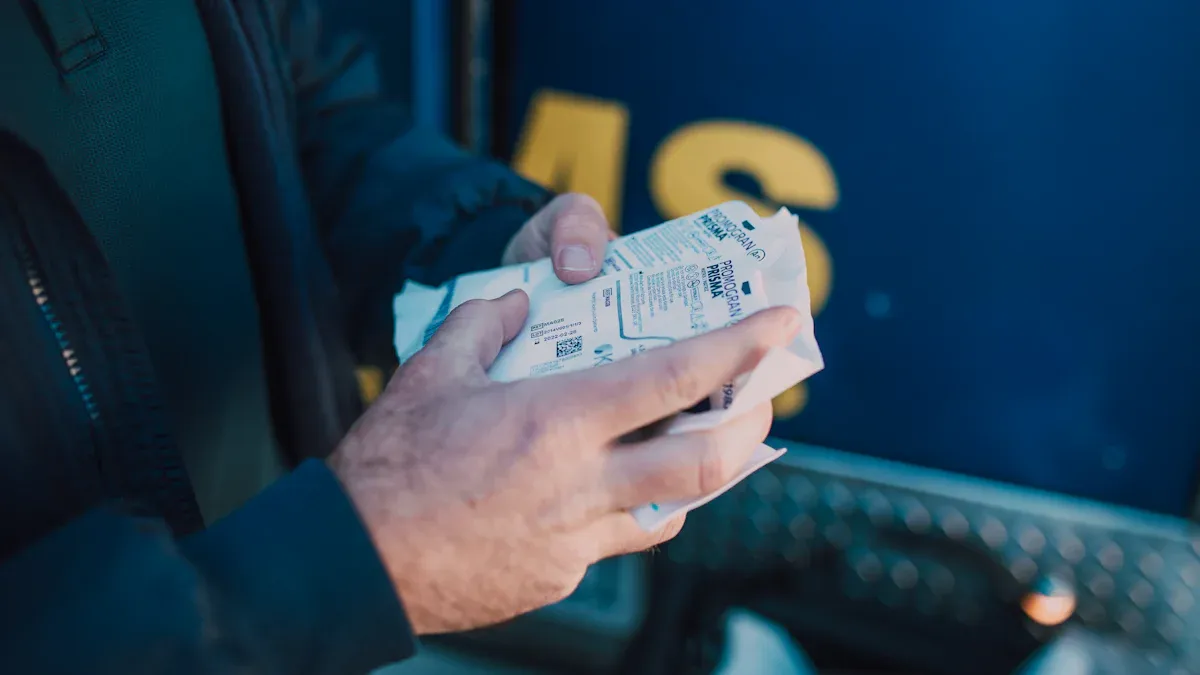
Hydrogel dressings can help many wounds. They are very good for burns and ulcers. When you use them on burns, they cool the skin and ease pain. They keep the wound wet, which helps new skin grow. For ulcers, these dressings help get rid of dead tissue. They also help the wound heal faster. You may feel less pain and see quicker healing with hydrogel dressings.
Here are some clinical findings about hydrogel dressings:
Study Title | Findings |
|---|---|
Clinical performance of a hydrogel dressing in chronic wounds | Hydrosorb comfort hydrogel dressing works well for both new and old wounds. |
Clinical Performance of Hydrogel-based Dressing in Facial Burn Wounds | These dressings lower pain, help wounds heal, and reduce scarring in facial burns. |
Anti‐inflammatory hydrogel dressings and skin wound healing | Hydrogel dressings help with swelling and make healing easier. |
Hydrogel dressings help with pain and healing. They also lower the chance of scarring and infection. You should use them for burns, pressure ulcers, and diabetic foot ulcers if you want gentle care.
Other Suitable Wounds
Hydrogel dressings are useful for more than burns and ulcers. You can use them for:
Pressure ulcers
Diabetic foot ulcers
Radiation dermatitis
Necrotic wounds
Sloughy wounds
Granulating wounds
These dressings are best for wounds that need moisture and gentle cleaning. They help wounds with dead tissue or wounds that heal slowly. Hydrogel keeps the wound bed wet, which helps healing and comfort.
Tip: Ask your healthcare provider before using a new wound dressing. Some wounds with lots of fluid or infection may need something else.
Hydrogel dressings have many uses in wound care. You can use them for different wounds, but they have limits. They do not work well for wounds with lots of fluid or bad infection. For most wounds that need moisture and gentle care, hydrogel dressings are a safe and good choice.
Limitations and Risks
Contraindications
Hydrogel wound dressings do not work for every wound. Some wounds need different care. If your wound has a lot of fluid or is badly infected, do not use hydrogel dressings. Using hydrocolloid dressings for too long can make a wound smell bad. It can also increase the chance of infection. The edges of your wound may turn soft and white. This is called maceration. Sometimes, your skin may react and get contact dermatitis. If the dressing blocks air, your skin cells may not get enough oxygen. This can make swelling worse and slow down healing. Taking off dressings that stick too long can hurt healthy skin.
Think about the environment when you use hydrogel dressings. Throwing away hydrogel dressings adds to trash. Some chemicals in dressings can pollute air and water. Making hydrogel uses lots of water and can make toxic waste. You help the planet by following wound care and disposal rules.
Tip: Always ask your healthcare provider before using hydrogel dressings, especially if you have allergies or sensitive skin.
Side Effects
Hydrogel dressings can cause side effects. You might get an allergic reaction or skin irritation. Some people react to chemicals like propylene glycol or imidazolidinyl urea. These reactions are rare, but you should watch for them.
Side Effect | Description |
|---|---|
Allergic Reactions | You may see redness or itching from allergic contact dermatitis. |
Contact Dermatitis | Your skin can become soft and irritated, called maceration. |
Specific Allergens | Propylene glycol and other chemicals can cause allergies. |
Prevalence of Reactions | About 2.3% of people may react to propylene glycol. |
Other Sensitizing Agents | Imidazolidinyl urea can also cause skin problems. |
If you see any changes in your skin, stop using the dressing and talk to your doctor. You can lower your risk by picking dressings that fit your skin type and by following wound care steps. Healing works best when you use the right products and pay attention to your skin.
Best Practices for Hydrogel Dressings
Choosing the Right Type
You need to pick the most effective dressing choice for your wound. Not every hydrogel works for every wound. You should match the dressing to your needs. Look at the wound’s type, how much fluid it has, and your own health. Some dressings work better for dry wounds, while others help with wounds that have more fluid. If you have allergies, check the ingredients before you use a new product. Hydrogels are user-friendly and cost-effective, making them a good option for many people.
Here is a table to help you decide:
Factor Type | Examples |
|---|---|
Local Wound Factors | Exudate level, tissue health |
Patient-Specific | Allergies, compliance |
Wound Characteristics | Type of wound, healing stage |
Tip: Always talk to your healthcare provider before choosing a new dressing.
Application Tips
You should use hydrogel on wounds that are dry, sloughing, or have dead tissue. This helps keep the wound clean and supports healing. Hydrogels keep the area warm and moist, which helps new skin grow. These dressings do not stick to the wound, so you can remove them easily and avoid hurting the skin.
Clean the wound before you apply the dressing.
Place the hydrogel gently over the wound.
Cover with a secondary dressing if needed.
Note: Hydrogels work best when you use them as directed by your healthcare provider.
Removal and Replacement
You need to change hydrogel wound dressings at the right time for the best healing. The right schedule depends on the wound and how much fluid it makes. Here is a guide:
Exudate Level | Recommended Change Interval |
|---|---|
Low Exudate | 5-7 days |
Moderate Exudate | 3-5 days |
High Exudate | Up to 3 days |
Superficial Wounds | 5-7 days |
Chronic Ulcers | 3-5 days |
Infected Wounds | Every 2-3 days if infection persists |
When you remove the dressing, do it gently. If the dressing feels stuck, add a little sterile water to loosen it. Always check the wound for signs of infection or irritation. Replace the dressing as soon as it looks dirty or too wet.
Remember: Regular checks help you spot problems early and keep healing on track.
Picking hydrogel dressings helps wounds that need moisture and soft care. These dressings are good for burns, ulcers, and wounds that do not leak much. Doctors often suggest hydrogels for dry wounds and when injuries hurt a lot. Some new dressings use AI to watch healing and help doctors choose the best care. You should always talk to your doctor before trying new wound care.
Hydrogel dressings work best for wounds with little or no drainage.
In the future, some dressings might use AI to help wounds heal.
To get the best care, listen to experts and learn about new wound care ideas.
FAQ
What wounds work best with hydrogel dressings?
You should use hydrogel dressings for dry wounds, burns, ulcers, and wounds with dead tissue. These dressings help wounds that need moisture and gentle cleaning.
How often should you change a hydrogel dressing?
You need to change hydrogel dressings every 3 to 7 days. Check the wound often. If the dressing looks dirty or too wet, replace it sooner.
Can you use hydrogel dressings on infected wounds?
You should not use hydrogel dressings on wounds with heavy infection or lots of fluid. Ask your healthcare provider for advice before using them on infected wounds.
Do hydrogel dressings hurt when you remove them?
Hydrogel dressings do not stick to wounds. You can remove them easily. If the dressing feels stuck, add a little sterile water to loosen it.
Are hydrogel dressings safe for children?
You can use hydrogel dressings for children, especially for burns. These dressings cool the skin and help with pain. Always talk to your doctor before using them on kids.


