


You have many problems when you treat wounds with lots of drainage. Super absorbent wound dressing helps you handle exudate. It keeps the wound area dry. It also lowers pain when you change the dressing. You get better control of fluids. You need to change dressings less often. This means less medical waste. It also means your patients feel more comfortable. SLK Medical is a leader in wound care. They give you new solutions. These solutions help you use proven, patient-focused wound care.
You see the skin around the wound get better.
Your patients feel less pain.
You get a moist place for healing and better results.
Key Takeaways
Super absorbent wound dressings handle lots of drainage well. They keep wounds dry and help people feel comfortable. These dressings do not need to be changed often. This saves time and makes less medical trash. Using super absorbent dressings can lower the chance of infection. They also help wounds heal more quickly. Patients feel less pain when changing these dressings. This makes them feel better and happier. Pick the right dressing for how much drainage the wound has. This helps wounds heal and gives better care to patients.
High-Drainage Wound Challenges
What Are High-Drainage Wounds?
Many patients have high-drainage wounds. These wounds let out a lot of fluid called exudate. Venous ulcers are one example. You often see them on lower legs. Exudative wounds can happen from poor blood flow. They can also come from infection or long-term illness. When you treat these wounds, you must watch the fluid amount. Too much exudate can mean bacteria or swelling. Too little fluid may show dehydration or shock.
Tip: Always look for changes in wound drainage. This helps you find problems early.
Too much exudate may mean bacteria or swelling.
Not enough exudate may show shock or dehydration.
Lots of exudate in chronic wounds can slow healing and hurt skin.
Complications from Excessive Exudate
If you do not control wound fluid, problems can happen. The skin near the wound can get weak and break. Patients may feel pain or discomfort. You might notice a bad smell or signs of infection. These problems can make healing take longer and be harder.
Complication | Description |
|---|---|
Maceration | Skin gets soft and breaks down from too much moisture. |
Excoriation | Skin gets hurt by rubbing, made worse by moisture. |
Malodor | Bad smell from bacteria growing in wet places. |
Increased Infection | More risk of infection because bacteria like wet wounds. |
Chronic wound exudate can cause problems that slow healing.
These problems can hurt patients and caregivers.
Not controlling drainage can make healthcare cost more.
Clinical Goals in Wound Care
You need clear goals to care for high-drainage wounds. These goals help you give good care and help healing.
Absorb exudate – Take away extra fluid from the wound. Advanced dressings pull up fluid and keep it inside.
Reduce bacterial count – Taking up exudate lowers bacteria in the wound.
Avoid periwound maceration – Protect the skin around the wound. Keep it moist but not too wet.
Venous ulcers and other exudative wounds need careful care. If you follow these goals, your patients heal faster and feel better.
Superabsorbent Dressings in Wound Care
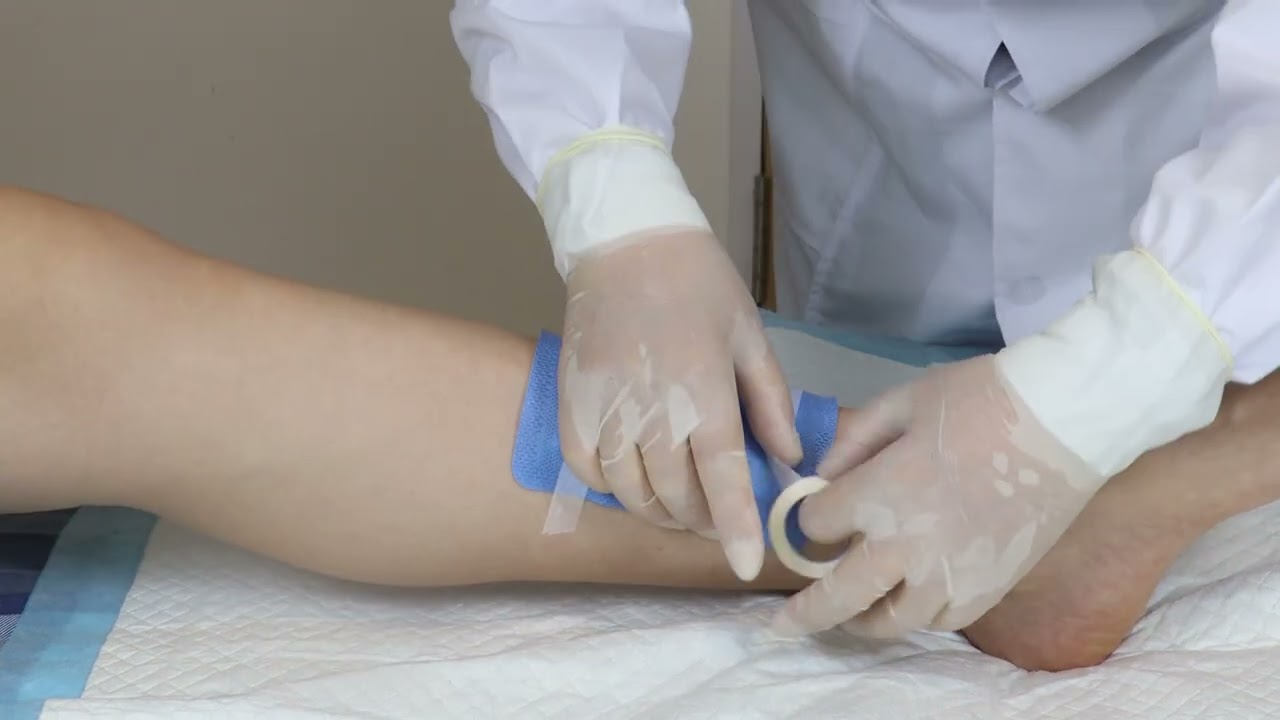
Mechanism of Super Absorbent Wound Dressing
It is important to know how superabsorbent dressings work. These dressings have many layers. The inside part has fibers like cellulose, cotton, or rayon. These fibers soak up and hold a lot of fluid. Super absorbent wound dressing works with proteins in wound fluid, such as matrix metalloproteinases. The dressing traps these proteins and helps wounds heal faster. The dressing gets bigger as it takes in fluid. This keeps the wound moist and stops leaks. This helps wounds heal in a moist place and keeps tissue safe.
Note: Superabsorbent polymers in these dressings keep moisture inside. They also help control bad enzymes that slow healing.
Material Type | Description |
|---|---|
Superabsorbent Polymers | Made from acrylic acid and a crosslinker, these polymers can soak up many times their weight in water. |
Fibers | Common fibers are cellulose, cotton, and rayon. These are in the absorbent core. |
You can pick different absorbent wound dressings for each patient. Each type has special benefits for wound care.
Key Benefits Over Traditional Dressings
There are many good things about superabsorbent dressings. They soak up much more fluid than foam dressings. They keep the wound dry and comfy. Absorbent wound dressings help with wounds that drain a lot. Foam dressings do not work as well for these wounds. You see less skin damage and fewer bad smells. Patients say they feel better and like absorbent wound dressings more. You do not need to change dressings as often. This saves time and supplies.
Superabsorbent dressings work better for wounds with lots of drainage than foam dressings.
You stop skin damage and control bad smells.
Patients feel better and like these dressings after surgery.
Benefit | Superabsorbent Dressings | Traditional Foam Dressings |
|---|---|---|
Fluid Absorption | High | Moderate |
Leakage Prevention | Excellent | Limited |
Comfort | Enhanced | Variable |
Frequency of Change | Reduced | More Frequent |
Preventing Maceration and Leakage
You want to keep the skin around the wound safe. Superabsorbent dressings help by keeping extra moisture away from healthy skin. Studies show these dressings lower skin damage from 30% to 8%. You see less redness and less irritation near the wound. Absorbent wound dressings keep the wound moist but do not let the skin get too wet. Patients say they feel better and have less leaking. You can trust super absorbent wound dressing to control drainage and keep patients safe.
Evidence Description | Outcome |
|---|---|
Protects peri-wound skin from maceration and erythema | Works well to stop maceration |
Periwound condition improved from 30% macerated to 8% | Big drop in maceration |
Manages exudate across various wound types | Keeps wounds moist and stops maceration |
😊 Patients feel better and happier when you use absorbent wound dressings that stop leaks and skin damage.
SLK Medical Solutions for High-Drainage Wounds
SLK Medical is a top company in wound care. They make new products for wounds with lots of drainage. You can count on their focus on new ideas and good quality. Their dressings help with wounds that leak a lot. They also help people with sensitive skin or wounds that last a long time. SLK Medical uses D-Pore™ Dual-Dimensional Pore Foaming Technology. This helps the dressing soak up fluid and lets air pass through. The technology gives you the right mix of pressure relief and fluid control.
Innovation | Description |
|---|---|
D-Pore™ Dual-Dimensional Pore Foaming Technology | Makes the dressing soak up fluid better and lets air through. It controls the tiny holes in the foam. This helps balance pressure relief and fluid control. |
Super Absorbent Dressing Silicone Adherent
You can use the Alexer® Super Absorbent Dressing Silicone Adherent for wounds that need strong fluid control. This dressing works for venous ulcers, pressure ulcers, diabetic foot ulcers, and wounds that open after surgery. The soft silicone layer sticks softly to the skin. It is easy to take off and does not hurt. Studies show 98% of patients say fluid control is very good or good. You will see less pain when you change the dressing. Your patients will feel more comfortable.
Aspect | Findings |
|---|---|
Exudate Management Rating | |
Pain Management | Dressing changes hurt very little. |
Comfort and Satisfaction | The dressing is soft and comfy. It helps people feel better. |
Silicone Adhesive Benefit | It comes off without pain and helps the wound heal. |
Super Absorbent Dressing Non Adherent
The Alexer® Super Absorbent Dressing Non Adherent is another choice for wounds with lots of drainage. This dressing does not stick to the wound. You can take it off with less pain. It fits many body parts and helps stop leaks and skin damage. You can use it for venous ulcers, pressure ulcers, diabetic foot ulcers, and surgical wounds. Many people need fewer dressing changes each week. This saves time and helps wounds heal faster.
A study with 16 people showed 15 fewer dressing changes at Week 2 and 44 fewer at Week 4.
Another group had dressing changes drop from 3.2 per week to 1.8 per week after 4 weeks.
80% of people needed fewer dressing changes after just 3 days.
More wounds closed fully, going from 39% to 56% in 6 months.
Product Features and Patient Benefits
You get many good things when you pick SLK Medical’s superabsorbent dressings. These dressings soak up a lot of fluid, keep moisture in, and come off without pain. They help you control fluid, lower infection risk, and keep people comfy. Hospitals and clinics use these dressings for many kinds of wounds.
Product Feature | Patient Benefit |
|---|---|
High Absorbency | Helps wounds heal by soaking up fluid |
Moisture Retention | Lowers the chance of infection |
Painless Removal | Makes patients feel less pain |
You can use these dressings for venous ulcers, pressure ulcers, diabetic foot ulcers, and wounds that open after surgery. Superabsorbent dressings help wounds heal, lower infection risk, and help people feel better. You will see fewer dressing changes and better healing for wounds with lots of drainage. When you use a super absorbent wound dressing, you help your patients heal well.
Best Practices for Super Absorbent Wound Dressing Use
Selecting the Right Dressing
You should pick the best dressing for each patient. First, match the dressing to how much fluid the wound has. If there is lots of fluid, use a dressing that can soak up more. Think about how comfortable the patient will be. Soft dressings help keep the wound moist and protect sensitive skin. You also need to think about saving money. Some dressings last longer, so you do not have to change them as much. This helps save time and supplies.
Match the dressing to how much fluid is in the wound.
Choose dressings that help patients feel comfortable.
Pick dressings that last longer to save money.
Dressing Change Frequency
You do not need to change dressings as often with superabsorbent dressings. Studies show the number of changes goes down from 3.14 to 1.66 each week. This means you spend less time changing dressings. Patients feel less pain. Advanced dressings keep the wound moist and safe for longer. There is a 16% drop in dressing changes compared to regular dressings. Fewer changes help wounds heal faster and lower infection risk, especially for wounds that last a long time.
Dressing Type | Average Changes per Week | Reduction (%) |
|---|---|---|
Traditional | 3.14 | – |
Superabsorbent Dressings | 1.66 | 47.1 |
Tip: Watch the wound and change the dressing when needed. Check how much fluid there is and how the wound is healing.
Use with Compression Therapy
You can use superabsorbent dressings with compression therapy. This is good for venous leg ulcers. Guidelines say using both helps control fluid and helps healing. Some dressings may make pressure go up under the bandage. You should check if the dressing fits well and feels good. Studies show pressure goes up at the ankle, which can help wounds heal. Always look for signs that the wound is getting better, like smaller size and less fluid.
Use superabsorbent dressings with compression for better healing.
Check for changes in pressure and comfort.
Watch the wound size and fluid to see if it is getting better.
You can also use clear dressings or smart dressings. These help patients watch their wounds. Patients can see early signs of infection or problems. Good watching helps wounds heal better and faster.
You get many good things from super absorbent wound dressings for high-drainage wounds. These dressings handle exudate well. They keep skin safe from too much moisture. You lower leaks and help wounds heal quicker. SLK Medical’s new designs give strong fluid control. They also give gentle care for sensitive skin.
Trend | Impact on Wound Care |
|---|---|
More chronic wounds | More people need better dressings |
New dressing technologies | Healing gets better and patients feel good |
Growing older population | More people need strong wound care |
Keep learning about new ways to care for wounds. Use trusted places like WUWHS and Wounds UK. This helps you stay updated and give great care to your patients.
FAQ
How do you know when to use a super absorbent wound dressing?
You should use a super absorbent dressing when the wound leaks a lot of fluid. These dressings work best for leg ulcers, pressure ulcers, diabetic foot ulcers, and surgical wounds with heavy drainage.
Can you use super absorbent dressings on sensitive skin?
Yes, you can. SLK Medical’s silicone adherent dressings protect sensitive skin. The soft silicone layer sticks gently. You can remove it without pain or damage.
How often should you change a super absorbent dressing?
You usually change the dressing every two to three days. If the dressing looks full or leaks, change it sooner. Always check the wound and follow your healthcare provider’s advice.
Do super absorbent dressings help prevent infection?
Yes. These dressings soak up extra fluid and keep the wound area dry. This helps lower the risk of infection. They also protect the skin around the wound from getting too wet.


