


You can use a thin hydrocolloid wound dressing to help your skin heal faster. This special dressing makes a soft, wet layer over your wound. It feels gentle, so it is good for sensitive skin. Many doctors use these dressings because they protect the area. They also help you feel comfortable. Studies show they can lower the chance of scarring after surgery. Here is a quick look at some clinical findings:
Study Focus | Findings |
|---|---|
Hypertrophic Scarring Prevention | Hydrocolloid dressings lowered the risk of scarring after cesarean sections. |
General Efficacy in Wound Care | They help wounds by soaking up fluid and keeping the area wet. |
SLK Medical gives you high-quality dressings you can trust for safe and easy wound care.
Key Takeaways
Thin hydrocolloid dressings keep wounds moist. This helps wounds heal faster and lowers scarring. These dressings are soft on sensitive skin. They give comfort and help with pain while you wear them. Hydrocolloid dressings are see-through. You can check the wound without taking them off. They bend easily and fit many body parts. This makes them good for many shallow wounds. Using these dressings makes wound care easier. You do not need to change them often. This also helps stop pain and discomfort.
What Is a Thin Hydrocolloid Wound Dressing

Composition and How It Works
A thin hydrocolloid wound dressing uses smart layers to help your skin heal. You will find two main parts in these dressings. The inner layer contains gel-forming agents like carboxymethylcellulose, gelatin, and pectin. These materials mix with elastomers and adhesives. When you place the dressing on your wound, the inner layer touches the wound fluid. It absorbs the fluid and turns into a soft gel. This gel keeps the wound moist and protects new skin cells.
The outer layer is water-impermeable. It blocks bacteria and fluids from getting into the wound. Most dressings use a polyurethane film for this layer. This design keeps your wound safe from dirt and germs. The dressing also stops water from leaking out, so the area stays clean.
SLK Medical’s Hydrocolloid Dressing uses these advanced layers. The product forms a gel when it absorbs wound fluid. You can see through the dressing, which helps you check the wound without removing it. The dressing is thin and flexible, so you can use it on many body parts. You get a moist environment that helps your wound heal faster.
Tip: The gel formation in thin hydrocolloid wound dressings helps your body remove dead tissue naturally. This process is called autolytic debridement. You do not need to scrub or pick at the wound.
Key Features
Thin hydrocolloid wound dressings offer many helpful features for wound care. Here are some key points:
Moist Environment: The gel keeps the wound wet, which helps new skin grow.
Gel Formation: The dressing absorbs fluid and turns into a soft gel. This gel cushions the wound and prevents sticking.
Transparency: You can see the wound through the dressing. This makes it easy to check healing without taking off the dressing.
Flexibility: You can use these dressings on elbows, knees, or other moving parts. The thin design fits many shapes.
Protection: The outer layer blocks germs and water. Your wound stays safe from infection.
Pain Relief: The gel cushions exposed nerve endings. You feel less pain when you move or change the dressing.
SLK Medical’s Hydrocolloid Dressing stands out because it combines all these features. You get a dressing that supports healing, protects your wound, and feels comfortable on your skin.
Feature | Benefit for You |
|---|---|
Moist Environment | Faster healing |
Gel Formation | Easy removal, less pain |
Transparency | Simple wound inspection |
Flexibility | Fits many body parts |
Protection | Blocks germs and water |
Thin hydrocolloid wound dressings work by creating a moist, safe space for your wound. The gel absorbs fluid and keeps the area soft. You get less pain and better healing. These dressings make wound care easier and more comfortable for you.
Benefits for Shallow Wounds
Moist Healing and Protection
You want the best for these wounds, especially when they are shallow. Thin hydrocolloid dressings create a moist layer over the wound. This moist environment helps your skin heal faster. When you use these dressings, they absorb fluid and form a soft gel. This gel keeps the wound moist and supports new tissue growth. The moist setting also helps your body clean the wound naturally, a process called autolytic debridement. You do not need to scrub or pick at the wound, which makes healing easier.
Hydrocolloid dressings absorb fluids to form a moist gel at the wound bed.
They keep the wound moist and absorb extra fluid, which helps with autolytic debridement and new blood vessel growth.
You can use these dressings for up to six days, making them best for these wounds that need steady care.
A moist wound environment is best for these wounds because it helps healing and makes cleaning easier. Thin hydrocolloid dressings also seal the wound from germs and dirt. This sealed barrier keeps bacteria and other contaminants out. The table below shows how these dressings protect your wound:
Function | Description |
|---|---|
Gel Formation | Forms a moist gel that supports new tissue growth. |
Sealed Barrier | Blocks bacteria and keeps the wound safe from outside contaminants. |
Fluid Absorption | Soaks up extra fluid to prevent skin around the wound from getting too wet. |
You get the best for these wounds when you use SLK Medical’s Hydrocolloid Dressing. The thin, flexible design fits many body parts and keeps your wound safe.
Pain Relief and Easy Removal
You want the best for these wounds, so comfort matters. Thin hydrocolloid dressings cushion the wound and protect nerve endings. Many people feel less pain when they use these dressings. Studies show that most users report good pain relief and can keep doing daily activities. The gel layer stops the dressing from sticking to the wound, so you do not hurt when you take it off.
Study Description | Pain Relief Observed | Additional Findings |
|---|---|---|
Treatment of foot abrasions in soldiers | Most could finish exercise | |
Cyclist wound care comparison | 91% pain-free with hydrocolloid | Faster healing time |
You also get easy removal with these dressings. The moist environment protects new skin, and the gentle adhesive does not damage new tissue. The table below explains why these dressings are best for these wounds:
Feature | Explanation |
|---|---|
Moist Wound Environment | Protects new skin and makes removal gentle. |
Gentle Adhesive | Lets you remove the dressing without hurting the wound. |
Flexible Design | Makes it easy to use on moving body parts. |
You will also notice that you do not need to change these dressings as often. The gel holds fluid and keeps the wound moist for days. This means less pain and less worry for you. Thin hydrocolloid dressings are best for these wounds because they make healing simple, comfortable, and safe.
Hydrocolloid Dressings for Sensitive Skin
Gentle Adhesion and Comfort
If your skin is sensitive, you need gentle products. Hydrocolloid dressings from SLK Medical are soft and safe. The adhesive sticks well but does not hurt your skin. You can take off the dressing without pain or redness. These dressings stay in place and do not cause discomfort.
SLK Medical makes dressings that help your skin heal. They keep the wound moist and protect it. The dressings also cover nerve endings, which helps with pain. You can see your wound through the clear dressing. You do not have to change the dressing often, so your skin gets less stress.
They protect wounds and nerve endings, which lowers pain.
The clear dressing lets you see the wound without taking it off.
Flexible dressings fit many body parts, even where skin bends.
SLK Medical wants you to feel safe and comfortable. The company uses good materials to keep your skin healthy while it heals.
Hypoallergenic and Low Irritation
People with sensitive skin worry about allergies. You want dressings that are gentle and safe. SLK Medical’s hydrocolloid dressings are hypoallergenic. This means they are less likely to cause irritation or allergies. Most people with sensitive skin can use these dressings without problems.
Studies show allergic reactions to hydrocolloid dressings are rare. The table below shows sensitisation rates from different studies:
Study | Sensitisation Rate (%) |
|---|---|
Valois | 5.1 |
Barbaud | 4.0 |
Garval | 2.7 |
Valois | 1.4 |
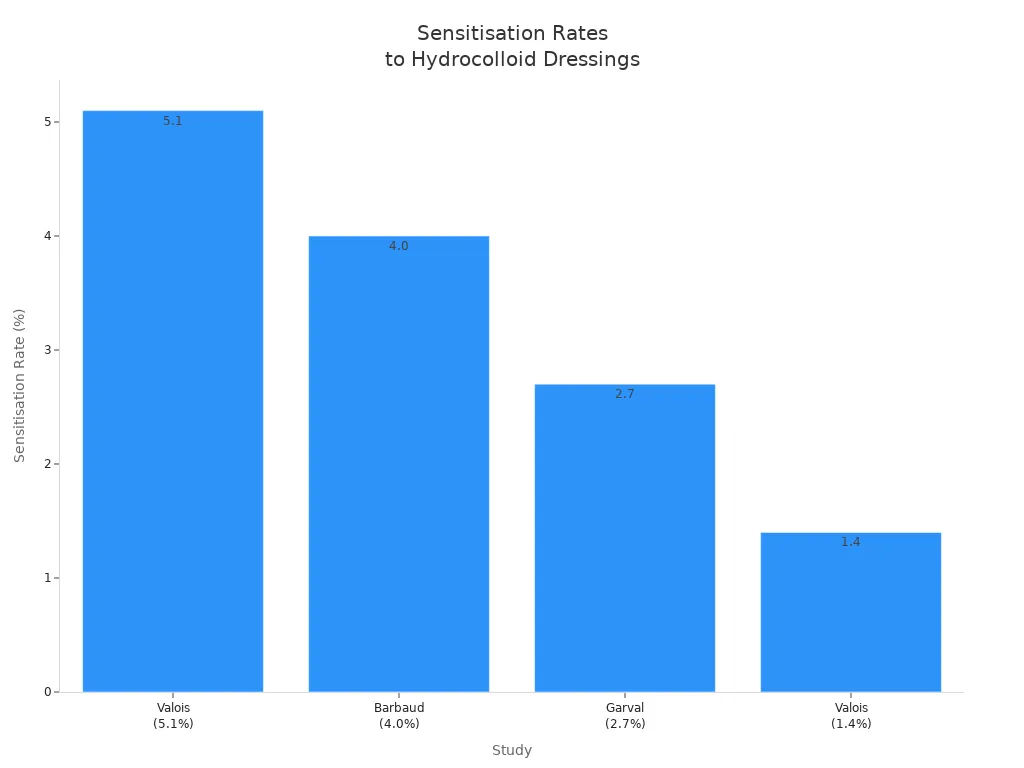
You can see the risk of irritation is low. SLK Medical tests its dressings to make sure they are safe. You can feel calm knowing your skin is protected while your wound heals. If your skin is very sensitive, check for redness or itching. If you see any problems, talk to your doctor.
Common Wound Applications
Types of Shallow Wounds
Thin hydrocolloid dressings are used for many wounds. They work best for shallow wounds that need gentle care. These dressings keep the wound moist to help it heal. You can use them to protect skin and help it recover faster.
Here are some wounds you can treat with these dressings:
Pressure ulcers
Diabetic foot ulcers
Minor burns
Abrasions
Skin tears
Doctors also suggest hydrocolloid dressings for these wounds:
Burns
Wounds that leak fluid
Necrotic wounds
Pressure ulcers
Venous ulcers
These dressings help with many shallow wounds you may get. You can use them after an injury or a medical procedure. Hydrocolloid dressings make wound care less painful and more comfortable.
Where to Use Hydrocolloid Dressings
You can put hydrocolloid dressings on many body parts. SLK Medical’s Hydrocolloid Dressing bends to fit hard places. It works on elbows, knees, heels, and the sacrum. This makes it easy to use for different wounds.
The hydrogel layer fits your skin and covers nerve endings. This helps lower pain and makes healing feel better. You also get protection and support for your wound.
The clear design lets you see your wound without taking off the dressing. Many people like these dressings more than older types. You can watch your wound heal and feel sure it is getting better.
Tip: Pick a dressing size and shape that fits your wound. SLK Medical has many choices for different wounds, so you always find the right one.
Hydrocolloid dressings are good for many wounds. They help you care for shallow wounds and protect sensitive skin. These dressings make wound care simple every day.
How to Use Hydrocolloid Dressings
Application Steps
You can help your wound heal by following the right application steps for hydrocolloid dressings. Start by washing your hands and putting on gloves. Remove the old foam dressing and note when you last changed it. Clean the wound with saline or a wound cleanser. Pat the area dry with clean gauze. Apply a moisture barrier to the skin around the wound. Choose a foam dressing that is 1-2 inches larger than the wound. Place the dressing in the center and smooth it outward. Make sure the edges stick well.
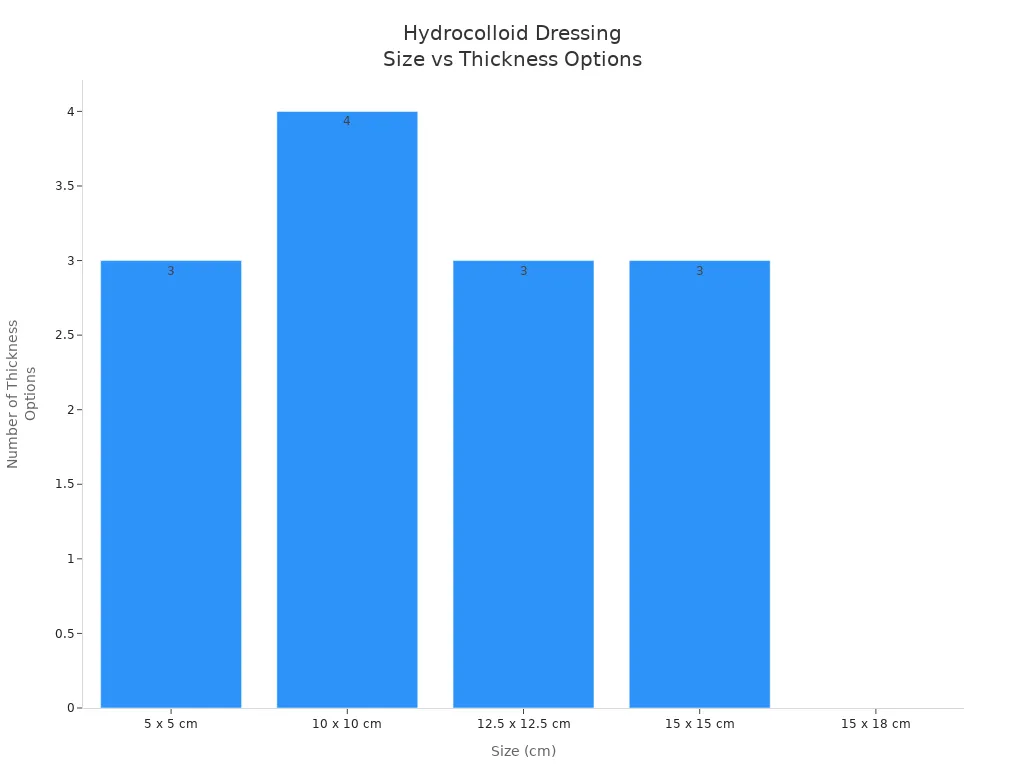
SLK Medical offers many foam dressing sizes for different needs. You can pick from 5×5 cm, 10×10 cm, 12.5×12.5 cm, 15×15 cm, and 15×18 cm. Some are extra thin, and some are shaped for the sacrum. This table shows how to use foam dressings on different body parts:
Body Part | Application Technique |
|---|---|
Joints | Apply foam dressings with the joint in a neutral position. Use multiple strips for flexibility. |
Hands | Anchor foam dressings over a single finger to allow movement. |
Sternum | Use butterfly-shaped foam dressings. Add extra absorbent layers if needed. |
Removal and Care Tips
You need to remove foam dressings with care to protect your skin. Follow these steps:
Check the foam dressing for signs of wear or infection.
Wash your hands and gather supplies.
Gently lift the edges of the foam dressing.
Use adhesive remover if the foam sticks.
Peel back the foam dressing slowly and steadily.
Clean the wound gently and apply a new foam dressing if needed.
To keep your wound healthy, change foam dressings every 3 to 7 days or sooner if the edges lift. Always keep the area clean and dry. Watch for any changes in the wound or skin.
Precautions and When to Consult a Professional
You should watch for signs that mean you need help from a healthcare professional. These signs include:
More pain, redness, or swelling around the wound
Bad-smelling or thick discharge from the wound
Fever or feeling sick
Itching, burning, or rash under the foam dressing
Blisters or swelling near the application site
The wound gets bigger or does not heal
Too much fluid leaking from the foam dressing
Raised, bleeding tissue that does not heal
If you notice skin irritation or if the wound is too deep for foam dressings, talk to your doctor. Always ask for help if you feel unsure about wound care.
You now know thin hydrocolloid dressings help wounds heal. These dressings keep the wound moist and safe from germs. They help people feel less pain and heal faster. Studies show these dressings work well for many wounds. SLK Medical’s dressings are safe and work for both long-lasting and short-term wounds. You should follow the right steps and ask a doctor for help with tough wounds. Pick good dressings to help your skin heal better.
Key Findings | Description |
|---|---|
Effectiveness | Dressings help wounds heal and lower pain. |
Safety | No serious problems have been found. |
Infection | Dressings help stop germs from causing infection. |
Outcomes | People heal better and faster with these dressings. |
Dressings keep wounds moist for healing.
You get protection from germs and help for tough wounds.
Dressings help wounds heal faster and better.
You can trust your wound care choices. SLK Medical helps you heal well and feel good about your care.
FAQ
What types of wounds can you use thin hydrocolloid dressings for?
Thin hydrocolloid dressings help with shallow wounds. You can use them for scrapes, small burns, pressure ulcers, and after surgery. These dressings work best when you need to keep wounds moist and safe.
How often should you change a hydrocolloid dressing during treatment?
Change the dressing every three to seven days. The right time depends on how much fluid is in the wound and how it is healing. Always look for leaks or signs of infection while using the dressing.
Can you shower while using a hydrocolloid dressing as part of your treatment?
You can take a shower with the dressing on. The waterproof top layer keeps your wound dry during showers. Make sure the edges are sealed so water does not get in and you can keep using the dressing.
Is hydrocolloid dressing treatment safe for sensitive skin?
Hydrocolloid dressings are gentle and safe for most people with sensitive skin. The materials are made to be hypoallergenic. Still, check your skin for redness or itching and talk to your doctor if you see any problems.
What should you do if your wound does not improve with hydrocolloid dressing treatment?
If your wound does not get better after a few days, talk to a healthcare professional. Sometimes you may need a different treatment. Always listen to your doctor’s advice for wound care.
Tip: Wash your hands before and after each treatment. This helps lower the chance of infection.


