


You are important in wound care. You help by managing exudate and picking the right absorbent dressing. Chronic wounds make a lot of exudate. This can slow down healing. It can also raise the chance of infection. It makes healthcare work harder too. Many people have trouble picking dressings. There are many choices and things to think about.
Challenge | Description |
|---|---|
Variety of dressing types | It can be hard to choose the right type. There are many kinds. |
Cost considerations | Wounds that do not heal cost more. Picking the right product is important. |
Patient adherence | Some people stop using dressings. Physical or social problems can cause this. |
Need for thorough assessment | You need to look at each wound closely. This helps you pick the best dressing. |
SLK Medical gives advanced solutions. These help you take care of sensitive skin and tough wounds with confidence.
Key Takeaways
Managing exudate is very important for wound healing. It keeps wounds moist and lowers the chance of infection.
Pick the right dressing for how much exudate the wound has. This helps the dressing absorb well and helps the wound heal.
SLK Medical has advanced dressings that protect soft skin. These dressings also make patients feel more comfortable as they heal.
Check wounds often for infection or any changes. Change dressings when needed to keep care working well.
Always think about how the patient feels when picking dressings. Soft dressings help patients heal faster and hurt less.
Why Exudate Management Is Key in Wound Care
Effects of Exudate on Wound Healing
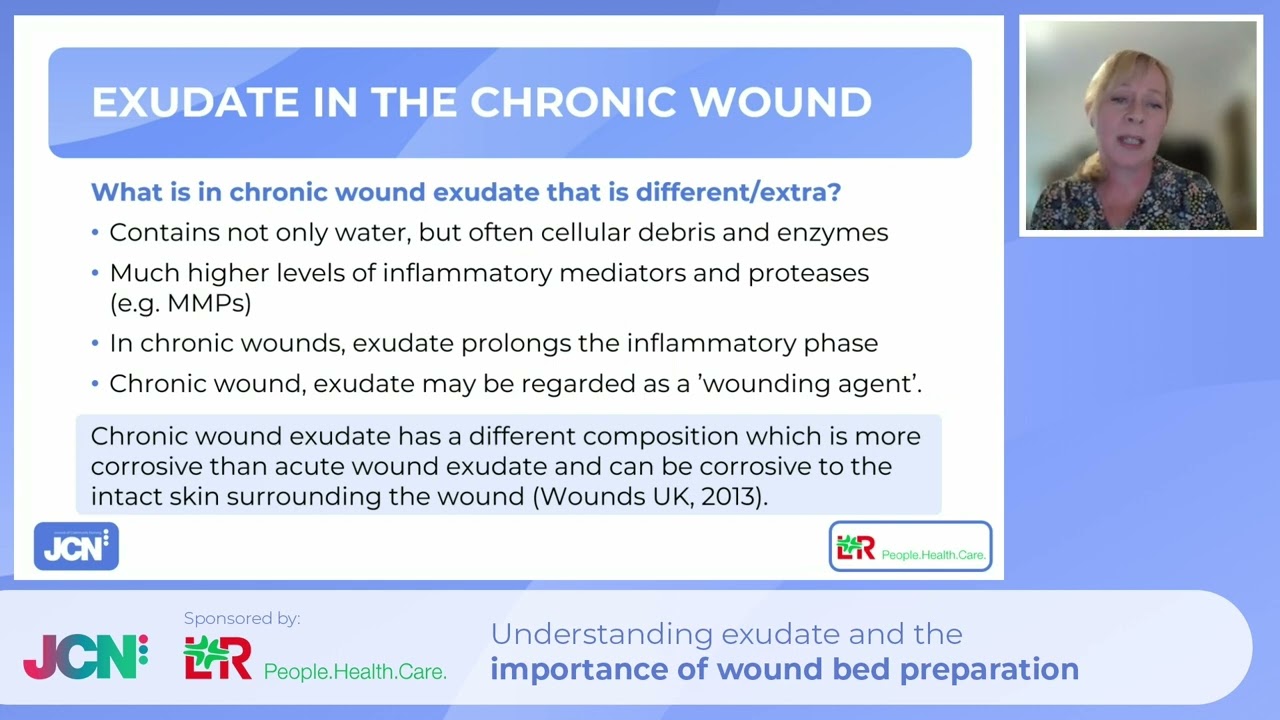
You play a big role in wound healing when you manage exudate well. Exudate is the fluid that comes from a wound. It helps keep the wound moist and carries away dead cells. Too much exudate can cause problems. It can make the skin around the wound soft and weak. This can slow down healing. You want to keep the right balance for the best results.
A moist wound environment helps wounds heal faster and feel more comfortable. Many patients say they feel better when their wounds stay moist but not too wet.
Evidence Type | Findings |
|---|---|
Exudate Management | DryMax Super manages exudate, stops maceration, and keeps wounds moist. |
Reduction in Maceration | Periwound skin improved from 30% to 8% macerated in 4 weeks. |
Patient Comfort | 85% of patients felt more comfortable with DryMax Super. |
Conformability | 90% found DryMax Super fit better than other dressings. |
Risks of Poor Exudate Control
If you do not control exudate, wounds can get worse. Too much fluid can damage the skin and slow down healing. It can also raise the risk of infection. Chronic wounds, like pressure ulcers and burn wounds, often make more exudate. This fluid can have more white blood cells and enzymes, which can harm healthy tissue.
Complication | Description |
|---|---|
Periwound Maceration | Skin gets soft and pale, making it easy to injure. |
Delayed Wound Healing | Too much moisture keeps wounds from closing. |
Increased Risk of Infection | Harmful substances in exudate can break down skin and let germs in. |
Negative Impact on Quality of Life | Pain and trouble moving can make daily life harder. |
Advanced Absorbent Dressing Solutions by SLK Medical
You need the right absorbent dressing to manage exudate and help wounds heal. SLK Medical offers advanced dressings for many types of wound dressings. Their products use new technology to absorb fluid and protect the skin. For example, their dressings use special layers that lock in moisture and keep the wound safe. Some dressings even turn into a gel when they touch wound fluid. This helps keep the wound moist and stops leaks.
SLK Medical’s absorbent dressings help you care for wounds like pressure ulcers and burn wounds. These dressings fit well and feel comfortable. They also help lower the risk of infection. As a wound care specialist, you can trust SLK Medical to give you high-quality products that support wound healing and patient comfort.
Types of Wound Dressings and Their Uses
You have many choices when picking a dressing for a wound. Each dressing works best for certain wounds and how much exudate they have. The right absorbent dressing helps control exudate and helps wounds heal. Look at the table below to see the main types and how much they can absorb.
Dressing Type | Absorption Capacity |
|---|---|
Hydrocolloid Dressings | Light to moderate exudate |
Alginate Dressings | High exudate |
Silicone Foam Dressings | Moderate to heavy exudate |
Hydrofiber Dressings | Heavy exudate |
Hydrogel Dressings | Moisture for dry or necrotic wounds |
Foam Dressings | Moderate to heavy exudate |
Wet-to-Dry Dressings | Varies, used for debridement |
Foam Dressings for High Exudate Wounds
Foam dressings are good for wounds with a lot of exudate. You use them for pressure ulcers, burns, and wounds that last a long time. These dressings keep the wound moist and help stop infection. SLK Medical’s Silicone Foam Dressings use special layers to soak up fluid and keep wounds dry. You can use foam dressings for new wounds, surgical wounds, and burns. They help wounds heal and you do not need to change them as often.
Tip: Some foam dressings have silver or honey. These can help stop infection.
Hydrocolloid Dressings for Low to Moderate Exudate
Hydrocolloid dressings are best for wounds with a little or medium amount of exudate. You use them for small wounds, skin tears, and shallow ulcers. These dressings turn into a gel when they touch exudate. The gel keeps the wound moist and helps clean out dead tissue. SLK Medical’s Hydrocolloid Dressings seal the wound and make changes less painful. Do not use hydrocolloid dressings on infected wounds or wounds with a lot of exudate.
Super Absorbent Dressings for Challenging Wounds
Super absorbent dressings are for wounds with a lot of exudate. You use them for wounds that do not heal fast, pressure ulcers, and after surgery. SLK Medical’s Super Absorbent Dressing Silicone Adherent can soak up a lot of fluid, up to 20 times its weight. These dressings stop leaks and keep wounds dry. Use them for tough wounds that need extra absorption.
Choosing the Right Wound Dressing Type for Sensitive Skin
Think about skin sensitivity when you pick a dressing. SLK Medical has absorbent dressings with soft silicone layers. These dressings protect weak skin and make changes hurt less. You can use them for wounds that last a long time, burns, and new wounds. As a wound care specialist, you help patients heal faster and feel better.
How to Choose the Right Absorbent Dressing
Assessing Wound Exudate Levels
You need to look at the wound before picking a dressing. The amount and type of exudate tell you about the wound. Use the table below to help you know what kind of fluid you see and what it means for healing.
Exudate Type | Description | Phase of Healing |
|---|---|---|
Serous | Clear to yellow, thin, and watery. | Inflammatory phase |
Haemoserous | Clear to yellow with a pink tinge. | Inflammatory or proliferative phase |
Sanguineous | Blood, common exudate. | Associated with hyper granulation |
Purulent | Contains pus, thicker consistency, grey, green, or yellow, indicates infection. | Indicates infection |
Haemopurulent | Blood and pus, often due to an established infection. | Established infection |
Check the wound for signs of infection, like pus or a bad smell. If you see a lot of fluid, pick a dressing that can soak up more. If the wound is dry, use a dressing that keeps it moist. This helps you give good wound care and pick the best absorbent dressing.
Matching Dressing Type to Wound Needs
You must match the dressing’s absorbency to the wound’s exudate level. If the dressing cannot handle the fluid, the skin around the wound can get soft and break down. This can slow healing and cause more problems. Superabsorbent dressings are good for wounds that make a lot of fluid. These dressings can hold more than regular ones.
Here are some steps to help you match the dressing:
Think about the patient’s needs and health.
Pick a dressing that keeps the wound moist and helps it heal.
Think about the wound type too. Foam dressings work well for pressure ulcers and burns. Hydrocolloid dressings are good for shallow wounds with less exudate. Antimicrobial dressings help with infected wounds. You may need to change the dressing as the wound changes.
Tip: The best dressing keeps the wound moist, lets air in, and stops infection. Think about the patient’s main health problem and the dressing’s features.
SLK Medical Product Selection Guide
SLK Medical has many wound dressings for different wounds. You can find the right size and shape for each wound. Here is a quick guide to help you choose:
Product Name | Best For | Absorbency Level | Sizes Available |
|---|---|---|---|
Silicone Foam Dressing with Border | Pressure ulcers, burns, surgical wounds | Moderate to heavy | 5x5cm to 23x23cm, sacrum, heel |
Chronic wounds, post-op wounds, burns | Moderate to heavy | 5x5cm to 20x20cm | |
Super Absorbent Dressing Silicone Adherent | Highly exuding wounds, leg ulcers | Very high | 10x10cm to 20x20cm |
Challenging wounds, diabetic foot ulcers | Very high | 7.5×7.5cm to 20x20cm | |
Superficial wounds, acute wounds | Light to moderate | Extra thin, border, sacrum, heel |
You can use Alexer® Silicone Foam Dressing for wounds that need gentle care and moisture. The Super Absorbent Dressing Silicone Adherent is best for wounds with a lot of fluid. You can pick from many sizes to fit the wound. SLK Medical’s dressings use new technology to help wounds heal faster and keep skin safe.
Considerations for Skin Sensitivity and Comfort
Always think about skin sensitivity and comfort when you pick a dressing. Some people have fragile or sensitive skin. Dressings with soft silicone layers, like SLK Medical’s, are gentle and do not hurt when you take them off. Many patients say these dressings feel comfortable, even after many days.
Patient comfort is very important in wound care. Dressings that are gentle help patients wear them longer and heal better. Good sticking and skin safety matter, especially for chronic wounds and burns. Look for dressings that do not cause irritation and are safe for all skin types.
Note: Always check the patient’s skin for redness or irritation. If you see any problems, try a different dressing made for sensitive skin.
You can trust SLK Medical to give you dressings that protect the wound, keep it moist, and make patients feel comfortable. As a wound care specialist, you help patients heal by picking the right dressing for each wound.
Wound Care Application Tips
Proper Dressing Application Steps
Utilizing SLK Medical’s Advanced Dressings
You want your patients to get the best care. SLK Medical’s advanced dressings use D-Pore™ technology. This keeps the wound moist. A moist wound heals faster and lowers infection risk. These dressings also make changing them less painful. They help new tissue grow. You can use these dressings for pressure ulcers, burns, surgical wounds, and other wounds. SLK Medical’s products have FDA and ISO 13485 certifications. This means they are safe and high quality.
Advantage | Description |
|---|---|
Moist Wound Environment | Makes fibroblasts work better and helps tissue repair. |
Faster Healing | Dressings that keep moisture help wounds heal and stop infection. |
Reduced Pain | Less pain and injury when changing dressings, so patients feel better. |
Step-by-Step Application Guidance
Here are steps to put on an absorbent dressing:
Pick a dressing that matches the wound’s exudate level.
Use very absorbent dressings for wounds with lots of fluid.
Choose moisture-holding dressings for dry wounds.
Put a barrier cream or film on the skin around the wound.
Check the wound every day for wetness or dryness. Change the dressing if needed.
Monitoring and Changing Absorbent Dressings
Recognizing When to Change Dressings
You need to look for signs that it is time to change the dressing. Watch for swelling, color changes, or redness near the wound. Notice if there is more drainage or if the drainage looks different. Feel if the wound is warm or hurts more. A fever means you should get help. If the dressing is soaked, leaking, or there is too much bleeding, change it right away. If you think there is an infection or the wound opens, ask for help.
Sign of Change | Description |
|---|---|
Saturated or leaking dressing | Dressing cannot soak up more exudate. |
Excessive bleeding | The wound may not heal or is opening again. |
Suspected infection | More pain, warmth, or strange drainage. |
Potential dehiscence | The wound might open, so get help fast. |
Leveraging High Absorbency and Breathability
You want a dressing that keeps the wound moist and soaks up exudate. It should also protect the skin. SLK Medical’s dressings do all these things. Check the wound and dressing often. Change your care plan if the wound changes. Check wounds every week to manage exudate and pick the right dressing. If the wound does not heal, check it more often.
When to Seek Professional Help
Accessing SLK Medical’s Professional Support and Resources
You can contact SLK Medical for help, product details, and free samples. The company gives OEM and custom services, bulk sales, and quick shipping. Go to www.slkmedical.com to learn more or talk to a wound care expert.
Consulting Healthcare Providers for Complex Wounds
You should call a healthcare provider if you see infection, more pain, or if the wound will not heal. Wound care experts, nurses, dietitians, physical therapists, surgeons, and social workers can help with hard wounds. They give advice for infected wounds, burns, pressure ulcers, and surgical wounds.
Tip: Always watch wounds closely and ask for help if you see warning signs. Acting early can stop problems and help wounds heal better.
You help wounds heal faster when you pick the right dressing. Good dressings keep the wound moist and protect the skin. They also help stop infection. SLK Medical’s advanced dressings help patients get better and support your work. Research shows these dressings lower pain and help wounds heal quicker. They work well for pressure ulcers.
Outcome Type | Findings |
|---|---|
Every study showed ulcers got smaller. | |
Pain-related outcomes | Pain was less when changing dressings. |
Cost-effectiveness | Superabsorbent dressings save more money. |
Always choose dressings that keep wounds moist and safe.
SLK Medical has many dressings for different wounds.
You can ask for more product info, OEM choices, or free samples.
Go to www.slkmedical.com if you need more help.
FAQ
How do you know which dressing to choose for a wound?
You look at the amount of fluid, the size, and the location. You pick a dressing that matches the wound’s needs. You check for comfort and skin sensitivity.
Can you use SLK Medical dressings on sensitive skin?
You can use SLK Medical dressings on sensitive skin. The silicone layer feels gentle and helps prevent pain during changes. Many patients say these dressings feel comfortable.
How often should you change an absorbent dressing?
You check the dressing every day. You change it when it gets soaked, leaks, or shows signs of infection. Most dressings last several days if the wound stays clean.
What should you do if the wound does not heal?
You talk to a healthcare provider. You may need a new dressing or more care. You watch for infection, pain, or changes in the wound.
Where can you get more information or free samples?
You visit www.slkmedical.com. You find product details, support, and free sample requests. You can also ask for OEM or bulk sales.


