


You might hear about silver dressings when you learn about wound care. These dressings use silver to help keep wounds safe from bad bacteria. Silver dressing for wounds gives strong germ-fighting power, so it helps stop germs from growing. Studies show that silver dressings lower the chance of infections after surgery. They also work well against tough bacteria, even ones that do not respond to antibiotics. Many doctors trust SLK Medical for advanced wound care. This makes it easier for you to care for wounds safely and with comfort.
Key Takeaways
Silver dressings keep wounds safe from bacteria. They help lower infection rates. This makes them good for wounds that might get infected.
There are different silver dressings, like foam and alginate. Each type helps with certain wound needs. This helps wounds heal well.
Always look at the wound before using a silver dressing. Clean the wound first. Pick the right dressing for how the wound looks.
Check the wound often. If you see infection signs, get help from a doctor. This makes sure the wound gets the right care.
Only use silver dressings when you need to. Using them too much can make bacteria stronger. Follow the rules for best treatment.
What are silver dressings?

Silver dressing for wounds explained
Silver dressings are used in many hospitals and clinics. They help take care of wounds by using silver. Silver dressing for wounds comes in many shapes and types. You can find foam, alginate, hydrocolloid, and non-adhesive dressings. Each type is best for certain wounds. Silver dressings keep wounds clean and protect them from germs.
Silver has been used in medicine for a long time. In the 1800s, people used silver nitrate drops for newborns’ eyes. During World War I, medics put silver leaf on wounds. Today, modern silver dressings help with burns, surgical cuts, and ulcers. These dressings use new materials to put silver right on the wound.
Here is a table that shows some main types of silver dressings and how they are classified:
Type of Silver Dressing | Form of Silver | Indications for Use |
|---|---|---|
Alexer® Ag dressing | Ions | leg and foot ulcers, pressure injuries, traumatic and surgical wounds, superficial and partial thickness burns. |
ULTRA Silver | Ions | Infected wounds |
TRITEC® Silver | Particles | Chronic wounds |
ASSIST Silver | Compounds | Burn wounds |
ASSIST® Silver Absorbent | Ions | Surgical wounds, trauma wounds |
Silver dressings are made with different materials. Some use elemental silver, like nanocrystalline silver. Others use compounds, such as silver oxide or silver chloride. You also see organic complexes, like silver alginate or silver carboxymethylcellulose. The silver can be on the outside or mixed into the layers. This helps keep the wound moist and means you do not have to change the dressing as often.
How silver dressings work
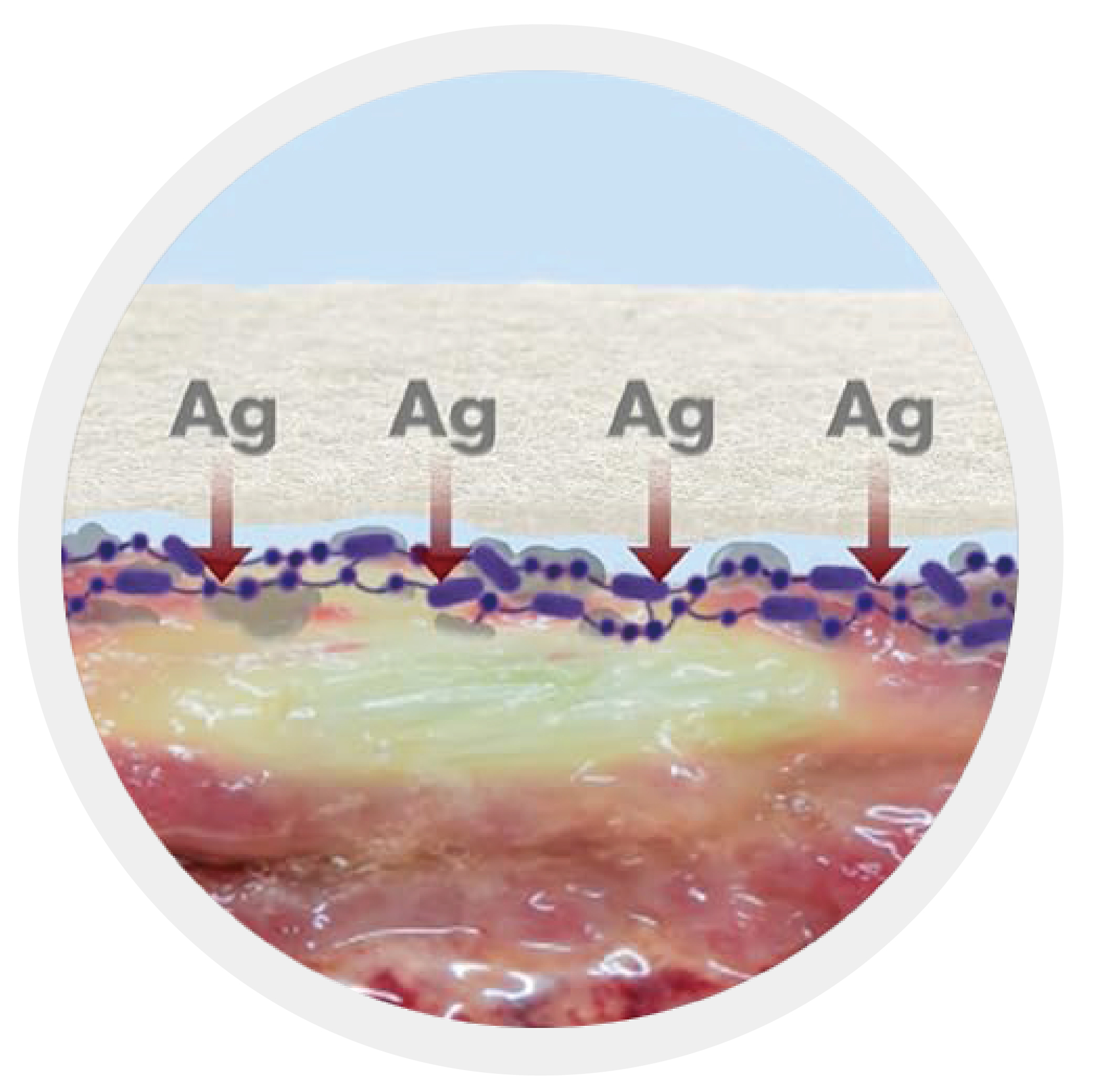
Silver dressings protect wounds by fighting bacteria. When you put a silver dressing on, silver ions start to work. These ions attack bacteria in different ways. They break the cell walls and stop bacteria from making energy. Silver ions also hurt the DNA inside bacteria, so they cannot grow.
Silver cations get inside bacteria through broken cell walls and small openings. They react with proteins and stop them from working. They also block how cells move things in and out, so less energy is made. Silver damages DNA by reacting with nucleic acids and causing stress, which leads to changes and stops bacteria from dividing. Silver ions also help make reactive oxygen species (ROS) and block the cell’s defenses, making them even better at killing bacteria.
Silver dressings give strong protection against germs. They help lower the chance of infection in wounds. Studies show silver dressings release silver slowly, so they keep fighting germs for days. Nanocrystalline silver dressings also help wounds heal faster by lowering bad enzymes that break down tissue.
Here are some benefits you notice when you use silver dressings:
You see fewer infections in wounds.
You get better healing, especially in burns and chronic wounds.
You can change the dressing less often because silver keeps working.
You help wounds stay moist, which supports healing.
Silver dressing for wounds is a safe and good way to care for wounds. It protects the wound from bacteria and helps it heal faster. It also makes wound care easier and more comfortable for the patient.
When to use silver dressings
Wounds suitable for silver dressings
You might ask when to use silver dressings. These dressings are best for wounds that could get infected. They are often used for burns, surgical wounds, ulcers, and wounds that heal slowly. If you care for wounds, you may see some have more fluid or look red and puffy. These signs can mean there are bacteria.
Silver dressing for wounds gives extra protection. Some wounds, like pressure ulcers or diabetic foot ulcers, need a dressing that keeps the area moist and fights germs. Silver dressings help keep wounds moist, which helps them heal. You can also use these dressings for wounds with a lot of fluid. They soak up the moisture and keep the wound clean.
Tip: Always ask your healthcare provider before picking a dressing. The right use of silver dressings depends on the wound’s type and condition.
Experts do not always agree on when to use silver dressings. There is no national rule for this yet. Experts made some best practice tips from surveys. Out of 49 tips, 29 had strong agreement from wound care experts. This means you should use your own judgment and talk to a professional when picking a dressing.
You can use this table to see which wounds may need silver dressings:
Wound Type | When to Use Silver Dressings |
|---|---|
Burns | When there is a risk of infection |
Surgical wounds | If the wound looks red or drains fluid |
Pressure ulcers | When the wound is slow to heal |
Diabetic foot ulcers | If there are signs of bacteria |
Traumatic wounds | When extra protection is needed |
Infection prevention and antimicrobial benefits
Silver dressings help stop infection. These dressings release silver ions that attack bacteria and stop them from growing. You get protection that keeps the wound safe and lowers the risk of infection. Many people use silver dressings to keep wounds safe from germs.
Some people say silver dressings can help wounds heal faster or stop infection better than other dressings. Some studies show that silver dressing for wounds can lower infection rates. For example, in a study with 282 patients who had lower leg bypass surgery, the group with silver dressings had a 9.6% rate of infection. The group with regular dressings had a 20.8% rate. This big difference shows that silver dressings can help lower infection in some cases.
But not all research agrees. Reviews of many studies found that silver dressings do not always help wounds heal or stop infection better than other dressings. Most studies were small or not very good. Some experts say there is not enough proof that silver dressings always work better.
Many experts use silver dressings for wounds that could get infected.
Some studies show fewer infections with silver dressings than with regular dressings.
Reviews of many studies found no strong proof that silver dressings always help wounds heal or stop infection.
You should use silver dressings as part of your wound care plan when you need extra protection. These dressings help keep wounds clean and help them heal. Always talk to a healthcare provider to make sure you pick the right dressing for your wound.
Applying silver dressing for wounds
Wound preparation steps
You need to prepare the wound before you use silver dressings. Start by looking at the wound and the area around it. Check for signs of infection, such as redness or swelling. Clean the wound with gentle saline or wound cleanser. Remove any dead tissue to help the healing process. Make sure you choose the right dressing for the wound. Think about how much fluid the wound has and how well the dressing fits. Always keep records of your choices and check how the dressing works over time.
Here is a simple step-by-step guide:
Assess the patient, wound, and environment.
Cleanse the wound with saline or wound cleanser.
Debride the wound if needed.
Select the appropriate silver dressing for the wound.
Document your decisions.
Review the dressing’s performance regularly.
Tip: Keeping the wound clean and covered helps create a moist wound environment, which supports healing.
How to place silver dressings
You can apply silver dressings easily if you follow the right steps. Open the package with clean hands. Place the dressing gently over the wound, making sure it covers the area well. If you use SLK Medical’s Silicone Foam Ag Dressing with Border, press the edges to help it stick. For wounds with more fluid, you may choose the Non-adhesive Ag Foam Dressing. Make sure the dressing fits snugly but does not press too hard. Cover the dressing with a secondary layer if needed.
Change the dressing as recommended, usually every few days.
Watch for signs of infection or discomfort.
Keep the wound moist for better healing.
Common mistakes to avoid
You should avoid some common mistakes in wound management. Do not use silver dressings on wounds that do not need antimicrobial protection. Make sure you do not leave the wound dirty before applying the dressing. Do not use a dressing that is too small or too large for the wound. Avoid changing the dressing too often, as this can slow the healing process. Always follow the instructions for the appropriate use of silver dressings.
Mistake | How to Avoid |
|---|---|
Dirty wound | Clean and debride before dressing |
Wrong dressing size | Match dressing to wound size |
Over-changing dressing | Change only as needed |
Ignoring infection | Monitor wound and seek help |
Note: Using the right dressing and keeping the wound moist helps support a moist healing environment and improves healing.
The two-week challenge in wound care
How the two-week challenge works
You may wonder how to know if a silver dressing is helping your wound. The two-week challenge gives you a clear way to check. This method asks you to use a silver dressing on your wound for two weeks. During this time, you watch for signs of infection, such as redness, swelling, or extra fluid. You also look for changes in pain or odor. After two weeks, you check if the wound looks better or if the infection has improved.
The two-week challenge helps you use dressings wisely. It can lower costs and improve patient care by making sure you only use silver dressings when needed. Many experts recommend this approach for wounds that show signs of infection. Studies show that about 60% of chronic wound patients see their infection improve after two weeks. Silver dressings can kill bacteria quickly, sometimes in just 30 minutes.
Here are some key points about the two-week challenge:
You use the challenge to control infection in wounds.
Silver dressings work against more than 150 types of bacteria.
Picking the right patient for this challenge helps you get the best results.
Outcome Description | Percentage |
|---|---|
Resolved clinical signs of infection in chronic wound patients | 60% |
Rapid bacterial kill time | 30 minutes |
Decision tree for ongoing wound management
After the two-week challenge, you need to decide what to do next. If the wound shows less infection and looks healthier, you may switch to a regular dressing. If the infection stays or gets worse, you should talk to a healthcare provider. You may need a different dressing or more help.
Today, new tools help you make these choices. Artificial intelligence can look at wound data and spot patterns. Machine learning can predict how your wound will heal and warn you about risks. Some tools, like the Predictive Scar Factor, check your healing progress each week. These tools help you and your care team make better decisions for wound management.
Description | |
|---|---|
Artificial Intelligence (AI) | Analyzes wound data to find patterns and help with early infection detection. |
Machine Learning (ML) | Predicts healing progress and checks for risks in wounds. |
Predictive Scar Factor | Tracks healing each week and helps AI tools learn and predict outcomes. |
Tip: Always keep track of how your wound looks and feels. If you notice new signs of infection, seek help right away. Using the right dressing at the right time supports the healing process and keeps wounds safe.
Choosing silver dressings for different wounds
Features to consider (absorption, conformability)
When you pick a dressing, think about how much fluid the wound has. Some dressings soak up a lot of fluid. Others help keep the wound moist. You should also check how the dressing gives silver to the wound. Make sure the dressing fits the wound well and meets its needs.
Think about the type of dressing, like foam or alginate.
Check how silver gets from the dressing to the wound.
Decide what the wound needs now, like moisture or more protection.
Here is a table that shows how different dressings work:
Dressing Type | Absorption Rate | Conformability Characteristics |
|---|---|---|
Hydrofiber Silver Dressings | Exceptional absorption, forms a gel | Fits closely to the wound bed, keeps it moist and comfortable |
Alginate Dressings | Good hydration, helps remove dead tissue | Turns exudate into a gel, keeps the wound moist |
Hydrofiber silver dressings are good for wounds with lots of fluid. They make a gel that helps healing and stops bacteria. Alginate dressings also keep wounds moist and help get rid of dead tissue.
SLK Medical silver alginate dressing and foam options
SLK Medical has many dressings for wound care. You can use the Silicone Foam Ag Dressing with Border. There is also a Silicone Foam Ag Dressing without Border. The Non-adhesive Ag Foam Dressing is another choice. Each dressing uses silver ions to fight germs and protect the wound.
Studies show a silver alginate dressing can work for up to 21 days. Some research says silver alginate dressings fight germs better than non-silver dressings. Other studies found silver alginate dressings help wounds heal faster, even with hard-to-treat bacteria.
Study | Findings |
|---|---|
Bradford et al. | Silver alginate dressing works for 21 days against many germs |
Wiegand et al. | Silver alginate dressing has more power to fight germs and helps healing |
Percival et al. | Silver alginate dressing fights bacteria in many wound types |
Thomas et al. | Silver alginate dressing works against tough bacteria in burns |
Beele et al. | Silver alginate dressing helps chronic wounds heal better |
Matching dressing type to wound needs
You need to pick the right dressing for each wound. For diabetic foot ulcers, use a silver alginate or foam dressing. These wounds need moisture and protection. Pressure injuries often need a foam dressing that fits well and keeps out germs. Burns and wounds with lots of fluid do best with a silver alginate dressing that soaks up extra moisture.
Wound Type | Characteristics | |
|---|---|---|
Diabetic foot ulcer | Needs moisture and protection | Silver alginate dressing, foam |
Pressure injury | Needs a soft, fitting cover | Foam dressing |
Burn and scald | Makes a lot of fluid, needs infection control | Silver alginate dressing |
Chronic venous ulcer | Needs help with healing and infection | Silver alginate dressing |
Radiation dermatitis | Needs gentle care and moisture | Silver alginate dressing |
SLK Medical’s dressings give you many choices for wounds. Use the Silicone Foam Ag Dressing with Border for wounds that need to stay covered. The Silicone Foam Ag Dressing without Border works well under wraps. The Non-adhesive Ag Foam Dressing is easy to cut for wounds of different shapes. Picking the right silver alginate dressing helps wounds heal and keeps them safe.
Tip: Always look at the wound and choose the dressing that fits its needs. The right silver alginate dressing can help wounds heal better.
Practical tips for wound care beginners
Ensuring effective use of silver dressings
You want your wound to heal well and stay safe from germs. To get the best results, use each dressing only when you need to prevent or treat infection. Always check if your wound is at high risk for bacteria before choosing a silver dressing. Look at the wound type and your own risk factors. This helps you avoid using a dressing when it is not needed. If you use silver dressings too often, bacteria can become resistant. You should apply each dressing carefully and follow the instructions from your wound care product.
Here are some tips for using dressings at home:
Use a silver dressing for wounds that have a high chance of getting infected.
Check if you really need antimicrobial treatment before you start.
Do not use a dressing longer than needed.
Safety and comfort tips
You want to keep your wound safe and comfortable. Do not use a silver dressing if your wound is clean and has a low risk of infection. Avoid these dressings if you are pregnant or allergic to silver. Long-term use is not safe, so check your wound after two weeks. Always read the instructions for each dressing and make sure it fits your needs.
Watch for any signs of problems. Some people may get silver toxicity, which can cause stomach pain, vomiting, or skin irritation. In rare cases, you may see a blue-gray color on your skin, called argyria. If you notice these symptoms, stop using the dressing and talk to a doctor.
Tip: Always keep your wound in a moist wound environment. This helps healing and keeps you comfortable.
When to seek professional help
You need to know when to ask for help. If you see redness spreading beyond the wound, swelling, or feel warmth around the area, these can be signs of infection. More pain, pus, or a bad smell also mean you should get help. If your wound does not heal or you get a fever, call your healthcare provider.
A moist healing environment and the appropriate use of silver dressings help with preventing infection, but you should always watch for changes. Good wound care means you stay alert and get help when you need it.
You can use silver dressings to help wounds heal faster. They also lower the risk of infection. Studies show silver dressings work better than iodine dressings for many wounds. You should stop using silver dressings when the wound looks clean. Stop when you see new skin growing. SLK Medical has advanced products for many needs:
Product Type | Key Benefit | Best Use |
|---|---|---|
Silicone Dressings | Gentle, easy removal | Sensitive skin |
Antimicrobial Dressings | Stops bacteria, fights infection | Chronic or infected |
These tools help you care for wounds with confidence.
FAQ
How often should you change a silver dressing?
You should change your silver dressing every 2 to 7 days. Always check the wound and follow the product instructions. If you see more fluid, odor, or signs of infection, change the dressing sooner.
Can you use silver dressings on all wounds?
You should not use silver dressings on clean, healing wounds. Use them for wounds at risk of infection or with signs of bacteria. Always ask your healthcare provider if you are unsure.
Are silver dressings safe for children?
Most silver dressings are safe for children, but you should always check with a doctor first. Some wounds or skin types may need special care. Watch for any skin changes or irritation.
What should you do if you notice skin irritation?
If you see redness, itching, or pain, stop using the dressing. Clean the area gently. Contact your healthcare provider for advice. You may need a different dressing.
Can you shower with a silver dressing on?
Many silver dressings, like SLK Medical’s Silicone Foam Ag Dressing with Border, are waterproof. You can shower with them on. Pat the area dry after your shower. Avoid soaking the dressing.


