


You notice a big change when you use an advanced wound dressing in modern wound care. These dressings use new materials and technology. They help your body heal better and faster. Old products do not always work well. So, doctors now want advanced solutions. These solutions help wounds heal faster and lower problems. The world market shows this need:
Source | Market Size (2023/2024) | Projected Size (2030–2033) | CAGR (%) |
|---|---|---|---|
Fortune Business Insights | USD 7.45 billion | USD 12.11 billion (2032) | 5.6 |
Strategic Market Research | USD 9.2 billion | USD 13.6 billion (2030) | 6.9 |
Market.us | USD 10.7 billion | USD 16.1 billion (2033) | 4.7 |
Studies show that advanced wound dressings help wounds heal better than old ways:
Measure | Advanced Dressings | Conventional Dressings |
|---|---|---|
1.52 | N/A | |
Overall Healing Rate | 33% | N/A |
SLK Medical is a leader in this area. The company works on new ideas, good quality, and solutions that help you first.
Key Takeaways
Advanced wound dressings help wounds heal faster. They keep wounds moist and stop infection. Different dressings, like hydrocolloid and foam, help with different wounds. This makes them comfortable and useful. Picking the right dressing for your wound can lower pain. It also helps wounds heal better. Check your wound often and change dressings when needed. This stops problems and helps you get better. SLK Medical has new ways to help wounds heal. They care about comfort and good wound care.
What Are Advanced Wound Dressings?

Definition and Key Features
You might ask what makes advanced wound dressings different from regular ones. These dressings use new materials like synthetic polymers, hydrogels, and hydrocolloids. They help control moisture and make you feel more comfortable, especially with tough wounds. Gauze is good for small cuts, but advanced wound dressings are better for wounds that need moisture and extra protection.
Here is a table that shows how they are not the same:
Feature | Advanced Wound Dressings | Traditional Wound Dressings |
|---|---|---|
Composition | Synthetic polymers, hydrogels, hydrocolloids | Gauze, cotton |
Moisture Management | Promotes moist healing environment | Often dry, may hinder healing |
Types | Passive, interactive, bioactive | Mainly passive |
Wound Types | Complex and chronic wounds | Minor cuts and scrapes |
Healing Mechanism | Moist therapy, cell repair | Dry healing, less effective |
Frequency of Change | Atraumatic changes | Frequent changes needed |
Protection Against Infection | Barrier to bacteria | Limited protection |
Silicone foam, hydrocolloids | Bandages, gauze |
How They Improve Wound Healing
Advanced wound dressings help wounds heal faster. They keep the wound moist so skin cells can fix themselves. Hydrocolloid, foam, and hydrogel dressings help control moisture, lower pain, and stop infection. If your wound is on a joint or a place that moves, hydrogel dressings stretch and stick well. This helps the wound heal even when you move around. Some dressings have antibacterial and antioxidant features. These help wounds heal quicker and lower the chance of problems.
Tip: You can change advanced wound dressings without hurting your skin. This makes healing easier and less painful.
Why They Matter in Wound Care
Advanced wound dressings are important because they help wounds heal better and faster. They keep wounds moist, soak up extra fluid, and block germs. You get care that fits your wound because these dressings change as your wound heals. Special types like hydrocolloid, foam, and hydrogel dressings help your body heal naturally. Today, these dressings help lower pain, stop problems, and make life better for people with wounds.
Types of Advanced Wound Dressings
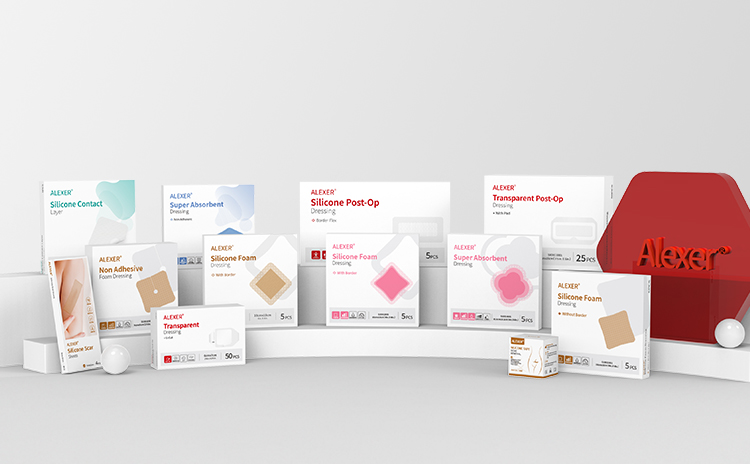
There are many advanced wound dressings you can pick from. Each one helps wounds heal in its own way. Let’s learn about the main types and how they work.
Hydrocolloid Dressings by SLK Medical
Hydrocolloid dressings keep wounds moist to help healing. They have hydrophilic particles that turn into gel with wound fluid. This gel makes a soft layer over the wound. It protects the wound and helps new skin grow. You can use hydrocolloid dressings for many wounds. These include chronic wounds, acute wounds, pressure ulcers, and acne.
Here is a table that shows how hydrocolloid dressings help with different wounds:
Wound Type | Benefits of Hydrocolloid Dressings |
|---|---|
Chronic Wounds | Forms a gel-like protective layer, absorbs exudate, and maintains a moist environment that promotes healing. |
Acute Wounds | Reduces healing time and allows for easier application compared to traditional dressings. |
Pressure Ulcers | Similar efficacy in healing compared to standard dressings. |
Hypertrophic Scars | Preventative benefits observed in studies, particularly post-cesarean section wounds. |
Facial Dermatitis | Early reports suggest effectiveness in treatment. |
Acne Vulgaris | Hydrocolloid dressings have shown potential benefits in management. |
A study found hydrocolloid dressings can lower thick scars after cesarean section. Patients changed the dressing once a week for six months. This easy step helped wounds heal much better.
SLK Medical’s Hydrocolloid Dressing is thin, flexible, and clear. You can see the wound without taking off the dressing. It helps clean the wound and protects nerves. This means you feel less pain.
Note: Hydrocolloid dressings are good if you want moist healing and less pain.
Foam Dressings and Silicone Foam Ag Dressings
Foam dressings are soft and soak up extra fluid. They keep wounds moist and help protect them. You can use foam dressings for wounds that leak a lot. These include pressure ulcers, diabetic foot ulcers, and burns. Foam dressings also protect wounds from bumps and germs.
Some foam dressings have silver inside. Silver helps stop bacteria from growing. Silicone foam Ag dressings mix foam comfort with silver’s power. They are gentle on skin and lower infection risk.
Let’s compare different foam dressings:
Dressing Type | Absorption Capacity (g/g) | Antimicrobial Agent |
|---|---|---|
Hydrotac | 5.1 | None |
Allevyn Ag | 10.6 | Silver |
Mepilex Ag | 10.3 | Silver |
Allevyn Classic | 16.0 | None |
Cutimed Siltec Plus | 17.5 | None |
L-Mesitran Foam | 10.0 (approx.) | Honey |
Aquacell Ag Foam | 1.2% w/w Ionic Silver | Silver |
Mepilex | 10.3 | None |
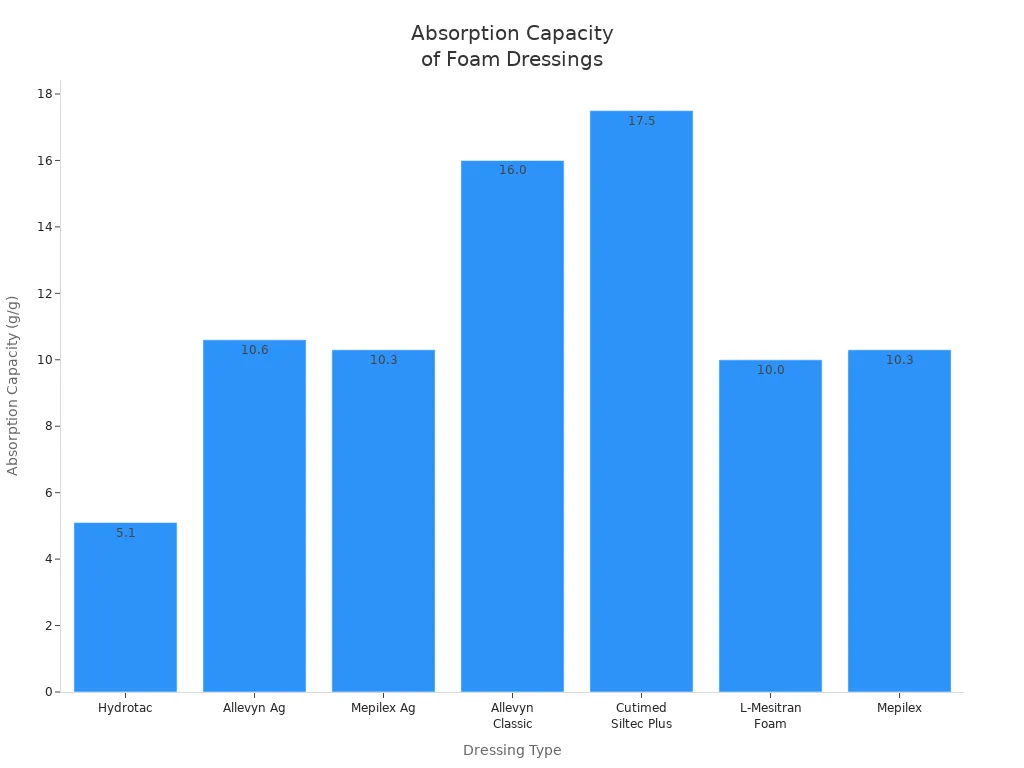
Some foam dressings soak up more fluid than others. Silver foam dressings help fight infection, especially in slow-healing wounds.
SLK Medical has Non Adhesive Foam Dressings and Silicone Foam Ag Dressings. These dressings use new technology to soak up fluid and protect wounds. The silicone layer makes removal easy and gentle. Silver in Ag dressings fights germs for up to seven days. You can use these dressings for pressure ulcers and diabetic foot ulcers.
Studies show silicone foam dressings lower pressure ulcer risk. Silver foam dressings help wounds heal faster and reduce odor, leaks, and pain. Picking the right foam dressing helps your wound heal better.
Super Absorbent Dressings
Super absorbent dressings are for wounds that leak a lot. They hold much more fluid than regular dressings. These dressings keep wounds dry and protect skin around them.
Here is a table that shows how super absorbent dressings help with different wounds:
Type of Wound | Absorption Capability |
|---|---|
Venous ulcers | High absorption capacity to manage exudate effectively. |
Pressure injuries | Prevents maceration and manages high levels of exudate. |
Incisional and graft sites | Protects fragile wound base while absorbing exudate. |
Burn wounds | Absorbs large quantities of exudate without adhering to the wound. |
Lacerations | Provides rapid exudate management and prevents wound bed damage. |
Abrasions | Keeps exudate securely locked within the dressing core. |
Super absorbent dressings like Alexer Super Absorbent Dressing Non Adherent from SLK Medical can soak up to 20 times their weight. They do not stick to wounds, so changing them hurts less. You can use these dressings for leg ulcers, pressure ulcers, and surgical wounds. They help wounds heal by keeping them clean and dry.
Tip: Super absorbent dressings are smart for wounds that leak a lot. You do not need to change them often, so you save time.
Transparent Dressings for Wound Care
Transparent dressings are thin, clear films that cover wounds. You can see the wound without removing the dressing. These dressings are waterproof and let air pass through. They protect wounds from germs and keep the area moist.
You can use transparent dressings for:
Superficial wounds
Minor burns
Lacerations
Stage I and II pressure ulcers
Superficial dermal ulcers
Infected wounds
SLK Medical’s Transparent Dressing uses special PU film. It is soft, stretchy, and gentle on skin. The rounded corners stop the dressing from curling up. You can use these dressings for wounds, catheter sites, and tattoo aftercare.
Transparent dressings help you in many ways:
You can check the wound easily.
The dressing keeps the wound moist and helps it clean itself.
It acts as a barrier against infection.
It protects the wound from rubbing and bumps.
You need fewer dressing changes and feel less pain. These dressings are great for people who want to stay active.
Other Advanced Dressing Types
There are other advanced dressings for special needs. Here are some examples:
Dressing Type | Clinical Application | Benefits |
|---|---|---|
Hydrocolloid Dressings | Ideal for wounds with light to moderate exudate. | Maintains a moist environment, encourages autolytic debridement, reduces pain during changes. |
Antimicrobial Foam Dressings | Commonly used for moderate to heavily exuding wounds. | Absorbs exudate, provides thermal insulation, and includes antimicrobial agents. |
Film Dressings | Suitable for low-exudate wounds, especially shallow ones. | Serves as a protective barrier, allows for wound inspection without removal. |
Hydrogels | Best for dry wounds or those with necrotic tissue. | Hydrates the wound bed, facilitates debridement, especially useful in burns. |
Hydrofibers | Designed for wounds with high exudate levels. | Absorbs exudate and locks in moisture, keeping the wound bed hydrated. |
Antimicrobial Dressings | Infused with agents to inhibit bacterial growth. | Useful in preventing infections in wounds at risk of bacterial colonization. |
Bioactive Dressings | Interacts with the wound bed to improve healing. | Contains components like collagen or growth factors that promote tissue regeneration. |
Tissue-Engineered Dressings | Mimics natural skin using living cells and biomaterials. | Provides a scaffold for new tissue growth, representing cutting-edge innovation in wound care. |
Some smart dressings have sensors to track healing. Some dressings release medicine when the wound changes temperature or pH. Bioengineered skin substitutes help wounds that do not heal with regular care.
Note: Advanced dressings like hydrogel dressings, hydrofibers, and bioactive dressings give you more choices for tough wounds. These moisture-retentive dressings help wounds heal faster and lower pain.
You can pick the best dressing by looking at your wound type, how much fluid it makes, and what feels comfortable. SLK Medical has many advanced dressings to help you heal and feel better.
Clinical Applications in Wound Care
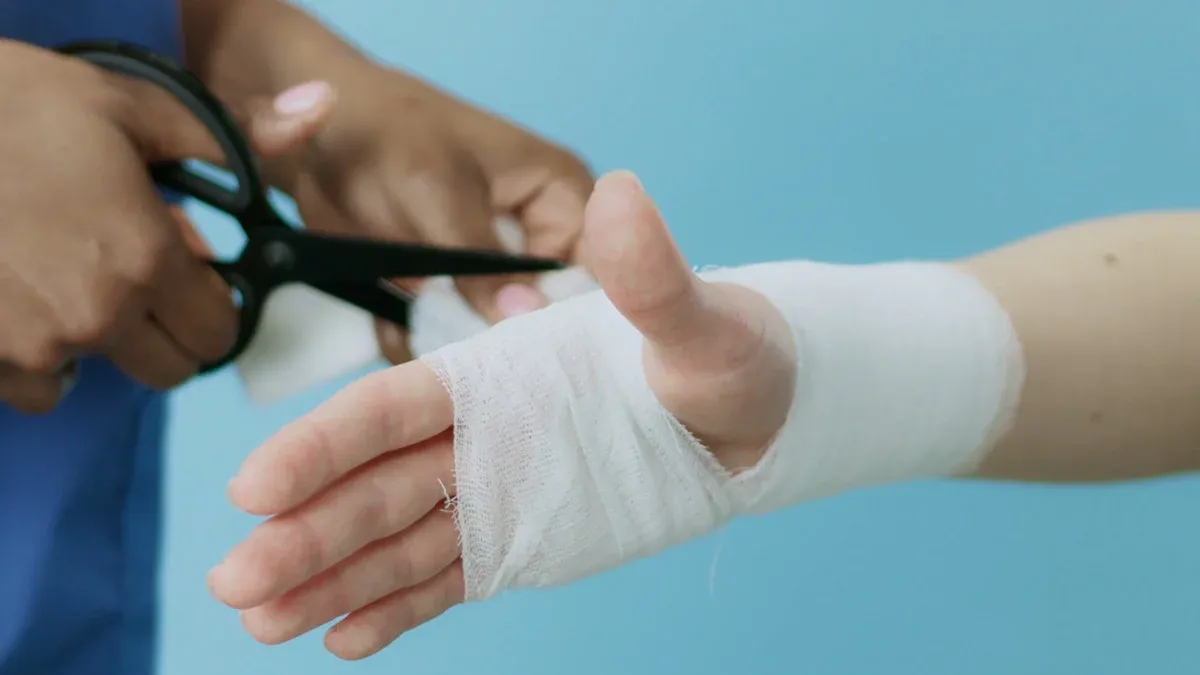
Acute and Surgical Wounds
Picking the right dressing helps protect wounds after surgery. Advanced wound dressings keep wounds safe and help them heal. They soak up fluid and cover cuts and incisions. These dressings seal wounds and lower infection risk. You can use hydrocolloid, foam, or transparent dressings for these wounds.
Advanced dressings block germs from surgical wounds.
Absorption and sticking are important for healing.
Doctors like advanced dressings because they work well.
Changing dressings less often helps wounds heal better. This saves supplies and lowers skin damage. Keeping a dressing on longer lowers infection and irritation. It also helps wounds heal faster.
Dressing Type | Absorption Capacity | Risk of Maceration | Cost | Duration of Use |
|---|---|---|---|---|
Alginate | Up to 20 times weight | Higher | Lower | Shorter |
Hydrofiber | 30 times weight | Lower | Higher | Longer |
Picking the best dressing after surgery stops problems. You want dressings that soak up fluid and seal well. Dressings that last longer help wounds heal with less trouble. SLK Medical’s Hydrocolloid Dressing and Non Adhesive Foam Dressing give these benefits. You can use them for cuts, surgical wounds, and injuries.
Chronic Wounds and Ulcers
Chronic wounds and ulcers need special care to heal. These wounds take a long time to get better and can come back. People with diabetes, poor blood flow, or who stay in bed often get these wounds. Advanced dressings help you care for these wounds.
You heal faster and spend less time getting care.
You avoid losing a limb and lower infection risk.
You return to normal life sooner.
You save money by stopping bigger problems.
Advanced dressings soak up extra fluid and help new skin grow. They pull wound edges together and lower bacteria. They also help blood flow. For diabetic and pressure ulcers, use foam, super absorbent, or hydrogel dressings. SLK Medical’s Super Absorbent Dressing Non Adherent is good for wounds that leak a lot. It keeps wounds dry and helps healing.
Managing Exudate and Infection
Controlling wound fluid and infection is very important. Too much fluid slows healing and hurts skin. Infection causes pain and makes healing take longer. Advanced dressings help you fix these problems.
Evidence Type | Description |
|---|---|
Study Design | Systematic review and meta-analysis of seven RCTs |
Participants | 927 patients undergoing gastrointestinal surgery |
Key Finding | Advanced dressings significantly lower the risk of surgical site infections (SSI) compared to standard dressings (risk ratio: 0.54, 95% CI: 0.34–0.88) |
Conclusion | Advanced dressings are effective in managing wound exudate and preventing infection, particularly in colorectal surgery. |
Foam dressings with silver, like SLK Medical’s Silicone Foam Ag Dressing, help stop infection. Silver fights bacteria and keeps wounds clean. Super absorbent dressings lock in fluid and stop leaks. These dressings help control infection and make healing easier.
Sensitive Skin and Pain Reduction
If your skin is sensitive or you feel pain when changing dressings, you need gentle options. Advanced dressings use soft materials that do not stick. Silicone foam dressings are a good choice. They help you avoid pain and protect weak skin.
Benefit | Evidence Count | Description |
|---|---|---|
Reduced wound size | 85 | Most wounds showed a reduction in size at the final visit. |
Pain reduction | 76 | Significant decrease in pain reported by patients. |
Improved patient satisfaction | 92.2% | High percentage of healthcare professionals would recommend the dressing. |
Adaptability to wound size | 50% | Some healthcare professionals noted previous dressings were superior in adapting to wound size. |
Masking exudate | 40% | Previous dressings were preferred for their ability to mask exudate. |
Indicating need for change | 50% | Previous dressings were considered better at indicating when a change was needed. |
Overall performance | 40% | Previous dressings were rated higher in overall performance by some healthcare professionals. |
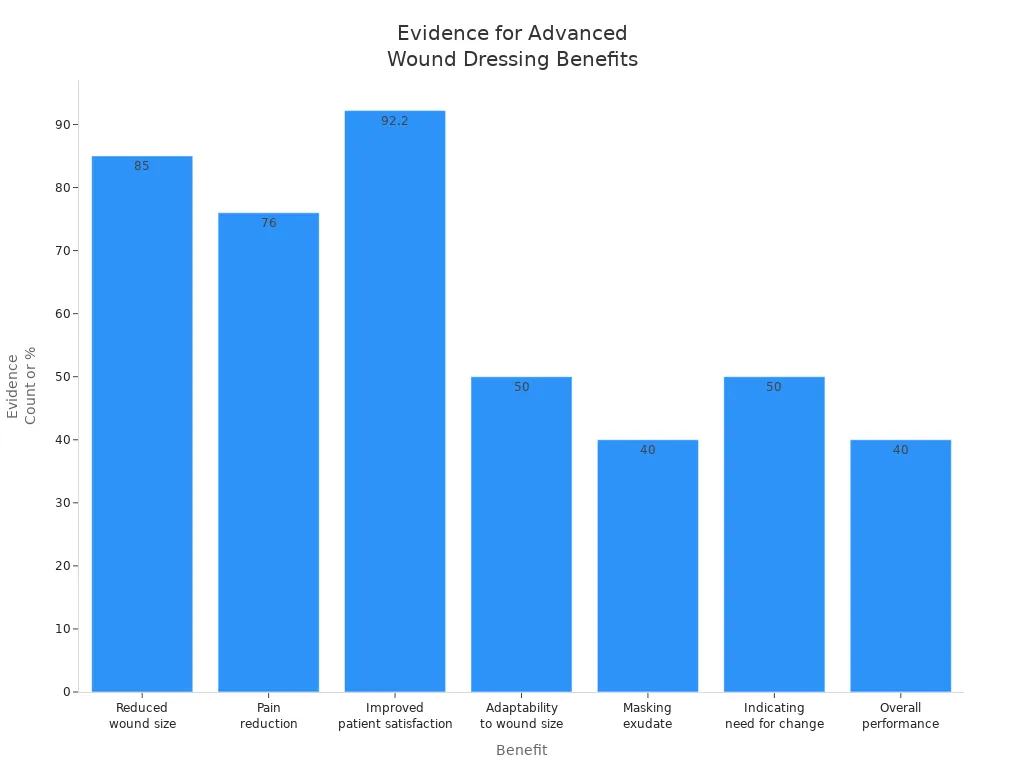
SLK Medical’s Silicone Foam Ag Dressing and Transparent Dressing are good for sensitive skin. These dressings lower pain and help you feel better. Many people say they have less pain and smaller wounds after using these dressings. Nurses and doctors also suggest them for comfort.
Tip: Always pick a dressing that matches your wound and needs. This helps you heal faster and keeps your wound moist.
Choosing the Right Advanced Wound Dressing
Assessing Wound Characteristics
You need to look at your wound closely before picking a dressing. Start by checking the wound edges. Pink edges show healing, but raised or red edges mean problems. Look at the skin around the wound for swelling or signs of infection. Pain tells you how the wound is doing, so check it before, during, and after dressing changes. Think about things like your nutrition, health problems, and how well blood flows to the area. The table below can help you remember what to check:
Criteria | Description |
|---|---|
Advancing edges | Pink edges mean healing. |
Not advancing edges | Raised, rolled, or red edges show healing issues. |
Surrounding skin | Look for swelling, infection, or wet skin. |
Pain assessment | Check pain before, during, and after dressing changes. |
Extrinsic factors | Consider wound care, temperature, infection, and stress. |
Intrinsic factors | Think about nutrition, diseases, movement, and blood flow. |
You should also look at wound size, depth, and how much fluid comes out. Make sure the dressing fits well and protects the skin.
Patient Needs and Comfort
Your comfort matters when you choose a dressing. Many people want dressings that help wounds heal fast. You may want less pain during dressing changes. Some dressings, like foam dressings or hydrocolloid, let you move and live normally. If you have diabetic ulcers or pressure ulcers, you need dressings that do not hurt your skin.
Pick dressings that lower pain.
Choose dressings that let you stay active.
Look for dressings that fit your lifestyle.
Product Selection Tips from SLK Medical
SLK Medical suggests you think about the wound and how much fluid it makes. Experts say you should not spend money on dressings you do not need. Clinics should keep a list of dressings that match their patients. Cost and how easy it is to get the dressing also matter. Foam dressings work well for wounds with lots of fluid. For surgical wounds, you may need dressings that seal and protect. Always match the dressing selection to your needs.
When to Change or Upgrade Dressings
You need to check your wound often. Wounds change as they heal, so your dressing selection may need to change too. If you see too much fluid, wet skin, or dry spots, you may need a new dressing. Regular dressing changes help stop problems like maceration. Many people feel confused by all the choices, but you can use a simple plan. Look at your wound, think about your needs, and use evidence to guide you. If your wound does not heal or gets worse, try a new dressing or ask for help.
Tip: Use a dressing algorithm or checklist to make dressing selection easier and safer.
Clinical Benefits and Best Practices
Faster Wound Healing Outcomes
You want your wound to heal as quickly as possible. Advanced dressings help you reach this goal. They keep your wound moist, which helps new skin grow. This idea started with George Winter’s research in 1962. He showed that wounds heal faster in a moist environment. Today, you see many dressings that use this principle. Some dressings have antimicrobial properties that protect your wound from bacteria. Others, like bioactive and hydrogel dressings, mimic your body’s natural healing process. These dressings help your wound close faster than traditional options.
Advanced dressings keep wounds moist for better healing.
They protect against bacteria.
Bioactive and hydrogel dressings support faster tissue repair.
Infection Prevention and Control
You need to keep your wound clean to avoid infection. Advanced dressings help lower the risk of infection. Studies show that these dressings, especially those with antimicrobial agents, can reduce infection rates in trauma wounds and open fractures. The risk of infection drops when you use the right dressing for your wound. Some studies found a relative risk of 0.516, which means fewer infections compared to standard care. You get better clinical outcomes when you use dressings that match your wound’s needs.
Enhanced Patient Comfort and Quality of Life
You want to feel comfortable while your wound heals. Advanced dressings are made to reduce pain and let you move more easily. You do not need to change them as often, so you feel less discomfort. These dressings help you return to your normal activities sooner. They also lower stress and help you feel less alone during healing. You get faster healing, less pain, and a better quality of life.
Reduced pain levels
Quicker return to normal activities
Practical Tips for Clinicians and Caregivers
You can get the most from advanced dressings by following a few simple tips:
Keep the wound moist but not too wet.
Use absorbent foam or alginate dressings for moist wounds.
Apply hydrogel dressings to dry wounds for hydration.
Choose antimicrobial dressings for infected wounds.
Match the dressing’s absorption to the amount of wound fluid.
Protect the skin around the wound with barrier creams or films.
Check the wound every day for signs of too much moisture or dryness.
Tip: Always pick the right dressing for your wound type. This helps you heal faster and stay comfortable.
You now know that advanced wound dressings do more than just cover wounds. They help you heal faster and keep you safer. Smart technology lets you check wounds and pick the best care. Every wound needs its own plan to heal well. SLK Medical is a leader in new ideas and good products.
Aspect | Description |
|---|---|
Commitment to Innovation | SLK Medical uses new technology to help healing. |
Quality Manufacturing | Products follow FDA and ISO 13485 rules for safety and quality. |
Advanced Technology | Special foam helps wounds stay moist and lets air in. |
If you want to know more, find resources about keeping wounds moist, cleaning wounds, and controlling fluid. You can always talk to a wound care expert for help.
FAQ
What makes advanced wound dressings different from regular dressings?
Advanced wound dressings use special materials. They keep wounds moist and help you heal faster. You get better protection from germs. These dressings also make changing them less painful.
How do I know which dressing is right for my wound?
You should look at your wound’s size, depth, and how much fluid it makes. Ask your doctor or nurse for advice. SLK Medical offers many options for different needs.
Can I shower while wearing SLK Medical dressings?
Yes, many SLK Medical dressings are waterproof. You can shower without worrying about the dressing coming off. Always check the product instructions for best results.
How often should I change my advanced wound dressing?
You should change your dressing when it gets wet, dirty, or as your doctor tells you. Some dressings last several days. Always follow your care plan for the best healing.


