


A hydrofiber wound dressing has special fibers. These fibers turn into a soft gel when they touch wound fluid. You can use this dressing for wounds that need more help to heal. SLK Medical is a leader in making new wound care products. These products help wounds heal and protect your skin. Studies show these dressings can lower wound pain by 67%. They also help wounds get smaller by 55% in four weeks. You can see more results in the table below.
Outcome | Result | Statistical Significance |
|---|---|---|
OPD visits between grade II and III abrasions | P < 0.013 | Significant |
Healing times between grade II and III abrasions | P < 0.001 | Significant |
Number of HFDs used | P = 0.508 | Not Significant |
You should know how these dressings work. You should also know what good things they give to patients and healthcare workers.
Key Takeaways
Hydrofiber wound dressings change into a soft gel when they touch wound fluid. This keeps the wound wet and helps it heal faster.
These dressings can lower pain and make wounds smaller. They are good for many injuries, like surgical wounds and ulcers.
Using hydrofiber dressings controls extra fluid. This stops skin damage and infection. This is very important for good wound care.
Patients say they feel less pain when changing dressings because of the non-sticky gel. This makes healing more comfortable.
Always talk to a healthcare provider to pick the right hydrofiber dressing for your wound. This helps you heal in the best way.
Hydrofiber Wound Dressing Basics

What Is a Hydrofiber Wound Dressing
A hydrofiber wound dressing is a new kind of medical product. It helps wounds heal faster and with less pain. These dressings have special fibers. The fibers turn into a soft gel when they touch wound fluid. The gel keeps the wound moist. This helps your body heal in a natural way.
SLK Medical makes advanced wound care products. They use the newest technology to make dressings. These dressings protect your skin and help it heal. SLK Medical cares about new ideas, good quality, and helping patients. You can trust their products to work well and feel comfortable.
You can look at the table below to see the main materials and technologies in hydrofiber dressings:
Material/Technology | Description |
|---|---|
Hydrofiber | Made to help wounds heal with moisture and manage fluid. |
Gives extra protection for wounds. | |
Hydrogel and gauze sponges | Helps with many different wound care needs. |
Polyurethane foam | Part of the pad that soaks up fluid. |
Sodium carboxymethylcellulose | The hydrofibre part that soaks up extra moisture and keeps the wound moist. |
Gelling action | Helps fill empty spaces and keeps the right moisture, which is important for healing. |
Hydrofiber dressings are not the same as traditional dressings. You can compare them in this table:
Feature | Traditional Dressings | Hydrofiber Dressings |
|---|---|---|
Structure | Simple, made of gauze or bandages | Modern, semi-permeable design |
Function | Soaks up fluid | Keeps wound moist and helps healing |
Adhesiveness | Usually sticky | Not sticky, less pain when changing |
Exudate Management | Does not drain well | Manages fluid better, fits wound needs |
Granulation Tissue Formation | Helps new tissue grow |
How Hydrofiber Dressings Work
When you put a hydrofiber dressing on a wound, the fibers soak up the fluid. Then, they turn into a soft gel. This is called gelling action. The gel keeps the wound moist. Moisture is important for healing. The dressing fits the wound shape and controls extra fluid.
Here is how hydrofiber dressings help wounds heal:
The dressing soaks up wound fluid and makes a gel.
The gel keeps the wound moist and helps your body heal.
The dressing fits the wound and keeps the right moisture.
The non-sticky design makes changing the dressing hurt less.
Many studies show hydrofiber dressings, like the aquacel ag dressing, work well for moisture. Reviews say the aquacel ag dressing keeps wounds moist and manages fluid. This helps wounds heal in the best way.
SLK Medical uses these new technologies in their dressings. You get dressings that are safe, work well, and feel good. You can use them for small cuts or bigger wounds.
Tip: Always listen to your healthcare provider when picking and using a hydrofiber wound dressing. This helps you get the best results and stay safe.
Scientific Principles of Hydrofiber Technology
Gel Formation and Moisture Management
When you use a hydrofiber dressing, something special happens. The fibers soak up wound fluid and turn into a soft gel. This gel keeps the wound moist and helps it heal faster. Scabs do not form as much, so the wound closes quicker. The gel also protects new skin cells and helps tissue repair.
Hydrogel dressings keep wounds moist for better healing.
They stop scabs from forming, so wounds heal faster.
The hydrophilic fibers soak up fluid and keep moisture balanced.
You get more help when you use an antibacterial hydrofiber. This dressing adds antimicrobial action to the wound. It lowers the risk of infection and keeps germs away. The wound stays clean, and your body can fight bacteria. SLK Medical checks every antibacterial hydrofiber for quality and comfort.
Absorption and Exudate Control
Hydrofiber dressings are great at managing exudate. They work best for wounds with a lot of fluid. The fibers pull in extra moisture and lock it in as gel. This helps control fluid and keeps the wound from getting too wet. You do not need to change the dressing as often, which saves time and lowers pain.
Hydrofiber dressings also protect skin from maceration. Too much fluid can hurt healthy skin, but these dressings stop that. The wound stays balanced, and new tissue can grow. Antibacterial hydrofiber dressings give extra safety with ongoing antimicrobial action. This means you lower infection risk while managing exudate.
SLK Medical’s products focus on exudate control, antimicrobial action, and comfort. You can trust their dressings to keep wounds clean, moist, and safe.
SLK Medical’s Advanced Wound Care Solutions
Gelling Fiber Dressing Features
Alexer® Gelling Fiber Dressings are good for wounds with lots of fluid. These dressings have hydroactive fibers that soak up fluid and make a soft gel. The gel keeps the wound moist and helps it heal. The dressing fits the wound and stops extra fluid from hurting your skin. Changing the dressing does not hurt much because the gel does not stick. Many patients say they feel comfortable and have little pain when it is removed. If you want to keep your wound moist and feel less pain, this dressing is a good pick.
Feature | Description |
|---|---|
Absorption | Hydroactive fibers soak up fluid and form a gel, keeping the wound moist. |
Moisture Balance | Maintains moisture while stopping excess fluid from damaging skin. |
Non-Traumatic Removal | Gel texture allows gentle removal, lowering pain during dressing changes. |
Patient Comfort | Most patients report good comfort and low pain during removal (1.3/10). |
Silver-containing wound dressings help wounds that might get infected. The aquacel ag dressing is a well-known type. It mixes gelling fibers with antimicrobial action.
Hydrocolloid Dressing Benefits
Alexer® Hydrocolloid Dressings are gentle and help wounds heal. They keep wounds moist and help remove dead tissue. These dressings act like a shield and lower infection risk. Healing is faster and changing the dressing does not hurt as much. The dressings are flexible and fit many types of wounds, like pressure ulcers and surgical wounds. You can wear them longer, so you do not need to change them as often.
Clinical Benefit | Description |
|---|---|
Moist Wound Environment | Promotes autolytic debridement and helps new skin grow. |
Infection Control | Blocks outside contaminants, reducing infection risk. |
Improved Healing Times | Supports tissue growth for faster healing than traditional methods. |
Comfort | Non-adherent, reduces trauma and improves comfort. |
Versatility | Works for many wound types, including pressure ulcers and surgical wounds. |
Workflow Efficiency | Longer wear time means fewer changes and less disruption. |
Some silver-containing wound dressings come in hydrocolloid form. The aquacel ag dressing is used when you need both moisture and infection control.
Alginate Wound Dressing Advantages
Alexer® Alginate Dressings are best for wounds with a lot of fluid. You can use them for surgical wounds, diabetic ulcers, and burns. These dressings soak up 15 to 20 times their weight in fluid. They keep wounds moist and cover nerve endings to help with pain. You do not need to change them often, so there is less pain and less chance of hurting the wound. The dressings do not stick, so you can take them off easily.
Alginate dressings soak up lots of fluid, so they are good for wounds with heavy exudate.
They keep wounds moist, which helps them heal.
You can use them for surgical wounds and burns after surgery.
The gel from alginate dressings calms the wound and lowers pain.
Changing the dressing does not hurt much because it does not stick.
Silver-containing wound dressings, like the aquacel ag dressing, mix alginate or hydrofiber with antimicrobial protection. You can use the aquacel ag dressing for wounds that need to soak up a lot of fluid and stay safe from infection.
Note: The aquacel ag dressing is a top pick for wounds that need moisture, strong absorption, and antimicrobial action. Ask your healthcare provider if this dressing is right for you.
Clinical Benefits of Hydrofiber Wound Dressings
Healing Outcomes and Patient Comfort
You want your wound to heal fast and hurt less. Hydrofiber wound dressing can help you with this. Many doctors use this dressing for wounds that are hard to heal. The special fibers in the dressing turn into a gel when they touch wound fluid. This gel keeps the wound moist and helps new skin grow.
Real studies show how well hydrofiber wound dressing works. One study checked 127 patients with different wound grades. The results showed wounds healed faster and people went to the clinic less.
Study Title | Patient Population | Wound Grades | Healing Time (P-value) | OPD Visits (P-value) |
|---|---|---|---|---|
Clinical outcomes of hydrofiber foam dressing in the treatment of abrasion wounds | 127 patients | Grade I (0), Grade II (89), Grade III (38) | P < 0.001 | P = 0.013 |
You may feel less pain when you use this dressing. Most patients with new wounds say they have little pain during treatment. Hydrofiber technology also makes you more comfortable. It manages fluid well and does not stick to the wound.
Evidence Type | Description |
|---|---|
Patient Experience | 70% of patients with acute wounds experienced low pain levels. |
Comfort Enhancement | Hydrofiber technology helps manage wounds efficiently and increase patient comfort. |
If you have a wound that is hard to heal, you need a dressing that works for you. Hydrofiber wound dressing works for many types of wounds. It is good for deep wounds or wounds with a lot of fluid. You can use it for wounds like diabetic ulcers or pressure sores. The dressing helps your body heal and makes you feel better.
Tip: Ask your healthcare provider if hydrofiber wound dressing is right for your wound. This can help you heal faster and with less pain.
Infection Control and Debridement
You need to keep your wound clean to stop infection. Hydrofiber wound dressing helps you do this. The dressing soaks up extra fluid and locks it in. This keeps bacteria away from the wound. This is important for wounds that are hard to heal and need extra care.
Many doctors use antibacterial hydrofiber dressings for wounds that might get infected. These dressings add antimicrobial action to the wound. The aquacel ag dressing is a good example. It mixes hydrofiber technology with silver, which fights bacteria. The dressing shapes itself to the wound. The silver touches every part of the wound bed. This helps control infection and helps healing.
You can see the good things these dressings do in real life:
Hydrofiber foams soak up wound fluid and keep the wound moist. This helps stop infection.
The dressing helps your body remove dead tissue by itself. This is called autolytic debridement.
Antibacterial hydrofiber dressings with silver, like aquacel ag dressing, can help wounds with infection.
The aquacel ag dressing fights bacteria that make biofilm, which is hard to treat.
The dressing does not stick to the wound, so changing it hurts less.
You may wonder how hydrofiber dressings compare to other types. Antimicrobial dressings can lower infection rates even more. But hydrofiber wound dressing still gives strong protection for wounds that are hard to heal. You get a moist, clean place for your body to heal.
Note: Always listen to your healthcare provider when you use antibacterial hydrofiber or aquacel ag dressing. This helps you heal better and lowers your risk of infection.
Practical Applications in Wound Care
Indications and Usage Guidelines
Hydrofiber wound dressings can help with many wounds. These dressings are good for wounds with lots of fluid. The table below shows when to use hydrofiber dressings:
Wound Type | Indication |
|---|---|
Heavily Exuding Wounds | Effective for managing pressure ulcers, diabetic foot ulcers, and venous leg ulcers. |
Surgical Wounds | Used for post-operative care, absorbing exudate and promoting a clean healing environment. |
Traumatic Wounds | Suitable for abrasions, lacerations, and partial-thickness burns, providing comfort and healing. |
Infected Wounds | Infused with silver for antimicrobial protection, reducing infection risk in chronic wounds. |
You should follow some steps to use these dressings the right way:
Step | Description |
|---|---|
1 | Cleanse the wound area with an appropriate wound cleanser before applying the dressing. |
2 | Ensure the dressing overlaps at least 1 cm onto the skin surrounding the wound. |
3 | For deep wounds, fill the wound up to 80% as the dressing expands on contact with wound fluid. |
4 | Use a secondary dressing to hold the hydrofiber dressing in place, depending on the level of exudate. |
5 | Remove the dressing when clinically indicated or after a maximum of seven days, inspecting the wound for healing or infection. |
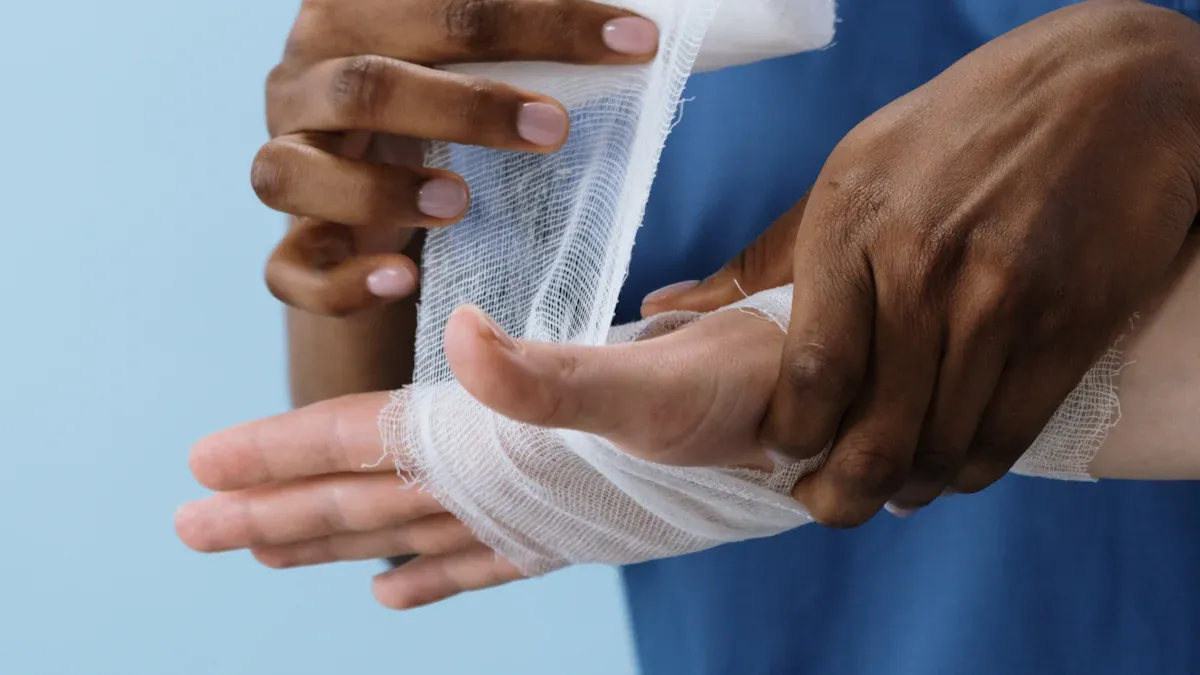
First, wash your hands before you take off the dressing. Gently lift the edges of the dressing. If it sticks, make it wet to help remove it. Peel it off slowly so it does not hurt. Always look at the wound to see if it is healing or infected. Throw away the used dressing in a safe way.
Tip: The aquacel ag dressing and other antibacterial hydrofiber dressings are good for wounds that might get infected. You can use them for wounds that need more protection.
Precautions and Best Practices
You need to follow some rules to keep your wound safe and help it heal. The table below lists important things to remember:
Precaution | Description |
|---|---|
Sterility | Make sure the pouch is not damaged or opened before use. Use each dressing only once. |
Wound Inspection | Check the wound during each change. Ask a healthcare professional if you see infection, bleeding, or no healing. |
Dressing Removal | Soak the dressing with water or saline if it is hard to remove. |
Compatibility | Do not use with oil-based products like petrolatum. |
Secondary Dressings | Use as directed for extra support. |
Movement | Be careful over joints, especially for burns. |
Supportive Measures | Use compression for venous ulcers and watch for infection. |
Other Products | Talk to a healthcare professional before mixing with other wound care products. |
Here are some best ways to use hydrofiber dressings:
Use hydrofiber dressings for wounds with lots of drainage.
Make sure the dressing does not stick to the wound.
Pick antibacterial hydrofiber or aquacel ag dressing for wounds that need infection control.
Check the wound often and change the dressing when needed.
Note: Good wound care means using the right dressing, checking your wound often, and asking for help if you see problems. This helps you heal faster and feel better.
Innovations and Future Directions
Emerging Technologies
You will see new technology changing wound care soon. Companies like SLK Medical make better products for you. Modern hydrofiber dressings use smart designs and new materials. These dressings help wounds heal faster and keep you comfortable.
Here is a table with features you might find in new hydrofiber dressings:
Feature | Description |
|---|---|
Hydrofiber® Technology | Lets the dressing hold more fluid and keeps it in place. |
Gelling Action | Makes a gel that traps fluid and bacteria, keeping the wound moist. |
Structural Integrity | Stays in shape even when wet or cut. |
Adhesive Properties | Uses soft silicone so you can move or take off the dressing easily. |
Infection Control | Stops germs and viruses from getting to the wound. |
You can take a bath without removing the dressing. | |
MRI Compatibility | Safe to use if you need an MRI scan. |
You will also see new materials and digital tools in wound care. Some dressings use hydrogels, foams, or special coatings to fight infection. Smart dressings can check your wound and send updates to your doctor. Artificial intelligence helps doctors pick the best treatment for you. These changes make wound care safer and more personal.
Personalized Wound Care
Personalized wound care means you get a dressing made for you. Hydrofiber technology helps control wound fluid and keeps the area moist. This helps your wound heal better. You can see how personalized care works in this table:
Aspect | Description |
|---|---|
Role in Exudate Management | Hydrofiber dressings control fluid to help wounds heal. |
Matching Properties | Dressings are picked to fit your wound type and needs. |
Clinical Evidence | Studies show these dressings work well for many patients. |
In the future, you may get dressings that fit your wound exactly. These dressings can help wounds heal faster and lower infection risk. Some will have layers for more comfort or longer use. Others may use digital tools to track healing and send alerts if you need help.
Hydrofiber dressings can be made for different kinds of wounds.
They help wounds heal faster by keeping them moist.
They lower the chance of infection by locking in bacteria.
Tip: New research and technology will give you more choices and better results in wound care. SLK Medical keeps making new ideas and products that put your needs first.
Hydrofiber wound dressings are a strong way to help wounds heal. They soak up fluid and change into a gel. This gel keeps the wound wet and helps stop germs. Your skin can fix itself better and you have less chance of infection. SLK Medical makes new products that help you feel good and heal well. You can look at the table below to see the main benefits:
Benefit | Description |
|---|---|
Moist Wound Environment | Keeps the wound moist for better healing and new tissue growth. |
Autolytic Debridement | Helps your body remove dead tissue naturally. |
Reduced Risk of Maceration | Stops skin from getting too wet and lowers infection risk. |
Comfort and Ease of Application | Soft, easy to use, and gentle on your skin. |
Pick smart choices for your patients by trying new wound care ideas.
FAQ
What is a hydrofiber wound dressing?
You use a hydrofiber wound dressing to help wounds heal. The fibers in the dressing turn into a soft gel when they touch wound fluid. This gel keeps the wound moist and helps your skin repair itself.
When should you choose a hydrofiber dressing?
You pick a hydrofiber dressing for wounds with moderate or heavy fluid. These dressings work well for pressure ulcers, diabetic foot ulcers, surgical wounds, and burns. Ask your healthcare provider for advice.
How often do you need to change the dressing?
You change the dressing when it looks saturated or after up to seven days. Always check your wound for signs of infection or healing. Your healthcare provider can help you decide the best schedule.
Does a hydrofiber dressing hurt when you remove it?
You feel less pain when you remove a hydrofiber dressing. The gel does not stick to the wound bed. You can lift the edges gently or moisten the dressing for easier removal.


