


You can help stop infection in chronic wounds with a foam dressing with silver. Silver is strong against bacteria, so it keeps the wound safe and aids in the healing process. Controlling infection is crucial when treating chronic wounds because it prevents complications. Advanced dressings work more effectively and help protect the skin. SLK Medical manufactures innovative wound care products that assist you and enhance patient comfort.
Key Takeaways
Silver foam dressings keep wounds safe from infection. They also help wounds heal more quickly. These dressings work well against many bacteria. They even fight strong bacteria called superbugs. You should check and change the dressing every two or three days. This helps you get the best results. Use silver dressings for chronic wounds, burns, and surgical wounds. This can help wounds heal better. Always talk to your healthcare provider for advice about wound care.
How foam dressing with silver works
Antimicrobial action
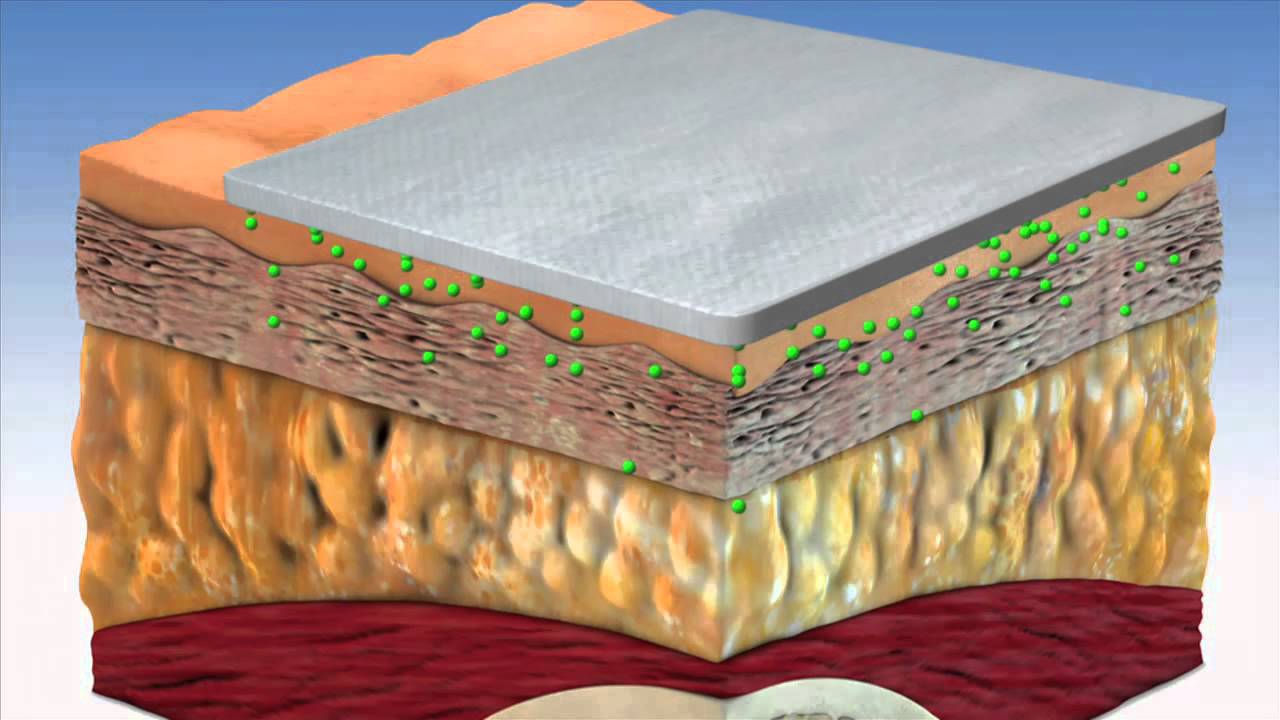
A foam dressing with silver helps keep wounds safe from infection. Silver is a strong antimicrobial. When you put the dressing on, silver ions start working fast. These ions stick to proteins inside bacteria. This changes the bacteria’s outer layer. Silver also hurts the DNA and RNA in bacteria. This stops bacteria from making more of themselves. Many types of bacteria are destroyed, even ones like MRSA that resist antibiotics.
Silver dressings make a barrier over the wound. This barrier blocks bad germs and lowers bacteria in the wound. Silver dressings fight both gram-positive and gram-negative bacteria. Lab tests show silver foam dressings work well. They kill many kinds of bacteria, even superbugs that regular antibiotics can’t treat.
SLK Medical’s Silicone Foam Ag Dressings use special technology. They send silver ions right to the wound. The foam soaks up fluid and lets out silver slowly. This keeps the wound moist and safe. The dressings have silver nanoparticles, which make them work even better. The dressing acts fast and can last up to seven days.
Tip: Pick a foam dressing with silver if you need strong infection protection. The antimicrobial action helps wounds heal faster and lowers the chance of problems.
Benefits for chronic wounds
Silver dressings give many benefits for chronic wounds. They treat infections and stop new ones from starting. Silver dressings control biofilm, which is a layer of bacteria that slows healing. They lower the number of bacteria, so your body can fix the skin.
Studies show silver dressings help wounds heal faster than regular ones. You might see new tissue in two weeks. The wound gets smaller, and there is less slough and fluid. Patients feel less pain when changing dressings. Silver foam dressings also lower exudate, so less fluid leaks out.
Here is a table that shows how silver dressings and non-silver dressings compare for chronic wounds:
Feature | Silver Dressings | Non-Silver Dressings |
|---|---|---|
Infection Control | Strong | Moderate |
Biofilm Management | Effective | Limited |
Healing Rate | Faster | Slower |
Pain at Removal | Less | More |
Exudate Reduction | High | Low |
You can trust SLK Medical’s Silicone Foam Ag Dressings for these benefits. They keep the wound moist, protect against germs, and are gentle on skin. The foam soaks up fluid and gives out silver ions, helping wounds heal quickly and safely.
Note: Silver foam dressings are great for chronic wounds that are hard to heal. You can use them for ulcers, burns, and surgical wounds. The antimicrobial barrier keeps the wound safe and helps it heal faster.
Dressings with silver nanoparticles work even better. These nanoparticles boost the antimicrobial effect and help wounds heal faster. The dressings fit the wound well, so they are comfortable and simple to use.
When to use silver foam dressings for wounds
Signs of infection
You need to watch for signs of infection when caring for wounds. Infection can slow healing and cause more problems. Look for these signs:
Redness or swelling around the wound
Warm skin near the wound
Increased pain or tenderness
Pus or cloudy drainage
Bad smell from the wound
Delayed healing or the wound getting bigger
Fever or feeling unwell
If you see any of these signs, you should consider using silver dressings. These dressings help control bacteria and lower the risk of infection. They work well for chronic wounds that do not heal quickly. You can use them as part of your treatment plan to protect the wound and support healing.
Tip: Always check the wound at each dressing change. Early action helps prevent serious problems.
Suitable wound types
You can use a foam dressing with silver for many types of wounds. Silver dressings work best for wounds that have a high risk of infection or show signs of bacteria. They are also helpful for wounds that heal slowly or have a lot of fluid.
Here are some wound types where silver dressings show strong results:
Wound Type | Outcome Description |
|---|---|
Partial-thickness burns | Effective outcomes with reduced infection rates and lower pain during dressing changes. |
Diabetic foot ulcers | High ulcer healing rate and significantly shorter healing time compared to control groups. |
You can also use silver dressings for:
Infected wounds
Chronic wounds
Burn wounds
Surgical wounds
Trauma wounds
SLK Medical offers a range of silver dressings for these wound types. You can choose the right product for ulcers, burns, surgical wounds, or trauma. Silver dressings help you manage infection, keep the wound moist, and support faster healing. They are a smart choice for chronic wound care and infection control.
Application steps for SLK Medical silver dressings

Wound preparation
Before you use a foam dressing with silver, get the wound ready. First, clean the wound and the skin around it. This helps take away dirt and some bacteria. It gives the silver dressings a better chance to stop infection. Use a gentle cleanser and dry the area by patting it. If there is dead tissue, remove it so the dressing can work better.
Evidence Component | Description |
|---|---|
Purpose of Cleansing | Cleaning is needed to stop infection and help healing. |
Techniques Used | Use gentle ways and solutions for each person. |
Zones of Cleansing | Clean the wound bed, edges, and skin around the wound. |
Tip: Careful cleaning lets the silver reach the wound and help it heal.
Dressing application
Here are the steps to put on SLK Medical’s silver dressings:
Pick a dressing that covers the wound and goes 1–2 centimeters past the edges.
Take off the film from the sticky side.
Gently put the dressing over the wound. Make sure the silicone side touches the skin.
Smooth the dressing to get rid of air bubbles and make sure it touches the skin everywhere.
Press down the edges but do not stretch the dressing.
You can use SLK Medical’s Silicone Foam Ag Dressing with Border, without Border, or non-adhesive foam sheets. Each type is good for different chronic wounds. Be gentle when you handle the dressing, especially on sensitive skin. This helps avoid pain and lets the silver work best.
Monitoring and changing
Check the wound and dressing often. Watch for signs like redness, swelling, or a bad smell. Change the dressing if it gets soaked or if you see more fluid. Most people need a new dressing every two to three days. If the wound makes a lot of fluid, you may need to change it more often.
Look at the wound and dressing every time you change it.
Change the type or how often you use silver dressings if healing slows or infection risk goes up.
Make sure the dressing stays in place to protect the wound and help it close.
Note: Checking the wound often and changing the dressing gently helps stop problems and helps the wound heal faster.
Assessing wound progress and next steps
Two-week challenge
You can use the two-week challenge to check if your wound care plan is working. This method helps you see if silver dressings are helping control infection and support healing. You start by using a silver foam dressing for two weeks. During this time, you watch for changes in the wound and how you feel.
The two-week challenge gives you a clear way to measure progress.
You can see if the silver dressing is making a difference in infection control.
This approach helps you and your care team make better choices for your health.
You should look at several outcomes during the two-week challenge. The table below shows what you can track:
Outcome Type | Description |
|---|---|
Wound Healing Progression | Measurement of how well the wound is healing. |
Quality of Life | Assessment of the patient’s overall well-being. |
Complications of Wound Care | Tracking any issues arising from wound treatment. |
Adverse Effects of Wound Care | Monitoring negative reactions to treatments. |
Tip: Write down changes you notice, such as less redness, less pain, or a smaller wound size. This record helps you and your healthcare provider decide what to do next.
When to continue or change dressing
You need to decide if you should keep using the same dressing or try something new. Use these criteria to guide your choice:
Criteria for Use of Silver Foam Dressing | Description |
|---|---|
Indication for Use | Silver dressings are best for short-term use when there is critical colonization or local infection. |
Duration of Treatment | Do not use for more than 10-15 days without seeing a positive response. |
Wound Assessment | Check the wound often to see if you still need the dressing. |
Response to Treatment | If you do not see improvement after three to five dressing changes, think about switching. |
If your wound does not get better after about four weeks, it may be chronic. At this point, you should look at your dressing choice. The dressing must protect the skin around the wound, block bacteria, and keep the wound in good condition. You may need to change to a different type of dressing if the wound is not healing or if the wound changes.
Note: Regular checks and honest records help you get the best results. Always talk to your healthcare provider before making big changes to your wound care plan.
Choosing the right polyurethane foam dressing
Key features to consider
When picking a polyurethane foam dressing, look for helpful features. These dressings are made from semipermeable polyurethane. Air can get in, but bacteria cannot. High absorbency is important. It soaks up extra fluid and keeps the wound moist. This helps new skin grow. The dressing should not stick to the wound. This makes it easy and painless to take off. Some dressings have a waterproof top layer. This keeps water and germs away. You can pick dressings with or without sticky borders. The choice depends on where the wound is.
Many foam dressings have antimicrobial agents like silver. Silver fights bacteria and lowers infection risk. The amount of silver released matters. Too much silver can slow healing. The right amount helps control bacteria and helps new tissue grow.
Here are some key features to look for:
High absorbency
Moisture retention
Thermal insulation
Protection against bacteria
Comfort for the patient
Less scarring
Tip: Always pick a dressing that matches what the wound needs. This gives the best results.
Matching SLK Medical products to wound needs
SLK Medical has different foam dressings for many wound types. Their D-Pore™ technology helps soak up fluid and lets air in. This helps wounds heal faster. Use the table below to find the best product:
Product Name | Suitable For |
|---|---|
Alexer silicone foam dressing-with border | Moderately to high exudating wounds, including diabetic foot ulcers, Ⅰ-Ⅱ degree burns, and more. |
Alexer® non adhesive foam dressing | Moderately to high exudating wounds, including diabetic foot ulcers, Ⅰ-Ⅱ degree burns, and more. |
Pick a dressing based on how much fluid the wound has. Think about infection risk and where the wound is. SLK Medical’s dressings help you care for chronic wounds with comfort and confidence.
Silver foam dressings help keep wounds safe from infection.
Picking the right product can help wounds heal quicker and hurt less.
SLK Medical has special dressings that help you care for wounds.
It is important to use the dressings the right way and check the wound often.
Remember: Always ask your healthcare provider for advice that is right for you. Making good choices for your patients helps them heal better.
FAQ
How often should you change a silver foam dressing?
You should change the dressing every two to three days. If the dressing becomes soaked or dirty, change it sooner. Always check the wound at each change.
Can you use silver foam dressings on all wounds?
You can use silver foam dressings on many wounds, such as ulcers, burns, and surgical wounds. Do not use them on dry wounds or wounds with little fluid.
Do silver foam dressings hurt when you remove them?
Silver foam dressings from SLK Medical use gentle silicone. You can remove them with less pain. The silicone layer protects your skin and helps prevent damage.
Are silver foam dressings safe for sensitive skin?
Yes, SLK Medical’s dressings are safe for sensitive skin. The silicone layer is soft and does not stick to healthy skin. You can use them on fragile or delicate areas.
How do you know if a silver dressing is working?
You may see less redness, less swelling, and a smaller wound. The wound may smell less and feel less painful. Write down changes and share them with your healthcare provider.


