


Foam border dressings help you take care of wounds better. These dressings have a soft foam layer and a gentle sticky edge. They are easy to use and feel good on your skin. Foam border dressings are important in wound care. They lower pain, stop leaks, and help wounds heal.
The foam wound dressings market is getting bigger quickly. It may reach USD 2.75 billion by 2033. The market grows at a steady rate each year.
Clinical studies show foam border dressings do not move around. They make people feel less pain. They help wounds heal faster.
Key Takeaways
Foam border dressings help wounds heal faster. They soak up fluid and keep the wound moist.
These dressings are simple to put on and take off. They do not hurt much and feel better for sensitive skin.
Foam dressings stop germs from getting in. They make a safe shield around the wound.
Pick a foam dressing that matches how wet the wound is. This helps keep the wound comfy and moist.
SLK Medical has special foam dressings. They help wounds heal and feel better. You can use them for many kinds of wounds.
Understanding Foam Border Dressings
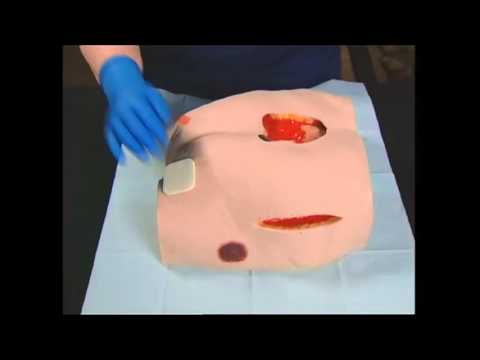
What Are Foam Border Dressings?
Foam border dressings are used in hospitals and clinics. They are special wound care products. These dressings have a soft foam center. The edge sticks to your skin. The sticky part is made from silicone or acrylic. This design makes them easy to put on and take off. You do not need extra tape. You do not need another dressing on top. Foam border dressings help with wounds that leak a lot. They keep the wound wet and safe from germs. You can use them for ulcers, burns, or after surgery. Foam border dressings help wounds heal better.
Key Features of Bordered Foam Dressings
Bordered foam dressings have many good points. The foam soaks up wound fluid and keeps it inside. This stops the skin around the wound from getting too wet. It helps the wound heal in a moist place. The border holds the dressing in place and stops leaks. You can shower or move without it falling off. The foam is soft and gives a cushion. This lowers pressure and rubbing on the wound. It helps you feel better and heal faster. Silicone borders stick gently to your skin. You can take off the dressing without hurting your skin. This is good for older people or people with sensitive skin.
Tip: Bordered foam dressings block germs and water. This lowers the chance of infection.
Here is a table that shows how foam border dressings compare to regular dressings:
Characteristic | Foam Border Dressings | Traditional Wound Dressings |
|---|---|---|
Absorbency | Soaks up a lot, good for wounds that leak | Usually does not soak up as much |
Conformity | Fits body and wound shapes well | May not fit as well |
Adhesion | Does not stick to the wound itself | Can stick to the wound |
Moisture Management | Keeps the wound moist | May not keep moisture as well |
Removal | Easy to take off without hurting skin | May hurt when removed |
Use in Ulcers | Good for ulcers that leak a lot | Use depends on the wound |
How Foam Dressings Work
Foam dressings soak up fluid from the wound. The foam keeps the wound moist, which helps it heal. The border sticks to healthy skin. This stops leaks and keeps out germs and water. The foam controls moisture so the wound does not get too dry or too wet. The silicone mesh lets you take off the dressing gently. The pad inside holds moisture and keeps the wound clean. The backing film protects the wound from germs and keeps fluid in. The sticky border keeps the dressing in place. You do not need to change foam dressings often. This saves time and money. Foam dressings work well and help wounds heal faster.
Component | Function |
|---|---|
Lets you take off the dressing gently | |
Absorbent hydrophilic pad | Soaks up fluid and keeps the wound moist |
Backing film | Blocks germs and keeps fluid in |
Adhesive border | Holds the dressing and seals the wound |
Foam dressings give you strong protection and comfort. They help wounds heal better. Foam border dressings are good for wound care and stopping infection.
Applications in Wound Care
Suitable Wound Types
Foam dressings can be used for many wounds. They work best for wounds that leak a lot. You might see them on pressure ulcers or diabetic foot ulcers. They are also used for venous leg ulcers, burns, and surgical wounds. Foam border dressings help control moisture in wounds. They keep wounds moist but not too wet. This helps wounds heal faster.
Bordered foam dressings protect wounds from germs and water. They give a strong barrier to lower infection risk. The foam soaks up fluid and keeps skin dry. This stops the skin from breaking down. Foam dressings can be used for shallow or deep wounds. They fit many shapes and sizes. You can use them on heels, sacrum, or hard-to-cover spots.
Note: Studies show foam dressings help stop pressure ulcers. One study found no pressure ulcers on heels with foam dressings. The control group had 19 cases.
Here are some wounds that do well with foam dressings:
Pressure ulcers
Diabetic foot ulcers
Venous leg ulcers
Burns (first and second degree)
Surgical wounds
Skin tears
Traumatic wounds
Clinical Uses for Foam Border Dressings
Foam border dressings are used in hospitals, clinics, and homes. They help manage wounds with moderate or heavy exudate. They keep wounds moist and lower infection risk. Foam dressings also protect healthy skin from moisture and rubbing.
You can use foam dressings as the main dressing for shallow wounds. For deeper wounds, use them with other wound care products. Foam dressings help keep wounds clean and manage biofilm. They work well for wounds up to 2cm deep with other dressings.
Here is a table that shows how foam border dressings are used:
Clinical Indication | Description |
|---|---|
Pressure Ulcer Prevention | Protects skin from moisture, shear, and friction damage |
Wound Hygiene Protocol | Used with other products to keep wounds clean |
Biofilm Management | Works as a secondary dressing when biofilm risk is high |
Primary Dressing Use | Good for shallow wounds up to 0.5cm |
Secondary Dressing Use | Effective for wounds up to 2cm deep with other dressings |
Foam dressings give strong protection and comfort. You can shower and move without worry. The foam soaks up fluid and keeps wounds moist. This helps wounds heal and lowers infection risk.
Here is another table that compares foam dressings to other wound care products:
Dressing Type | Evidence Count | Study Type | Outcome Description |
|---|---|---|---|
Mepilex Border | 80+ | 4 peer-reviewed RCTs | Effective in preventing pressure ulcers |
Mepilex® Border Sacrum | N/A | 1 prospective RCT, 3 cohort studies | Recommended for high-risk patients |
Mepilex® Heel | N/A | 2 case series | Recommended for pressure ulcer prevention |
SLK Medical Solutions for Wound Management
SLK Medical gives advanced foam dressings for wound care. The Alexer® Silicone Foam Dressing with Border helps manage wounds that leak a lot. You can use it for pressure ulcers, diabetic foot ulcers, burns, and surgical wounds. The foam soaks up fluid and keeps wounds moist. The border sticks gently and does not hurt when removed.
You can pick from different shapes and sizes. SLK Medical has dressings for heels, sacrum, and other areas. The foam edge sealing locks in fluid and stops leaks. The waterproof back protects wounds from germs and water. You can wear it for up to 7 days. This means you do not need to change it often.
SLK Medical also has the Alexer® Silicone Foam Dressing – Border Flex. This dressing uses Flex Technology for 360° stretch. It fits hard-to-cover spots and stays in place. The foam soaks up fluid and helps manage exudate. The silicone layer protects sensitive skin and lowers pain when changing dressings.
Many people like SLK Medical foam dressings. For venous leg ulcers, 44.1% rate them very good and 51.1% rate them good. For diabetic foot ulcers, 27.5% rate them very good and 69.7% rate them good. These dressings help wounds heal better and feel more comfortable.
Tip: SLK Medical foam dressings help lower infection risk and improve how dressings work. You get strong protection and support for healing.
Foam border dressings from SLK Medical have many benefits. You get better exudate management and a moist wound environment. They are gentle for sensitive skin. These products help protect wounds, manage moisture, and support healing.
Benefits of Foam Border Dressings
Moisture Control and Exudate Management
It is important for wounds to heal well. Foam dressings help control moisture. They manage exudate from wounds. The foam pulls fluid away from the wound. It keeps the skin around the wound dry. This stops the skin from getting too wet. Wet skin can break down easily. Foam border dressings work well for wounds that leak a lot. The foam absorbs fluid and keeps the wound moist. Moist wounds heal better. Foam dressings manage exudate better than other products. The foam keeps the wound at the right moisture level. It protects the skin from maceration.
Foam dressings soak up fluid straight up. This keeps the wound moist. The skin around the wound stays dry. Dry skin helps stop maceration. It also helps wounds heal.
Comfort and Skin Protection
Comfort and protection matter when using foam dressings. The foam feels soft and gentle on your skin. The silicone adhesive sticks but does not hurt when removed. The foam fits well on joints and curves. You can move easily with it on. You can shower with the dressing because it is showerproof. The foam gives a cushion. It protects your wound from rubbing and pressure.
Feature | Description |
|---|---|
The dressings are made soft for comfort. | |
Breathable Top Layer | The top layer lets air in and helps protect skin. |
Gentle Silicone Adhesive | The adhesive is gentle for sensitive or fragile skin. |
Multiway Stretch Design | The dressing stretches to fit joints and curves. |
Showerproof | You can shower with the dressing on. |
Bacterial Barrier | The dressing blocks bacteria to protect the skin. |
Easy Application and Removal | It is easy to put on and take off, so it does not hurt. |
Infection Prevention and Healing Support
You want to keep wounds safe from infection. Foam dressings protect against germs and bacteria. The foam has a waterproof backing. This seals the wound and keeps out water and bacteria. Some foam dressings use special agents like silver or PHMB. These agents help fight infection. The foam keeps the wound warm and moist. This helps wounds heal faster. The foam gives a cushion. It protects the wound from bumps and rubbing.
Foam dressings with antimicrobial agents help stop infection and heal wounds faster.
Silver foam dressings help wounds like venous leg ulcers.
Foam dressings manage exudate well. The dressing stays on longer and helps healing.
The waterproof layer keeps out water and bacteria. This lowers infection risk.
The foam protects the wound and keeps the healing area safe.
Comparing Foam Dressings to Other Options
You may wonder how foam dressings compare to other products. Foam border dressings often work better than hydrocolloid dressings for wounds that leak a lot. Foam dressings are easier to use. They manage moisture better. Studies show foam dressings help wounds heal faster sometimes. You should think about comfort and quality of life when picking a dressing. Foam dressings give many benefits. They help with exudate management, comfort, and protection.
Study Focus | Findings | Conclusion |
|---|---|---|
Foam dressings work better for exudate and are easier to use | Foam dressings may be best for wounds that leak | |
Wound Healing Rates | One study showed foam dressings helped wounds heal faster | Other studies did not show a big difference |
Patient-Centered Outcomes | Dressing choice affects comfort and life quality | Clinicians should think about comfort when choosing dressings |
Foam border dressings give strong protection, comfort, and support for healing. They help wounds that need moisture control and infection prevention.
Selection Criteria for Foam Border Dressings
Assessing Wound Needs
You should look at the wound before picking a foam dressing. First, check the edges of the wound. Pink edges mean the wound is healing. If the edges are raised or rolled, there may be a problem. Look at the skin around the wound for swelling or redness. Wet skin near the wound can mean you need a special dressing. Pain is important too. Ask about pain before, during, and after changing the dressing. Think about things like temperature, pH, and stress on the wound. You should also think about nutrition, diseases, movement, blood flow, medicines, and mental health.
Criteria | Description |
|---|---|
Advancing edges | Edges are pink, showing healing is happening. |
Not advancing edges | Edges are raised, rolled, red, or dusky, showing healing problems. |
Surrounding skin assessment | Check for swelling, redness, and wet skin around the wound. |
Pain assessment | Ask about pain before, during, and after dressing changes. |
Extrinsic factors | Think about wound care, temperature, pH, infection, and pressure on the wound. |
Intrinsic factors | Think about food, diseases, movement, blood flow, medicine, and mental health. |
Use this table to help decide what the wound needs. If you see infection or slow healing, pick a foam dressing that protects and helps healing.
Choosing by Exudate Level
Foam dressings work best when you match them to how much fluid the wound makes. If the wound leaks a lot, use a dressing that soaks up more. If the wound is dry, use a lighter foam. For wounds with a lot of fluid, change the dressing more often. This stops the dressing from getting too full and keeps the wound safe.
Pick a dressing that matches the fluid level and change it as needed.
Look for dressings that:
Soak up a lot of fluid
Stop leaks between changes
Keep fluid from soaking through
Protect skin from getting hurt
Work under pressure wraps
Stay on for a long time
Lower pain when you take it off
Feel good and fit well
Save money
Foam border dressings like SLK Medical’s Alexer® Silicone Foam Dressing with Border and Border Flex use special foam layers to manage fluid better. These dressings lock in moisture and keep skin dry. This lowers infection risk and helps wounds heal.
Dressing Type | Exudate Level | Key Features |
|---|---|---|
ActivHeal Foam Adhesive | Moderate to High | Soaks up fluid well, keeps wound moist, stops skin from getting too wet, waterproof, blocks germs. |
Mepilex Border Flex | Moderate to High | Smart fluid control, soaks up and moves fluid, good for painful and fragile skin. |
Cutimed Siltec | Low to High | Keeps wounds moist, stops skin from getting too wet, made of soft foam. |
Alexer Silicone Foam Dressing | Moderate to High | Soaks up a lot, waterproof back, soft silicone, lasts longer, fits many wounds. |
Dressings that soak up a lot and have waterproof backs give better protection and help wounds heal.
Patient Comfort and Sensitivity
You want your dressing to feel good and protect your skin. Foam dressings with silicone borders hurt less when you take them off. The soft silicone does not stick to wet skin. It stays sticky and does not dry out. You get less skin damage and more comfort. Acrylic dressings can hurt more and pull off skin. Silicone foam dressings from SLK Medical are gentle and safe for sensitive skin.
Feature | Silicone Dressings | Acrylic Dressings |
|---|---|---|
Trauma during changes | Less pain when changing dressings | More pain and skin damage when removed |
Adhesive properties | Stay sticky, do not dry out | Dry out and stick too much |
Skin integrity | Less skin pulled off, better for skin | Higher risk of skin damage |
Patient comfort | More comfort, less pain | Can be uncomfortable |
Most people say foam dressings with silicone borders feel good. You get less pain and they are easier to take off. The foam protects the skin around the wound and does not leave anything behind. You can use these dressings for weak or sensitive skin.
People feel less pain when changing foam dressings because they do not stick to the wound.
Easier removal means less pain and more comfort.
Product Features and Brand Innovations
Look for foam dressings with new features and smart designs. SLK Medical uses Flex Technology in its Border Flex dressings. This lets the foam stretch in every direction. The dressing stays on joints and moves with your body. You can wear it for up to 7 days. This gives you longer protection and fewer dressing changes.
Feature | Benefit |
|---|---|
Flex Technology | Stretches in all directions, stays on joints for 7 days. |
Extended Wear Time | Lasts longer, gives more healing time, and is more comfortable. |
Clinical Trials | Showed a 25% faster healing rate with Silicone Foam Dressing Border Flex. |
New foam dressings help wounds heal faster. In one study, five wounds closed all the way. The wound size got 51% smaller. Nurses say these dressings are easy to use and soak up fluid well. Fewer dressing changes were needed because the foam kept the wound moist longer.
Tip: Some new foam dressings have sensors to check pH, temperature, and germs. You get real-time info to help care for wounds.
Innovation Type | Benefits |
|---|---|
Silicone Foam Dressings | Help wounds heal faster, lower infection risk, and feel better for patients. |
Technological Innovations | Better adhesives, germ-fighting features, and moisture control make dressings work better. |
Smart Dressings | Sensors give real-time info about the wound, like pH, temperature, and germs. |
Biocompatible Materials | Eco-friendly, safe materials help keep patients safe. |
Dressings made for each wound size and type help healing and cut down on waste. |
SLK Medical’s foam dressings use D-Pore™ technology for better fluid control and air flow. You get strong fluid management and less risk of infection. The foam keeps the wound moist and helps healing. The silicone layer protects sensitive skin and lowers pain. You can pick from many shapes and sizes for any wound.
When picking a foam dressing, think about the wound type, fluid level, comfort, and new features. SLK Medical gives you advanced foam dressings with many benefits for wound care. You get better protection, faster healing, and dressings that work well.
Foam border dressings help you take care of wounds. They make your skin feel comfortable and safe. These dressings soak up fluid and give a soft cushion. You feel less pain when you change them. Studies show foam border dressings stop pressure ulcers. They also help save money on treatment. Pick a dressing that matches your wound and what you need. If your wound is hard to treat, ask a wound care expert for help. SLK Medical has special dressings that help wounds heal and make patients feel better.
Key Feature | Description |
|---|---|
Layer Design | Five layers help stop pressure ulcers |
Moist Environment | Soaks up fluid and keeps the wound moist for healing |
Pain Management | Less pain and skin damage when changing dressings |
Cost Effectiveness | Helps lower treatment costs |
Stops pressure ulcers up to 88% |
Foam dressings are soft and soak up fluid well.
Clean the wound, fit the dressing, put it on smoothly, and check it often.
FAQ
How do you apply a foam border dressing?
Clean the wound first. Dry the skin around it. Remove the dressing from its package. Place the foam side over the wound. Press the border gently to stick it to your skin. Make sure the dressing covers the wound completely.
How often should you change foam border dressings?
Can you shower with a foam border dressing on?
Yes, you can shower with most foam border dressings. The waterproof backing keeps water out. Avoid soaking the dressing for a long time. Pat the area dry after showering.
What types of wounds work best with foam border dressings?
Foam border dressings work best for wounds that leak fluid. You can use them for pressure ulcers, diabetic foot ulcers, burns, and surgical wounds. They help keep wounds moist and protected.
Are foam border dressings safe for sensitive skin?
Yes, foam border dressings with silicone borders are gentle on sensitive skin. They do not stick to the wound. You feel less pain when you remove them. These dressings help protect fragile skin.


