


For people with delicate or sensitive skin, non-adhesive wound dressings are often safer. The best dressing depends on your wound, your skin, and your daily habits. Picking the right dressing for your skin helps you avoid pain and irritation. SLK Medical makes non-adhesive dressings for sensitive skin and advanced wound care. You should think about comfort, irritation risk, and how easy dressings are to use. Many people have problems with adhesives:
27% of people with fragile skin have problems from adhesive dressings.
8% of these problems turn into bad infections.
Pain and irritant contact dermatitis happen the most. Non-adhesive dressings can help wounds heal better and feel more comfortable.
Key Takeaways
Non-adhesive dressings are better for sensitive skin. They help stop pain and irritation when you change them.
Pick dressings that match your wound type. Non-adhesive dressings are good for burns and ulcers. They also help with wounds that need many changes.
Watch your skin for any irritation. If adhesive dressings make your skin red or sore, use non-adhesive dressings instead. They will feel more comfortable.
Think about how often you must change dressings. Non-adhesive dressings can stay on longer. This means you do not have to change them as much.
Quick Comparison: Adhesive vs. Non-Adhesive Wound Dressing
Key Differences
There are many wound dressings in hospitals and clinics. The biggest difference is how they stick to your skin. Adhesive dressings use sticky tape or a sticky bandage. Non-adhesive dressing does not stick by itself. You need to use extra tape or a bandage to keep it on. Non-adhesive wound dressings include foam, gauze, and non-adherent dressings. These are good for people with sensitive skin. They are also helpful for wounds that need to be changed often.
Here is a table that shows what each dressing is made of and how it works:
Type of Dressing | Composition and Mechanism of Action |
|---|---|
Adhesive Dressings | Uses sticky tape or bandages, often has a sticky back. |
Non Adhesive Dressing | Has foam or gauze, needs extra tape, soaks up fluid, protects weak skin. |
Semi-permeable Film | Made of polyurethane, lets moisture and air through, helps clean wounds, good for shallow wounds. |
Semi-permeable Foam | Has layers that soak up fluid, keeps germs out, works for wounds with lots of fluid. |
Hydrogel Dressing | Made from special polymers, adds moisture, easy to take off, good for dry wounds. |
Has gel agents, keeps wounds moist, soaks up fluid, blocks germs, fits many wounds. |
Pros and Cons
You should pick dressings that fit your skin and wound. Adhesive dressings stick to your skin. They are best for small cuts and clean wounds. Non-adhesive dressing does not stick, so it comes off without pain. This makes it a good choice for weak skin, burns, or wounds with lots of fluid.
Here is a table that compares adhesive and non-adhesive dressing features:
Feature | Adhesive Sterile Dressings | Non-Adhesive Dressings |
|---|---|---|
Sticks to skin? | Yes | No |
Best for | Small cuts, scrapes | Sensitive skin, burns, wet wounds |
Removal | Can pull skin or hair | Comes off without pain |
Fixation | Sticks by itself | Needs tape or a bandage |
Use in childcare? | Quick for small wounds | Good for babies, often changed |
Allergy risk | Can cause allergies | Very low chance |
Non-adhesive dressing lets you change dressings without hurting your skin. You do not feel pain or get skin damage. Non-adhesive wound dressings are also good for wounds that need to be changed a lot. SLK Medical makes non-adhesive and silicone-based dressings. These protect sensitive skin and come off without pain. You can count on SLK Medical for good dressings for delicate skin.
Tip: If your skin is weak or you need to change dressings a lot, non-adhesive is usually safer.
Assessing Wound and Skin Type
Identifying Delicate Skin
It is important to know if your skin is delicate. Delicate skin can feel thin or tear easily. You might see redness or itching after taking off a bandage. Sometimes, you may feel pain when you remove dressings. Babies, older adults, and some people with health problems have fragile skin. If you notice small tears or bruises after using adhesive dressings, your skin could be sensitive. Look for dryness, flaking, or past allergic reactions. These signs help you pick the best wound dressing for your skin.
Tip: If adhesives bother your skin or you feel sore after changing dressings, non-adhesive dressings can help keep your skin safe.
Wound Types and Needs
Dressings should match your wound and skin type. Some wounds need more moisture. Other wounds need strong protection. Picking the right dressing helps your wound heal and keeps you comfortable. Here is a table that shows which dressings work for different wounds:
Dressing Type | Wound Types Suited |
|---|---|
Non-adherent dressings | Superficial wounds, burns, donor sites, postoperative wounds |
Hydrocolloid dressings | Pressure ulcers, diabetic foot ulcers, minor burns, abrasions, skin tears, donor sites |
Non-adherent dressings are good for burns, shallow wounds, and after surgery. These dressings do not stick to the wound, so you can take them off without pain. Hydrocolloid dressings help wounds that need moisture, like pressure ulcers or diabetic foot ulcers. These dressings keep wounds moist and block germs. Always think about how often you need to change dressings and how much fluid your wound makes. Good wound care means choosing dressings that help healing and protect your skin.
Note: If you do not know which dressing to use, ask your doctor or nurse. The right dressing can help your wound heal better.
When to Use Adhesive Dressing
Adhesive dressings are important in wound care. You can use them for small cuts and clean wounds. They stick right to your skin and keep the wound safe. You do not need extra tape or bandages. These dressings are easy to use. They work well for people who want quick protection.
Best Uses for Adhesive Dressings
Pick adhesive dressings for some situations. Here are common uses:
Small cuts or scrapes
After surgery
Clean wounds with little fluid
Places where you want less infection risk
Times when you need a dressing that stays on
Adhesive dressings help keep wounds clean and dry. They lower the chance of infection. They make you feel more comfortable. You may use these dressings for fast and safe coverage.
But adhesive dressings are not good for everyone. If your skin is fragile, you might have problems. The table below shows possible risks:
Risk/Complication | Description |
|---|---|
Pressure ulcers | Higher risk because skin is weak. |
Infection | More chance of infection if used wrong. |
Moisture-associated skin damage (MASD) | Skin can get hurt from trapped moisture. |
Medical adhesive-related skin injury (MARSI) | Skin can get hurt when dressings are pulled off. |
Weak skin can tear when removing dressings. | |
Pain | More pain and discomfort for you. |
Reduced mobility | Problems can make it hard to move. |
Poor quality of life | Your life can feel worse. |
Increased healthcare costs | Problems can make care cost more. |
If your skin is delicate, you may feel pain or get skin tears. You could even get an infection. MARSI happens when strong adhesives pull on your skin. This can let germs in and slow healing. You may feel more worry and discomfort. This can make daily life harder.
Tip: If your skin is weak or you change dressings a lot, non adhesive dressing may be safer and more comfortable.
SLK Medical Hydrocolloid Dressing
SLK Medical Hydrocolloid Dressing helps many types of wounds. You can use it for pressure ulcers, burns, scrapes, and diabetic foot ulcers. The hydrocolloid layer turns into gel when it gets wet. This keeps the wound moist and helps it heal. The dressing protects nerves and helps with pain.
The table below compares hydrocolloid dressings to other dressings:
Dressing Type | Patient Comfort | Wound Healing Rate |
|---|---|---|
Hydrocolloid Dressing | High | 4% of leg ulcers healed |
Alginate Dressing | Moderate | 31% of leg ulcers healed |
Hydrocolloid dressings are very comfortable. They help control moisture. You may feel less pain and move easier with this dressing. Studies show hydrocolloid dressings help heal pressure ulcers and burns. They also help with moisture and pain during treatment.
Evidence Type | Findings |
|---|---|
Effectiveness | Hydrocolloid dressings help heal pressure ulcers and burns. |
Pain Management | They lower pain during wound care. |
Moisture Management | Hydrocolloids help control moisture in wounds. |
Hydrocolloid dressings can help wounds heal faster. They make a barrier so you can wash without worry. In burns, hydrocolloid dressings lower pain and help you feel better.
If you want a dressing that comes off without pain, try SLK Medical Hydrocolloid Dressing. It helps wounds heal and protects your skin. You can use it for many wound care needs. It is good when you want comfort and safety.
Note: If your skin is sensitive or you change dressings often, non adhesive dressing may be better. SLK Medical also has non adhesive dressings for delicate skin.
When to Use Non-Adhesive Wound Dressing
Non-adhesive wound dressings are important for wound care. They help people with sensitive or delicate skin. These dressings do not stick to your skin. You can change them without pain or damage. Non-adhesive dressing works for burns, ulcers, and open wounds. Many people pick non-adhesive dressings to protect fragile skin. These dressings help wounds heal faster.
Best Uses for Non-Adhesive Dressing
You should use non-adhesive dressings to protect your skin. They make changing dressings easier. These dressings work in many cases:
Good for fragile or sensitive skin.
Helpful for people allergic to adhesives.
Works well for burns or grazes.
Useful for chronic wounds or ulcers.
Best for dressings that need many changes.
Non-adhesive dressings have many benefits for sensitive skin:
No glue means no pulling or pain.
Air can move through, which helps healing.
They bend and fit with many bandages.
You can use non-adhesive dressing for burns and ulcers. They help you avoid pain and skin damage. These dressings keep germs and dirt away from your wound. If you need to change your dressing often, non-adhesive is a smart choice. You can use these for different wound types, like foam dressings.
Tip: If your wound needs lots of care or your skin reacts to adhesives, non-adhesive dressings can help you heal more comfortably.
SLK Medical Non Adhesive Foam Dressing
SLK Medical Non Adhesive Foam Dressing gives gentle care for sensitive skin. This dressing does not stick, so you can take it off easily. It absorbs fluid and keeps the wound moist. This helps your wound heal. The soft material fits your body and stops skin tearing. The top layer keeps germs and dirt out but lets your skin breathe.
Key features of SLK Medical Non Adhesive Foam Dressing:
No sticking means less pain when you remove it.
It absorbs fluid and keeps moisture balanced.
Soft and flexible material gives comfort and stops skin tearing.
The top layer protects from germs and dirt but lets air in.
You can use this dressing for burns, ulcers, and open wounds. It works for wounds after surgery, pressure ulcers, diabetic foot ulcers, and venous leg ulcers. You can also use it for skin tears. The dressing fits many shapes and sizes. You can cut it to fit your wound. You can wear it up to seven days, so you change dressings less often.
Note: SLK Medical Non Adhesive Foam Dressing is a good choice for ulcers, burns, or wounds that need gentle care.
SLK Medical Super Absorbent Dressing Non Adherent
If your wound has a lot of fluid, SLK Medical Super Absorbent Dressing Non Adherent gives strong protection. This dressing absorbs much more fluid than regular non-adhesive dressings. You feel less pain when you change it. Healing is better with this dressing.
Here is a table that shows how SLK Medical Super Absorbent Dressing Non Adherent compares to regular non-adhesive dressings:
Feature | SLK Medical Super Absorbent Dressing | Standard Non-Adhesive Dressing |
|---|---|---|
Exudate Management | Superior | Moderate |
Frequency of Change | Less frequent | More frequent |
Pain Reduction | Significant | Minimal |
Overall Healing Outcomes | Improved | Standard |
You can use this dressing for ulcers, burns, and open wounds with lots of fluid. The soft layer does not stick to your wound. You feel less pain when you change it. The absorbent core holds a lot of fluid, so you change dressings less often. The dressing fits your body and helps stop leaks and skin damage.
You can trust SLK Medical Super Absorbent Dressing Non Adherent for wounds that need extra absorption and gentle care. This dressing keeps the wound moist and helps you heal faster.
Tip: If your wound leaks a lot or you want fewer dressing changes, try SLK Medical Super Absorbent Dressing Non Adherent.
Non-adhesive wound dressings give comfort, protection, and better healing. You can use them for many wounds, especially if your skin is sensitive or you need to change dressings often.
Silicone and Non-Adherent Solutions for Sensitive Skin
SLK Medical Silicone Wound Contact Layer
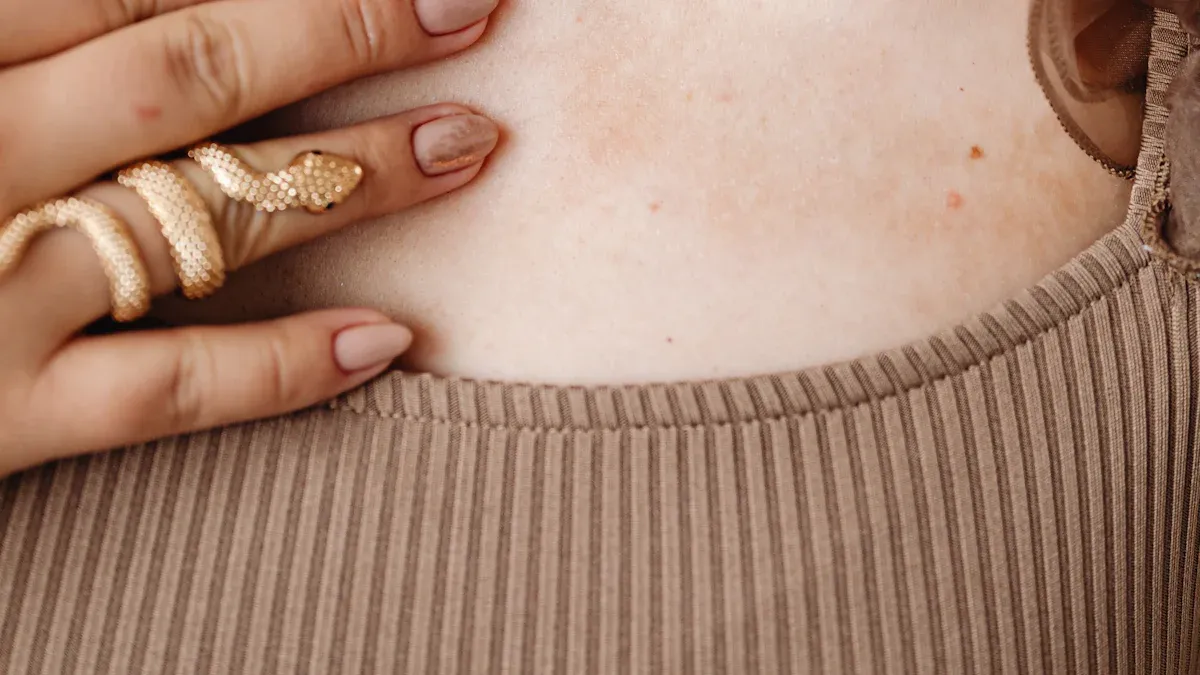
You need a dressing that keeps your wound safe and feels soft. The SLK Medical Silicone Wound Contact Layer gives you comfort. This non adhesive dressing uses soft silicone to make a gentle shield. It does not stick to your wound, so taking it off does not hurt. You can use this non adhesive dressing for skin tears, ulcers, scrapes, and grafts. The flexible shape helps you cover tricky spots. You can also add another non adhesive dressing for more soaking up.
The SLK Medical Silicone Wound Contact Layer is special because it:
Lets you look at your wound without taking off the whole thing.
Keeps the wound moist, which helps it heal.
Means you do not need to change dressings as much.
Protects weak skin from getting hurt.
Makes changing dressings easier and less scary.
You can trust this non adhesive dressing to keep your wound safe and your skin healthy. The gentle design means you feel less pain and do not get skin tears. Many people with sensitive skin pick this non adhesive dressing for daily care.
Benefits for Fragile Skin
If your skin is fragile, you know gentle care matters. Non adhesive dressing and non adherent dressing help you avoid pain and skin damage. Silicone dressings give you many good things:
They help people with sensitive skin feel better.
They keep the right moisture, so your skin does not get too wet.
You can check your wound without moving the dressing.
You do not have to change dressings as much.
Studies show non adhesive dressing and non adherent dressing lower the chance of skin damage. In one study, people with fragile skin had no redness or injury after using silicone dressings for seven days. Most people said they felt little pain when changing dressings. Silicone dressings have a soft, non-adherent layer that keeps your skin safe. The smooth silicone helps stop skin damage.
You can use non adhesive dressing and non adherent dressing for kids, older adults, or anyone with sensitive skin. These dressings help wounds heal faster and make daily care easier.
Tip: Pick non adhesive dressing if you want gentle, helpful wound care for fragile skin.
Key Considerations for Dressing Choice
Frequency of Changes
Think about how often you need to change your dressing. Changing dressings at the right time helps wounds heal. It also keeps you feeling good. If you change dressings every 48 hours after surgery, you lower your chance of infection. You will also feel more comfortable. If you wait too long to change a dressing, you might get an infection. Changing dressings often helps clean the wound and gets rid of germs.
Here is a table that shows how timing affects healing and comfort:
Dressing Change Timing | Impact on Wound Healing and Comfort |
|---|---|
Every 48 hours after surgery | Lowers infection risk, improves comfort |
Late changes | Raises infection risk |
Regular changes | Cleans wound, lowers bacteria, helps healing |
You may feel better if you do not have to change dressings all the time. Some dressings, like SLK Medical Non Adhesive Foam Dressing, can stay on for up to seven days. This means you do not have to change them as much. You will feel less worried.
Tip: Ask your nurse or doctor how often to change your dressings for the best care.
Skin Irritation Risk
You should keep your skin safe from getting irritated. Some dressings with adhesives can cause allergies or make your skin red. Non-adhesive dressings lower this risk and help your skin stay healthy. Some adhesives can cause allergies in up to 17.5% of people. Non-adhesive dressings are much safer for people with sensitive skin.
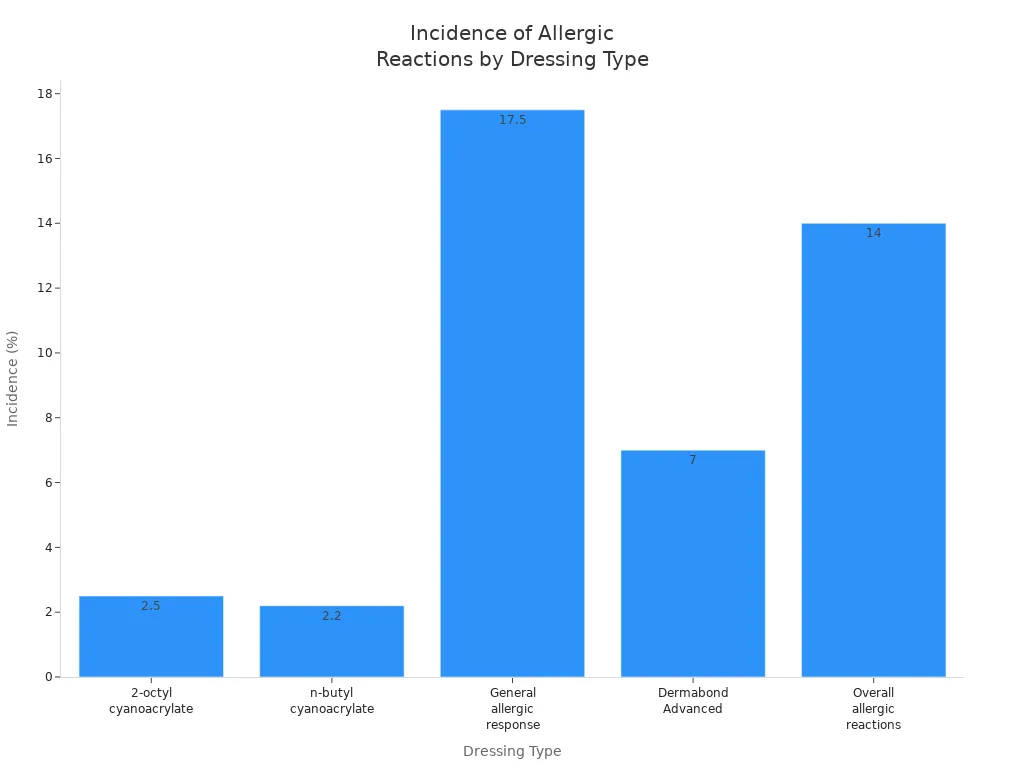
Here is a table that shows how often allergies happen with different dressings:
Dressing Type | |
|---|---|
2-octyl cyanoacrylate | 2.5% |
n-butyl cyanoacrylate | 2.2% |
Dermabond Advanced | 7% |
General allergic response | Up to 17.5% |
If you want to take off your dressing without pain and lower your chance of skin problems, non-adhesive dressings are a good choice.
Sterility and Ease of Use
You want dressings that are clean and simple to use, especially at home. Many dressings come in sterile packs to keep you safe. You should only use each dressing once to stop germs from spreading. Non-adhesive dressings do not stick to your wound, so you can take them off without pain. They also protect weak skin and do not leave sticky stuff behind.
Here are some things to look for in dressings for home care:
Sterile or non-sterile packs for cleanliness
Single-use design for safety
Easy to take off for less pain
No sticky mess left behind
Good for many kinds of wounds
Non-adhesive dressings make it easier for you and your family to care for wounds. They help you keep wounds clean and help them heal.
Note: Pick dressings that are comfortable, safe, and easy to use at home.
Real-Life Scenarios
Elderly with Fragile Skin
Think about caring for an older person with weak skin. Sometimes, regular dressings leave red spots or small cuts when you take them off. An 82-year-old woman with diabetes had this problem. Her skin got sore and hurt from adhesive dressings. Her care team tried silicone-based dressings instead. The soft silicone layer kept her skin safe and let her change dressings less often. You can use SLK Medical Silicone Wound Contact Layer or Non Adhesive Foam Dressing in these cases. These dressings stop more skin damage and keep the wound wet, which helps it heal.
Child with Sensitive Skin
Kids have skin that is more sensitive than adults. If you use the wrong dressing, you might see blisters or cuts. Kids may not always say when something hurts, so you need to pick gentle dressings. The table below shows how dressings work for kids and adults:
Dressing Type | Adults | |
|---|---|---|
Wet-to-dry gauze | Hurts, can harm skin | Can cause injury |
Occlusive dressings | Hurts less, helps wounds heal | Works for many wounds |
Hydrogels | Soft, keeps skin wet | Good for keeping skin moist |
Specialized dressings | Fewer changes, better healing | May need to be changed |
You should not use strong adhesives and should pick dressings that do not stick. SLK Medical Non Adhesive Foam Dressing is a smart pick for kids. It keeps their skin safe and makes changing dressings easier.
Post-Surgical Care
After surgery, you want to keep the wound safe and help it heal. The right dressing can help a lot. Experts say to use dressings that stay on, soak up fluid, and do not need to be changed too much. You should pick dressings that last five days or more. SLK Medical Super Absorbent Dressing Non Adherent is good for surgical wounds. It soaks up fluid and means you do not have to change it often. Always look for signs of infection or if the dressing is not working, and change it if you need to.
Tip: Picking the right dressing for each case helps you heal faster and keeps your skin safe.
Dressing Selection Checklist
Picking the right dressings helps you heal faster. It also keeps you comfortable. Use this checklist to help you choose, especially if your skin is delicate. SLK Medical has dressings for fragile skin. You can feel sure about your choice.
Step-by-Step Guide
Follow these steps to use dressings safely:
Assess the Wound
Look at your wound. Is it bleeding or leaking? Is it dry? Check for redness or swelling.Clean the Wound Properly
Wash your hands first. Rinse the wound with clean water. Use a gentle antiseptic if you need it.Choose the Right Dressing
Pick dressings for your wound type and skin. If your wound is moist or your skin is fragile, non-adhesive dressings work well. Try SLK Medical Non Adhesive Foam Dressing or Silicone Wound Contact Layer.Apply and Secure the Dressing
Put the dressing gently on the wound. If it is non-adhesive, use tape or a bandage.Monitor and Change Regularly
Check your wound every day. Change the dressing when it gets wet or dirty.
Tip: Non-adhesive dressings help you avoid pain and skin damage when you change them.
Questions to Ask
Ask these questions before you pick a dressing:
What kind of wound do you have?
Is it a burn, ulcer, or scrape? Does it leak fluid or stay dry?Do you have sensitive skin or allergies?
If yes, pick dressings without strong adhesives.How often will you change the dressing?
If you need to change it a lot, non-adhesive dressings are better.Does the dressing keep the wound moist and safe?
Hydrocolloid and foam dressings help keep moisture and protect the wound.Can you watch for irritation or allergies?
Change where you put adhesives and use barrier wipes if you need them.
Key Factor | Description |
|---|---|
Assess the Wound and Skin Type | Check how wet the wound is, how deep it is, and where it is. Think about diabetes or allergies. |
Choose Products with Skin-Friendly Adhesives | Use gentle medical tape or dressings that do not hurt skin. |
Prioritize Moisture Balance | Hydrocolloid and foam dressings help keep the right amount of moisture. |
Monitor for Allergic Reactions or Irritation | Change adhesive spots and use barrier wipes to protect skin. |
Note: SLK Medical dressings help protect delicate skin and support healing.
You should pick dressings that fit your wound and skin. Non adhesive dressing is best for delicate or sensitive skin. Using non-adhesive wound dressings helps you avoid pain. Your skin will not get hurt when you use them. SLK Medical has many non-adhesive, non adhesive dressing, and non adherent dressing choices for fragile skin. Silicone-based non adhesive dressing is gentle to take off and keeps your skin safe. Non-adhesive dressings help wounds heal better and feel more comfortable. Studies show the right non adhesive dressing helps wounds heal faster and lowers pain. If you are not sure what to use, ask a healthcare professional for advice. The table below shows when to use each dressing type:
Dressing Type | When to Use It | Pros | Cons |
|---|---|---|---|
Gauze Wound Dressings | Minor wounds, cuts, or abrasions | Cheap, easy to find, simple to use | Needs many changes, may stick to wound |
Foam Dressings | Wounds with moderate to heavy exudate, ulcers | Soaks up fluid well, soft padding | Not good for dry wounds, can cost more |
Hydrocolloid Dressings | Partial-thickness wounds, burns, minor pressure ulcers | Keeps wound moist, blocks germs | Not for heavy fluid, hard to check wound |
Transparent Film Dressings | Superficial wounds or as a secondary dressing | You can see the wound, keeps germs out | Does not soak up fluid, may hurt skin |
Hydrogel Dressings | Dry or necrotic wounds, burns, pressure ulcers | Keeps wound moist, less pain | Does not soak up much, needs another dressing |
Alginate Dressings | Wounds with heavy exudate and partial/full-thickness wounds | Soaks up a lot, fits odd shapes | Not for dry wounds, needs another dressing |
Antimicrobial Dressings | Chronic wounds, infected wounds, high-risk wounds | Fights infection, comes in many types | Can cost more, may bother skin |
Silicone-based non adhesive dressing is gentle to remove and helps stop skin damage.
Non-adhesive dressings are made for comfort and better healing for sensitive skin.
Very absorbent non adhesive dressing keeps wounds moist and helps them heal.
You can make wound care easier and feel better by picking non-adhesive, non adhesive dressing, or non adherent dressing. Always think about your comfort and skin health first.
FAQ
What is the difference between adhesive and non-adhesive wound dressings?
Adhesive dressings stick to your skin. Non-adhesive dressings do not stick. You need tape or a bandage to hold non-adhesive dressings in place.
When should you choose a non-adhesive dressing?
You should use non-adhesive dressings if your skin is sensitive or fragile. These dressings help you avoid pain and skin damage when you change them.
Can you shower with SLK Medical Non Adhesive Foam Dressing?
Yes, you can shower with this dressing. The waterproof layer keeps your wound dry and safe while you wash.
How often should you change your wound dressing?
You should check your wound every day. Change the dressing when it gets wet, dirty, or as your doctor tells you.
Are SLK Medical dressings safe for children and elderly people?
Yes, SLK Medical dressings are gentle. They work well for children and older adults with sensitive skin.


