


You may feel nervous about staying clean when you have a wound. A waterproof wound dressing for showering allows you to shower while keeping the area safe. It helps you maintain cleanliness after surgery. Studies show that waterproof dressings lower the risk of infection. They enable you to shower as usual, which keeps your skin clean and aids in healing. By following the right steps, you can avoid complications and feel confident about your recovery. SLK Medical provides you with smart solutions to stay safe and comfortable during your healing process.
Key Takeaways
Use waterproof wound dressings to keep your wound safe and dry while showering. This helps prevent infections and supports healing.
Good hygiene is crucial for wound care. Always wash your hands before touching your wound and check for signs of infection after showering.
Follow your doctor’s advice on when to start showering after surgery. Waiting too long can make it hard to stay clean, but showering too soon can harm your wound.
Apply the dressing correctly to create a strong seal. This prevents water and germs from entering and helps your wound heal faster.
Regularly check your dressing for leaks or movement. This ensures your wound stays protected and reduces the risk of complications.
Why Hygiene Matters in Wound Care
Infection Prevention During Recovery
You help keep your wound safe as it heals. Good hygiene is the first step to stop infection. Bacteria and fungi can get into wounds from many places. You could get a cut while cleaning a fish tank. You might step on something sharp outside. After surgery, bacteria from your skin can still cause trouble. The most common germs are Staphylococcus, Streptococcus, MRSA, and Clostridium. Fungi like Candida and Aspergillus can also get into wounds.
Medical studies show that clean wounds heal faster. You can see the results in the table below:
Study/Source | Findings | Impact on Wound Healing |
|---|---|---|
Wound Hygiene Practices | Less germs in wounds and faster healing | Good hygiene helps wounds heal |
2024 Prospective Analysis | 94% of wounds got better or healed | Strong proof that hygiene works |
When you use good hygiene, you lower the chance of infection. This helps your body heal.
Risks of Poor Hygiene
If you do not keep your wound clean, infection is more likely. Germs can get in through small cuts or scrapes. Chronic wound infections happen when bacteria stay in a wound too long. This can slow healing and cause pain or swelling.
Tip: Always check your wound and dressing after you shower. Watch for redness, swelling, or anything that looks different.
Poor hygiene can cause big problems. You may need more doctor visits or even another surgery. By stopping infection, you keep yourself healthy and help your body recover.
How Waterproof Wound Dressing for Showering Works
Protective Features of SLK Medical Dressings
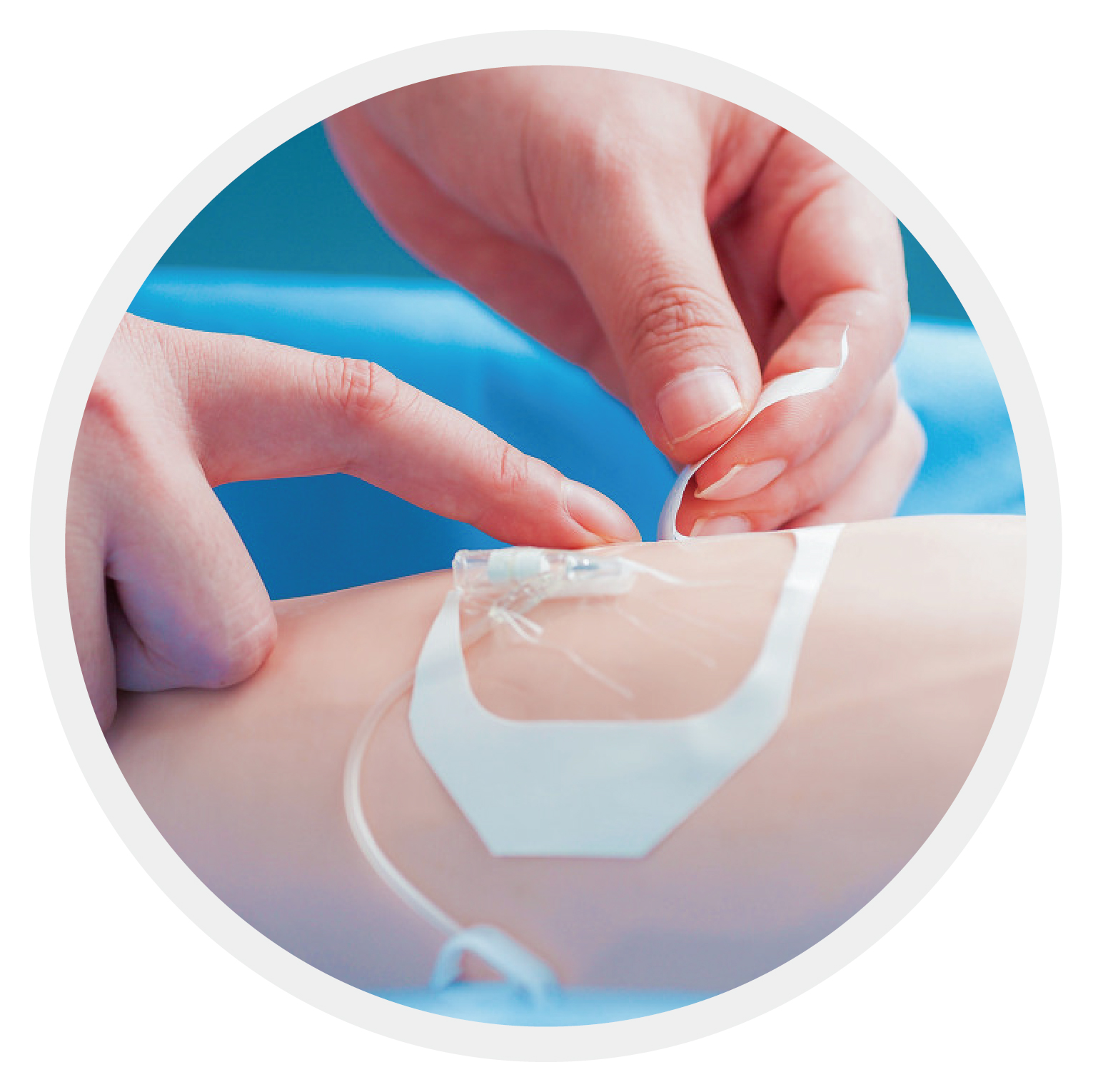
You want your wound to stay safe while you shower. SLK Medical designs dressings that protect your skin and help you heal. The waterproof wound dressing for showering uses advanced layers to keep water out. The outer layer blocks water and bacteria. The inner layer absorbs fluid from your wound. You get a gentle silicone contact layer that feels soft and does not stick harshly to your skin. This helps you avoid pain when you change the dressing.
SLK Medical dressings fit many wound shapes. You can use them on your arm, leg, or even tricky spots like your heel. The waterproof wound dressing for showering stays in place, even when you move. You do not need to worry about the dressing slipping off during your shower.
Note: SLK Medical dressings use special technology to lock in moisture and keep germs away. You get a clean and safe healing space.
Barrier Against Water and Bacteria
You need a strong barrier to keep your wound clean. The waterproof wound dressing for showering gives you that shield. Studies show that waterproof dressings protect wounds from water damage. They also help wounds heal faster. Innovations in these dressings make sure they fit your wound shape and block water and bacteria.
Waterproof dressings keep water out during showering.
They form a tight seal around your wound.
The dressings stop bacteria from getting inside.
A clinical study looked at how well these dressings work. Researchers found that both antimicrobial and non-antimicrobial dressings prevent bacteria from passing through when you apply them correctly. Out of 151 patients, only 13.1% had bacteria inside the dressing. This means the waterproof wound dressing for showering gives you a strong barrier against germs.
You can trust SLK Medical dressings to keep your wound dry and safe. You get peace of mind every time you shower.
Early Postoperative Showering and Wound Care
When to Start Showering After Surgery
You might not know when you can shower after surgery. Doctors usually say to keep your wound covered for 48 hours. This helps your skin begin healing. Early postoperative showering helps you feel fresh and comfortable. Always ask your doctor before you shower. Some wounds need more time to close up. Showering too soon can bother your wound. Waiting two or three days before showering can stop problems. But waiting too long can make it hard to stay clean. Always listen to your doctor’s advice about showering after surgery. If you see redness, swelling, or drainage, wait and talk to your doctor.
Tip: Use a waterproof dressing when you shower after surgery. This keeps your wound safe from water and germs.
Choosing the Right SLK Medical Dressing
You need the best dressing for showering after surgery. SLK Medical has many choices to protect your wound. The Silicone Foam Dressing Composite Type – Pink Color is great for showering after surgery. It stays on and blocks water. The Non Adhesive Foam Dressing is also good for wound care. You can cut it to fit your wound. It is soft on your skin. The Hydrocolloid Dressing is thin and bends easily. It is simple to use for showering after surgery. It keeps your wound moist and helps it heal. The Transparent Dressing lets you see your wound without removing it. This helps you check your wound for changes after showering. All these SLK Medical dressings help you shower safely after surgery. You can feel sure your wound is protected.
Step-by-Step Guide: Showering with Waterproof Dressings
Preparing the Wound and Dressing
You want to make sure your wound is ready before showering. This helps you lower the risk of postoperative wound infections and keeps your healing on track. Follow these steps for safety and better postoperative care:
Wash your hands with soap and water or use hand sanitizer. Clean hands help prevent germs from getting into your wound.
Rinse your wound gently with clear, running water. This removes dirt and debris and creates a cleaner healing space.
Use a clean, sterile, nonstick bandage if your wound is open. This protects the area from germs and supports healing.
Choose a waterproof dressing from SLK Medical. These dressings keep water out and help you shower safely.
Cover the wound completely. If you do not have a waterproof dressing, use plastic wrap or another waterproof barrier.
Pick showers instead of baths. Showers let water flow off your body and do not soak your wound.
Avoid soaking your wound. Stay away from tubs, pools, or hot tubs to prevent bacteria from entering.
Do not rub or scrub the wound area. Avoid putting soap directly on the wound.
Tip: Preparing your wound before showering helps you avoid postoperative wound infections and supports your safety during recovery.
Applying SLK Medical Waterproof Dressings
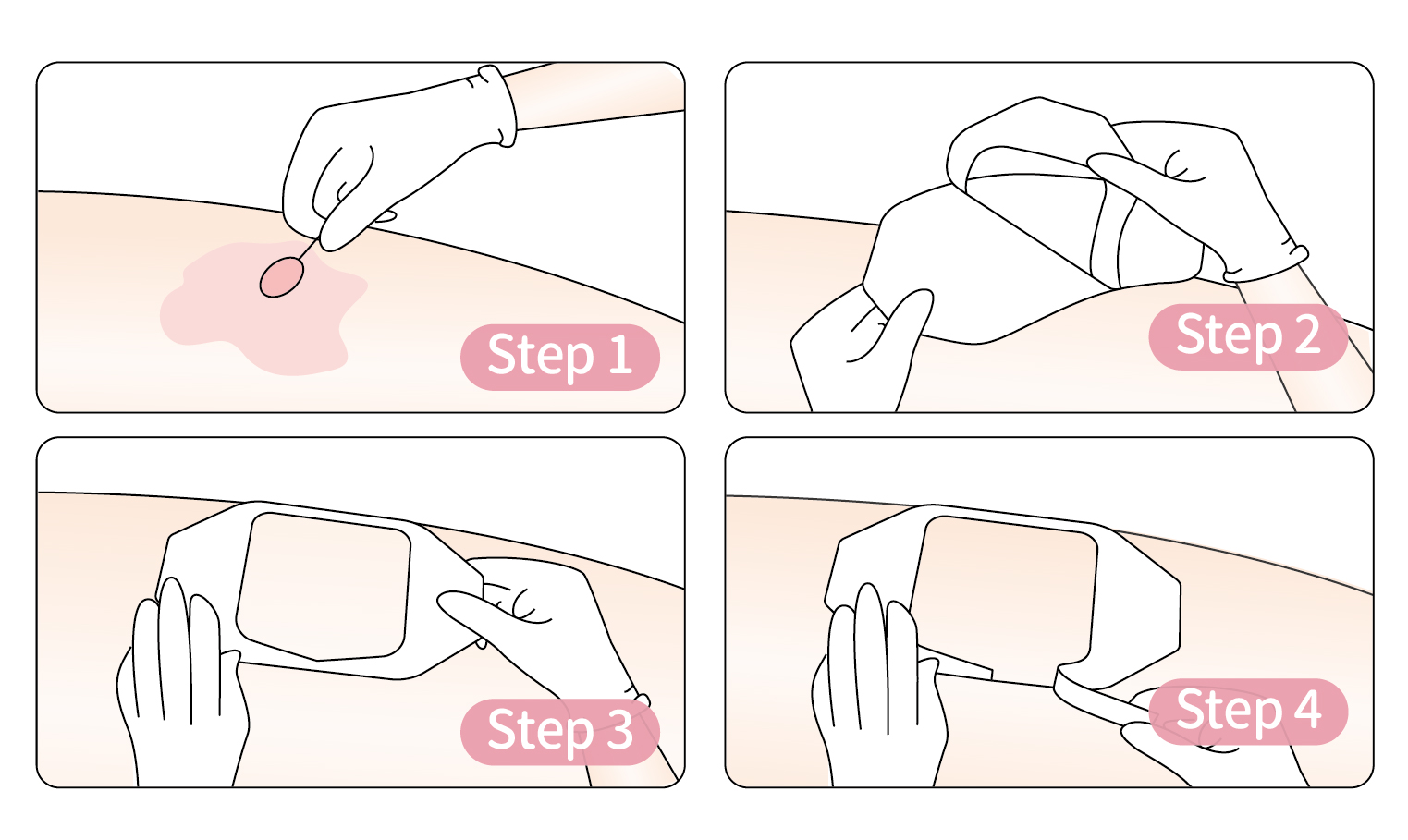
You need to apply your SLK Medical waterproof dressing the right way before showering. This step is important for safety and effective postoperative care. Here is how you do it:
Clean and dry the wound area with a mild antiseptic or saline solution. Gently pat the skin dry.
Pick the correct size and type of SLK Medical waterproof dressing. Make sure it covers the wound with at least a 1-inch margin of healthy skin.
Place the dressing over the wound. Press down gently to seal all the edges.
Check for air bubbles or gaps. Smooth them out or replace the dressing if needed.
Note: A secure seal keeps water out during showering and helps prevent postoperative wound infections.
Safe Showering Tips
You want to keep your wound safe while showering. Use these tips to protect your wound and improve your postoperative care:
Avoid soaking your wound. Stand under the shower so water flows off your body.
Use gentle water flow. Do not let strong streams hit your wound directly.
Do not scrub the wound area. Wash around the dressing but keep soap away from the wound.
Secure the dressing with extra protection if needed. You can use a plastic bag or waterproof tape for added safety.
If your wound is on your hand, wear a plastic glove and seal it with waterproof tape.
If you do not have a plastic bag, use cling wrap or a clean rubbish bag.
Choose specialized products designed for showering with wounds. SLK Medical dressings are made for this purpose.
Check the dressing before and after showering to make sure it stays in place.
Alert: Always check your dressing for leaks or movement after showering. This helps you avoid postoperative wound infections and keeps your safety a priority.
After-Shower Wound Check
After showering, you need to check your wound and dressing. This step is important for safety and good postoperative care. Follow these steps:
Wash your hands with soap and warm water before touching your wound.
Put on non-sterile gloves if you need to change the dressing.
Carefully remove tape and the old dressing. If it sticks, wet it with warm water to loosen it.
Remove any gauze pads or packing tape from inside your wound.
Place all used materials in a plastic bag and set it aside.
Put on a new pair of gloves.
Use a clean, soft washcloth to gently clean your wound with warm water and soap.
Rinse your wound with water. Pat it dry with a clean towel.
Check your wound for redness, swelling, or a bad odor. These signs may mean you need to contact your doctor.
Remove gloves and put them in the plastic bag with the old dressing.
Wash your hands again.
Put on new gloves if you need to apply a new dressing.
Pour saline into a clean bowl and soak gauze pads or packing tape.
Squeeze out extra saline and place the gauze in your wound.
Cover the wound with a large dry dressing pad. Use tape or rolled gauze to hold it in place.
Dispose of all used supplies in a sealed plastic bag and put it in the trash.
Wash your hands when finished.
Tip: Always check your dressing for leaks or displacement after showering. This helps you maintain safety and lowers the risk of postoperative wound infections.
You can shower safely with SLK Medical waterproof dressings. Following these steps helps you protect your wound, avoid postoperative wound infections, and support your postoperative care. You stay clean and comfortable during recovery.
Common Mistakes in Post-Surgery Wound Care
Using Non-Waterproof Dressings
You might think any dressing will protect your wound in the shower. This is not true. Non-waterproof dressings can cause problems when they get wet. Water can make the dressing lose its stickiness. Germs and dirt can get inside and touch your wound. This raises your risk of infection and slows healing. You may also notice skin irritation or redness if the dressing gets wet.
Here is a table that shows the risks of using non-waterproof dressings during showering:
Risk Type | Description |
|---|---|
Compromised Adherence | The dressing may not stick well after getting wet. |
Introduction of Contaminants | Water can bring germs to your wound. |
Loss of Sterile Barrier | The dressing may not protect your wound if it gets wet. |
Skin Irritation | Wet dressings can cause itching or rashes. |
Waterproof dressings, like those from SLK Medical, help you avoid these problems. They keep your wound dry and safe, even during a shower.
Not Sealing Edges Properly
You need to seal the edges of your dressing well. If you leave gaps, germs and water can get in. This can lead to early signs of infection, such as redness, swelling, or pain. A good seal keeps your wound clean and helps your body heal. You support your recovery by making sure the dressing sticks to your skin all the way around.
Sealing the edges creates a barrier against bacteria.
You help your body heal faster when you keep the wound protected.
Always check for early signs of infection after showering, like warmth or pus.
If you see any early signs of infection, call your doctor right away.
Showering Too Soon
You may want to shower soon after surgery. This can be risky if your wound is not ready. Showering too early can make your wound soft and slow down healing. The dressing may not stay in place if it gets wet too soon. Some doctors suggest sponge baths until your wound closes.
Early showering can cause wound maceration and dressing problems.
You may see early signs of infection if your wound gets too wet.
Studies show that showering does not always raise the risk of infection, but you should still follow your doctor’s advice.
If you notice your dressing is loose or your wound looks different, stop showering and talk to your healthcare provider.
When to Seek Medical Advice
Signs of Infection
You need to watch your wound closely after every shower. Infection can happen even if you use a waterproof wound dressing for showering. Infection is a serious problem. Infection can slow healing and raise your risk of surgical site infections. You must know the signs of infection to lower your infection risk. Infection can start small and get worse quickly. Infection can cause pain and swelling. Infection can make your wound look red or feel hot. Infection can also cause pus or a bad smell. Infection can make you feel sick or give you a fever. Infection can lead to surgical site infections if you do not act fast.
Here is a table to help you spot the signs of infection:
Signs of Infection |
|---|
Pus or drainage |
Bad smell coming from the wound |
Fever, chills |
Hot to touch |
Redness |
Pain or sore to touch |
You should also look for these signs of infection:
Heat in the surgical area when touched
Worsening pain when you touch the wound
Abnormal drainage that gets worse over time
If you see any of these signs of infection, call your doctor right away. Infection can get worse if you wait. Infection risk is higher if you have diabetes or a weak immune system. Infection can lead to surgical site infections if you do not get help. Infection can spread to other parts of your body. Infection can make you feel tired or weak. Infection can cause chills or fever. Infection can make your wound heal slowly. Infection can cause more pain. Infection can make your wound look swollen or red. Infection can make your wound smell bad. Infection can cause pus to leak out. Infection can make your wound feel hot. Infection can cause surgical site infections. Infection can put you at risk for more problems. Infection can make you need more medicine. Infection can make you stay in the hospital longer. Infection can make you miss school or work. Infection can make you feel scared. Infection can make your family worry. Infection can be dangerous. Infection can be stopped if you act fast. Infection can be treated by your doctor. Infection can go away with the right care. Infection can be prevented if you use good hygiene. Infection can be avoided if you use a waterproof wound dressing for showering. Infection can be managed if you check your wound every day. Infection can be caught early if you know what to look for. Infection can be stopped before it gets worse. Infection can be controlled if you follow your doctor’s advice. Infection can be a big problem, but you can lower your infection risk.
Dressing Failure or Wound Complications
You must check your waterproof wound dressing for showering every day. Dressing failure can raise your infection risk. Dressing failure can let water or germs get into your wound. Dressing failure can cause infection or surgical site infections. Dressing failure can make your wound heal slowly. Dressing failure can cause pain or swelling. Dressing failure can make your wound look red or feel hot. Dressing failure can cause pus or a bad smell. Dressing failure can lead to infection risk. Dressing failure can make you need more doctor visits. Dressing failure can make you feel worried.
If you see any of these problems, you should act fast:
The dressing is loose or not sticking well
The dressing has leaks or water inside
The dressing is dirty or smells bad
The dressing has blood or pus under it
The dressing causes itching or a rash
The dressing does not cover the wound fully
You should also watch for wound complications. Wound complications can raise your infection risk. Wound complications can cause surgical site infections. Wound complications can make your wound heal slowly. Wound complications can cause pain or swelling. Wound complications can make your wound look red or feel hot. Wound complications can cause pus or a bad smell. Wound complications can make you feel sick or give you a fever. Wound complications can lead to infection risk.
If you notice any of these problems, call your doctor right away. You should wash your hands before touching your wound or changing your dressing. You should use a new waterproof wound dressing for showering if the old one fails. You should tell your doctor if you have pain that does not go away. You should ask your doctor if you need a special dressing for infection. You should keep your wound clean to lower your infection risk. You should follow your doctor’s advice to avoid surgical site infections. You should check your wound every day for signs of infection. You should act fast if you see any problems. You can lower your infection risk by using good hygiene and the right dressing. You can avoid surgical site infections if you get help early.
Tip: Infection can be serious. Infection can be stopped if you act fast. Infection can be prevented if you use a waterproof wound dressing for showering and check your wound every day.
You keep your wound clean by caring for it every day. SLK Medical waterproof wound dressings help block water and stop germs. This lowers your chance of getting post-surgical infections. These dressings let you shower without worrying about your wound. They are an important part of your wound care plan. The table below explains how these dressings help you:
Benefit | Description |
|---|---|
Antimicrobial Action | Silver ions kill bacteria and stop infection for up to seven days. |
Moisture Maintenance | The dressing keeps your wound moist, which helps it heal. |
Waterproof Backing | The waterproof layer keeps out water and germs, so you can shower safely. |
Reduced Dressing Changes | You do not need to change the dressing as often, which saves money and feels better. |
Infection Prevention | Bacteria go down by over 95% in four hours of use. |
You keep water away from your wound, which helps stop post-surgical infections.
You heal faster and feel better when you care for your wound the right way.
You save money by needing fewer hospital visits and dressing changes.
Watch your wound for any changes. Tell your doctor if you see signs of infection. Using good wound care products and keeping your wound clean helps you recover safely.
FAQ
How do waterproof dressings help with wound care during showering?
Waterproof dressings keep your wound dry and safe. You protect your wound from water and germs. This helps you follow good wound care and supports healing after postoperative procedures.
When should you change your waterproof wound dressing?
You should change your dressing if it gets wet, loose, or dirty. Always follow your doctor’s advice for postoperative wound care. Regular changes help with prevention of infection and keep your wound healthy.
Can you use SLK Medical dressings for all types of wounds?
You can use SLK Medical dressings for many wounds. These dressings work well for postoperative wounds, burns, ulcers, and cuts. You get strong protection and support for wound care and prevention.
What signs show your wound needs medical attention?
You should watch for redness, swelling, pus, or pain. These signs mean your wound may have an infection. Quick action helps with prevention and keeps your postoperative wound care on track.
Why is wound care important after surgery?
Wound care helps you heal faster and lowers your risk of infection. You keep your wound clean and dry. Good wound care is key for postoperative recovery and prevention of complications.


