


You can use silicone foam dressing on many kinds of wounds. These include pressure injuries, diabetic foot ulcers, burns, surgical wounds, traumatic wounds, skin tears, and scrapes. Studies show it works well for venous leg ulcers, diabetic foot ulcers, and pressure injuries:
Wound Type | Treatment Effectiveness |
|---|---|
Venous Leg Ulcers (VLUs) | Often treated with silicone foam dressings |
Diabetic Foot Ulcers (DFUs) | Often treated with silicone foam dressings |
Pressure Injuries | Good for stopping wounds in risky spots |
SLK Medical gives you advanced wound care products. They are a trusted company with FDA and ISO 13485 approvals. Their dressings help people with sensitive skin and long-lasting wounds. Check out their products to help wounds heal and feel better.
Key Takeaways
Silicone foam dressings work well for many wounds. They help with pressure injuries, diabetic foot ulcers, burns, and surgical wounds. These dressings control moisture. This helps wounds heal faster. They also stop infection and protect the skin. Silicone foam dressings make changing dressings less painful. This is good for people with sensitive skin. SLK Medical’s silicone dressings are made for comfort. They are easy to use. There are different types for different wounds and healing stages. Changing dressings every 3 to 7 days is important. This keeps the wound in the best condition for healing.
Types of wounds for silicone foam dressings
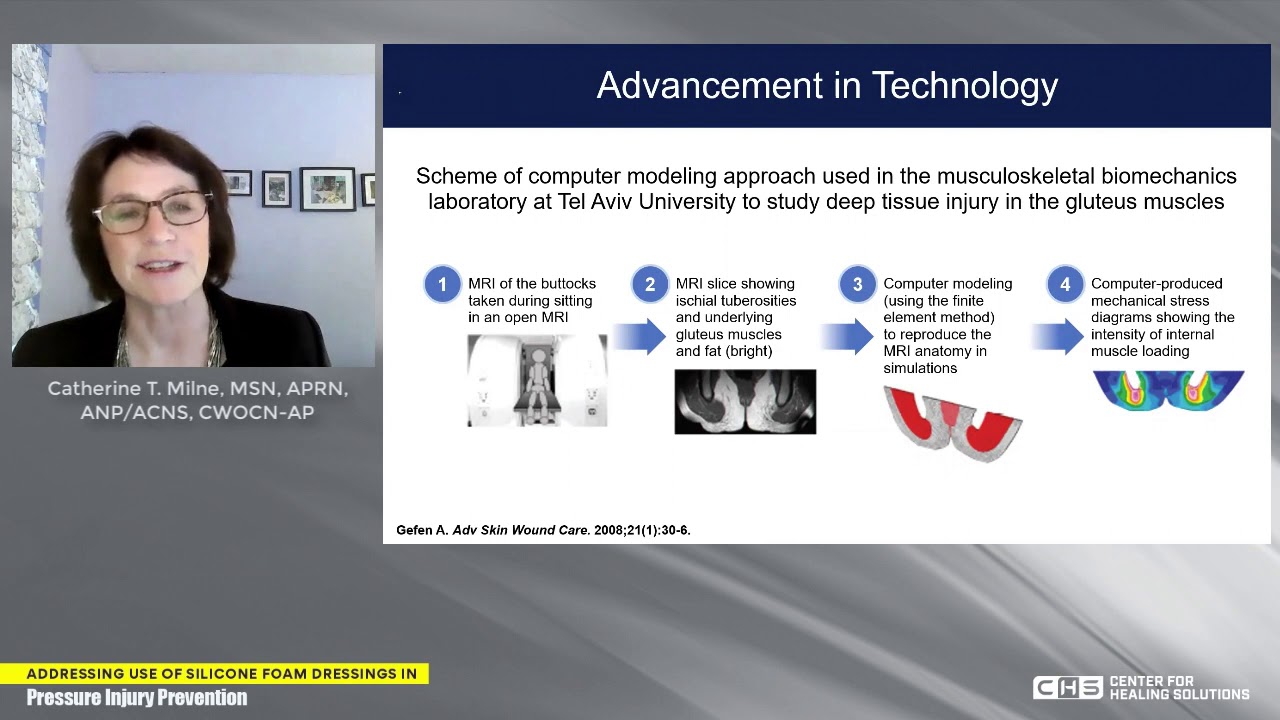
Pressure injuries and bedsores
You can use silicone foam dressings for pressure injuries and bedsores. These wounds happen when skin is pressed for a long time. They often show up on the sacrum, heels, or elbows. Silicone foam dressings protect these spots by spreading out the pressure. They also lower friction. The dressing is waterproof and lets air through. It keeps skin safe from too much moisture and germs.
Tip: SLK Medical’s Alexer® Silicone Foam Dressing with Border fits curved places like the sacrum and heels. The soft silicone layer helps you avoid pain when you change the dressing.
Studies show that using silicone foam dressings often lowers the risk of medical device-related pressure ulcers. These dressings also help stop injuries on the ears and nose when people use oxygen tubes.
Evidence Description | Findings |
|---|---|
Using silicone foam dressings for high-risk patients | Fewer MDRPUs happen. |
Using silicone foam dressings | Less MDRPU in the head area. |
Benefits of silicone foam dressings | Spreads pressure, controls moisture, and lowers friction. |
Stops ulceration | Fewer injuries on ears and nose with oxygen tubes. |
When you use SLK Medical’s silicone foam dressing, you get these results:
Lower chance of stage II or worse pressure injuries on the sacrum.
Pressure is spread out, lowering tissue pressure by 30–40%.
The waterproof, airy barrier stops skin from getting too wet or infected.
Less incontinence-related skin problems by over 60%.
Diabetic foot ulcers
Diabetic foot ulcers need special care because they heal slowly and can get infected. Silicone foam dressing helps by soaking up extra fluid and keeping the wound moist. The soft silicone layer protects weak skin and makes dressing changes less painful.
SLK Medical’s Alexer® Silicone Foam Dressing Composite Type works well for diabetic foot ulcers. Its layers soak up fluid and keep the wound clean. Studies show that silver foam dressings with silicone glue help diabetic foot ulcers heal better. You get smaller ulcers, less fluid, and fewer bad bacteria. One study showed wound scores got better from 3.9 to 6.1 in six weeks, with fewer bacteria like Staphylococcus aureus and Pseudomonas aeruginosa.
Venous and arterial leg ulcers
Venous leg ulcers and arterial ulcers make a lot of fluid. You need a dressing that can handle this and protect the skin. SLK Medical’s silicone foam dressings, like the Alexer® Silicone Foam Dressing without Border, soak up fluid and keep the wound moist. The dressing stays put and does not stick to the skin, so changes are easier.
Studies show healing rates for venous leg ulcers are about the same with different dressings. Silicone foam dressings handle fluid better than hydrocellular dressings, so you may change them less often. Simple, non-sticky dressings can work as well as more costly ones for venous ulcers.
Healing for venous leg ulcers is similar with different dressings.
Polyurethane foam dressings manage fluid better than hydrocellular dressings.
You may need fewer changes with silicone foam dressings.
Burns and skin tears
Burns and skin tears need a dressing that protects soft skin and helps it heal faster. Silicone foam dressing gives comfort, soaks up fluid, and stops infection. SLK Medical’s Alexer® Silicone Foam Dressing with Border and Composite Type are good for these wounds. The dressings fit tricky spots and do not stick to the skin.
Studies show silicone foam dressings help burns and skin tears heal faster. In one study, 89.2% of the treatment group healed by week two, but only 27.9% of the control group did. The wound size got smaller by 2.9 cm² with silicone foam dressing, but only 0.6 cm² in the control group. Healing took 11 days for the treatment group and 22 days for the control group.
Study Findings | Treatment Group | Control Group |
|---|---|---|
Healing Rate (Week 2) | 89.2% (n = 58) | 27.9% (n = 17) |
Wound Surface Area Reduction | 2.9 cm² | 0.6 cm² |
Healing Time | 11 days | 22 days |
Note: Silicone foam dressings give comfort, control moisture, are easy to remove, stop infection, and help burns and skin tears heal faster.
Benefit | Description |
|---|---|
Comfort | Silicone foam dressings fit well and lower pain and irritation. |
Moisture Management | They soak up extra fluid and keep the wound moist, which helps healing. |
Reduced Trauma During Changes | Made for gentle removal, so there is less pain and skin damage. |
Infection Prevention | Block germs but let air in, helping the body heal. |
Faster Healing | Make a good place for new tissue to grow, so you heal faster. |
Surgical wounds and traumatic wounds
Surgical wounds and traumatic wounds need to be kept safe from germs and helped to heal. SLK Medical’s silicone foam dressings, like the Alexer® Silicone Foam Dressing Composite Type, help with these wounds. The layers soak up fluid and keep the wound moist. The soft silicone layer protects weak skin and makes dressing changes less painful.
Research shows that silicone superabsorbent polymer dressings may help wounds that are slow to heal by lowering swelling and the risk of germs. Silicone foam dressing keeps the wound moist and fits well, which helps healing for surgical and traumatic wounds.
Tip: Pick SLK Medical’s silicone foam dressing for wounds after surgery or injury. The dressing stays put, soaks up fluid, and protects the skin.
You can use silicone foam dressing for many kinds of wounds. SLK Medical has many silicone dressings to help with pressure injuries, diabetic foot ulcers, venous leg ulcers, burns, skin tears, surgical wounds, and traumatic wounds. These dressings give comfort, protection, and faster healing for your wounds.
Benefits of silicone foam dressings in wound care
Exudate management and moisture control
Wounds often leak fluid, so you need a good dressing. SLK Medical’s silicone dressings use D-Pore™ technology. They have many layers that soak up and trap fluid. The silicone adhesive helps move fluid into a special layer. This layer holds the fluid and keeps it from coming back out. The layers spread the fluid out, so the wound stays moist. A moist wound heals better. You can use these dressings for wounds that leak a little or a lot. They last longer because they let some moisture leave slowly.
Silicone foam dressing soaks up and holds fluid.
Many layers keep the wound moist and stop skin from getting too wet.
D-Pore™ technology lets air in and soaks up fluid well.
Protection and infection prevention
You want to keep wounds safe from germs and harm. Silicone dressings make a waterproof cover over the wound. This cover blocks bacteria and lowers rubbing on the skin. Studies show these dressings help stop pressure injuries and sores. They work well for people who stay in bed a lot. The foam layer helps control moisture and keeps the skin healthy. Using a good silicone foam dressing helps wounds heal faster and keeps them safe.
Silicone dressings help stop pressure sores and are part of good wound care.
Study Type | Findings | Conclusion |
|---|---|---|
Quantitative | Silicone foam dressings lowered pressure sores in patients. | Using silicone dressings saves money and helps people heal better. |
Mixed Methods | Dressings control skin moisture and lower friction. | Silicone foam dressing should be part of wound care plans. |
Qualitative | Dressings help stop pressure injuries. | More clinics should use them and do more research. |
Comfort for sensitive skin
Dressings should feel good and not hurt your skin. SLK Medical’s silicone dressings have a soft silicone layer. This layer does not stick to weak skin. Clinical trials show these dressings are comfy and simple to use. Many people say they feel better with these dressings. You can use them on sensitive skin without pain or damage.
Parameter | Result |
|---|---|
Wounds improved | 57% |
Ease of use (self-care) | 71% rated above average |
Pain reduction during dressing changes
Changing dressings should not hurt much. Silicone dressings help lower pain and skin damage when you change them. Studies show people feel less pain with silicone foam dressing than with old-style dressings. Nurses and doctors say stopping pain and skin injury is very important.
Evidence Type | Description |
|---|---|
Study Comparison | Soft silicone dressing controls pain better than old sticky dressings. |
Practitioner Survey | Stopping pain and trauma is most important. |
Silicone dressings make wound care easier and more comfortable.
Benefit | Description |
|---|---|
Reduction in Pain During Redressing | Silicone dressings lower pain when you change them and help healing. |
Scar Reduction | They help stop thick or raised scars by making a good place for healing. |
Improved Comfort | Great for sensitive skin, they feel good and need fewer changes. |
Transparency | You can see through them to check the wound, so you change them less. |
Other Key Benefits | They bend easily, are safe, keep water out, and stop germs from growing. |
Comparing silicone foam dressings with other wound dressing options
Picking a wound dressing means you want good care. Silicone foam dressing is gentle and lasts a long time. It feels comfortable for people with sensitive skin. Let’s see how it matches up with other dressings.
Silicone foam vs. hydrocolloid dressings
Hydrocolloid dressings keep wounds moist. Silicone foam dressings do even more for wound care. They help stop pressure injuries and lower skin damage risk. A study looked at 90 patients. Foam dressings worked better than hydrocolloid dressings.
No one using foam dressings got pressure injuries.
13.3% of people with hydrocolloid dressings got pressure injuries.
23.3% in the control group got pressure injuries.
Silicone foam dressings protect skin better. They lower the chance of new wounds.
Silicone foam vs. alginate dressings
Alginate dressings are good for wounds with lots of fluid. They soak up liquid fast but can stick to wounds. This can hurt when you take them off. Silicone foam dressings handle fluid and keep wounds moist. They do not stick to the skin. You get gentle sticking and easy removal. This helps people with sensitive skin or weak wounds. Silicone foam dressings fit many wound shapes and sizes. They are a flexible choice.
Silicone foam vs. traditional gauze
Traditional gauze is used a lot. Silicone foam dressings feel better and help wounds heal faster. Gauze needs to be changed often and can hurt when removed. Silicone foam dressings soak up more fluid and keep moisture in. You change them less often. Most soft silicone foam dressings stay on for 3 to 7 days. You have fewer painful changes and less skin damage.
Foam dressings soak up and hold fluid better than gauze.
You need fewer dressing changes and healing improves.
Silicone foam dressings soak up a lot and give cushion.
Easy removal means less pain and less skin damage.
Dressing Type | Gentle Adhesion | Extended Wear Time | Comfort for Sensitive Skin |
|---|---|---|---|
Silicone Foam | ✅ | ✅ | ✅ |
Hydrocolloid | ❌ | ✅ | ❌ |
Alginate | ❌ | ❌ | ❌ |
Traditional Gauze | ❌ | ❌ | ❌ |
Silicone foam dressing gives better results. It protects wounds, feels good, and helps you heal faster.
Why pick SLK Medical silicone dressings
Advanced technology and certifications
You want your wounds to heal well. SLK Medical uses new technology to help you heal faster. The D-Pore™ Dual-Dimensional Pore Foaming Technology helps the dressing soak up fluid. It also lets your skin breathe. This helps wounds heal fast and stay clean. SLK Medical follows FDA and ISO 13485 rules. These show the products are safe and high quality.
Feature | Description |
|---|---|
D-Pore™ Dual-Dimensional Pore Foaming Technology | New technology that soaks up fluid and lets air in. It also helps lower pressure. |
FDA and ISO 13485 Standards | Made with strict rules for safety and quality. |
Advanced silicone foam dressings | Made for people with sensitive skin or wounds that last a long time. |
Product range for different wound care needs
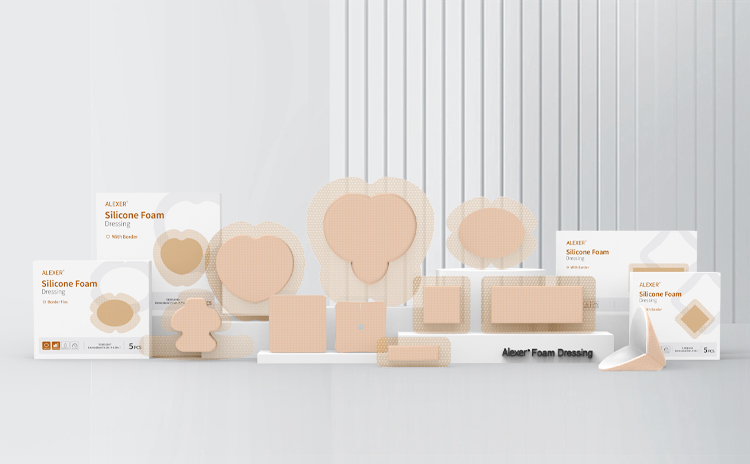
SLK Medical gives you many types of dressings. You can find silicone dressings for every stage of healing. The Alexer® line works for wounds with a lot of fluid. Some dressings have borders for extra safety. Others are made for special wounds like venous leg ulcers or surgical wounds. You always have a good choice for your wound.
Wound Type | Description |
|---|---|
All stages of wound healing | Alexer® silicone foam dressings work for many kinds of wounds. |
Moderate to heavily exuding | Bordered foam dressings are best for these wounds and block bacteria. |
Moderate to severe wounds | Special foam dressings are made for venous leg ulcers and surgical wounds. They soak up a lot and feel comfortable. |
OEM and custom services
Sometimes you need a special size or shape for your dressing. SLK Medical can make custom dressings for you. You can ask for what you need. This helps you get the best care for every wound. Hospitals and clinics trust SLK Medical to make dressings just for their patients.
Fast shipping and good prices
You want your dressings quickly and at a fair price. SLK Medical ships orders fast. You do not have to wait long for your dressings. The prices are fair, so you do not spend too much. You get good dressings without paying a lot.
SLK Medical is known for new ideas, good quality, and great help. The company goes to big health events and works to help patients heal better. You can trust SLK Medical to help you heal faster.
Technology | Description | Benefit |
|---|---|---|
D-Pore™ | This technology soaks up fluid and keeps wounds moist. | Helps wounds heal faster. |
Multi-layer design | The dressings have many layers to keep wounds clean and moist. | Makes healing quicker and cleaner. |
You can use silicone foam dressing on lots of wounds. These include pressure injuries, diabetic foot ulcers, burns, and surgical wounds. The dressings help wounds heal faster. They keep the right amount of moisture and protect your skin. Nurses and doctors like SLK Medical dressings because they are simple to use. They work well for wounds that last a long time and for people with sensitive skin.
Benefit | Description |
|---|---|
Promotes healing | Keeps the wound moist, lowers pain, and helps stop infection. |
Controls exudate | Soaks up fluid and means you change dressings less often. |
Versatile and gentle | Good for many wounds and feels soft on your skin. |
Easy to use | Fast to put on and easy for caregivers to use. |
Go to SLK Medical’s website to find out more and get free samples.
FAQ
What wounds can you use silicone foam dressings on?
Silicone foam dressings help with many wounds. You can use them for pressure injuries, diabetic foot ulcers, venous leg ulcers, burns, surgical wounds, and skin tears. These dressings are good for wounds that leak fluid.
How often should you change a silicone foam dressing?
You should change the dressing every 3 to 7 days. The time depends on how much fluid comes from the wound. Always listen to your doctor’s advice.
Are silicone foam dressings safe for sensitive skin?
Yes, silicone foam dressings are gentle on your skin. The soft silicone layer does not stick to your skin. You will feel less pain when you take off the dressing.
Can you shower with a silicone foam dressing?
Most silicone foam dressings let you shower. The waterproof layer keeps water out and protects your wound.
What makes SLK Medical’s silicone foam dressings special?
Feature | Benefit |
|---|---|
D-Pore™ Tech | Soaks up fluid better |
Multi-layer | Keeps wounds moist and clean |
Gentle Silicone | Good for sensitive skin |
SLK Medical gives you advanced care and comfort.


