


If you have wounds that leak a lot, you want to keep them clean and comfy. The best 5 absorbent wound dressings for these wounds are foam dressings, alginate dressings, hydrocolloid dressings, super absorbent dressings, and gauze dressings. Controlling the liquid helps wounds heal faster and keeps skin safe. The chart below shows how often these wounds happen in clinics.

SLK Medical has FDA and ISO certificates. They offer new products like Super Absorbent Dressing Silicone Adherent and Non Adherent. You can learn more and get free samples on their website.
Key Takeaways
Pick the right dressing for your wound’s fluid level. If your wound leaks a lot, use super absorbent or foam dressings. Foam dressings soak up fluid and give soft padding. They let air reach the wound, which helps healing. Foam dressings work well for many wound types. Alginate dressings come from seaweed and soak up lots of fluid. They turn into gel to help stop bleeding. Alginate dressings keep wounds moist. Hydrocolloid dressings make a gel barrier over the wound. This barrier keeps out dirt and germs. Hydrocolloid dressings help wounds heal faster. Gauze dressings are easy to use and cost less. Gauze may not work well for wounds with lots of fluid. Try advanced dressings for better care if your wound leaks a lot.
Types of Absorbent Wound Dressings
When you look for the best way to manage a wound that leaks a lot, you need to know about the main types of wound dressings. Each one works in a special way to keep your wound clean, dry, and healing well. Let’s break down the top five absorbent wound dressings you’ll see in clinics and hospitals.
Foam Dressings
Foam dressings are one of the most popular types of wound dressings for heavy drainage. You’ll notice that these dressings feel soft and cushiony. They soak up a lot of fluid and keep it away from your skin. This helps stop your skin from getting soggy or breaking down. Foam dressings also let your wound breathe, which is important for healing.
Tip: Foam dressings can protect your wound from germs and bumps. They’re great for wounds on places that rub against clothes or shoes.
Here’s a quick look at what makes foam dressings a top choice:
Characteristic | Description |
|---|---|
Absorptive Properties | Handles low, moderate, and high exudate levels |
Moist Wound Environment | Keeps the wound moist for better healing |
Cushioning Effect | Protects against pressure and friction |
Antimicrobial Options | Some have extra germ-fighting power |
Versatility | Works as a main or backup dressing for many wound types |
Retention and Absorption | Holds a lot of fluid, soaks up leaks fast |
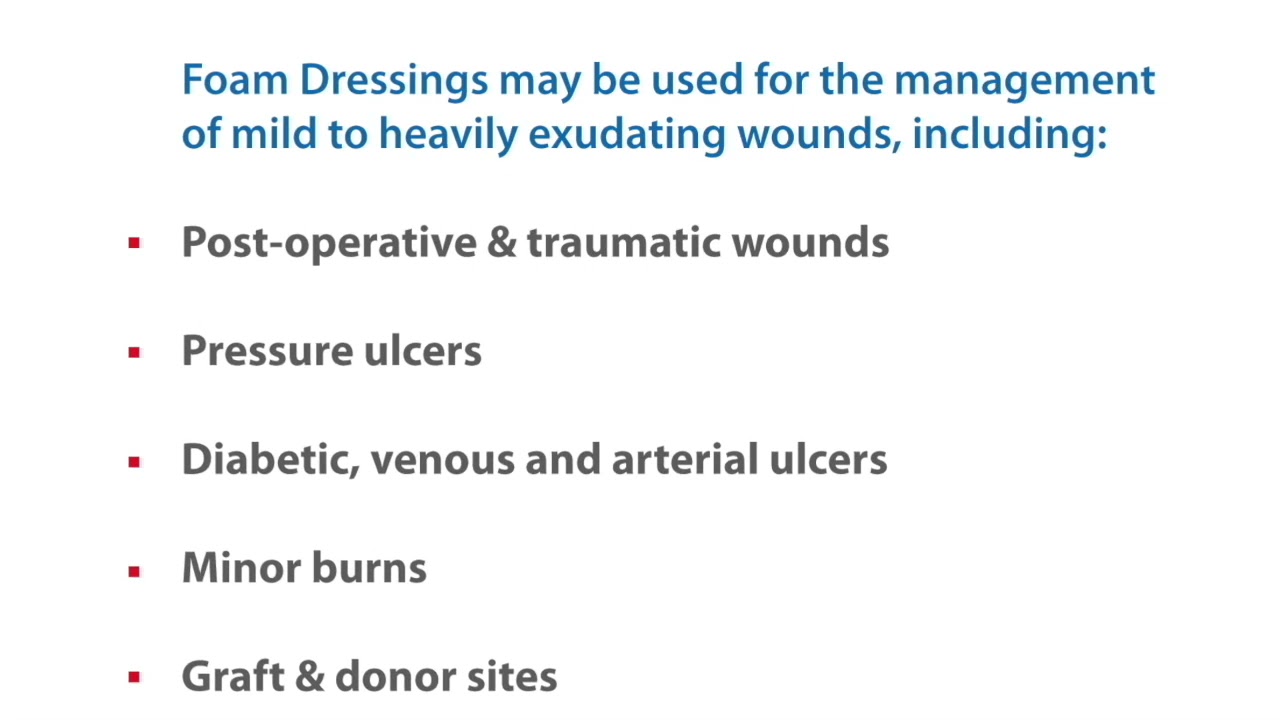
You can use foam dressings for leg ulcers, pressure sores, and surgical wounds. They’re easy to put on and take off, which makes them a favorite for both nurses and patients.
Alginate Dressings
Alginate dressings come from seaweed. They’re one of the most absorbent wound dressings you can find. If your wound bleeds or leaks a lot, alginate dressings can help. They turn into a soft gel when they touch wound fluid. This gel helps stop bleeding and keeps the wound moist.
Alginate dressings are perfect for wounds that need a lot of fluid control.
They help wounds like pressure ulcers, diabetic foot ulcers, and big cuts.
These dressings can soak up to 20 times their own weight in fluid.
Here’s a table to show where alginate dressings work best:
Property/Indication | Description |
|---|---|
High Absorbency | Soaks up lots of fluid, keeps wounds dry |
Pressure Ulcers | Manages leaks and helps wounds heal |
Diabetic Foot Ulcers | Controls fluid in tricky foot wounds |
Venous Leg Ulcers | Handles heavy drainage, lowers infection risk |
Post-Surgical Wounds | Keeps surgical wounds from getting too wet |
Traumatic Wounds | Helps stop bleeding and manage leaks in big injuries |
Note: Alginate dressings are easy to remove and don’t stick to the wound, so you won’t feel much pain when changing them.
Hydrocolloid Dressings
Hydrocolloid dressings are another common type of wound dressing. They look like a thick, sticky pad. When you put one on a wound, it absorbs fluid and forms a soft gel. This gel keeps the wound moist and helps it heal faster. Hydrocolloids also block out dirt and germs.
These dressings work best for wounds with moderate fluid.
They can speed up healing for donor sites and reduce pain.
If your wound leaks a lot, you might need to change hydrocolloid dressings more often.
Tip: Sometimes, nurses use alginate dressings first for heavy leaks, then switch to hydrocolloids as the wound gets better.
Hydrocolloid dressings are great for shallow wounds, scrapes, and burns. They’re easy to use and stick well to the skin.
Super Absorbent Dressings
Super absorbent dressings are the superheroes of wound care. They’re made for wounds that leak a lot and need extra help. These dressings can soak up huge amounts of fluid and keep it locked inside. This means your wound stays dry, and you don’t have to change the dressing as often.
SLK Medical’s Super Absorbent Dressing Silicone Adherent and Non Adherent are top choices in this group. They use smart technology to pull fluid away from the wound and keep the skin around it safe. The silicone layer feels soft and gentle, so you won’t feel pain when you take it off. These dressings fit well on different body parts and come in many sizes.
Here’s a table to show what makes SLK Medical’s super absorbent dressings special:
Feature | Silicone Adherent | Non-Adherent |
|---|---|---|
Absorption Capacity | Great for moderate to heavy | Great for moderate to heavy |
Fluid Management | Keeps moisture balanced | Keeps moisture balanced |
Comfort | Less pain, gentle on skin | Less pain, gentle on skin |
Adhesive Type | Silicone for sensitive skin | Silicone for sensitive skin |
Risk of Maceration | Low | Low |
Did you know? Studies show that super absorbent dressings can cut down the number of dressing changes. This saves time and makes life easier for you and your nurse.
You can use these dressings for leg ulcers, pressure sores, diabetic foot wounds, and surgical wounds. They help wounds heal faster and keep you comfortable.
Gauze Dressings
Gauze dressings are the oldest and simplest type of wound dressing. You’ll see them in every first aid kit. They’re made of cotton and come in pads or rolls. Gauze can soak up some fluid, but it’s not the best for wounds that leak a lot.
Gauze dressings are cheap and easy to find.
They work well as a backup dressing or for wounds with just a little fluid.
If you use gauze on a heavy-leaking wound, you might need to change it often.
Caution: Gauze can stick to the wound and hurt when you pull it off. It can also leave bits behind, which slows healing.
Most nurses use gauze dressings for cleaning wounds or as a cover over other types of wound dressings. For wounds with lots of fluid, you’ll want to pick a more advanced option.
When you know the main types of wound dressings, you can choose the right one for your wound. Foam, alginate, hydrocolloid, super absorbent, and gauze dressings all have their place in wound care. If you want the best results, match the dressing to how much fluid your wound makes and how sensitive your skin feels.
How Absorbent Dressings Work
Exudate Management
You might wonder how absorbent dressings handle all that extra fluid from your wound. These dressings use smart designs to keep your skin safe and support wound healing. Here’s how they do it:
Super absorbent dressings pull in extra fluid and hold it inside their core. This keeps the area around your wound dry and comfortable.
Foam and alginate dressings soak up a lot of liquid. Foams let air move through, which helps your wound breathe. Alginates can absorb up to 20 times their weight, making them perfect for wounds that leak a lot.
These dressings use capillary action. They draw fluid away from your wound and stop it from pooling on your skin.
By locking in moisture, they prevent your skin from getting soggy or breaking down. This is important for wound healing.
Super absorbent dressings, like the ones from SLK Medical, keep the moisture level just right. This helps your wound heal faster and lowers the risk of infection.
Tip: When you use the right dressing, you don’t have to change it as often. This means less pain and more time for your wound to heal.
Benefits for Healing
Absorbent dressings do more than just soak up fluid. They create the best environment for wound healing. Take a look at the table below to see how they help:
Benefit | How It Helps Wound Healing |
|---|---|
Keeps your wound moist, which speeds up wound healing | |
Exudate Management | Stops skin from breaking down and lowers infection risk |
Cellular Activity | Boosts the work of cells that repair your wound |
You get faster wound healing when your wound stays moist. Dressings that manage exudate well stop problems like maceration and infection. Super absorbent dressings also protect the wound base and help your body’s healing cells do their job. You’ll notice less pain and better comfort, which makes wound healing easier for you.
Did you know? A moist wound environment can double the speed of wound healing compared to letting a wound dry out.
Absorbent dressings give you the best chance for wound healing, especially when your wound leaks a lot. You can trust these dressings to keep your skin safe and help your wound heal the right way.
Comparison of Absorbent Wound Dressings

Absorption Capacity
Foam Dressings
Foam dressings soak up lots of fluid. They work for wounds with medium or heavy leaks. If your wound leaks a lot, foam dressings keep skin dry. You might need to change them more if your wound leaks too much.
Alginate Dressings
Alginate dressings also soak up lots of fluid. They come from seaweed and handle big leaks. You can use them for wounds that bleed or are deep. When alginate dressings touch fluid, they turn into gel. This gel keeps the wound moist.
Hydrocolloid Dressings
Hydrocolloid dressings soak up less fluid than foams or alginates. They work best for wounds with little or medium leaks. If your wound leaks a lot, pick a dressing that soaks up more fluid.
Super Absorbent Dressings
Super absorbent dressings, like SLK Medical’s, soak up lots of fluid. They keep the area around your wound dry. You will not need to change them as often.
Gauze Dressings
Gauze dressings soak up different amounts of fluid. You can add layers for more leaks. But they do not soak up as much as foam, alginate, or super absorbent dressings. You might need to change gauze often if your wound leaks a lot.
Dressing Type | |
|---|---|
Polyurethane Foams | Highest |
Alginate | Lower than foams |
Hydrocolloid | Lower than foams |
Super Absorbent | Highest |
Gauze | Variable |
Skin Protection
Foam Dressings
Foam dressings keep moisture balanced. They help stop skin from getting too wet. They cushion the wound.
Alginate Dressings
Alginate dressings are gentle and do not stick. They protect skin from too much moisture. You need enough fluid for them to work.
Hydrocolloid Dressings
Hydrocolloid dressings make a gel barrier. They block germs and dirt. Check your skin for irritation if you leave them on too long.
Super Absorbent Dressings
Super absorbent dressings with silicone protect skin well. They lock in fluid and keep skin dry. The soft silicone layer is gentle on sensitive skin.
Gauze Dressings
Gauze dressings protect less. They can stick to the wound and hurt when you take them off.
Control extra fluid to stop skin problems.
Use absorbent dressings or skin protectants to shield skin.
Let your skin heal after you manage fluid.
Ease of Use
Foam Dressings
Foam dressings are easy to put on and take off. They come in many shapes and sizes. You can use them at home or in clinics.
Alginate Dressings
Alginate dressings are simple to use. Sometimes, a nurse or caregiver helps for best results. You often need another dressing on top.
Hydrocolloid Dressings
Hydrocolloid dressings are easy to use. You can shape them to fit your wound. Sometimes, taking them off needs care.
Super Absorbent Dressings
Super absorbent dressings work well in busy clinics and homes. You can follow easy steps to use them. The silicone layer makes changes less painful.
Gauze Dressings
Gauze is easy to find and cheap. You might need to change it often and secure it well. This can be less easy for long-term care.
Aspect of Dressing Performance | Findings |
|---|---|
Comfort | Very comfortable for patients |
Ease of Application | Easy to apply, no pain reported |
Adhesion Strength | Strong, no adverse effects |
Patient Satisfaction | High satisfaction |
Choosing the Right Absorbent Wound Dressing
Assessing Wound Needs
When you look at a wound, pick the best dressing. First, check what kind of wound it is. Look at how the wound looks and how much fluid comes out. See if the wound is deep or shallow. Check for signs of infection like redness or swelling. Ask the patient if the wound hurts. If you see swelling or redness, use a dressing that blocks germs.
Here’s a table to help you remember what to check:
Description | |
|---|---|
Keep the wound moist | Helps with moist wound healing |
Absorb excess exudate without leakage | Stops skin problems |
Eliminate dead space | Lowers infection risk |
Protect against infection | Shields the wound |
Provide optimal pH, thermoregulation, gas exchange, and humidity | Supports healing |
Avoid trauma and pain during dressing changes | Makes patients comfortable |
Minimize scar tissue | Better cosmetic results |
Minimal toxicity and allergenic risk | Safe for skin |
Easy to use and comfortable | Helps patients stick to treatment |
Extended wear time | Saves time and money |
Matching Dressing to Exudate Level
Pick a dressing that matches how much fluid the wound makes. If the wound leaks a little, hydrocolloid dressings work well. For medium leaks, foam dressings and alginates are good. If there is a lot of fluid, use calcium alginate or super absorbent dressings. This keeps the wound moist and helps it heal.
Recommended Dressing Types | |
|---|---|
Mild to Mild-Moderate | Hydrocolloid dressings for moist wound healing and skin repair |
Moderate | Foams and alginates for moist wound healing and comfort |
Moderate to Heavy | Calcium alginate or super absorbent dressings for moist wound healing and less frequent changes |
Tip: Always look at the wound when you change the dressing. Picking the right dressing helps the wound heal faster.
SLK Medical Product Features
SLK Medical makes dressings that are safe and high quality. Their products have FDA registration, ISO 13485 certification, and CE mark. These dressings do not cause allergies and let air flow through. The design keeps the wound moist and helps it heal. SLK Medical checks every dressing to make sure it works well and is safe.
Advantages for Different Patient Groups and Wound Types
You can use SLK Medical’s super absorbent dressings for many wounds. They work for leg ulcers, pressure sores, diabetic foot ulcers, and surgical wounds. The silicone layer is soft and gentle. It is good for older people and kids with sensitive skin. The non-adherent type helps if you want less pain when changing dressings. These dressings fit many body shapes and sizes, so they are easy for all patients.
Feature | SLK Medical | Competitors |
|---|---|---|
Review Score | 4.8 | Similar |
Price Range | $0.30–$0.31 | Competitive |
Clinical Validation | Yes | Yes |
Note: SLK Medical dressings help wounds heal and keep you comfortable. You can trust their quality for every patient.
Guidelines and Quick Checklist
If you want wounds to heal well, you should follow clear steps. Guidelines and checklists help you make good choices for each wound. Let’s go over what you need to know and do.
Evidence-Based Selection
Refer to Clinical Practice Guidelines
Always look at the newest clinical practice guidelines before picking a dressing. Groups like the Wound Healing Society, NICE, and EWMA update their advice often. These guidelines help you choose the right dressing and keep the wound moist.
Here’s a table that shows what top guidelines say about dressings:
Dressing Type | Key Features |
|---|---|
Alginate dressings | Very absorbent, turns into gel, good for heavy leaks and bleeding wounds. |
Hydrofiber / gelling-fiber dressings | Absorbs fluid, locks it in gel, gentle to remove, works under compression. |
Many types, good for medium or heavy leaks, gives cushion. | |
Superabsorbent dressings | Made for very heavy leaks, has absorbent core and waterproof back. |
Negative pressure wound therapy (NPWT) | Pulls out fluid, helps wounds close, used for deep or very wet wounds. |
Each dressing has a special job in wound care. You want to keep the wound moist and control the fluid.
Evaluate Latest Research Findings
Look at new studies when you pick a dressing. Research shows different wounds need different dressings. For skin tears, use silicone foam. If the wound bleeds, try alginate. For small cuts, use low-absorbent dressing. For diabetic foot wounds, use antimicrobial dressing with a second layer.
Here’s a table to help match wounds and dressings:
Wound type | Dressings recommended | Special comments |
|---|---|---|
Skin tears | Silicone foam; alginate if bleeding | Don’t use adhesives on fragile skin. Use barrier wipes. |
Minor cut/laceration | Low-absorbent dressing | Watch for infection. |
Postoperative wounds | Film or thin hydrocolloid for dry; bordered for wet | Get a surgical review if wound opens. |
Small superficial burns | Hydrogel or hydrocolloid after first aid | See a specialist for deep or infected burns. |
Diabetic foot | Antimicrobial with secondary dressing | Check pulses; refer if blood flow is poor. |
You want to keep wounds moist for all these types. The right dressing helps you do this.
Consider Patient-Specific Factors
Every patient is different. Think about age, skin type, and health problems. Some people have fragile skin. Others have diabetes or poor blood flow. Always check for allergies and comfort. If skin is sensitive, use silicone dressing. If the wound is deep or leaks a lot, use super absorbent dressing. Always aim for moist wounds to help them heal faster.
Tip: Ask your patient how the dressing feels. Comfort is important in wound care.
Dressing Choice Checklist
Use this checklist to help pick the best dressing. This helps you keep wounds moist and healing.
Assess Exudate Level
Check how much fluid comes from the wound. The amount of fluid tells you which dressing to use. For heavy leaks, pick super absorbent or foam dressing. For less fluid, use hydrocolloid.
Check for Infection or Biofilm
Look for signs of infection like redness, swelling, or pus. If you see these, use antimicrobial dressing. Keeping wounds moist helps, but you must control germs too.
Evaluate Skin Integrity and Sensitivity
See if the skin around the wound is healthy or fragile. For sensitive skin, use silicone or non-adherent dressings. These protect skin and keep wounds moist.
Match Dressing Type to Wound Location and Size
Pick a dressing that fits the wound’s shape and size. Some dressings work better on flat spots. Others fit curved areas. You want full coverage to keep wounds moist.
Confirm Dressing Compatibility with Adjunct Therapies
If you use other treatments like compression or negative pressure, make sure the dressing works with them. Some dressings, like hydrofiber, work well under compression. Always check before you use them.
Review Product Certifications and Evidence
Pick dressings with FDA, ISO, or CE marks. These show the product is safe and works well. SLK Medical dressings meet these standards. You can trust them for wound care and moist wounds.
Here’s a simple checklist you can use:
Step | Why It Matters for Wound Care |
|---|---|
Assess exudate level | Picks the right dressing for moisture |
Check for infection or biofilm | Stops germs and helps healing |
Evaluate skin integrity and sensitivity | Protects skin and keeps comfort high |
Match dressing to wound location/size | Ensures full coverage and fit |
Confirm compatibility with therapies | Works with other treatments |
Review certifications and evidence | Ensures safety and quality |
Remember: Using a checklist helps you get better results in wound care. You keep wounds moist, control fluid, and help wounds heal faster.
You can use these guidelines and checklists every day. They make wound care easier and safer for you and your patients. When you follow these steps, wounds have the best chance to heal in a moist environment.
You have lots of options for wounds that leak a lot. Foam, alginate, hydrocolloid, super absorbent, and gauze dressings all help with these wounds. These dressings keep your skin safe and help wounds heal quicker. Studies show superabsorbent dressings like C-Sorb work well for wounds with lots of fluid.
Dressing Type | Key Features | Effectiveness |
|---|---|---|
C-Sorb | Superabsorbent, multi-layered, made for moderate-to-high exudate | Case studies show it helps control fluid and heal wounds |
When you choose the right dressing, wounds heal better and you change dressings less often. Patients feel happier.
Group | Satisfaction Level | Dressing Changes Required |
|---|---|---|
Intervention (Absorbent) | Fewer | |
Control (Conventional) | Lower | More |
SLK Medical has smart solutions for wounds that leak a lot. Their dressings help you feel good and heal well. If you want to learn more or get a free sample, visit the SLK Medical website today.
FAQ
What is the best dressing for wounds with a lot of fluid?
You want a super absorbent dressing for wounds that leak a lot. SLK Medical’s Super Absorbent Dressing Silicone Adherent or Non Adherent works great. These dressings soak up fluid fast and keep your skin dry.
How often should I change an absorbent wound dressing?
Check your wound daily. If the dressing looks soaked or leaks, change it. Super absorbent dressings often last longer, so you may not need to change them as often as gauze.
Can I use these dressings on sensitive skin?
Yes! SLK Medical’s silicone dressings feel gentle on sensitive skin. The soft silicone layer helps you avoid pain and skin damage during dressing changes.
Are SLK Medical dressings safe for children and older adults?
Absolutely. These dressings fit many body shapes and sizes. The gentle silicone layer makes them a good choice for kids and seniors with delicate skin.
Where can I get free samples of SLK Medical dressings?
You can request free samples directly from the SLK Medical website. Just fill out the form, and they will send samples to you.


