


Imagine you cut your finger while cooking. You might scrape your knee at work. You could even have a bad injury while traveling. You need wound dressing kits to help with these injuries fast. Wound dressing kits give you tools to clean and cover wounds. They also help protect your wounds. These kits usually have things like sterile gauze, elastic and gauze bandages, adhesive dressings, medical tape, cotton, and triangular bandages. You use wound dressing kits for first aid. They also help stop infections and help wounds heal. Think about your own first aid kit. Ask yourself if you have the right wound dressing kits for every situation.
Key Takeaways
Wound dressing kits help treat injuries fast and well. They have things like gauze, bandages, and antiseptics. These items clean and protect wounds.
Picking the right dressing depends on the wound type. Look at the wound’s size, depth, and how much fluid it has. This helps you choose the best dressing.
Advanced dressings, like silicone foam, help wounds heal faster. They are good for people with sensitive skin. These dressings keep wounds moist. They also make changing dressings less painful.
Check your wound dressing kit often and add new supplies when needed. Make sure you have everything ready for emergencies. Throw away old or expired items right away.
Basic first aid training helps you use wound dressing kits better. Learning the right way to use them can help you give better care in emergencies.
What Are Wound Dressing Kits
Definition and Purpose
A wound dressing kit is a collection of medical supplies that helps you care for injuries. You use these kits to clean, cover, and protect wounds. Each kit gives you the tools you need to stop bleeding, prevent infection, and support healing. You find items like gloves, gauze pads, and bandages inside. These supplies help you treat cuts, scrapes, and other injuries quickly and safely.
A wound dressing kit serves an important purpose. It keeps germs away from the wound and helps you avoid further harm. You can use the kit at home, at work, or when you travel. Having the right supplies ready means you can act fast when someone gets hurt.
Here are some common items you find in a wound dressing kit:
Nitrile or other non-latex gloves to protect both you and the person you help.
Sterile gauze pads to place on the wound and absorb blood.
Bandages to wrap the area and keep the gauze in place.
Everyday Uses and Importance
You use wound dressing kits in many situations. You might need one for a scraped knee, a cut finger, or a burn. These kits help you handle small accidents before you see a doctor. They also give you peace of mind because you know you can care for a wound right away.
If you have children, you know how often they get minor injuries. A wound dressing kit lets you clean and cover their wounds quickly. At work, you might face accidents in the kitchen, warehouse, or office. A kit helps you respond fast and keep the wound safe from dirt and germs.
Wound dressing kits are important for everyone. They help you stay prepared for daily life and emergencies. When you have the right supplies, you can protect yourself and others from infection and help wounds heal faster.
Key Components of Wound Dressing Kits
Dressings and Bandages
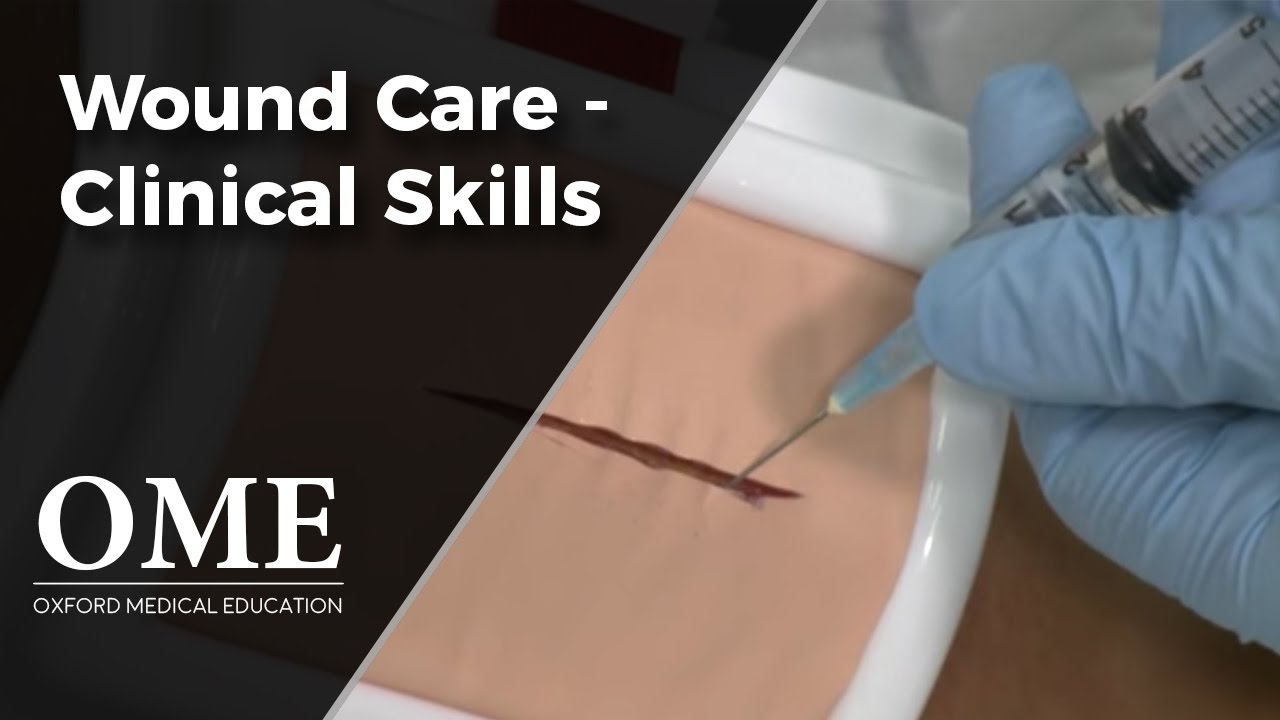
Wound dressing kits have many dressings and bandages. Each one helps with a different injury. Some dressings cover wounds and soak up fluids. Others protect soft skin or help wounds heal faster. Bandages keep dressings in place and give extra safety.
Here is a table that shows types of dressings and what they do:
Type of Dressing | Specific Uses |
|---|---|
Gauze dressings | Used for small wounds, soaking up blood, putting on medicine, and burns |
Non-adherent dressings | Good for soft skin, burns, donor spots, and after surgery |
Hydrocolloid dressings | Used for pressure sores, diabetic foot sores, small burns, scrapes, and skin tears |
Foam dressings | Used for leg sores, pressure sores, surgery wounds, and injuries |
Alginate dressings | Good for wounds with lots of fluid, surgery wounds, and some burns |
Transparent film dressings | Used for small wounds, IV spots, skin tears, and after surgery cuts |
Antiseptics and Cleaning Supplies
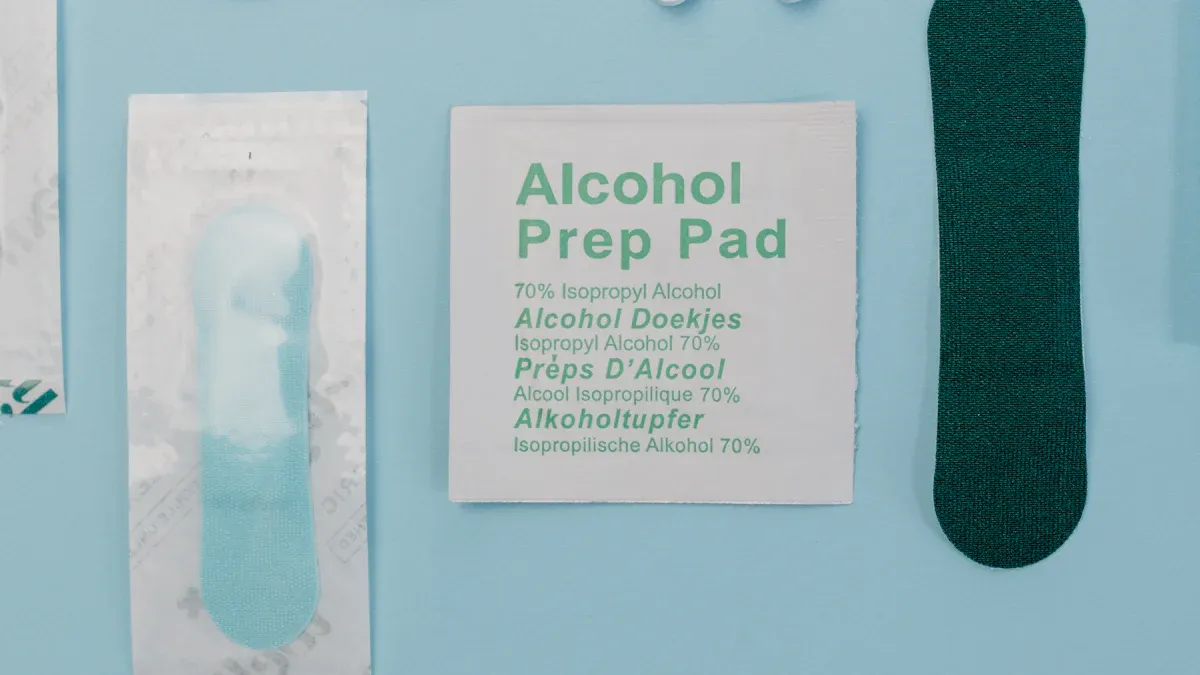
Antiseptics and cleaning supplies keep wounds clean. These things help stop infection and help wounds heal. You use cleaners like saline or alcohol wipes to get rid of dirt and germs. Antiseptics keep the wound safe from bacteria and other bad things.
Tip: Always clean the wound before putting on a new dressing. This helps the wound heal and stay safe.
Adhesive Tapes and Fixation
Adhesive tapes and fixation items hold dressings in place. Medical tape keeps bandages from moving around. Some tapes are soft on skin and easy to take off. Good fixation keeps the dressing where it should be and stops germs from getting in.
Adhesive tapes give support and keep wounds safe.
They help dressings stick to the skin.
Hypoallergenic tapes are good for sensitive skin and come off easily.
Tools and Protective Gear
You need tools and protective gear to care for wounds safely. Gloves keep your hands clean and stop germs. Scissors and tweezers help you cut dressings and take off old bandages. Aprons and masks give more safety, especially for wounds that leak. Cotton swabs help clean wounds and put on medicine. Waste bags and sharps bins keep your area neat and safe.
Gloves and aprons keep you safe.
Scissors and tweezers help change dressings.
Masks and eye protection stop splashes from reaching you.
Instruction Guides
Instruction guides show you how to use wound dressing kits. You follow easy steps to take off old dressings, clean wounds, and put on new ones. Guides remind you to wash your hands, look at the wound, and use the right things. These instructions help you feel sure and care for wounds safely.
Take off the old dressing slowly.
Wash your hands before touching the wound.
Look at the wound for any changes.
Clean the wound with new supplies.
Dry the skin around the wound.
Put on the new dressing as the guide says.
Types of Wound Dressings
Knowing about different wound dressings helps you pick the best one. Each dressing helps wounds in its own way. Some dressings are simple, and some are more advanced. Both types have their own good points.
Basic vs. Advanced Dressings
Most first aid kits have basic dressings like gauze and tape. These cover wounds and soak up fluids. They work well for small cuts and scrapes. New technology has made better dressings. Advanced dressings do more to help wounds heal.
Gauze dressings were used a lot before. Now, advanced dressings keep wounds moist for days and may fight germs.
Advanced dressings, like moist wound healing and bio-cellulose, help wounds heal faster and lower infection risk.
You need to change basic dressings more often. Advanced dressings last longer and save time.
Advanced dressings give you better results and more comfort. They are good for wounds that need extra care.
SLK Medical Silicone Foam Dressings
SLK Medical makes silicone foam dressings that are gentle and soak up fluids well. You can use these for many wounds, like after surgery, pressure sores, diabetic foot ulcers, and burns. The silicone layer feels soft and does not stick. This makes changing dressings less painful.
SLK Medical uses D-Pore™ Dual-Dimensional Pore Foaming Technology. This helps the dressing soak up fluids fast and keeps the wound moist. The foam locks in fluids and stops the skin from getting too wet. You can wear these dressings for days, so you change them less often.
You can pick from different shapes and sizes. There are border, non-border, and non-adhesive foam dressings. Each type fits a certain wound and how much fluid it has. These dressings are good for sensitive skin and help wounds heal faster by keeping out germs.
Tip: If your skin is sensitive or your wound leaks a lot, silicone foam dressings from SLK Medical can help you feel better and stay protected.
Hydrocolloid and Transparent Dressings
Hydrocolloid and transparent dressings are other choices for wounds. Hydrocolloid dressings make a gel when they touch wound fluids. This gel keeps the wound moist and helps it heal. Transparent dressings use a thin film so you can see the wound without taking off the dressing.
Here is a table to compare these two types:
Feature | Hydrocolloid Dressings | Transparent Dressings |
|---|---|---|
Moisture Retention | Soaks up fluids and keeps the wound moist. | May not keep moisture as well. |
Infection Prevention | Can have things that fight germs. | Some have germ-fighting options. |
Hydrocolloid dressings are good for wounds that need moisture, like pressure sores and scrapes. Transparent dressings let you watch the wound and keep it safe from dirt and water. Both types are easy to use and feel comfortable.
Super Absorbent and Specialty Dressings
Super absorbent and specialty dressings help with wounds that leak a lot or heal slowly. These dressings use special stuff to soak up lots of fluid. You can use them for wounds like diabetic foot ulcers, pressure sores, and surgery wounds.
Super absorbent dressings keep the wound moist but stop the skin from getting too wet.
These dressings lower infection risk by locking in fluids and keeping germs out.
You do not need to change these dressings as much, so they are comfortable.
Specialty dressings help wounds heal faster, especially if you have a wound that needs extra care.
You can find super absorbent dressings in many shapes and sizes. They fit different wounds and help you stay comfortable while healing.
Note: Picking the right wound dressing helps your wound heal faster and safer. Always choose a dressing that matches what your wound needs.
Benefits of Wound Dressing Kits
Faster Healing and Infection Prevention
You want your wounds to heal quickly and stay free from infection. Wound dressing kits help you reach this goal. When you use the right wound care supplies, you protect the area and support the body’s natural healing process. Scientific studies show that using advanced dressings can speed up healing and control infection better than basic methods. Here is a table that shows how wound care kits make a difference:
Metric | Advanced Dressings | Basic Dressings |
|---|---|---|
Granulation tissue growth | Higher | Lower |
Wound area reduction | Faster | Slower |
pH value decrease | Faster | Slower |
Complete healing after 6 weeks | 58.97% | 5.13% |
Infection control | More rapid | Less effective |
You see that advanced wound care kits help wounds heal faster and keep infections away. This means you spend less time worrying and more time getting back to normal.
Convenience and Peace of Mind
Wound dressing kits give you everything you need in one place. You do not have to search for supplies when an accident happens. You find bandages, cleaning wipes, and other tools ready to use. Here are some ways these kits make your life easier:
You act fast in emergencies because you have all the right tools.
Kits work well at home, at work, or while traveling.
You feel calm knowing you can handle small injuries right away.
Some kits come in special bags that keep supplies organized and easy to carry.
When you have a wound care kit, you feel prepared. You know you can help yourself or others if something goes wrong.
Suitability for Sensitive Skin
Many people have sensitive skin. You need dressings that protect the wound without causing pain or irritation. Silicone composite dressings work well for this. They create a soft, breathable barrier that keeps germs out and lets oxygen in. These dressings keep the wound moist, which helps healing and stops the skin from getting too wet. You can use them for many types of wounds, such as pressure ulcers, burns, or diabetic foot ulcers. They fit well and do not stick to the skin, so changing them does not hurt.
Tip: If you have sensitive skin, choose wound care kits with silicone dressings. They help wounds heal faster and keep your skin comfortable.
Choosing the Right Wound Dressing Kit
Assessing Wound Type and Needs
You should look at the wound before picking a kit. First, check how big and deep the wound is. A small scrape needs a different dressing than a deep cut. See how much fluid comes from the wound. Wounds with lots of fluid need dressings that soak up more. Think about infection risk. If the wound is red or swollen, you might need dressings with things that fight germs.
Here are some things to look at:
How big, deep, and where the wound is
How much fluid or exudate is coming out
How often you need to change the dressing
The person’s health and any other problems
If there is a risk of infection
What feels best and works for you
Tip: Write down what the wound looks like and what it needs. This helps you keep track and pick the right supplies.
Best Dressing for an Open Wound
You want to use the best dressing for an open wound. Different wounds need different dressings. Some dressings work for burns, ulcers, or wounds after surgery. Others are better for small cuts or scrapes. The table below shows which dressings are good for each need:
Dressing Type | Description |
|---|---|
Film dressings | Thin and let air in. Good for small burns and scrapes. You can see the wound through them. |
Foam dressings | Soak up a lot. Good for burns, deep ulcers, and wounds with lots of fluid. You can leave them on for days. |
Low-adherent, low-absorbent dressings | Good for small wounds with little fluid. Needs another dressing on top. |
Hydrocolloid dressings | Soak up liquid and turn into gel. Good for scrapes and shallow ulcers. Stick well to busy areas. |
Alginate dressings | Soak up a lot. Good for wounds that bleed. Needs another dressing on top. |
Antimicrobial impregnated dressings | Have things like iodine or silver. Good for dirty wounds. Not for wounds that need to stay moist. |
If your open wound has lots of fluid, foam dressings from SLK Medical work well. These dressings soak up fluid and keep the wound moist. Hydrocolloid dressings help shallow wounds heal faster. For wounds that bleed, alginate dressings are a good pick. Always match the dressing to the wound for the best results.
Considering Skin Sensitivity and Allergies
You should think about skin sensitivity and allergies when picking wound care supplies. Some people’s skin reacts to sticky stuff or certain materials. Look for hypoallergenic dressings. These help stop skin from getting irritated. Dressings with gentle adhesives are better for sensitive skin.
Pick hypoallergenic materials to lower allergy risk.
Use dressings with soft adhesives for sensitive skin.
Check the wound and skin type. Notice if there is moisture or allergies.
SLK Medical has silicone foam dressings that are gentle and safe for sensitive skin. These dressings do not stick to the skin and make changes easier. If you have fragile skin or allergies, these dressings help you feel comfortable.
Portability and Storage
You want your wound dressing kit to be easy to carry and store. Choose a small bag or case. Light and strong cases keep your supplies safe. Store your kit in a cool, dry place. Use clear, labeled boxes to sort items by type and size.
Keep supplies neat and easy to find.
Check expiration dates every few months.
Use older items first by rotating your stock.
Make different kits for home and travel.
Keep things you use a lot in easy spots.
Note: Good storage keeps your wound care supplies fresh and ready for emergencies.
Comparing Wound Care Supplies
You should compare wound care supplies before buying a kit. Look at how good the products are, what people say, and what studies show. Some dressings, like hydrogel, help lower pain and heal skin faster. Studies show hydrogel dressings can lower pain and help skin heal in less time.
Hydrogel dressings can lower pain by more than 3 points.
Healing time can be over 5 days shorter with hydrogel dressings.
Advanced dressings from SLK Medical soak up a lot and feel comfy for wounds and sensitive skin.
Read what other people say in reviews. Check if the products meet FDA and ISO rules. Look for proof that they help wounds heal faster and feel better. Pick wound care supplies that fit your needs and have good results.
Tip: Always pick high-quality wound care supplies for better healing and peace of mind.
Tips for Using and Maintaining Kits
Storage and Expiry Checks
You must store your first aid kit the right way. This keeps your supplies safe and ready to use. Good storage helps dressings stay clean and work well. Here are some steps to follow:
Keep your kit in a place that is not too hot or cold. The best temperature is between 59 °F and 77 °F.
The room should not be too wet or dry. Try to keep the humidity between 30% and 70%.
Use sealed bags and desiccants to keep things dry.
Do not put your kit in the sun. Store it in a cool, dark place.
Put different dressings in their own sections to stay organized.
Tip: Check your first aid kit every month. Look for anything that is expired and replace it right away. If you use something, refill your kit as soon as you can. If you are in a place where people get hurt more, check your kit every three months.
Frequency | Description |
|---|---|
Every 3-6 months | Check for expired items and refill based on how much you use. |
Monthly | Look at everything to make sure it is there and not expired. |
Post-Usage | Refill and check your kit right after you use it. |
Quarterly | Do extra checks if you work where injuries happen more often. |
Seasonal | Check your kit when the weather changes and risks are different. |
Restocking and Customization
Always keep your first aid kit full and ready to use. If you use something, replace it right away. Check your kit every month for missing or old supplies. You can also add things to your kit for your own needs. For example, add more wound dressings if you work at a building site. If you care for someone with health problems, put in supplies for them.
Add sterile solutions if someone does dialysis at home.
Put in special kits for cancer patients with central venous catheters.
Use extra dressings for people who cannot move and might get pressure ulcers.
Note: Changing your first aid kit for your needs helps you be ready for different emergencies.
Basic First Aid Training
You need to learn basic first aid to use your kit well. Training teaches you how to clean wounds and put on dressings. It also shows you how to help someone until doctors arrive. People with training can give better care in emergencies. Studies show that training helps you remember what to do for up to a year. Taking more classes helps you keep your skills strong.
Evidence Description | Key Findings |
|---|---|
First aid training helps you learn and remember skills | People without medical training can help in emergencies and make things better. |
You remember more after training | Training helps you know what to do right away and for up to 12 months, but you need more classes to stay sharp. |
Skills are important in emergencies | People without medical training can help keep someone alive until help comes. This shows why first aid training is important. |
Tip: Take a first aid class and practice often. You will feel more sure of yourself and ready to help when needed.
You help wounds heal by picking the right dressing kit. If you know about wound care, you can make wounds get better faster. You also help stop infections. Advanced dressings from SLK Medical work well for wounds with lots of fluid. They are also good for people with sensitive skin.
Check your supplies often to make sure you have enough.
Look at the wound and clean the area before you start.
Choose dressings that fit what the wound needs.
Always put safety and quality first when you care for wounds.
FAQ
How often should you change a wound dressing?
You should change the dressing when it gets wet, dirty, or as your doctor tells you. Most dressings need changing every 1 to 3 days. Always check the wound for signs of infection.
Can you use SLK Medical dressings on sensitive skin?
Yes, you can use SLK Medical silicone foam dressings on sensitive skin. The gentle silicone layer protects your skin and makes dressing changes less painful.
What should you do if a wound looks infected?
Look for redness, swelling, pus, or a bad smell. If you see these signs, clean the wound and cover it with a fresh dressing. You should contact a doctor right away.
Are SLK Medical dressings waterproof?
SLK Medical dressings have a waterproof backing. You can shower with them on. The dressing keeps water and germs out while letting your skin breathe.
What is the best way to store wound dressing kits?
Store your kit in a cool, dry place.
Keep it away from sunlight and moisture.
Check supplies often and replace expired items.


