


You can help patients heal better and feel more comfortable by choosing the right approach to alginate dressings wound care. Using alginate dressings wound care solutions ensures that wounds are managed effectively, as these dressings absorb excess fluid and help prevent infection. This leads to faster healing and less discomfort for patients. Research shows that alginate dressings wound care results in a 31% wound healing rate and causes less pain compared to other types of dressings.
Dressing Type | Healing Rate | Patient Satisfaction | Pain Level |
|---|---|---|---|
Alginate | 31% | Higher | Lower |
Tulle | 4% | Lower | Higher |
Sodium Hypochlorite | N/A | Lower | Higher |
SLK Medical’s Alexer® Alginate Wound Dressing offers an innovative solution for alginate dressings wound care. You’ll discover simple steps and practical tips to help you provide the best possible care for your patients.
Key Takeaways
Alginate dressings soak up extra fluid. They help wounds heal faster. This means patients feel less pain and discomfort.
Use alginate dressings for wounds with lots of fluid. These include venous ulcers and burns. This helps control moisture well.
Always clean the wound gently before you use alginate dressings. This stops infection and helps healing.
Check the wound often. Change alginate dressings every 1 to 3 days. Change them sooner if they get soaked.
Teach patients how to care for their wounds. Tell them to look for signs of infection. Remind them to keep the right moisture level.
Alginate Dressings Wound Care Basics
What Are Alginate Dressings
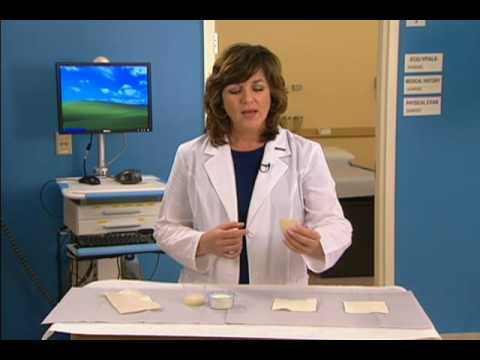
Alginate dressings wound care helps wounds heal faster and stay clean. These dressings are made from seaweed. They have calcium alginate fibers and sodium alginate. Calcium alginate fibers soak up a lot of fluid and turn into a soft gel when they touch wound exudate. Sodium alginate makes the dressing bendy and easy to shape. When you put the dressing on a wound, it starts an ion exchange. This helps the dressing soak up fluid, make a gel, and control small bleeding. Alginate dressings wound care keeps the wound moist. This helps new tissue grow and makes healing quicker.
Calcium alginate fibers soak up fluid and make a gel.
Sodium alginate makes the dressing flexible and helps it fit wounds.
The dressing soaks up exudate, turns into a gel, and helps stop bleeding.
When to Use Alginate Wound Dressing
You use alginate dressings wound care for wounds that leak a lot. These dressings work best for wounds with a lot of fluid. You can use them for big venous ulcers, pyoderma gangrenosum, and wounds with lots of exudate. They also help with pressure ulcers, burns, and surgical wounds. If a wound does not have much exudate, you might need another dressing to stop pain or skin problems.
Wound Type | Exudate Level | Alginate Dressing Benefits |
|---|---|---|
Large venous ulcers | Moderate-High | Soaks up to 20x its weight, keeps wound moist, fewer dressing changes |
Pyoderma gangrenosum | Moderate-High | Strong absorption, protects skin from getting too wet |
Wounds with low exudate | Low-Moderate | Might hurt when removed, needs another dressing, risk of fluid spreading |
You need to know when to use alginate dressings to get the best results for your patients.
SLK Medical and Alexer® Product Features
SLK Medical’s Alexer® Alginate Wound Dressing is special in alginate dressings wound care. You can pick different types, like felt or rope, to fit the wound’s shape and depth. Alexer® soaks up 15–17 times its weight in saline, makes a soft gel, and does not stick to the wound. This makes changing the dressing less painful. The dressing works for many wounds, like pressure ulcers, burns, and surgical wounds. It also helps stop small bleeding and breaks down on its own, so it is safe for the environment.
Feature | Alexer® Alginate Wound Dressing | Other Brands |
|---|---|---|
High Absorbency | Soaks up 15–17x its weight | Soaks up less |
Gel Formation | Makes a soft gel, keeps moist | Depends on brand |
Non-Adherent Properties | Does not stick, less pain | Might stick to wounds |
Versatility | Works for many wounds | Fewer wound types |
You help patients heal faster and feel less pain when you use Alexer® in your alginate dressings wound care routine. The dressing does not need to be changed often and side effects are like other dressings. You can trust Alexer® to give good results and help patients feel better.
How to Apply Alginate Wound Dressing
Preparation and Cleaning
First, get the wound and skin ready. This helps stop infection and helps healing. Always clean the wound before you use alginate dressing. Use warm tap water or sterile saline. Do not use disinfectants. They can hurt the skin and slow healing. Wash the wound gently to remove dirt and germs. Dry the skin around the wound with a clean towel or gauze. Clean methods work for most wounds. Fresh surgical wounds need sterile dressings for the first day or two.
Tip: Clean the wound gently. This keeps the patient comfortable and stops more injury.
Steps for preparing the wound:
Wash the wound and skin with warm tap water or sterile saline.
Dry the skin around the wound with a clean towel or gauze.
Make sure there is no dirt before you put on alginate dressing.
Application Steps for Felt and Rope Types
You can use felt or rope alginate dressing. Pick the type that fits the wound’s shape and depth. Alexer® Alginate Wound Dressing comes in many sizes and types. Match the dressing to the wound. Use felt for shallow wounds. Use rope for deep wounds. You may need to cut or fold the dressing to fit.
Description | |
|---|---|
Range of Sizes | Pick square or rope types for different wound shapes and depths. |
Conformability | Dressings fit flat or curved surfaces for better coverage. |
Flexibility | Dressings let joints move, so patients feel better. |
Water Resistance | Dressings block water but let vapor out, keeping the wound safe. |
Steps for applying alginate dressing:
Pick the right size and type for the wound.
Cut or fold the dressing to fit the wound’s shape. Cover the wound bed fully but do not cover healthy skin.
For deep wounds, gently put the rope type in the wound. Do not push hard. For flat wounds, put the felt type on the wound bed.
Put the dressing on dry. The fibers will turn into gel when they soak up fluid.
Note: Use gentle pressure when you put on alginate dressing. This helps stop pain and tissue damage.
Securing with Secondary Dressings
After you put on alginate dressing, you need a secondary dressing. This keeps the alginate in place and helps healing. Secondary dressings protect the wound from dirt and bumps. You can use foam, hydrocolloid, or film dressings.
Why use a secondary dressing?
It gives extra support and keeps moisture in.
It protects from dirt and bumps.
It helps keep the wound moist for healing.
Steps for securing the dressing:
Put the secondary dressing over the alginate. Make sure it covers everything.
Pick a dressing that keeps moisture and fits the wound’s needs.
Check the dressing often and change it every 1 to 3 days, or sooner if it gets wet.
Alert: Alginates need a secondary dressing to work well. Without it, the dressing can dry out and stop helping the wound heal.
Watch the wound and change the dressing when needed. If you see infection or the dressing is soaked, change it right away. Using alginate dressing the right way and picking the best secondary dressing helps wounds heal faster and keeps patients comfortable.
Managing Calcium Alginate Dressings
Monitoring and Changing Dressings
You need to check wounds with calcium alginate dressings often. Look for changes in color, size, or how wet the wound is. Watch for infection signs like redness, swelling, warmth, or a bad smell. Notice if the dressing feels too wet or too dry. Checking the wound often helps you find problems early and keep healing on track.
Check if the wound is wet or if the dressing is soaked.
Watch for infection signs like more pain or swelling.
Teach the patient to keep the wound clean and dry.
Write down any changes when you change the dressing.
Dressing Type | Change Interval |
|---|---|
Silver Alginate | Every 24–48 hours |
Hydrocolloid | Every 3–5 days (if infected) or up to 7 days (if not infected) |
Low-exudate wounds | Every 3–5 days |
Change calcium alginate dressings based on the wound and how wet it is. Wounds with a lot of fluid may need new dressings every 1–2 days. If there is less fluid, you can wait 2–3 days between changes.
Signs of Healing and When to Replace
You can see healing if there is less fluid, the wound gets smaller, and healthy tissue grows. If you see infection signs like redness or a bad smell, change the calcium alginate dressing right away. Change the dressing if it turns into gel or if fluid leaks through the top dressing.
Key Factor | Description |
|---|---|
Wound Exudate Level | Wounds with lots of fluid need changes every 1–2 days. Less fluid means you can wait 2–3 days. |
Dressing Saturation | Change when the dressing turns to gel or if fluid leaks out. |
Infection Control | Infected wounds may need more changes. Check silver alginate dressings often. |
Patient Comfort | Check wounds every 1–3 days to see how they are healing and decide when to change the dressing. |
You help wounds heal faster by keeping the moisture just right and watching for infection. Calcium alginate dressings are safe because they form gel quickly and are easy to use.
Patient Education and Documentation
Teaching patients helps them care for their wounds better. Tell them to keep the dressing moist but not too wet. Ask them to check the dressing within 24 hours after putting it on. Teach them to look for infection signs like redness, swelling, or pain. Remind them to change dressings every 1–3 days, depending on how wet the wound is.
Keep the wound moist for healing.
Check for fluid and more pain.
Watch for infection signs.
Change dressings when needed.
Write down how the wound looks and when you change the dressing. Use electronic records to be correct. Take photos to see how the wound heals. Record every change and teach your team how to keep good records. Good notes help you make better choices and care for patients.
Special Considerations for Alginate Dressing Use
Silver Alginate Dressings and Infection Control
Silver alginate dressings help control infection in chronic wounds. They fight bacteria and help wounds heal faster. Studies show they work well against many germs, like MRSA and VRE. These dressings also break down biofilms. Biofilms are layers of bacteria that slow healing. Silver alginate dressings work best on Gram-positive bacteria.
Finding | Description |
|---|---|
Antimicrobial Efficacy | Silver alginate dressings fight MRSA, VRE, and other germs in chronic wounds. |
Biofilm Activity | They break down biofilms, helping wounds heal. |
Gram-positive vs. Gram-negative | They work better on Gram-positive bacteria. |
Tip: Use silver alginate dressings if a wound is infected or healing slowly.
Combining with Other Dressings
You can use alginate dressings with other products to help wounds heal. For example, adding silver nanoparticles and antibiotics helps wounds close faster and lowers pus. Collagen-alginate dressings help wounds get smaller and heal all the way in some cases.
Treatment Combination | Observed Outcomes | Notes |
|---|---|---|
Alginate + AgNPs + Cefepime | Faster closure, less discharge | Works well against resistant bacteria |
Collagen-Alginate Dressing | 32.2% wound size reduction, full healing | Better quality of life after 4 weeks |
Many people with venous leg ulcers saw their wounds shrink by over 30% in one month.
Some wounds healed all the way with no problems.
Allergies and Contraindications
You need to watch for allergies and know when not to use alginate dressings. Do not use them on wounds that bleed a lot or are dry. Do not use them for surgical implants or third-degree burns. Be careful with tumors or wounds with blood vessels showing.
Contraindications | Description |
|---|---|
Heavy bleeding | Not for wounds that bleed a lot |
Dry wounds | Not for wounds with little fluid |
Surgical implants | Not for surgical implantations or third-degree burns |
Allergies | Watch for red, itchy, or swollen skin |
Tumors | Use with caution on tumors or exposed vessels |
Look for itching, redness, swelling, or rash near the wound.
Allergic reactions are rare, about 1.6–1.7% in studies.
Advanced Tips from SLK Medical
SLK Medical’s Alexer® Alginate Wound Dressing is safe and high quality. The product meets ISO 13485 and FDA rules. These rules are top standards in the industry. The FDA and EMA check alginate dressings in the US and EU. SLK Medical offers custom services for clinics and hospitals. You can get help with big orders and special needs.
Certification/Standard | Description |
|---|---|
ISO 13485 | International quality management for medical devices |
FDA Registration | Approved for safety and effectiveness |
Note: SLK Medical helps you pick the best advanced wound care for your patients.
You help patients heal better when you use alginate dressings the right way.
Pick the best wound care for how much fluid and what kind of wound it is.
Use a moist dressing to keep the wound wet and help it heal faster.
Check the wound often to know when to change the dressing.
Alginate dressings can stay on burns for up to 14 days and help them heal without problems.
Benefit | Alexer® Alginate Wound Dressing |
|---|---|
Swelling Capacity | Soaks up 20 times its weight, which helps wounds heal well |
Non-Adherence | Comes off easily and does not hurt because it turns into gel |
Antimicrobial Properties | Lowers the chance of infection |
You can ask SLK Medical for samples, special orders, or advice about wound care.
FAQ
What is an alginate wound dressing and how does it work?
Alginate wound dressings help wounds heal faster. They are made from seaweed. The dressing soaks up fluid and turns into a soft gel. This gel keeps the wound wet. It helps new skin grow.
When should you use alginate dressing for wounds?
Use alginate dressing when a wound has a lot of fluid. It works well for pressure ulcers, venous leg ulcers, and diabetic foot ulcers. Do not use it on dry wounds or wounds that bleed a lot.
How do you apply alginate dressing to a deep wound?
Pick the rope type of alginate dressing for deep wounds. Gently fill the wound space but do not pack it too tight. Put a secondary dressing on top to hold it in place and protect the wound.
Tip: Always clean the wound before you put on alginate dressing.
How often should you change alginate wound dressing?
Check the wound every day. Change the alginate wound dressing every 1 to 3 days. If the dressing gets soaked, change it sooner. Wounds with more fluid need more changes.
Can you use alginate dressing for diabetic foot ulcers and other types of ulcer?
You can use alginate dressing for diabetic foot ulcers and other ulcers with a lot of fluid. The dressing helps control moisture and helps the wound heal. Do not use it on dry wounds.
Wound Type | Alginate Dressing Use |
|---|---|
Diabetic foot ulcers | Yes, if fluid is present |
Yes, for moist wounds | |
Venous leg ulcers | Yes, for exudating wounds |


