


You use wound dressings to cover wounds and help them heal. Dressings block germs and keep the wound wet. This helps your body fix itself. Picking the right types of dressing helps wounds heal better. Studies show advanced dressings like foams and hydrocolloids help control fluid. They also lower pain and save money. Here is a quick look at market share for advanced dressings:
Type of Dressing | Market Share (%) | Year |
|---|---|---|
Advanced Wound Dressings | 53.45 | 2025 |
Advanced Dressings | 63.4 | 2023 |
SLK Medical is a leader in advanced wound care. They offer high-quality products for all kinds of wounds.
Key Takeaways
Picking the right dressing is very important for healing wounds. Think about how the wound looks and how much fluid it has. – Gauze dressings do not cost much and can be used in many ways. But they might not keep the wound wet. Use gauze when you need to change dressings often. – Foam dressings work well for wounds with a lot of fluid. They soak up extra moisture and help protect soft skin when you change them. – Transparent film dressings let you see the wound easily. They also keep the wound safe from germs and water. – Hydrocolloid and alginate dressings help wounds heal faster. They keep the wound moist and take in extra fluid.
Types of Wound Dressings in Wound Care
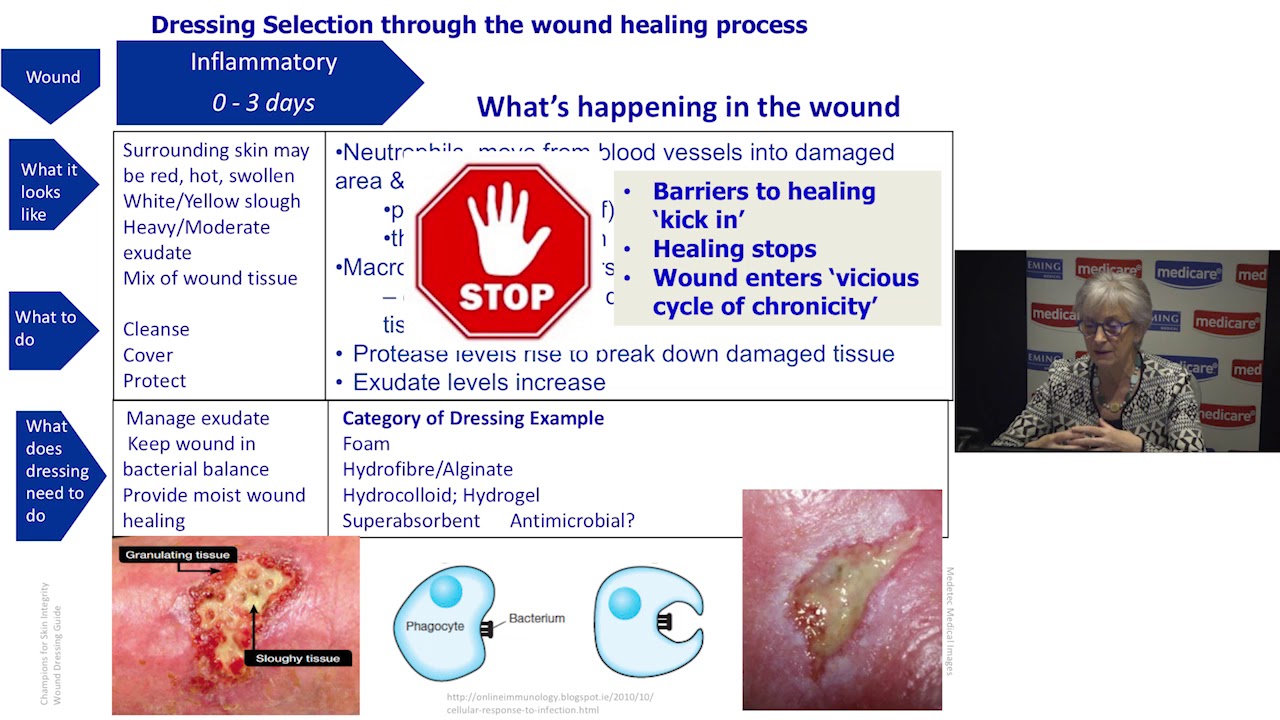
Gauze Dressings Overview
Gauze dressings are very common in wound care. They can be woven or non-woven. These dressings are made from cotton or synthetic fibers. Gauze dressings come in many shapes and sizes. This makes them useful for different wounds.
Gauze dressings do not cost much and are simple to use. You can use them to pack, cover, or clean wounds. They are good for wounds that need new dressings often.
Here is a table showing the main categories of wound dressings and their uses:
Category | Description | Uses |
|---|---|---|
Gauze Dressings | Made of woven or non-woven materials, available in various shapes/sizes. | Infected wounds, wounds requiring packing, draining wounds, frequent dressing changes. |
Transparent Films | Allow oxygen and moisture vapor release, made of polyurethane. | Partial-thickness wounds, donor sites, minor burns, stage I/II pressure ulcers. |
Foams | Non-occlusive, hydrophilic, less likely to stick to delicate wound beds. | Pressure ulcers, minor burns, skin grafts, diabetic ulcers, donor sites, venous ulcers. |
Hydrocolloids | Absorbent, contain colloidal particles that form a gel-like mass. | Burns, pressure ulcers, venous ulcers. |
Alginates | Derived from seaweed, form a gel-like substance with exudate. | Moderate to heavily exudating wounds with irregular contours or sinus tracts. |
Uses and Benefits
Gauze dressings work for many kinds of wounds. They help with burns, chronic wounds, cuts after surgery, skin grafts, and pressure ulcers. Gauze dressings protect soft tissue and keep wounds clean.
You can use gauze dressings for wounds that need packing or draining.
Gauze dressings help keep wounds clean and moist.
They are good for wounds that need new dressings often.
Gauze dressings have many good points:
They do not cost much and are easy to buy.
You can use them for many wound types.
Gauze dressings are easy to put on and take off.
Limitations
Gauze dressings have some downsides compared to other dressings. Gauze dressings cannot keep wounds moist. This can make healing slower and raise the chance of infection. Gauze dressings may stick to wounds and hurt when you take them off.
Tip: Try other dressing types for wounds that need to stay moist or have a lot of fluid.
You should pick the right dressing for each wound to get the best results.
Foam Dressings for Wound Management

SLK Medical Silicone Foam Dressing Features
Foam dressings are good for wounds with lots of fluid. SLK Medical makes silicone foam dressings with special features. These dressings use hydrophilic foam to soak up fluid. The dressings have many layers. There is a waterproof backing, a superabsorbent layer, and a soft silicone layer. The silicone layer sticks softly to the skin. It does not hurt when you take it off. SLK Medical’s foam dressings come with or without borders. You can get shapes for the sacrum, heel, and other body parts. The dressings keep wounds moist and block germs.
SLK Medical uses D-Pore™ technology to help absorb fluid and let air through. This helps wounds heal faster and keeps skin safe.
Unique features of foam dressings:
Hydrophilic foam soaks up fluid fast.
Waterproof backing keeps the dressing on.
Superabsorbent layer holds more fluid.
Gentle silicone adhesive protects weak skin.
Very comfortable and protects skin better than other dressings.
Applications in Wound Care
Foam dressings work for many kinds of wounds. They help with pressure ulcers, venous ulcers, arterial ulcers, diabetic foot ulcers, surgical wounds, and burns. Foam dressings are good for wounds with lots of fluid. They soak up and hold fluid to help healing. Foam dressings fit wounds with odd shapes because they are flexible.
Studies show foam dressings heal wounds faster than hydrocolloid dressings. Foam dressings also keep wounds moist and control fluid better.
Common uses for foam dressings:
Pressure ulcers
Diabetic foot ulcers
Surgical wounds
Burns
Scrapes and cuts
Advantages for Sensitive Skin
Foam dressings from SLK Medical are good for sensitive skin. The silicone layer stops skin from getting hurt or stripped when you change dressings. Research shows silicone foam dressings help stop pressure injuries and keep skin healthy. You can use these dressings for people in intensive care or those who might get skin damage. The soft adhesive and foam protect weak skin and lower pain.
Multilayer silicone foam dressings help stop pressure ulcers in people at high risk and keep skin strong.
Benefits for sensitive skin:
Easy to remove with less pain
Keeps skin strong
Lowers chance of pressure injuries
Comfortable for long use
Transparent Film Dressings and Wound Protection
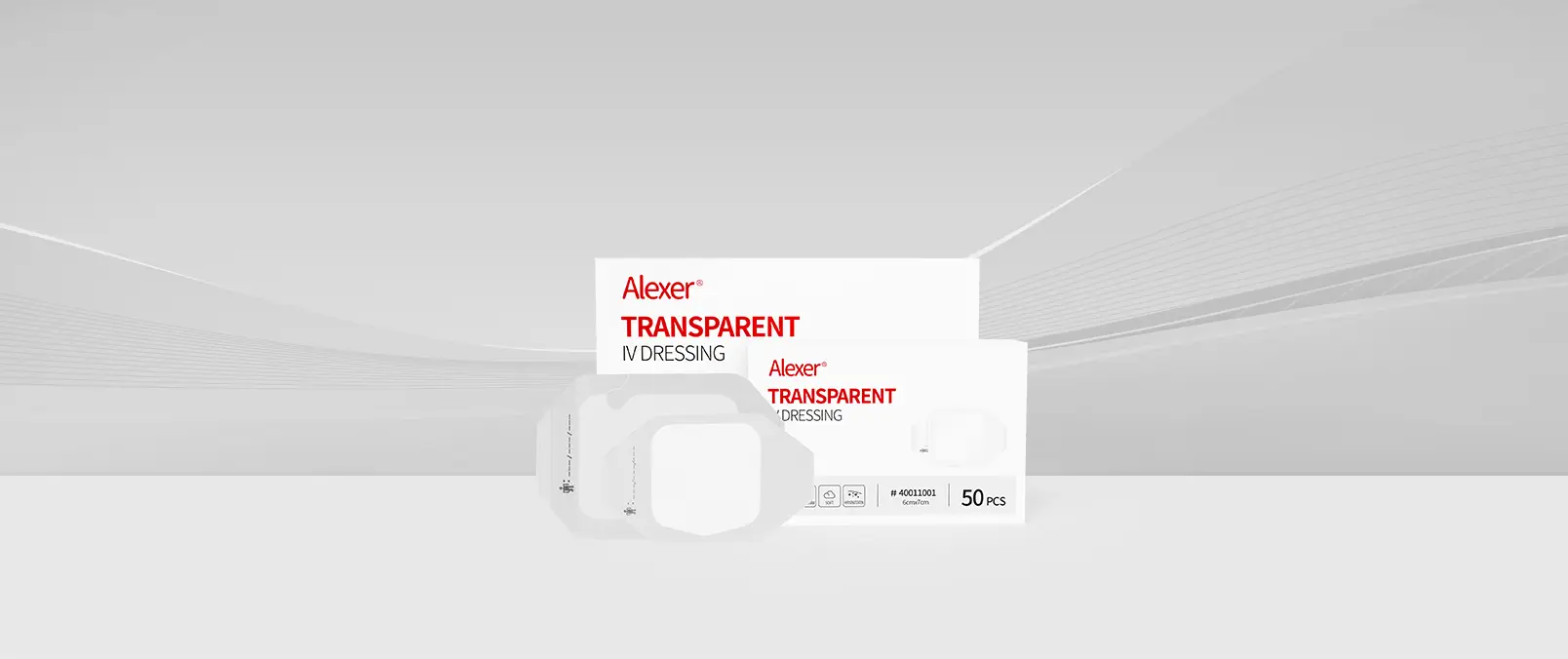
SLK Medical Transparent Dressing Overview
Transparent film dressings protect wounds and let you see them heal. SLK Medical’s dressing uses a thin, see-through polyurethane film. This film lets air in but keeps water out. It feels soft and comfy on your skin. The clear window helps you check the wound without taking off the dressing. Rounded corners stop the dressing from peeling up. SLK Medical uses a special glue that does not cause much skin irritation. You can use this dressing on sensitive skin and tricky spots.
Tip: SLK Medical’s transparent dressings keep wounds safe and clean. You can easily watch for any changes.
Common Uses in Wound Care
Transparent film dressings work for many wounds and skin problems. Here are some common ways to use them:
Protecting small surgical cuts and biopsy spots.
Holding catheters, IVs, and tubes in place.
Covering small wounds like scrapes, blisters, and scratches.
Helping tattoos and cosmetic work heal.
Using as a second layer over other dressings for more moisture control.
These dressings are good for wounds with little fluid. They work well on dry wounds and healthy skin. The dressing sticks well, even on hard-to-cover places.
Key Benefits
Transparent film dressings have many good points for wound care. They keep the wound moist, which helps it heal faster. The dressing blocks germs and water, so you can shower safely. The film protects wounds from rubbing and bumps. You can see the wound through the dressing, so you and your doctor can check healing.
Main protective properties:
Keeps the wound moist for better healing.
Helps your body clean the wound by itself.
Blocks germs and protects from bumps.
Bends to fit elbows and knees.
Waterproof and keeps out bacteria.
Here is a table showing the main benefits of transparent film dressings:
Benefit | Description |
|---|---|
Flexibility and elasticity | Lets you move without pulling your skin. |
Good fixation | Stays put and keeps the wound safe. |
Absorbency | Handles a little fluid and keeps wounds clean. |
Skin protection | Lowers the chance of skin getting sore or blistered. |
Water-resistance | Keeps water out, so you can shower. |
Minimization of dead space | Stops fluid from building up under the dressing. |
Note: Transparent film dressings cost less and are simple to use. You can check wounds without taking off the dressing. This saves time and lowers the chance of infection.
Hydrocolloid Dressings for Wound Healing
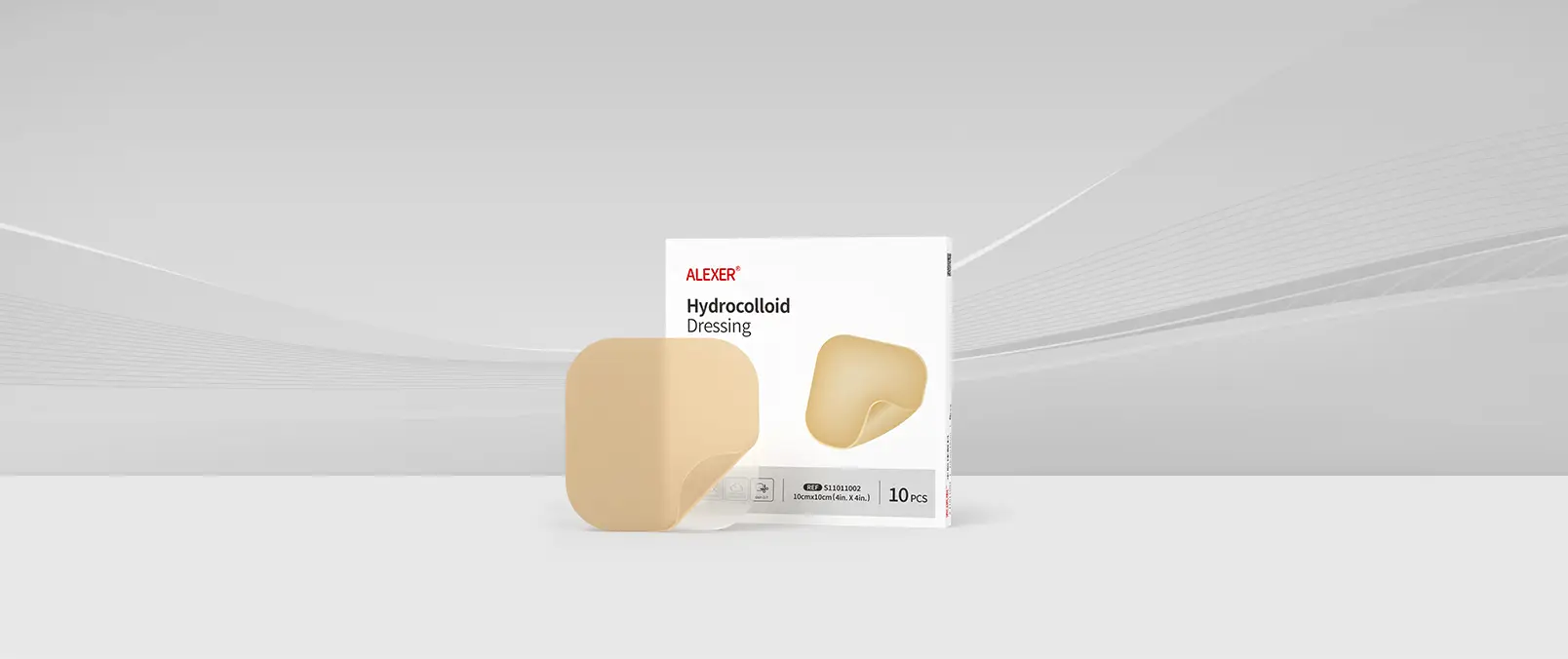
SLK Medical Hydrocolloid Dressing Features
Hydrocolloid dressings help wounds heal more quickly. SLK Medical hydrocolloid dressings use special technology to keep wounds moist. The inside layer has hydrophilic polymers like gelatin, pectin, and sodium carboxymethylcellulose. These materials soak up fluid and turn into a soft gel. The outside layer is waterproof but lets water vapor and gases out. This controls moisture and stops skin from getting too wet. The sticky part holds the dressing on gently. Hydrocolloid dressings also keep out bacteria and keep the wound warm. You will feel less pain when you change the dressing because it cushions the wound.
Main components and benefits:
The inside layer soaks up fluid and makes a gel
The waterproof outside keeps germs out and controls moisture
The sticky part keeps the dressing in place
Keeps moisture in to help healing
Helps remove dead tissue
Keeps the wound warm
Less pain when you change the dressing
Typical Uses
Hydrocolloid dressings work for many wounds. You can use them for cuts, scrapes, blisters, friction burns, and surgical wounds. They also help with sports injuries and wounds in kids. Bad friction burns, gravel rash, and blisters with the top layer off heal well with hydrocolloid dressings. These dressings help wounds heal faster and hurt less.
Common uses include:
Cuts from accidents
Scrapes
Blisters
Friction burns
Surgical wounds
Sports injuries
Wounds in children
A study looked at how fast wounds healed with different dressings. Hydrocolloid dressings healed 74% of wounds. Simple dressings healed only 27%. This shows hydrocolloid dressings help wounds heal faster.
Study | Group | Healing Completion (%) | Significance |
|---|---|---|---|
Hollisaz et al. (2004) | Hydrocolloid | 74% | p<0.005 |
Hollisaz et al. (2004) | Simple Dressing | 27% | N/A |
Pros and Cons
Hydrocolloid dressings have many good points. They keep wounds moist, which helps new skin grow. These dressings protect wounds from germs and lower pain. You can use them for many wounds and they are easy to put on.
Advantages:
Keeps wounds moist
Helps wounds heal and new skin grow
Less pain when you change the dressing
Protects from bacteria
Some people may be sensitive to the sticky part. You should check your skin for any problems. Most people find hydrocolloid dressings safe and helpful for wound care.
Tip: Pick a dressing that fits your wound and skin. SLK Medical hydrocolloid dressings help you heal faster and feel better.
Alginate Dressings: Wound Care Applications
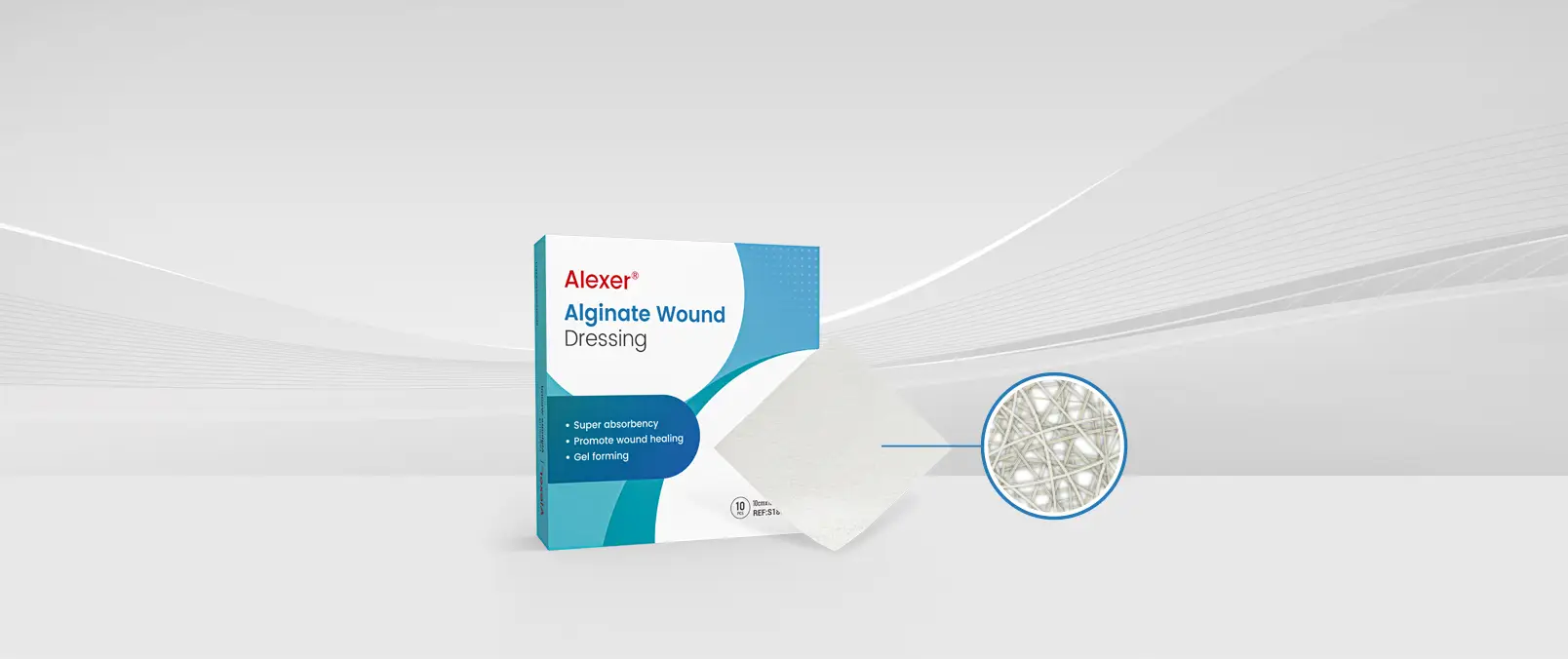
Alginate Dressing Features
Alginate dressings help with wounds that leak a lot. They are made from seaweed. These dressings can soak up lots of fluid. They keep wounds clean and dry. The moist area helps your body fix the wound. You can take off the dressing easily. It does not leave anything behind. The dressing does not stick to the wound. This means less pain when you change it. Alginate dressings are safe for most people. They work well for sensitive skin. Calcium ions in the dressing help blood clot faster if the wound bleeds.
Here is a table showing the main features of alginate dressings:
Feature | Description |
|---|---|
Absorbent Properties | Absorbs up to 20 times its weight in exudate, ideal for moderate to heavy exudate management. |
Moist Environment | Maintains balanced moisture, supporting tissue regeneration. |
Ease of Removal | Biodegradable, easy to remove, reduces trauma to the wound. |
Biocompatibility | Made from seaweed, well-tolerated, does not adhere to wound bed. |
Extended Wear Time | High absorbency means less frequent changes, good for chronic wounds. |
Blood Clotting | Calcium ions help speed up clotting in bleeding wounds. |
Uses in Wound Management
Alginate dressings work for many types of wounds. They are best for wounds that drain a lot. You can use them for burns and surgical wounds. They help with venous ulcers too. Alginate dressings are good for packing deep wounds. They fit wounds with odd shapes. You can use them for split-thickness graft donor sites. They help with Mohs surgery defects. Chronic ulcers and pressure ulcers also use alginate dressings. They help control fluid and protect wounds. For dry wounds, use saline first before putting on the dressing.
Here are common uses for alginate dressings:
Full-thickness burns
Surgical wounds
Venous ulcers
Packing wounds
Chronic ulcers
Higher state pressure ulcers
Split-thickness graft donor sites
Mohs surgery defects
Refractory decubiti
Dry wounds (after saline)
Tip: Alginate dressings are great for wounds that need strong fluid control and gentle removal.
Pros and Cons
Alginate dressings have many good points. They soak up lots of fluid. You do not need to change them often. Some have antimicrobial properties. They are safe for most wounds. Alginate dressings protect wounds and keep moisture balanced.
Here is a table showing the main pros and cons of alginate dressings:
Pros of Alginate Dressings | Cons of Alginate Dressings |
|---|---|
Antimicrobial properties | Silver toxicity (for silver alginate) |
High absorbency | High costs (for silver alginate) |
Safety | Potential allergic reactions (calcium alginate) |
Always check for allergies before using a new dressing. Most people find alginate dressings safe and helpful for wounds with lots of drainage.
Note: Alginate dressings help with wounds that need strong absorption and easy removal. Always pick the dressing that fits your wound’s needs.
Super Absorbent Dressings for Exudating Wounds

SLK Medical Super Absorbent Dressing Overview
Some wounds leak a lot of fluid. Super absorbent dressings soak up and hold this fluid. SLK Medical’s Super Absorbent Dressing Non Adherent uses special layers. The soft contact layer does not stick to the wound. The core absorbs lots of fluid. The backing lets air pass through. This design stops leaks and keeps wounds healthy. The dressing fits body curves well. It lowers pain when you change it.
Here is a table showing the main characteristics of super absorbent dressings:
Characteristic | Description |
|---|---|
Absorption Capacity | Absorbs and holds lots of fluid, good for wounds with much exudate. |
Fluid Retention | Keeps fluid inside, so leaks are less likely. |
Structural Integrity | Stays in place and keeps its shape, even with lots of fluid. |
Sequestration of Harmful Components | Traps enzymes and germs that can slow wound healing. |
Applications in Wound Care
Super absorbent dressings work for many wounds. They are best for wounds that leak a lot, like leg ulcers and pressure ulcers. You can use them for diabetic foot ulcers and surgical wounds. These dressings help control fluid, which helps wounds heal. You may need to change dressings less often. Patients feel less pain when you use these dressings. Studies show super absorbent dressings save money for chronic ulcers. They help with wounds that need strong fluid control and gentle removal.
Super absorbent dressings handle more fluid than other dressings.
They trap harmful bacteria like Staphylococcus aureus and Pseudomonas aeruginosa.
These dressings keep enzymes that can hurt tissue, helping wounds heal.
Key Advantages
Super absorbent dressings are good for wounds with lots of fluid. They soak up and hold fluid. This lowers leaks and stops skin from getting too wet.
You get many benefits from super absorbent dressings. The dressing keeps wounds dry and comfy. You do not need to change dressings as often. This saves time and supplies. The dressing stops skin damage from too much fluid. It also lowers the chance of infection by trapping germs and enzymes. SLK Medical’s super absorbent dressing helps you care for wounds with heavy exudate.
Soaks up and locks fluid away
Fewer dressing changes needed
Less pain when you take it off
Protects skin from getting too wet
Helps wounds heal faster
Wound Dressing Selection: How to Choose the Right Type
Factors to Consider
When you choose a dressing for wound care, you need to look at several important factors. You want the best healing and comfort for each patient. Start by thinking about the goals of wound treatment. Some wounds need to heal quickly for cosmetic reasons. Others need to heal with less pain or fewer dressing changes. You should also look at things that slow healing, like smoking or poor nutrition. If a patient needs frequent dressing changes, you may want a dressing that is easy to remove and replace. Cost can also play a role in your decision.
Here are some key points to consider:
What is the goal of wound care? Do you want fast healing, less pain, or a better cosmetic result?
Are there any factors that slow healing, such as smoking or malnutrition?
Does the patient need dressings changed often?
Is cost important for the patient or clinic?
What is the patient’s skin type? Is the skin sensitive or fragile?
Does the wound have a lot of fluid or is it dry?
Is there a risk of infection?
Tip: Always start by identifying the cause of the wound and any patient-specific needs. This helps you pick the right types of dressing and improve wound care management.
Matching Dressing to Wound Type
You need to match the dressing type to the wound’s condition. Wounds can be dry, moist, infected, or leaking a lot of fluid. Each wound needs a different approach. You should assess the wound’s depth, exudate level, and infection status. The right dressing keeps the wound moist, absorbs extra fluid, and protects against germs.
Follow these steps for wound dressing selection:
Assess the wound type and how much fluid it produces.
Check for signs of infection.
Choose a dressing that fits the wound’s needs.
Here is a table to help you match dressing types to wound conditions:
Wound Condition | Exudate Level | Recommended Dressing Type |
|---|---|---|
Dry wounds | Scant | Hydrogel dressings |
Lightly exuding wounds | Moderate | Hydrocolloid dressings |
Moderately exuding wounds | Moderate to Heavy | Alginate and foam dressings |
Highly exudative wounds | Copious | Absorbent dressings |
You may see wounds like venous ulcers, pressure ulcers, or diabetic foot ulcers. Venous ulcers often leak a lot of fluid. Foam dressings or alginate dressings work well for these types. Dry wounds need moisture, so hydrogels are a good choice. If you see signs of infection, you may need antimicrobial dressings, such as silver dressings.
Dry wounds benefit from hydrogels that add moisture.
Infected wounds may need antimicrobial dressings.
Note: Always look at the wound’s tissue and the skin around it. This helps you pick the most suitable types of wound dressings.
SLK Medical Solutions for Wound Care
SLK Medical offers a wide range of advanced wound care products. You can find dressings for many types of wounds and skin conditions. If you need a dressing for sensitive skin, SLK Medical’s silicone foam dressings provide gentle care and strong absorption. These dressings work well for pressure ulcers, venous ulcers, and diabetic foot ulcers. The silicone layer protects fragile skin and lowers pain during dressing changes.
For wounds with heavy exudate, SLK Medical’s super absorbent dressings help control fluid and keep the wound dry. These dressings fit body curves and reduce the need for frequent changes. If you need a dressing for dry wounds, hydrogel dressings add moisture and help tissue grow back. Hydrocolloid dressings from SLK Medical keep wounds moist and protect against bacteria. You can use them for lightly exuding wounds, blisters, and minor burns.
SLK Medical also provides transparent film dressings for wounds that need protection and easy monitoring. These dressings are waterproof and hypoallergenic. You can use them for catheter sites, minor wounds, and cosmetic procedures. Alginate dressings from SLK Medical help with wounds that leak a lot, such as venous ulcers and surgical wounds. These dressings absorb fluid and support healing.
Callout: SLK Medical’s product range covers all major dressing types. You can choose the best solution for each wound and improve wound care management. Visit SLK Medical’s website to explore more options for wound care.
You can see that matching the right dressing to the wound type is key for successful wound treatment. SLK Medical helps you choose better for your patients by offering advanced types of wound dressings for every need.
You need to understand the types of dressings to manage wounds well. When you choose a dressing, look at the wound and think about what it needs. Some wounds, like ulcers, need special dressings to heal faster. You should talk to a healthcare professional before you pick a dressing for wounds or ulcers. SLK Medical gives you advanced dressings for many wounds. If you want to learn more about wound care, visit SLK Medical’s website for expert solutions.
FAQ
What is the best dressing for wounds with heavy fluid?
Super absorbent dressings work best for wounds with lots of fluid. These dressings soak up and hold extra exudate. SLK Medical’s super absorbent dressing keeps wounds dry. You do not need to change dressings as often.
Can you use foam dressings on sensitive skin?
Foam dressings are safe for sensitive skin. SLK Medical’s silicone foam dressings protect weak skin. The soft silicone layer makes dressing changes hurt less. It also helps stop skin damage.
How often should you change a wound dressing?
Change the dressing depending on the wound and fluid amount. Most dressings need changing every 3 to 7 days. Always listen to your healthcare provider for the best care.
Are SLK Medical dressings waterproof?
SLK Medical dressings have waterproof backings. These dressings keep water and germs out. You can shower without worrying about the dressing falling off.


