


Wound dressing types are the different materials and shapes you use to cover wounds and help them heal. Knowing about wound dressing types is important because picking the right one helps you heal faster, feel less pain, and avoid infection. SLK Medical is a leader in new wound care and gives options for people with sensitive skin and long-lasting wounds. You can find common wound dressing types like gauze, foam, hydrocolloid, transparent film, alginate, hydrogel, non-adherent contact layer dressings, and silver dressings. Each type has its own job, like soaking up fluid or keeping weak skin safe. Newer wound dressings like these help healing by keeping the wound moist and helping your skin get better naturally.
Key Takeaways
Picking the right wound dressing helps wounds heal faster and hurts less.
Keeping the wound moist is important. Dressings like hydrocolloid and foam help wounds stay moist and heal better.
If your wound has a lot of fluid, use foam or alginate dressings. These dressings soak up extra moisture.
Look at your wound closely to choose the best dressing for it.
If you see signs of infection, get help from a doctor right away.
Main Wound Dressing Types
SLK Medical is a top company in wound care. They make new products that help wounds heal faster. These products also keep your skin safe. The company cares about quality and comfort. They use new technology to help you heal better. Picking the right wound dressing helps you or your patients heal well.
Gauze Wound Dressing
Gauze wound dressing is very old and used a lot. You use it to clean wounds and soak up small amounts of fluid. It also protects cuts and scrapes. Gauze is easy to buy and simple to use. It works best for short-term care. But gauze can dry out wounds and stick to skin that is healing.
Tip: Gauze works best for wounds that do not need to stay moist.
Doctors compare gauze to other dressings in studies. The table below shows how dressings work on mice wounds:
Dressing Type | Wound Healing in Wild-Type Mice | Wound Healing in db/db Mice |
|---|---|---|
Hydrocolloid | Healed by day 14 | Wound exudates abundant |
Film | Healed by day 14 | Wound exudates present |
Gauze | Dry wound surface, hypercontracted | Dry wound surface, hypercontracted |
Foam | Dry wound surface, hypercontracted | Dry wound surface, hypercontracted |
You can see that gauze wound dressing often makes wounds dry. Other wound dressing types, like hydrocolloid and film, help wounds heal faster.
Foam Wound Dressing

Foam wound dressing is a newer choice for wounds with lots of fluid. You use foam to soak up fluid and protect the wound. It also keeps the area moist. SLK Medical has many foam dressings. Some are Alexer® Silicone Foam Dressing with Border, Silicone Foam Dressing without Border, and Non Adhesive Foam Dressing. These dressings help with ulcers, burns, and surgical cuts.
Foam dressings are soft on skin and hurt less when changed.
The table below shows the good and bad things about foam wound dressings:
Advantages | Disadvantages |
|---|---|
High absorptivity for exudative wounds | Risk of infection from surrounding environment |
Can be embedded with anti-microbial substances | Potential loss of cells like fibroblasts |
Reduces risk of premature detachment | Stiffness in smaller pore dressings may cause issues |
Silicone layers minimize skin damage during changes | Larger pores may allow for cell transfer but lack stiffness |
SLK Medical’s foam dressings use silicone layers to protect skin and help people with weak skin.
Hydrocolloid Dressing
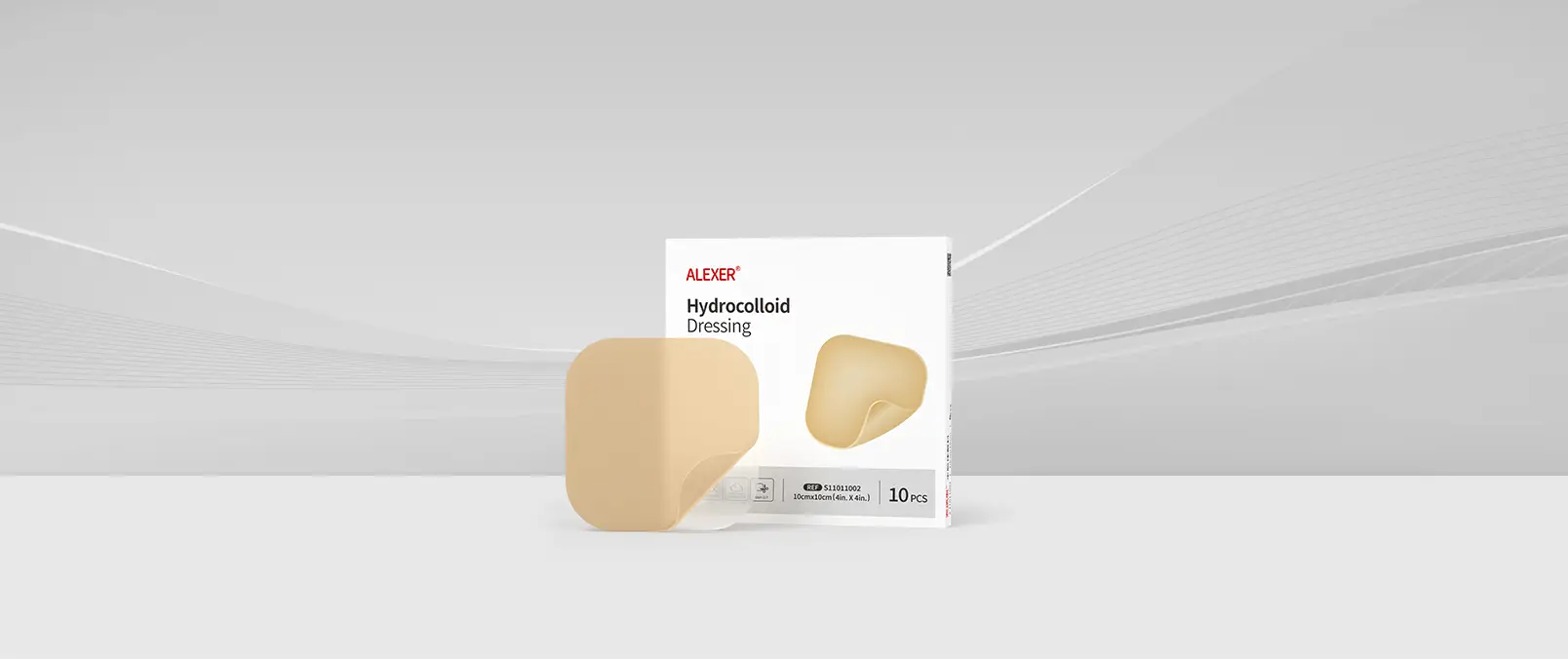
Hydrocolloid wound dressing keeps wounds moist so they heal faster. You use hydrocolloid for shallow wounds, small burns, and pressure sores. SLK Medical’s Hydrocolloid Dressing uses special particles to make a gel. This gel seals and protects the wound.
Hydrocolloid dressings keep wounds moist and help them heal.
They lower infection risk compared to dry dressings.
You can wear them longer and change them less often.
Hydrocolloid dressings work better than gauze for full healing.
They save money by needing fewer changes.
SLK Medical’s hydrocolloid wound dressing bends easily and lets you look at the wound without taking it off.
Transparent Film Wound Dressing

Transparent film wound dressing is thin, bends easily, and is waterproof. You use it to cover wounds and protect catheter sites. It keeps the area clean. SLK Medical’s Transparent Dressing uses a special film and gentle adhesive. It is safe for people with sensitive skin.
You can see the wound without taking off the dressing.
The dressing keeps the wound moist and helps it heal.
The film lets air in but keeps germs out.
Transparent film dressings block bacteria but let water vapor out.
You and your doctor can see the wound clearly and make good choices.
SLK Medical’s transparent film wound dressing gives protection, comfort, and lets you check the wound easily.
Alginate Dressing
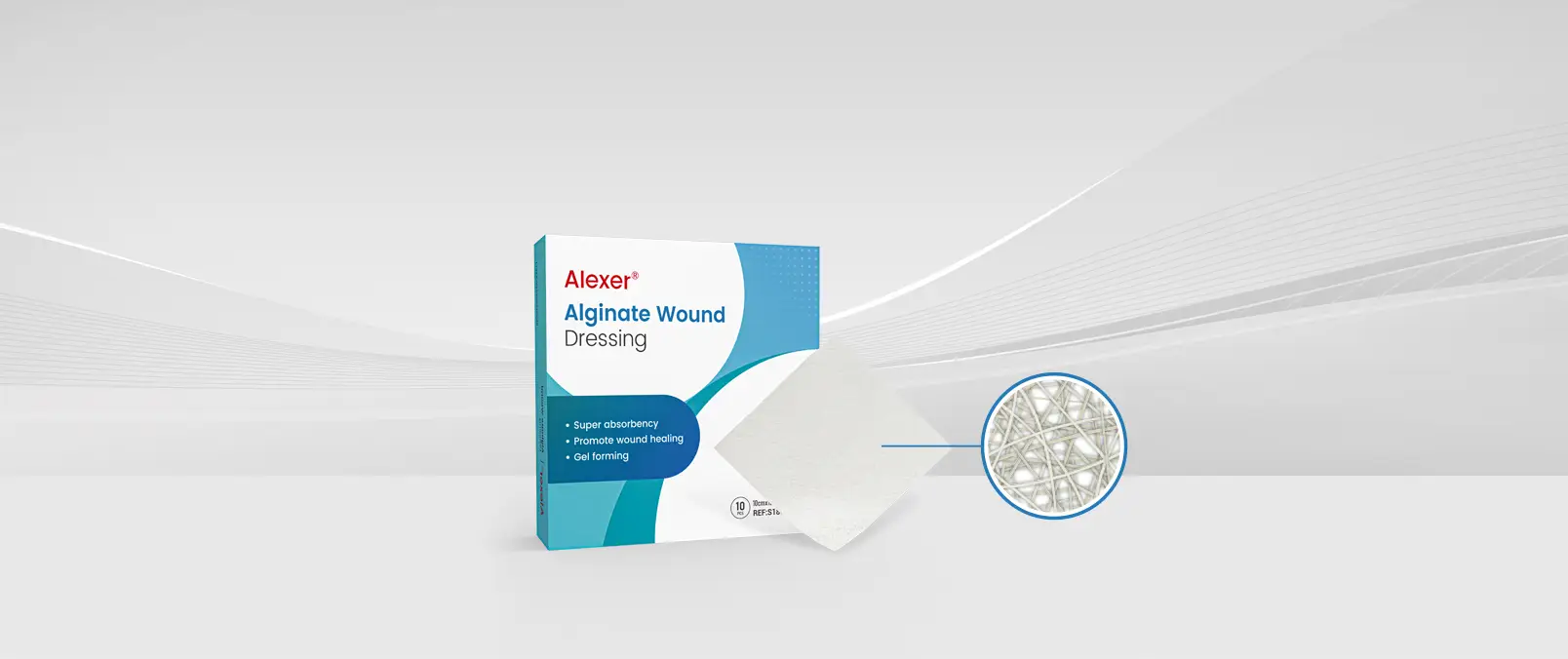
Alginate dressings come from seaweed. They work best for wounds with a lot of fluid. You use alginate to soak up fluid and help wounds like ulcers, burns, and surgical wounds heal. Alginate dressings turn into a gel when they touch wound fluid. This keeps the wound moist.
People using alginate dressings heal faster than with other types.
You do not need as much extra wound care.
Alginate dressings may cost more, but you change them less often.
SLK Medical has strong alginate dressings for wounds that need a lot of fluid control.
Silicone Foam Ag Dressing

Silicone Foam Ag dressings protect wounds while releasing silver ions to reduce harmful bacteria. You use Silicone Foam Ag dressings for wounds that need both cushioning and antimicrobial support. These dressings help lower infection risk and create a clean, safe healing environment.
Silicone Foam Ag dressings help keep the wound moist while controlling bacteria.
You see wounds with high infection risk improve after using Silicone Foam Ag dressings.
The soft silicone layer protects skin, prevents pain during removal, and keeps the dressing securely in place.
SLK Medical provides Silicone Foam Ag dressings designed to manage exudate, reduce bacteria, and support healing for complex and hard-to-treat wounds.
Super Absorbent Dressing
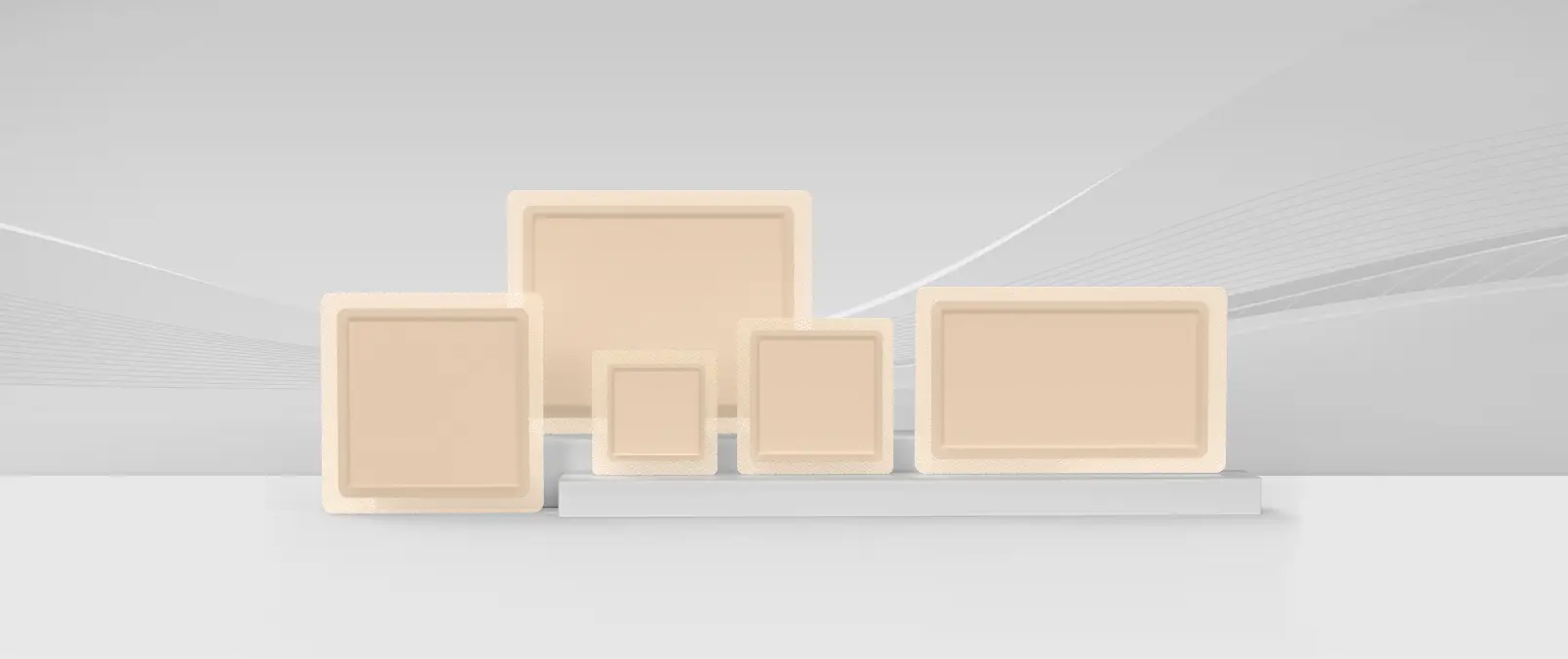
SLK Medical’s Super Absorbent Dressing with Silicone Adherent Layer is designed for wounds that demand exceptional fluid management and gentle protection. Its multi-layer core rapidly absorbs and locks in large volumes of exudate, helping reduce maceration and maintain an ideal moist healing environment.
The soft silicone contact layer ensures secure yet atraumatic adhesion, minimizing pain during removal and safeguarding fragile skin.
With a breathable, bacteria-resistant outer layer and strong fluid-handling capacity, this dressing is ideal for highly exuding wounds such as venous leg ulcers, pressure injuries, and post-operative sites—supporting cleaner wounds, longer wear time, and more efficient wound care.
You have many wound dressing types to pick from. SLK Medical gives you new choices for every wound care need. This helps you heal faster and feel better.
How Wound Dressing Types Support Healing
Moisture Balance
Your wound needs the right amount of moisture to heal. If it is too dry, new skin cannot grow well. If it is too wet, healing slows down and skin can break. SLK Medical uses D-Pore™ technology in foam dressings. This helps control moisture. Air can move through the dressing. It also soaks up extra fluid. This keeps the wound moist and helps skin repair faster.
Here is how moisture balance helps healing:
Evidence | Description |
|---|---|
1 | Moisture balance is very important for wound healing. |
2 | Too much or too little moisture slows down healing. |
3 | Good moisture control makes wounds heal faster and need fewer changes. |
4 | Dressings like hydrogels, hydrocolloids, and alginates help keep moisture right. |
5 | The dressing you pick changes the moisture at the wound. |
You should use dressings like hydrocolloid, hydrogel, or foam. These keep wounds moist and help them heal faster.
Infection Protection
It is important to keep your wound safe from germs. Some dressings, like SLK Medical’s Silicone Foam Ag Dressing, use ionic silver. This fights bacteria and keeps wounds clean. Alginate dressings also help stop germs and help healing. Studies show how dressings work:
Dressing Type | 95% CI | SUCRA Probability | |
|---|---|---|---|
Alginate | 0.64 | 0.38–1.08 | 0.73 |
Hyaluronic Acid | 0.22 | 0.06–0.79 | 0.08 |
Pick the dressing that fits your wound’s needs. This helps you heal better.
Comfort and Skin Sensitivity
Your wound dressing should feel good and protect your skin. SLK Medical’s silicone foam dressings use soft silicone layers. These layers stick gently and do not hurt when you take them off. If you have sensitive skin or a wound that lasts a long time, silicone foam dressings help you feel less pain. Hydrocolloid dressings keep wounds moist and do not stick to the wound. This makes changes easier and less painful.
If your skin is fragile, pick dressings that are soft and gentle. This helps you heal with less pain and worry.
Always choose a dressing that fits your wound and skin. This helps you heal faster and feel more comfortable.
Choosing the Right Types of Wound Dressings
Assessing Wound Characteristics
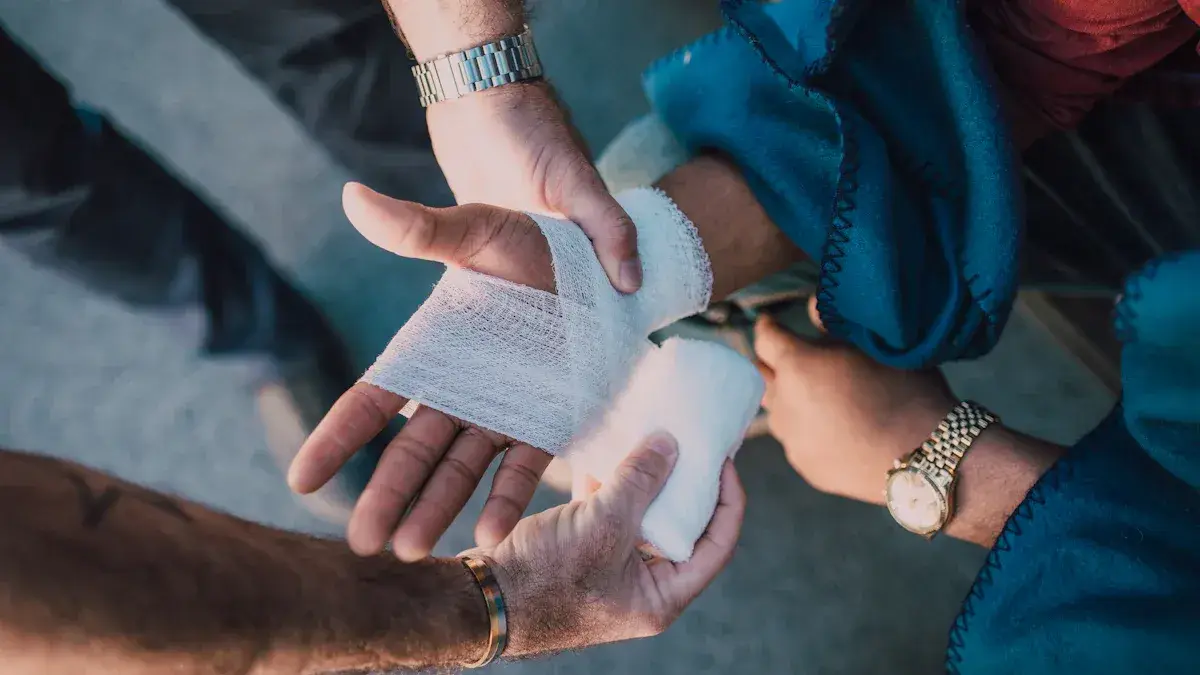
You need to look at your wound before you pick a dressing. Each wound is different. You should check the size, depth, and how much fluid comes out. You also need to know what caused the wound. Some wounds come from pressure, others from burns or cuts. You should look at your wound often to see if it changes. This helps you choose the best dressing each time.
Look at the wound’s size and depth.
Check how much fluid the wound makes.
Find out what caused the wound.
Inspect the wound often for changes.
If you have sensitive skin or a chronic wound, you should use gentle dressings. SLK Medical’s silicone foam dressings work well for fragile skin.
Matching Dressing to Wound Type
You can match the dressing to your wound for better healing. The table below shows which dressings work best for different wounds. SLK Medical offers many of these options.
Wound Type | Recommended Dressings |
|---|---|
Diabetic foot ulcer | Silicone foam dressing, silicone foam ag dressing, super absorbent dressing |
Pressure injury | Foam dressing, hydrocolloid dressing, multi-layered soft silicone foam dressings, silicone foam ag dressing, super absorbent dressing |
Burn and scald | Moist occlusive dressing, foam dressing |
Chronic venous leg ulcer | Alginate dressing, foam dressing, silicone foam ag dressing, super absorbent dressing |
Radiation dermatitis | Film dressing |
You may wonder when to use a gauze wound dressing. Use gauze for wounds with little fluid and when you need to clean the area. If you ask when to use a foam wound dressing, pick foam for wounds with moderate to heavy fluid, like ulcers or burns. When to use a transparent film wound dressing? Choose film dressings for shallow wounds or to cover catheter sites. When to use a hydrocolloid wound dressing? Use hydrocolloid for shallow wounds that need moisture, like small burns or pressure sores. When to use a hydrogel wound dressing? Pick hydrogel for dry wounds that need extra moisture.
Tips for Application and Removal
You can help your wound heal by using dressings the right way. Always wash your hands before and after touching your wound. Use clean tools and keep the area as germ-free as possible. Watch your wound for redness, swelling, or pain. These signs may mean infection. Change your dressing as your doctor tells you. If you use antimicrobial dressings, do not use them too often. This helps stop germs from becoming stronger. Keep the wound moist but not too wet.
Wash your hands before and after wound care.
Use clean and sterile tools.
Watch for signs of infection.
Change dressings as needed.
Keep the wound moist for better healing.
If you have sensitive skin, choose dressings that are soft and easy to remove, like SLK Medical’s silicone foam dressings. For chronic wounds, check your wound often and talk to your doctor if you see changes.
SLK Medical Advanced Solutions
Silicone Foam Dressing Innovations
You want dressings that help you heal and hurt less. SLK Medical uses new silicone foam to protect skin and help healing. D-Pore™ technology lets air pass through and soaks up extra fluid. This keeps wounds moist and helps skin grow back. The soft silicone layer stops sticking and makes changes easy. You can use these dressings for sensitive skin or wounds that last a long time.
SLK Medical makes dressings for special wound spots. These products stop sticking and help wounds heal naturally.
Unique Features | Description |
|---|---|
Focus on Special Wound Areas | Made for sensitive skin and wounds that last. |
Prevention of Adhesion | Products stop sticking to the wound. |
Promotion of Wound Healing | Made to help wounds heal faster. |
Transparent Film Wound Dressing Benefits
You need dressings that protect and let you see healing. SLK Medical’s transparent film dressing is waterproof and lets you see the wound. The thin PU film is soft and stretches easily. You can use it for catheter sites or shallow wounds. The dressing keeps germs out and lets air in. The soft adhesive is good for sensitive skin.
You can see the wound without taking off the dressing.
The film keeps wounds moist and blocks germs.
Rounded corners stop curling and keep the dressing in place.
Super Absorbent and Hydrocolloid Options
You want dressings that soak up lots of fluid and help healing. SLK Medical’s super absorbent dressings use a special core to hold more fluid than regular foam. You change dressings less and save money. Hydrocolloid dressings make a gel to keep wounds moist and protect nerves. You can use hydrogel dressings for dry wounds that need moisture. These choices help you heal faster and feel better.
Study Type | Findings | Comparison | Cost Impact |
|---|---|---|---|
Cost-utility analysis (Germany) | Superabsorbent dressings help health | Compared with other dressings for leg ulcers | Lower care cost |
Cost-utility analysis (France) | Superabsorbent dressing works better | Compared with foam dressings | Better health and lower cost |
Cost-comparison analysis (USA) | Superabsorbent saves money over NPWT | N/A | |
Ulcer closure outcomes | Healed ulcers ranged from 39% to 56% | CMC vs. superabsorbent dressings | N/A |
Dressing change outcomes | Fewer changes with superabsorbent dressings | Compared to before | N/A |
You can use hydrogel and hydrocolloid dressings for wounds needing moisture and gentle care. SLK Medical gives you new solutions that help healing and save money.
Special Considerations
Sensitive Skin and Chronic Wounds
You need to pay extra attention when caring for wounds on sensitive skin or wounds that do not heal quickly. Picking the right dressing helps you avoid pain and protects your skin. SLK Medical offers dressings designed for these needs. Silicone foam dressings give strong protection and absorb fluid while staying gentle on your skin. Hydrocolloid dressings keep wounds moist and help with pain relief. Alginate dressings work well for wounds with a lot of fluid. If you have fragile skin, silicone foam dressings without borders are soft, waterproof, and easy to cut for a perfect fit.
Here is a table to help you choose the best dressing for sensitive skin and chronic wounds:
Dressing Type | How It Helps Sensitive Skin and Chronic Wounds |
|---|---|
Silicone Foam Dressing | Protects, absorbs fluid, keeps wound moist |
Hydrocolloid Dressing | Maintains moisture, soothes pain, good for low fluid wounds |
Alginate Dressing | Absorbs heavy fluid, helps healing |
Fights infection, safe for wounds at risk | |
Silicone Foam Dressing (no border) | Gentle, waterproof, can be cut to fit weak skin |
When you care for sensitive skin, avoid strong adhesives. Use a barrier wipe under foam dressings to protect your skin. Remover wipes help take off dressings gently. Always remove dressings slowly to avoid hurting new skin.
Other things to think about include:
Check how much fluid the wound makes.
Pick dressings that feel comfortable and are easy to remove.
Make sure the dressing lets moisture out to prevent skin damage.
Look for dressings that help remove dead tissue if needed.
Think about how long you can leave the dressing on.
When to Seek Professional Help
Sometimes wounds need more than home care. You should see a healthcare professional if you notice any of these signs:
Pain that does not go away or gets worse
Changes in the color of the wound or skin around it
Bad smell coming from the wound
More fluid or pus than before
Swelling or warmth near the wound
The wound does not heal or gets bigger
You have health problems like diabetes or poor blood flow
The same wound keeps coming back
If you see any of these signs, get help from a doctor or nurse. They can give you the right treatment and help you heal safely.
Always check your wound often. Using the right SLK Medical dressing can help, but some wounds need expert care.
If you know about wound dressing types, you can help wounds heal faster. You also lower the chance of problems. SLK Medical has special products that protect your skin and help healing. Here is a simple checklist to help you pick the right dressing:
Dressing Type | Key Features |
|---|---|
Classic Gauze | Takes in moisture, lets skin get air, comes in many sizes |
Hydrocolloid | Makes a gel, keeps wound wet, stops germs |
Foam | Takes in lots of fluid, keeps wound wet |
Alginate | Becomes gel, fits wound shape, easy to take off |
If your wound is bad or not getting better, talk to a doctor or nurse. For more help with wound care, check out these links:
FAQ
What is the best dressing for wounds with a lot of fluid?
You should use foam or alginate dressings for wounds with heavy fluid. SLK Medical’s foam dressings absorb extra fluid and keep the wound moist. Alginate dressings also work well for deep or draining wounds.
How often should I change my wound dressing?
You should change your dressing as your doctor tells you. For most wounds, change it every 3 to 7 days or when it becomes wet or dirty. Always check the wound for signs of infection.
Can I shower with a wound dressing on?
Yes, you can shower with waterproof dressings like SLK Medical’s silicone foam or transparent film dressings. These dressings keep water out and protect your wound while you wash.
What dressing should I use for sensitive skin?
You should pick silicone foam dressings. These dressings are gentle and do not stick hard to your skin. SLK Medical’s silicone foam dressings help protect fragile or sensitive skin.
How do I know if my wound is infected?
Look for redness, swelling, pain, or pus. You may also notice a bad smell or warmth around the wound. If you see these signs, talk to your doctor right away.


