


Choosing the right wound dressing makes a real difference in how well and how quickly you heal. You need to look at the wound’s stage and what it needs to recover. When you use advanced solutions from SLK Medical, you help your body heal faster and with less pain. Many patients see better results and shorter healing times when they use these types of wound dressing. SLK Medical leads the way with new technology and a strong focus on patient comfort.
Key Takeaways
Pick the right wound dressing for the wound’s stage and needs. This helps the wound heal faster. Check the wound often for infection signs. Change the dressing if you need to. Choose dressings that fit the wound type, how deep it is, and how much fluid it has. This helps the wound heal better. Think about how comfortable the dressing is for the patient. Also, think about if their skin is sensitive. This can help lower pain. Use a quick reference table to help you pick the best dressing.
Wound Healing Stages and Assessment
Understanding the stages of wound healing helps you choose the right care for your wound. Each stage has unique signs and needs. Here is a simple table to show you the main stages and what happens in each:
Stage | Description |
|---|---|
Hemostasis | Your body stops bleeding by forming a clot and a scab. |
Inflammation | Blood flow increases, causing redness and swelling. White blood cells clean the wound. |
Rebuilding (Proliferative) | New tissue forms with collagen, and a fresh scar starts to appear. |
Maturation | The wound gets stronger and may look pink or puckered as it finishes healing. |
Inflammatory Phase
You notice the inflammatory phase right after an injury. This stage of wound healing brings heat, redness, swelling, and pain to the area. You may see fluid build up around the wound. The skin can feel warm and look red. You might feel pain or discomfort. These signs show your body is fighting germs and cleaning the wound. This phase is important because it prepares the wound for new tissue.
Redness (erythema)
Heat
Pain
Proliferative Phase
During the proliferative phase, your body starts to rebuild the wound. You see new tissue grow. Collagen forms and fills the wound. Tiny blood vessels grow to bring oxygen and nutrients. The wound edges pull together. The skin starts to cover the wound again. This phase is key for wound healing because it makes the wound stronger and smaller.
What happens:
New blood vessels form
Granulation tissue fills the wound
The wound gets smaller
Maturation Phase
The maturation phase is the last part of wound healing. The wound becomes stronger as collagen changes and lines up better. The scar may look pink or puckered at first. Over time, the tissue gets tougher and the scar fades. The wound edges pull together more, and the area becomes less noticeable. You need less protection now, but gentle care still helps.
Changes you may see:
The wound contracts and closes
The scar gets smoother and lighter
Tip: Knowing which stage your wound is in helps you and your healthcare provider pick the best dressing for faster healing.
Key Factors in Wound Dressing Selection
Choosing the right dressing helps you support wound healing and protect your skin. You need to look at several important factors before you decide which product to use. These include the type and depth of the wound, the amount of fluid (exudate), and the risk of infection.
Wound Type and Depth
You must first look at the type and depth of your wound. Some wounds are shallow, while others go deeper into the skin. The location and size also matter. If you have a wound with dead tissue, you may need a dressing that helps remove it. For example, foam dressings work well for wounds that need moisture and protection. You should also think about comfort and how the dressing fits your body.
Factor | Description |
|---|---|
Different wounds need specific dressings for best healing. | |
Dressing properties | Moisture retention and absorption are important for wound healing. |
Patient-specific | Allergies and sensitivities affect your choice. |
Tip: Regular wound assessment helps you see changes and adjust your care plan.
Exudate Level
Exudate is the fluid that comes from a wound. You need to check how much fluid is present and what it looks like. Some wounds have clear fluid, while others may have blood or thick, colored discharge. The type of exudate can tell you how the wound is healing.
Type of Exudate | Description |
|---|---|
Serous | Clear or pale yellow, shows normal healing. |
Sanguineous | Pink or red, means new tissue is forming. |
Serosanguineous | Mix of clear fluid and blood, common in healthy wounds. |
Purulent | Thick, yellow, green, or brown, may have a bad smell and signal infection. |
If you see a lot of fluid, you may need a dressing that absorbs more, like super-absorbent dressings.
Infection Risk
You must watch for signs of infection. These include redness, swelling, warmth, pain, and changes in exudate. If you notice these signs, you should choose a dressing that protects against germs and helps healing.
Increased redness around the wound
Swelling or puffiness
Warm skin near the wound
More pain than usual
Changes in fluid color or smell
Indicator | Description |
|---|---|
Excessive bleeding | May raise infection risk. |
Suspected infection | Pain, redness, and swelling are warning signs. |
Potential dehiscence | Wound opening can lead to infection. |
Note: Proper wound management starts with finding the cause and looking at patient needs.
You help your wound healing process when you match the dressing to these key factors.
Types of Wound Dressing for Different Needs
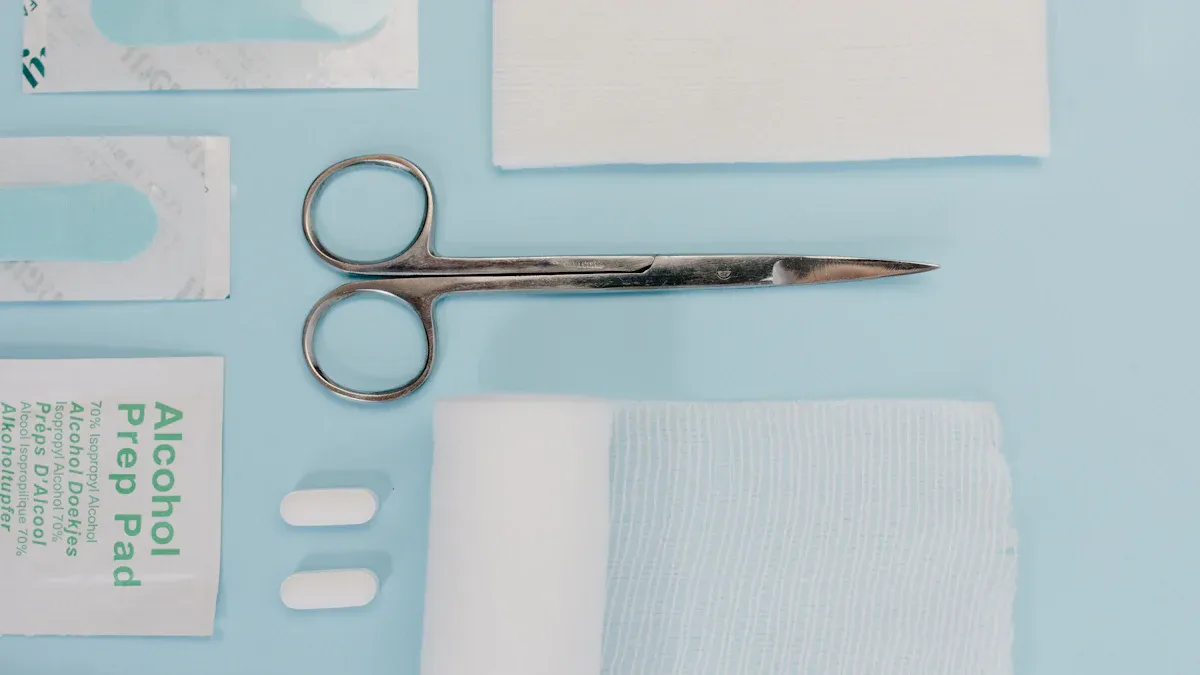
There are many wound dressings to pick from. Each one works best for certain wounds and healing times. The table below shows how each dressing is used:
Type of Dressing | |
|---|---|
Gauze dressings | Gauze dressings soak up fluid and protect wounds. They can stick and hurt when you take them off. |
Non-adherent dressings | Non-adherent dressings do not stick. They are good for soft skin but not for wounds with lots of fluid. |
Hydrocolloid dressings | Hydrocolloid dressings keep wounds moist and soak up some fluid. They block germs and work for wounds with a little fluid. |
Foam dressings | Foam dressings give a cushion and soak up lots of fluid. They are used for wounds with more fluid. |
Alginate dressings | Alginate dressings turn into a gel and handle lots of fluid. They help with deep wounds and tunnels. |
Transparent film dressings | Transparent film dressings are waterproof. You can see the wound and they keep out dirt. |
Hydrogel dressings | Hydrogel dressings add moisture to dry wounds. They are good for burns and wounds with dead tissue. |
Collagen dressings | Collagen dressings help wounds heal and lower swelling. They are used for deep or long-lasting wounds. |
Silver dressings | Silver dressings fight germs. They are for infected wounds but not for long use. |
Composite dressings | Composite dressings mix materials for wounds that need different things. |
Silicone Foam Dressings (SLK Medical)
Function
Silicone foam dressings are for wounds with medium or lots of fluid. They soak up fluid and protect your skin. The Alexer® Silicone Foam Dressing uses new technology to handle fluid and lower infection risk.
Benefits
D-Pore™ technology helps control fluid and lets skin breathe.
These dressings spread out pressure and lower the chance of skin getting too wet.
They feel soft on sensitive skin and hurt less when changed.
Studies show silicone foam dressings help wounds heal faster and leak less.
When to Use
Use silicone foam dressings for pressure ulcers, leg ulcers, diabetic foot ulcers, and after surgery. They are good for wounds with medium to high fluid.
Non Adhesive Foam Dressings (SLK Medical)
Function
Non adhesive foam dressings are soft and do not stick. Fluid goes through them to another dressing. You can cut them to fit any wound.
Benefits
They are comfy for sensitive skin.
They do not hurt much when you take them off.
They control moisture for faster healing.
They keep out germs and dirt.
They lower the chance of allergies.
Studies show non-adhesive foam dressings lower pain and help wounds heal in a moist place.
When to Use
Use non adhesive foam dressings for wounds with soft skin or when you need to change dressings often. They work for wounds after surgery, ulcers, and burns.
Super Absorbent Dressings (SLK Medical)
Function
Super absorbent dressings are for wounds with lots of fluid. They soak up and hold a lot of fluid.
Benefits
They soak up a lot of fluid.
You do not need to change them as often.
They hurt less when you take them off.
They fit the shape of your body.
They help healing by stopping some bad enzymes.
Super absorbent dressings work better than old dressings for wounds with lots of fluid.
When to Use
Use super absorbent dressings for leg ulcers, pressure ulcers, diabetic foot ulcers, and surgery wounds with lots of fluid.
Hydrocolloid Dressings (SLK Medical)
Function
Hydrocolloid dressings soak up fluid and make a gel over the wound. They keep the wound moist and safe.
Benefits
They stick gently.
They help the body clean the wound.
They keep the wound moist for healing.
You can see the wound without taking off the dressing.
When to Use
Use hydrocolloid dressings for wounds that are not deep and do not have much fluid, like small burns, scrapes, and small ulcers.
Transparent Dressings (SLK Medical)
Function
Transparent dressings make a clear cover that lets skin breathe. They protect wounds and medical tubes.
Benefits
They keep the wound moist to help healing.
They block germs to stop infection.
They let air in.
You can see the wound without taking off the dressing.
Transparent film dressings help you watch healing and lower infection risk.
When to Use
Use transparent dressings for places with catheters, IVs, small wounds, or as a second dressing.
Wound Dressing Selection by Wound Stage
Acute and Surgical Wounds
You need to act quickly and choose the right dressing for acute and surgical wounds. These wounds often have clean edges and may produce moderate to high fluid. You want to keep the area moist, absorb extra fluid, and protect the new tissue. Silicone foam dressings from SLK Medical work well for these wounds. They absorb fluid, cushion the area, and do not stick to the skin. You can also use super absorbent dressings if you see a lot of fluid.
A recent study showed that gelling fiber dressings help wounds heal faster. The study found that these dressings absorbed fluid well and improved the wound edge. Wound size dropped by more than half, and pain levels went down. You can see better healing when you use dressings that keep the wound moist and clean.
Tip: For surgical wounds, always check for signs of infection and change the dressing as your healthcare provider recommends.
Best choices for acute and surgical wounds:
Silicone foam dressings (Alexer® Silicone Foam Dressing)
Super absorbent dressings (Alexer® Super Absorbent Dressing Non Adherent)
Gelling fiber dressings for high fluid wounds
Chronic and Exudative Wounds
Chronic wounds, like pressure ulcers or diabetic foot ulcers, need special care. These wounds often last a long time and may leak a lot of fluid. You need a dressing that can handle this fluid and keep the wound moist. Super absorbent dressings from SLK Medical are a strong choice. They soak up large amounts of fluid and help prevent the skin around the wound from getting too wet.
Foam dressings also work well for chronic wound care. They keep the wound moist and protect it from germs. If you see signs of infection, you may need an antimicrobial dressing. Always check the wound often and adjust your dressing selection as the wound changes.
Key points for chronic and exudative wounds:
Use super absorbent dressings for heavy fluid.
Foam dressings help keep the wound moist and safe.
Watch for infection and change the dressing as needed.
Infected or At-Risk Wounds
You must pay close attention to wounds that look infected or are at risk. Infection can slow healing and cause more problems. You should look for redness, swelling, warmth, pus, or a bad smell. If you see these signs, you need to act fast.
Change the dressing often to keep the wound clean.
Watch for new signs of infection every day.
Keep the wound moist to help it heal and lower scarring.
Ask your healthcare provider before using antibiotic ointments.
Follow all infection control steps, like washing your hands and using clean gloves.
Moist wound healing helps cells grow and lowers pain. Hydrocolloid dressings and foam dressings from SLK Medical help keep the wound moist. For wounds with a high risk of infection, silver-based dressings like the Alexer® Silicone Foam Ag Dressing can help kill bacteria and protect the wound.
Infection prevention is the most important part of wound care. Good hygiene and quick action help wounds heal better.
Best choices for infected or at-risk wounds:
Silver-based dressings (Alexer® Silicone Foam Ag Dressing)
Hydrocolloid dressings for moisture balance
Foam dressings for extra protection
Sensitive or Fragile Skin
If you have sensitive or fragile skin, you need a gentle dressing. Some dressings can stick too much and hurt when you take them off. SLK Medical offers silicone foam dressings and non-adhesive foam dressings that are soft and easy to remove. These dressings protect your skin and help the wound heal without causing pain.
You can also use contact layers. These dressings do not stick to the wound and let fluid pass through to another dressing. Specialty absorbent dressings help keep the area dry and safe. Hydrogels add moisture and help the skin heal.
Benefits | |
|---|---|
Contact Layers | Do not stick to the wound. Help healing without hurting the skin. |
Foam Dressings | Soak up fluid and protect fragile skin. |
Hydrogels | Keep the wound moist and help new skin grow. |
Specialty Absorbent | Pull fluid away and protect the skin from damage. |
Note: Always check your skin for redness or pain when you change the dressing. Choose a dressing that fits your needs and feels comfortable.
Best choices for sensitive or fragile skin:
Silicone foam dressings (Alexer® Silicone Foam Dressing)
Non-adhesive foam dressings (Alexer® Non Adhesive Foam Dressing)
Contact layers for extra gentle care
You can make the best wound dressing selection by looking at the wound stage, fluid level, infection risk, and your skin type. This helps you heal faster and feel more comfortable.
Practical Tips for Choosing Wound Dressings
Clinical Assessment
You need to start with a careful clinical assessment before you select any wound dressing. This step helps you understand the wound and choose the best wound care solution. Follow these steps to make your clinical decision easier:
Find out what caused the wound. This helps you plan the right wound care.
Set clear goals for treatment. You may want to close the wound or manage other health problems.
Use the TIME method:
T: Remove dead tissue and clean the wound.
I: Control infection and lower bacteria.
Think about how much fluid the wound has. Choose a dressing that keeps the wound moist but not too wet.
Look at other issues, like what products you have and what the patient needs to know.
Tip: A good clinical assessment helps you match the wound care product to the wound’s needs.
Cost and Accessibility
You need to think about cost and accessibility when you choose wound dressings. Advanced wound care products may cost more for each dressing, but they often save money over time. They help wounds heal faster and lower infection rates. This means you spend less on hospital visits and supplies.
Dressing Type | Unit Price | Overall Cost | Healing Outcomes | Infection Rates |
|---|---|---|---|---|
Advanced | Higher | Lower overall | Improved | Reduced |
Traditional | Lower | Higher overall | Standard | Increased |
Negative Pressure Wound Therapy can also save money for diabetic wounds. It uses fewer hospital resources and lowers costs. You need to check what wound care products are available in your clinical setting. Some places have more choices and better monitoring.
Factor | Description |
|---|---|
Size, depth, fluid, and infection status guide dressing selection. | |
Patient-Specific | Health problems, movement, and skin type affect wound care needs. |
Resource Availability | Budget and product supply change what you can use. |
Effectiveness | Dressings that heal wounds faster are better for clinical outcomes. |
Cost | Price can limit options in some clinical settings. |
Care Setting | Hospitals often have more wound care choices than clinics or home care. |
Patient Comfort
Patient comfort matters in wound care. You want to choose dressings that lower pain and help the patient feel better. Some dressings, like Flaminal, can reduce pain scores and help wounds heal faster. Patients often say they feel less pain and can move more easily when you use the right wound care products.
Dressings that lower pain help patients return to normal life.
Less pain means better sleep and more activity.
Wounds that heal faster improve quality of life.
Note: Always ask patients how they feel about their wound care. Comfort leads to better healing and happier patients.
Quick Reference Table for Wound Dressing Selection
When you choose a wound dressing, you want a tool that helps you make the right choice quickly. A quick reference table gives you a clear way to match the dressing to your wound’s needs. You can use this table to check important factors and pick the best product for healing.
Tip: Use this table each time you assess a wound. It helps you make fast, smart choices and improves care for your patients.
Key Element | What to Look For | Why It Matters |
|---|---|---|
Wound Depth | Is the wound shallow or deep? | Deep wounds may need thicker or layered dressings for protection. |
Exudate Amount | Does the wound have little, moderate, or heavy fluid? | More fluid means you need a dressing that absorbs well and keeps the skin dry. |
Dressing Frequency | How often will you change the dressing? | Some dressings last longer and reduce pain from frequent changes. |
Patient-Related Factors | Who will change the dressing? Does the patient have allergies or sensitive skin? | Choose dressings that are easy to use and gentle for the patient’s needs. |
Wound Size | Is the wound small, medium, or large? | The dressing should cover the wound fully to prevent leaks and protect the skin around it. |
Documentation | Are you keeping good records of the wound and dressing changes? | Good notes help you track healing and support insurance or medical needs. |
A quick reference table does more than save time. You get a simple guide that helps you pick the right dressing based on wound features. This tool lets you make informed decisions and improves the quality of care you give. You can feel confident that you are choosing the best option for each wound.
😊 Remember: The right dressing at the right time leads to better healing and happier patients.
You play a key role in helping each patient heal. When you look at the wound’s stage and needs, you choose the best care for every patient. The right dressing supports the patient’s healing, manages fluid, and protects new tissue. You also think about cost and what is available for the patient.
The wound’s condition guides your choice for each patient.
You select dressings based on drainage, infection risk, and patient comfort.
You consider cost and what works best for the patient.
If a patient’s wound does not improve in a few weeks, you should talk to a healthcare professional. You need to watch for infection or pain in the patient. Some wounds, like diabetic foot ulcers or deep wounds, need a specialist. Always use the quick reference table to help you make the best choice for your patient. SLK Medical offers advanced solutions to help every patient heal faster and feel better.
FAQ
What dressing should you use for a wound with lots of fluid?
You should choose a super absorbent dressing. This type soaks up extra fluid and keeps the skin dry. SLK Medical’s super absorbent dressings help wounds heal faster and lower the risk of skin damage.
How often should you change your wound dressing?
You need to change your dressing when it gets wet, dirty, or as your healthcare provider recommends. Some advanced dressings last up to 7 days. Always check your wound for signs of infection.
Tip: Clean hands before and after every dressing change.
Can you shower with a dressing on?
You can shower with waterproof dressings like SLK Medical’s silicone foam or transparent dressings. These keep water out and protect your wound. Make sure the dressing sticks well before you shower.
What signs show your wound might be infected?
Look for redness, swelling, warmth, pain, or pus. A bad smell or change in fluid color can also mean infection. If you see these signs, talk to your healthcare provider right away.
Sign | What to Watch For |
|---|---|
Redness | Skin around wound turns red |
Swelling | Area looks puffy |
Pain | Wound hurts more |
Are SLK Medical dressings safe for sensitive skin?
Yes, SLK Medical dressings use gentle silicone and soft materials. These dressings lower pain during changes and protect fragile skin. You can use them if you have allergies or sensitive skin.


