


You might ask how often should a wound dressing be changed. Experts recommend changing dressings every 48 hours to help lower the risk of infection. If you leave a dressing on for over 4.5 days, the risk of infection increases significantly. The frequency of changing it depends on your wound type and the amount of drainage you observe. The type of dressing you use also plays a crucial role. SLK Medical offers specialized wound dressings designed to be worn longer and provide enhanced comfort. Always follow your healthcare provider’s advice and choose high-quality products to achieve the best results.
Key Takeaways
Change wound dressings every 48 hours to lower infection risk. If a dressing stays on for more than 4.5 days, infection risk goes up.
Different dressings need to be changed at different times. For example, silicone foam dressings can be changed every 3 to 7 days. The amount of drainage can change how often you need to change them.
Always look at your wound every day for leaks, smells, or dirt. Change the dressing right away if you see any of these signs.
Using advanced dressings like the ones from SLK Medical can help wounds heal faster. They can also make changes less painful. These dressings can often stay on longer without needing a change.
Keep a record of your dressing changes and any changes in your wound. This helps you and your healthcare provider watch healing and change care if needed.
How Often to Change Wound Dressing

Changing your wound dressing at the right time helps it heal. It also lowers your chance of getting an infection. You might wonder how often should a wound dressing be changed. The answer depends on the dressing type, how much fluid comes out, and your wound type. Using advanced dressings from SLK Medical can keep your wound safe and comfy for longer.
General Guidelines by Dressing Type
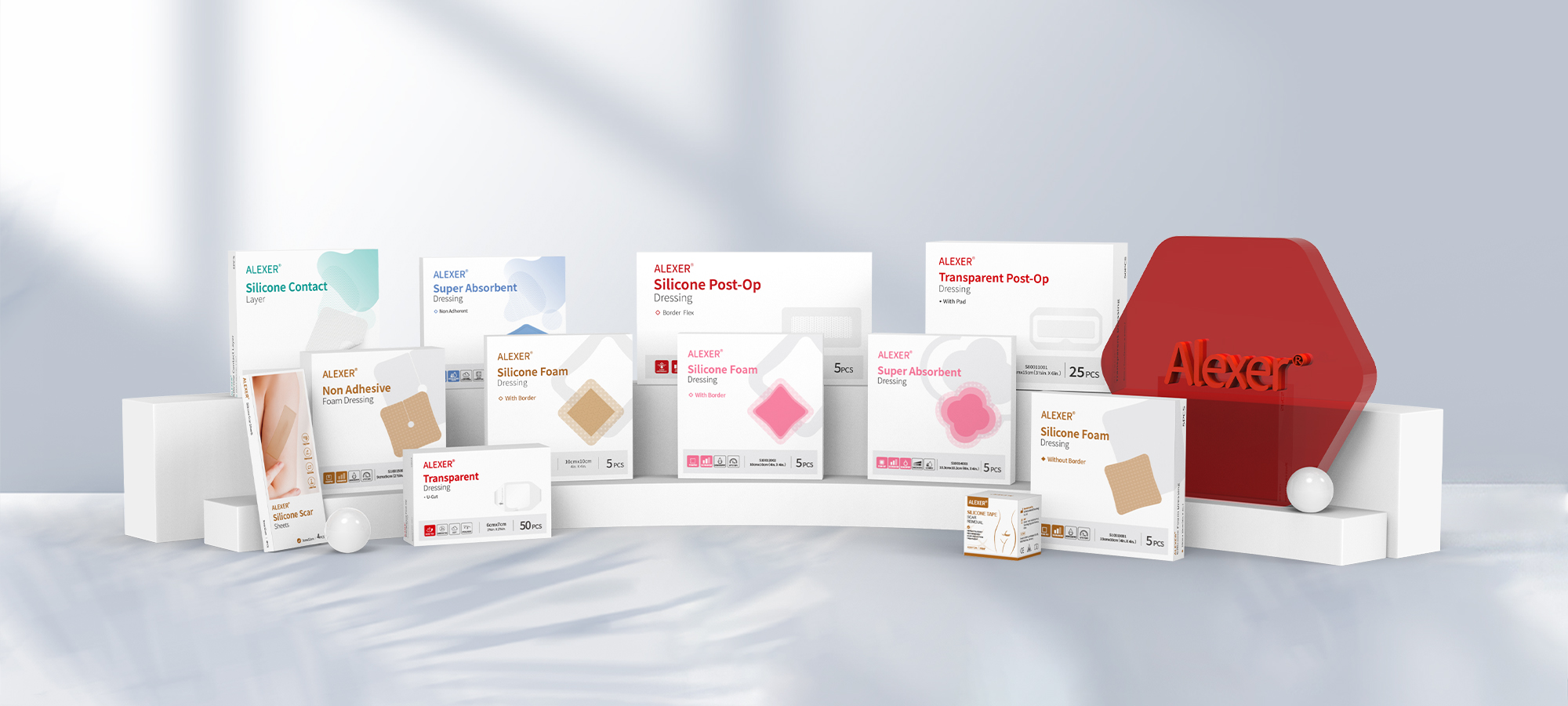
Here is a quick table to show how often to change different wound dressings. These tips use the latest wound care advice and include SLK Medical products.
Dressing Type | Recommended Change Interval | SLK Medical Product Example | Notes |
|---|---|---|---|
Silicone Foam Dressing | Every 3-7 days | Change sooner if saturated, dirty, or if it stops sticking | |
Non-Adhesive Foam Dressing | Up to 7 days | Alexer® Non Adhesive Foam Dressing | Check every day for leaks or if it moves |
Silicone Foam Ag Dressing | Up to 7 days | Silver helps lower infection risk | |
Super Absorbent Dressing | 3-7 days | Change if fluid reaches the edge | |
Up to 7 days | Alexer® Hydrocolloid Dressing | For infected wounds, change every 3-5 days | |
Up to 7 days | Alexer® Transparent Dressing | Change if it lifts or gets dirty |
Tip: Check your wound and dressing every day. If you see leaks, smell bad odors, or the dressing is loose, change it sooner.
Studies show you should change foam dressings when they get dirty, wet, or stop sticking. You do not need to change them on a set schedule if they still protect your wound. This helps your skin stay healthy and stops extra pain.
SLK Medical Advanced Dressings and Wear Time
SLK Medical dressings use new technology to help you heal and feel less pain. The soft silicone layer in SLK Medical silicone foam dressings protects your skin. It also makes changing dressings easier. Many people say they feel less pain with these dressings. Over 65% of people report less pain with silicone dressings than regular ones.
SLK Medical dressings, like Alexer® Silicone Foam Dressing and Super Absorbent Dressing, can stay on for up to 7 days. This means you do not need to change your bandage as often. You get more comfort and less worry. The waterproof layer lets you shower without getting your wound wet. The high absorbency keeps your wound dry and helps stop skin damage.
Hydrocolloid dressings from SLK Medical can also stay on for up to 7 days. If your wound gets infected, change the dressing every 3 to 5 days. Transparent dressings let you see your wound without taking off the bandage. You can wear them for up to 7 days, or until you see a problem.
Note: Using SLK Medical dressings can help you avoid changing dressings too often. This helps your wound heal without being disturbed, which is important for surgical wounds and sensitive skin.
How Often Should You Change Bandages for Different Wounds
You may wonder how often should you change bandages for different wounds. The answer depends on your wound type and how much fluid comes out. Here are some basic rules:
Surgical wounds: Keep the dressing on as long as you can to help healing. Change it only if it gets wet, dirty, or loose. This lowers your chance of infection.
Pressure ulcers and diabetic foot ulcers: Use a high-absorbency dressing like SLK Medical’s silicone foam or super absorbent dressing. Change every 3-7 days, or sooner if it gets full.
Burns and trauma wounds: Pick a dressing that keeps the wound moist and protects your skin. Change every 3-7 days, or if you see leaks.
Minor cuts and scrapes: Use a hydrocolloid or transparent dressing. Change every 3-7 days, or if it lifts or gets dirty.
If you see signs of infection like redness, swelling, or pus, change your wound dressing right away and talk to your healthcare provider.
Always follow your healthcare provider’s advice about how often should a wound dressing be changed. The right schedule helps your wound heal faster and keeps you comfortable. SLK Medical dressings make it easier to care for your wound and lower pain when you change it. By picking the right wound dressing and changing it at the right time, you help your wound heal better.
Factors That Change How Often You Should Change a Wound Dressing
Wound Type and Exudate Level
Think about your wound type and how much fluid comes out. Small cuts usually need fewer dressing changes than pressure ulcers or diabetic foot ulcers. Chronic wounds make more fluid and can get infected more easily. If your bandage gets soaked or starts leaking, change it right away. Wet wounds need more changes to keep them clean and dry. Dry wounds also need care so the bandage does not stick or hurt.
The kind of wound decides how often you change your bandage.
More fluid means you need to change your bandage sooner.
If your bandage is soaked, it is time for a new one.
Very wet or very dry wounds may need more changes.
Infection, Healing Stage, and Skin Sensitivity
If your wound gets infected, you should check your bandage more often. Look for redness, swelling, or pain. In the early healing stage, you may need to change your bandage more often. When your wound gets better, you can leave the bandage on longer. Sensitive skin needs gentle care. If it hurts when you take off your bandage, try a softer one.
Soft silicone dressings are made to feel comfortable. They help lower pain and protect the skin around your wound from fluid.
Check your wound often to catch problems early. If your wound hurts more, it may be time to change your bandage.
How SLK Medical Dressings Help in Different Situations
SLK Medical dressings work for many wound care needs. Their silicone foam dressings soak up lots of fluid. The soft silicone layer helps protect sensitive skin and makes changing bandages less painful. The waterproof backing keeps water out so you can shower. The sticky border stops leaks and keeps your bandage in place.
Feature | Benefit |
|---|---|
High absorbency | Handles more fluid, so you change less often |
Gentle silicone layer | Protects skin and lowers pain when you change bandages |
Waterproof backing | Keeps water out and lets you wear it longer |
Secure adhesive border | Holds bandage in place and stops leaks |
SLK Medical dressings help keep your wound clean, dry, and safe. You can wear them longer and feel more comfortable, which helps you heal faster.
Signs to Change a Wound Dressing Early
Knowing when to change a wound dressing before your next scheduled change is important for good wound care. You should watch for certain signs a wound dressing needs to be changed. These signs help you keep your wound clean and lower your risk of infection.
Leakage, Odor, or Soiling
You need to check your bandage every day. If you see any of these problems, change your wound dressing right away:
Fluid leaks out from under the bandage.
The bandage looks wet, stained, or dirty.
You notice a bad smell coming from the wound or the bandage.
When a dressing leaks, it means it cannot hold any more fluid. This can let germs in and slow healing. Odor or soiling often means bacteria are growing. Some bacteria make wounds smell bad and raise the risk of infection. If you use a silver or charcoal dressing, these can help control odor, but you still need to watch for changes.
Tip: Always change your bandage if you see leaks, smell something bad, or notice dirt.
Increased Pain, Redness, or Swelling
Pain, redness, or swelling are warning signs. You should look for these changes:
Sign | What It Means |
|---|---|
Pain | More pain can mean the wound is not healing well. |
Redness | Red skin around the wound may show infection. |
Swelling | Swelling can be a sign of infection or irritation. |
If you feel more pain than before, or if the wound area gets red or swollen, you should change a wound dressing early. These signs can mean your wound needs more care.
When to Seek Medical Advice
Sometimes, you need to call your nurse or doctor. You should get help if you see:
Bleeding that does not stop.
Pus or yellow-green fluid.
Skin that feels hot or looks very red.
Delayed healing or the wound gets bigger.
Signs of infection spreading, like fever or chills.
Signs of Infection | Description |
|---|---|
Subtle signs | More bleeding, soft tissue, or slow healing. |
Classic signs | Redness, warmth, swelling, pain, or odor. |
Urgent attention | Spreading redness, fever, or feeling very sick. |
If you use advanced dressings like those from SLK Medical and still see these problems, call your healthcare provider. You may need a new plan for your wound care.
Remember: Early bandage changes and quick action help wounds heal faster and keep you safe. Always ask your healthcare provider how often should you change bandages for your wound.
Tips for Changing a Wound Dressing at Home
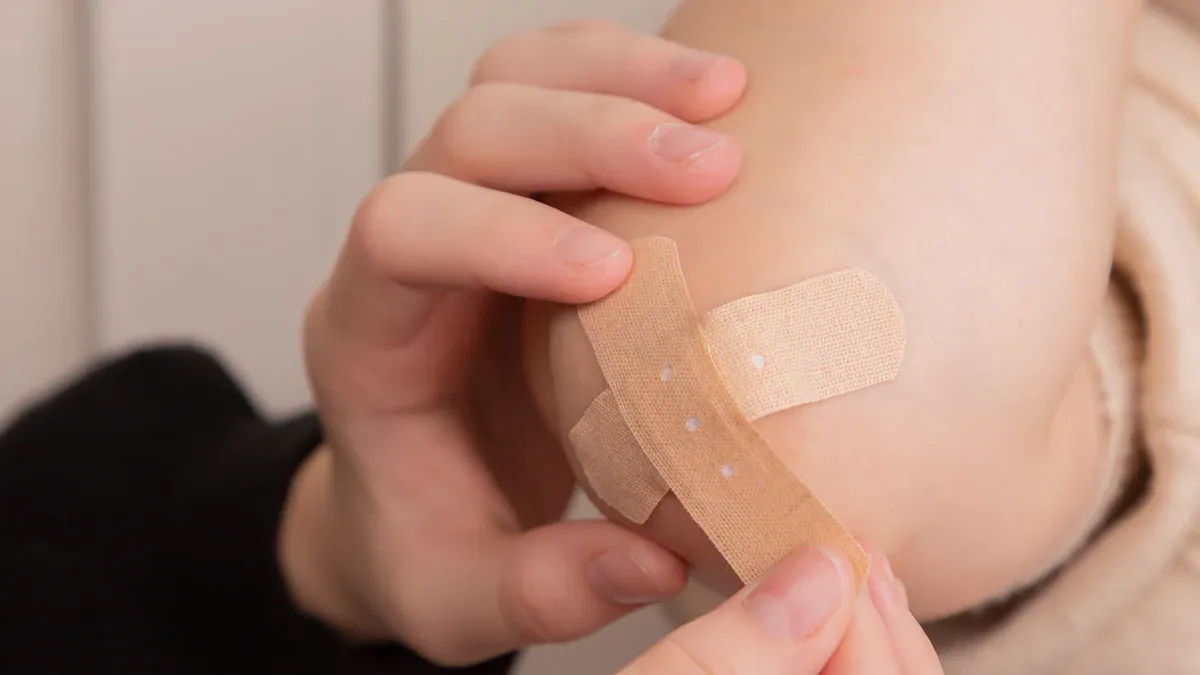
Changing a wound dressing at home can feel challenging, but you can do it safely with the right steps. Good wound care helps your wound heal faster and lowers the risk of infection. Here are some tips to guide you through the process.
Preparing for a Safe Change
You should always prepare before you change a bandage. Clean hands help prevent germs from getting into your wound. Gather all your supplies first so you do not have to leave the area during the change.
Wash your hands with soap and water before and after touching your wound.
Lay out your new wound dressing, bandage, and any cleaning supplies on a clean surface.
Use sterile gloves if your healthcare provider recommends them.
Avoid touching the wound or the inside of the new dressing.
Keep the wound clean and dry during the change.
Watch for signs of infection like redness, swelling, pus, or a bad smell.
Tip: Change your bandage if it gets wet, dirty, or starts to peel off. Follow your provider’s schedule for how often should i change my wound dressing at home.
Using SLK Medical Dressings for Best Results
SLK Medical offers dressings that make wound care easier and more comfortable. If you have sensitive skin, try silicone foam, hydrocolloid, or transparent dressings. These dressings stay on longer and feel gentle when you remove them.
Wear Time | Comfort Level | |
|---|---|---|
Hydrocolloid | Long-lasting | Easy to use, comfortable |
Transparent | Less frequent changes | Comfortable, safe for sensitive skin |
You can shower with many SLK Medical dressings because they are waterproof. The soft silicone layer protects your skin and lowers pain when you change the bandage. Always check your wound and dressing every day to make sure everything looks healthy.
Keeping Track of Dressing Changes
Tracking your wound care helps you and your healthcare team see how your wound heals. Write down each time you change your wound dressing and what your wound looks like.
Description | |
|---|---|
Size | Length, width, depth of the wound |
Exudate amount | Amount of fluid or drainage |
Tissue type | Type of tissue present |
Color and skin condition | Color of the wound and nearby skin |
You can use a notebook or a phone app to record this information. Regular notes help your provider adjust your care if needed. Family members can help you keep track and support your healing.
Note: Good records help everyone understand your wound care and make sure you get the best results.
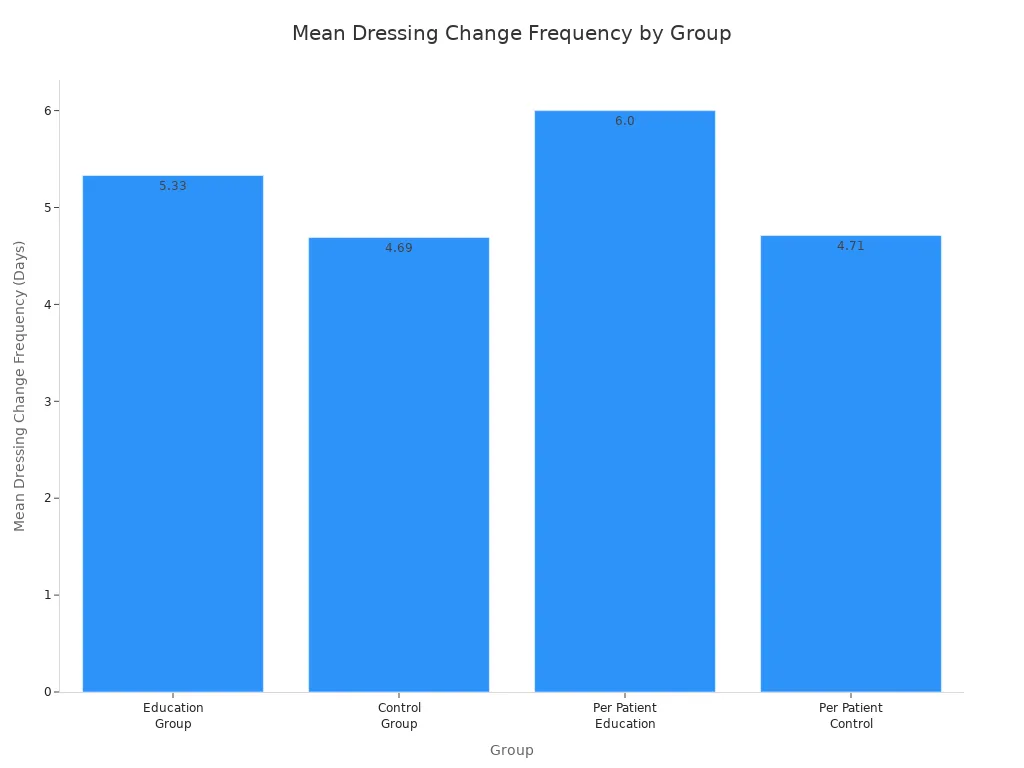
If you change your bandage at the right time, your wound heals faster. You should also look for signs that your bandage needs to be replaced early. The chart below shows that learning about wound care helps people wait longer between bandage changes. This helps wounds heal better.
SLK Medical’s advanced dressings help you feel more comfortable. They also help wounds heal faster. Alginate dressings lower pain and help you get better quicker. You do not need to change your bandage more often with these dressings. You should ask healthcare professionals for advice. The table below shows that virtual wound care helps people heal better and saves money.
Benefit | Description |
|---|---|
Cost-Efficiency | Virtual wound care lowers hospital visits and is easier to use than regular care. |
Better Resource Utilization | More people can see skilled WOC nurses, which helps wounds heal four times faster and cuts down treatment time. |
Improved Patient Outcomes | Patients in faraway places get care faster, which makes things easier and helps them feel better. |
Good wound care helps stop infections and helps you heal faster. The table below shows how using proven wound care methods helps wounds get better.
Evidence Type | Description |
|---|---|
Infection Reduction | Studies show that using proven care lowers wound infections and helps you heal faster. |
Consistent Protocols | Doing wound care the same way each time helps wounds heal in a steady way. |
Clinical Pathways | Research shows that following set steps helps patients heal better and helps doctors work more efficiently. |
You can trust that using the right bandage, looking for signs, and changing your bandage on time will help you heal and feel good.
FAQ
How do you know when to change your wound dressing?
You should check your dressing every day. Look for leaks, dirt, or a bad smell. If you see redness or swelling, change the dressing right away.
Can you shower with SLK Medical dressings?
Yes, you can shower with most SLK Medical dressings. The waterproof backing keeps your wound dry and safe. Always check the dressing after you shower.
What should you do if your wound dressing sticks to your skin?
Soak the dressing with sterile saline or water. Remove it gently. Use a silicone foam dressing next time. It helps protect sensitive skin and lowers pain.
How often should you check your wound at home?
Check your wound and dressing every day. Write down any changes you see. This helps you and your healthcare provider track healing and spot problems early.


