


You want every wound to heal in the best way. Studies show that different moist wound care dressings help certain wounds:
Indications for Use | |
|---|---|
Film Dressings | Minor burns, donor site wounds, postoperative wounds |
Foam Dressings | Moderate- to high-exuding wounds |
NPWT Dressings | Acute and chronic wounds |
Hydrocolloid Dressings | Shallow and low-exuding wounds |
Hydrogels | Leg ulcers, pressure sores |
Picking the right dressing keeps wounds moist and helps them heal faster. Studies show dressings that keep body temperature steady can help healing by 108% and make patients feel better. SLK Medical is a leader in wound care and gives advanced moist wound dressings for better healing.
Key Takeaways
Moist wound care dressings help wounds heal faster. They keep wounds moist and lower pain.
There are different dressings for different wounds. Foam is good for wounds with a lot of fluid. Hydrocolloid works well for shallow wounds.
Using the right dressing lowers the chance of infection. It also helps control fluid better.
New dressings feel more comfortable. They do not need to be changed as often. This saves time and causes less pain.
Always use the right dressing for your wound. Ask a healthcare provider for the best advice.
Why Moist Wound Healing Matters
Benefits of Moist Wound Care
You want your wound to heal fast and hurt less. Moist wound healing helps your body fix itself quicker. Using moist wound dressings gives new cells a good place to grow. This keeps the wound at the right temperature and pH. Skin cells can move and multiply better.
Moist wound healing helps important cells reach the wound faster.
You get less scarring because collagen forms in a neat way.
Infection risk goes down since moist dressings block germs.
You feel less pain because moisture protects nerve endings.
Moist wound care helps break down dead tissue, so cleaning is easier.
“A moist environment helps wounds heal by stopping dehydration. It also helps new blood vessels and collagen grow. Dead tissue and fibrin break down faster too.”
You can see how moist wound healing works by looking at these main steps:
Mechanism | Description |
|---|---|
Cell Migration | Moist surfaces help skin cells move faster and close wounds sooner. |
Collagen Synthesis | Moisture helps make more collagen, so new tissue is stronger. |
Epithelialization | Skin cells cover wounds faster when the area is moist. |
Inflammatory Phase Acceleration | Moist wounds start healing sooner because they move into repair faster. |
Risks of Dry or Incorrect Dressings
If you use dry or wrong dressings, healing can slow down. Dry dressings can dry out wounds and kill cells. You might feel more pain because dry air hurts nerve endings. Infection risk goes up if the wound is not covered by a moist barrier.
About 27% of patients with surgery wounds had problems with adhesives. 8% got bad infections.
Nearly 30% of patients said pain was their biggest problem.
Some people had skin irritation and peeling, especially with some adhesives.
Dry wound care can cause more problems. You may need to change dressings more often. This can hurt and slow healing. Picking the right dressing helps wounds heal better.
Modern Wound Dressings Overview
Wound care has changed a lot over time. People used to use gauze or bandages. Now, there are modern dressings that do much more. These new products use smart materials and technology. They help wounds heal faster and with less pain.
Modern Dressings | Traditional Dressings |
|---|---|
Smart dressings (monitor wound conditions) | Basic gauze and bandages |
Bioengineered skin substitutes (living cells) | Simple occlusive dressings |
Drug-delivery polymer dressings (targeted treatment) | Non-targeted topical treatments |
Negative pressure wound therapy (enhances healing) | Standard pressure dressings |
Hydrogel, hydrocolloid, alginate (moist environment) | Dry dressings |
Modern dressings use special materials to help healing. They let oxygen get to the wound. They keep the wound moist. They help skin cells grow. Many dressings are safe for your skin and break down naturally. They also control pH and help blood flow. This helps wounds heal faster.
SLK Medical’s Innovative Solutions
SLK Medical is a leader in wound care. Their D-Pore™ Dual-Dimensional Pore Foaming Technology is special. It helps dressings soak up fluid and lets skin breathe. It gives wounds extra support for healing. SLK Medical’s silicone foam dressings work for many wounds. They help after surgery, with pressure ulcers, and diabetic foot ulcers. These dressings lower infection risk and make healing more comfortable.
Tip: Using SLK Medical’s advanced dressings helps wounds heal faster and with less pain.
Key Features of Modern Dressings
Modern dressings do more than cover wounds. They make the best place for healing. They keep wounds moist and stop dehydration. New tissue can grow better. Air gets in but germs stay out. These dressings are soft and do not stick to skin. They do not cause allergies.
Key Feature | Description |
|---|---|
Prevents dehydration | Keeps the wound moist for better healing. |
Permeable to oxygen | Lets air reach the wound, which helps cells repair. |
Absorbs blood and exudates | Manages fluid so the wound does not get too wet. |
Protects against infection | Acts as a barrier to bacteria and dirt. |
Non-adherent and non-toxic | Makes dressing changes less painful and safer for your skin. |
Multilayered composite | Offers extra protection and moisture control in one product. |
Supports healing | Helps your body’s natural repair process, not just covers the wound. |
Modern dressings are comfortable and easy to use. They save money because you do not need to change them often. Foam dressings help lower treatment costs. You heal better and spend less.
Comparing Moist Wound Care Dressings by Type
When you choose moist wound care dressings, you want to match the right product to your wound. Each dressing type from SLK Medical has unique features. You can find a suitable modern wound dressing for almost any wound. Let’s look at how each one works and when you should use it.
Foam Dressings (SLK Medical)
Foam dressings give you a soft, absorbent layer that keeps your wound moist. The Alexer Non Adhesive Foam Dressing from SLK Medical works well for wounds with moderate to high exudate. You can use it for post-operative wounds, pressure ulcers, diabetic foot ulcers, venous leg ulcers, and burns. This dressing has a waterproof film backing that blocks bacteria and lets you shower without worry.
You can cut this foam dressing to fit any shape. It stretches and fits hard-to-cover areas. The foam layer absorbs fluid and prevents your wound from getting too wet. You can wear it for up to seven days. This means fewer dressing changes and less pain. You get a moist wound environment that helps new tissue grow and lowers infection risk.
Tip: If you have fragile skin or wounds that need gentle care, foam dressings are a smart choice.
Silicone Foam Ag Dressings (SLK Medical)
Silicone foam Ag dressings add another layer of comfort and protection. The Alexer Silicone Foam Ag Dressing without Border uses a three-layer design. You get a silicone contact layer, a foam absorbent layer with ionic silver, and a waterproof film. The silicone layer sticks gently to your skin and does not pull when you remove it. This helps you avoid pain and skin damage.
The silver in the foam fights bacteria and keeps your wound clean. You can use this dressing for moderate to heavily exuding wounds. It works well under compression, so it is great for leg ulcers and wounds that need extra support. The high moisture vapor transmission rate lets your wound breathe while staying moist. You can wear it for up to seven days, which means less disruption and more comfort.
If you need a dressing that stays in place and helps prevent infection, silicone foam Ag dressings are a good option.
Super Absorbent Dressings (SLK Medical)
Super absorbent dressings handle wounds with a lot of exudate. The Alexer Super Absorbent Dressing Non Adherent from SLK Medical can absorb up to 20 times its own weight. You can use it for leg ulcers, pressure ulcers, diabetic foot ulcers, and surgical wounds that leak a lot. The non-adherent layer does not stick to your wound, so you feel less pain when you change it.
You get a breathable backing that keeps the dressing comfortable. The dressing fits your body and helps prevent leaks and maceration. Health professionals say it is easy to apply and remove. Patients report high comfort and better fit compared to other dressings.
Evidence Type | Findings |
|---|---|
Effectiveness | Demonstrated to effectively manage exudate across various wound types |
Patient Comfort | 85% of patients reported better comfort compared to previous dressings |
Conformability | 90% of patients found it better in terms of conformability |
Maceration Reduction | Average periwound condition improved from 30% macerated to 8% over 4 weeks |
Application | Rated easy to apply and remove by health professionals |
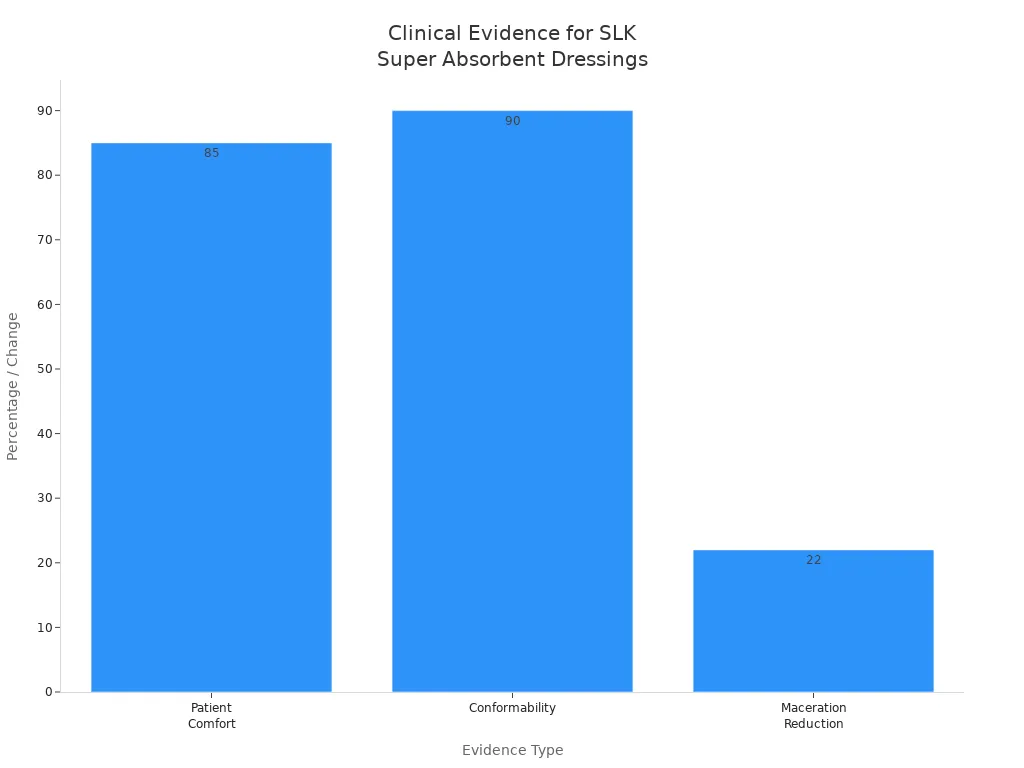
If you have a wound that leaks a lot, super absorbent dressings keep the area dry and comfortable. You do not need to change the dressing as often, which saves time and reduces pain.
Hydrocolloid Dressings (SLK Medical)
Hydrocolloid dressings give you a special way to heal wounds. The Alexer Hydrocolloid Dressing forms a gel when it touches wound fluid. This gel keeps the wound moist and helps new skin grow. You can use hydrocolloid dressings for shallow wounds, minor burns, and wounds with low exudate. The dressing is thin and flexible, so you can use it on many body parts.
Hydrocolloid dressings keep wounds moist, which helps them heal faster.
You feel more comfortable and need fewer dressing changes, so you have less pain.
These dressings last longer and help wounds look better when they heal.
Hydrocolloid dressings also protect nerve endings and reduce pain. You can see your wound through the transparent film, so you know when to change it. The dressing helps clean the wound by removing dead tissue. If you want a dressing that is easy to use and gentle on your skin, hydrocolloid dressings are a great choice.
How to Choose the Right Moist Wound Dressing
You need to look at your wound type, how much fluid it makes, and your comfort needs. Foam dressings work for wounds with moderate to high exudate. Silicone foam Ag dressings add infection control and gentle removal. Super absorbent dressings are best for wounds that leak a lot. Hydrocolloid dressings are perfect for shallow wounds and burns with low exudate.
Film dressings also play a role. You can use film dressings for minor burns, donor sites, and as a secondary cover. Film dressings are thin, clear, and let you see the wound. They keep out germs and water but let oxygen in. You can use film dressings with other moist wound dressings for extra protection.
When you match the right moist wound dressings to your wound, you help your body heal faster and feel better every day.
Moist Wound Care Dressings for Specific Wound Types
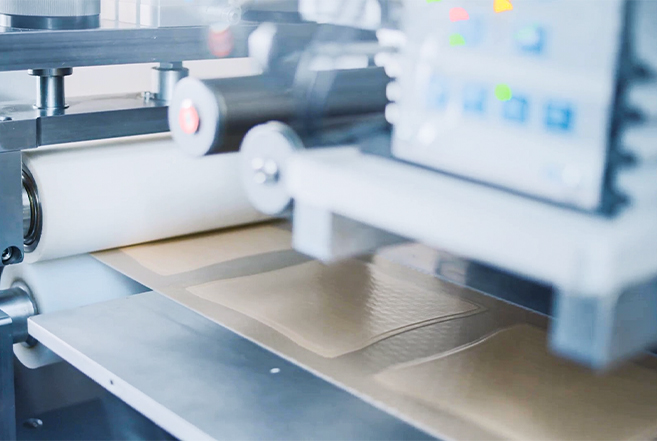
Acute Wounds
You may see acute wounds after surgery, cuts, or scrapes. Picking the right dressing helps your wound heal faster and keeps you comfortable. You can use this table to see which dressing works best for different acute wounds:
Dressing Type | Advantages | Disadvantages | Indications |
|---|---|---|---|
Semi-permeable | Lets you see the wound, easy to use, less pain | Fluid may pool, can hurt to remove | Superficial wounds |
Non adherent Moist | Less sticking, helps healing | Needs a second dressing | Burns, wounds healing slowly |
Calcium Alginate | Makes a gel, absorbs fluid, less pain | Needs a second dressing | Wounds with a lot of fluid |
Hydrocolloid | Keeps wound moist, easy removal | Can smell, rare allergies | Small burns, scrapes |
You want to choose a dressing that matches your wound type and how much fluid it makes. This helps you heal with less pain and fewer problems.
Chronic Wounds
Chronic wounds last a long time and can be hard to heal. You may see these with pressure ulcers or leg ulcers. You need a dressing that manages fluid and protects your skin. Some dressings work better for wounds with more fluid. Look at this chart to see how well each dressing manages fluid:
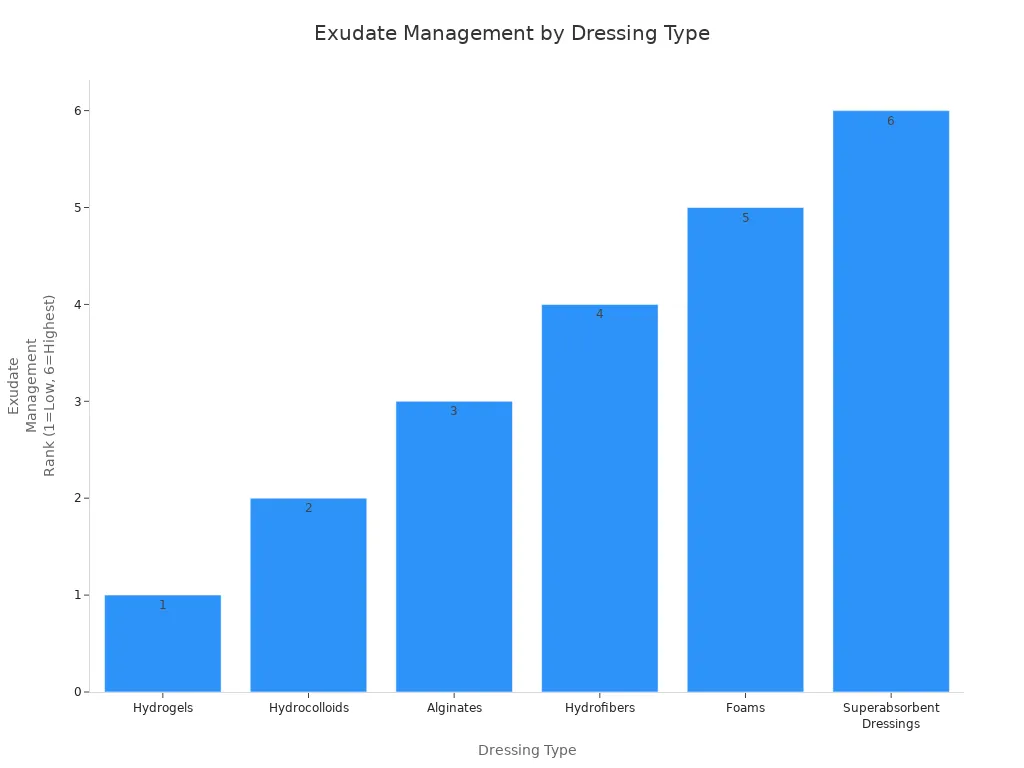
You can use foam dressings for wounds with a lot of fluid. Super absorbent dressings work best when you see too much fluid. Hydrocolloid dressings help with moderate fluid. Hydrogels are good for wounds with little fluid. Picking the right dressing helps your chronic wound heal better and keeps your skin safe.
Diabetic Ulcers
If you have a diabetic ulcer, you want to keep your wound clean and moist. Studies show that no single dressing works better than others for healing diabetic ulcers. You can use basic wound contact dressings, alginate, or hydrofiber dressings. Here are some things to remember:
No strong proof shows one dressing heals diabetic ulcers faster than another.
Healing rates are similar for basic and advanced dressings.
You should focus on keeping your wound clean and protected.
You can talk to your doctor to find the dressing that feels best for you.
Burns
Burn wounds need special care. You want a dressing that helps you heal, lowers pain, and keeps infection away. Clinical trials show that chitosan and alginate dressings help burns heal faster. You may feel less pain and need fewer dressing changes. Here are some key points:
Chitosan dressings help wounds heal quickly and lower infection risk.
Alginate dressings help new tissue grow and reduce pain.
You may spend less time in the hospital with these dressings.
You can use hydrocolloid dressings for small burns. These dressings keep your wound moist and help you feel more comfortable.
Clinical Evidence in Wound Healing
Healing Outcomes with Modern Dressings
You want your wound to heal fast and hurt less. Studies show modern dressings help wounds heal quicker than old ones. More people get better in less time with these new dressings. The table below shows how patients heal with both types:
Dressing Type | Healing Stage (Days) | Number of Patients |
|---|---|---|
Conventional (Regime A) | 1 patient within 7 days | 1 |
8 patients between 8-14 days | 8 | |
13 patients between 15-21 days | 13 | |
28 patients between 22-30 days | 28 | |
Newer (Regime B) | 4 patients within 7 days | 4 |
13 patients between 8-14 days | 13 | |
19 patients between 15-21 days | 19 | |
14 patients between 22-30 days | 14 |
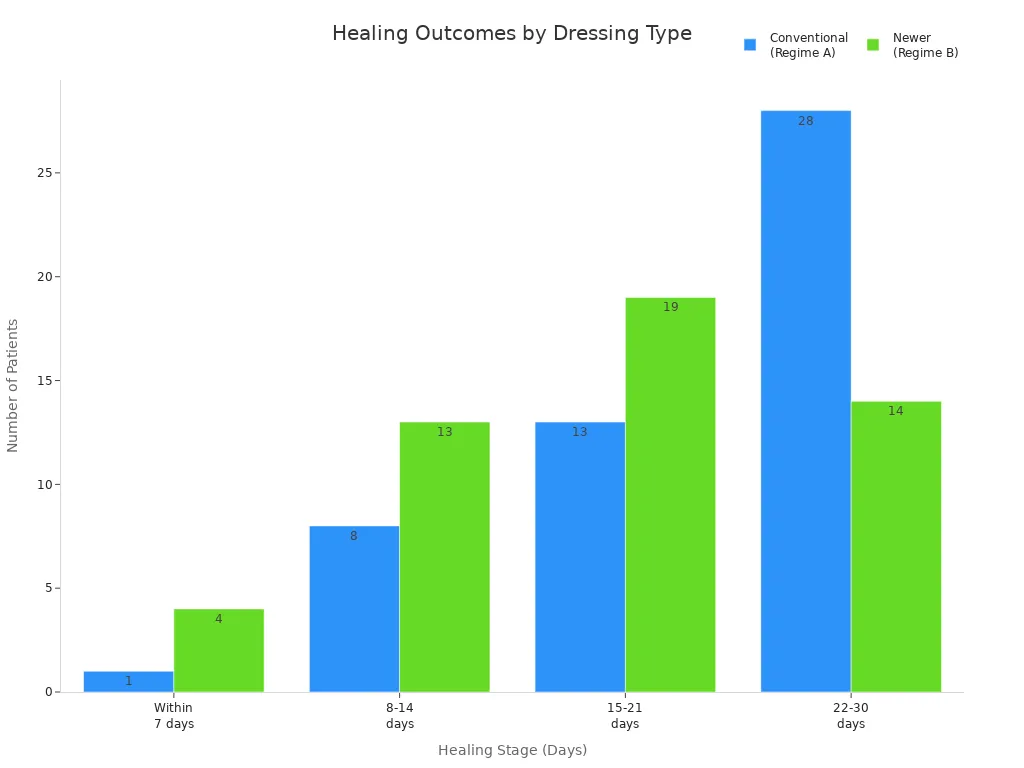
Modern dressings help more people heal faster. You do not have to wait as long for wounds to close. These dressings also help lower pain. The next table shows how advanced moist dressings and wet-to-dry dressings compare:
Outcome | Advanced Moist Dressings | Standard Wet-to-Dry Dressings |
|---|---|---|
Healing Time | Improved | Delayed |
Pain | Reduced | Increased |
Infection Rates | Lower | Higher |
Cost-Effectiveness | More Cost-Effective | Less Cost-Effective |
You heal faster, feel less pain, and get fewer infections with advanced moist dressings. These dressings also help you save money over time.
Infection Control and Exudate Management
You want to keep your wound safe from germs. Modern dressings protect wounds from infection. They use antibacterial features to stop germs from getting in. These dressings soak up fluid and keep wounds moist. Some dressings let you check pH and moisture levels right away. This helps you and your doctor act fast if something changes.
SLK Medical’s dressings use special materials and technology. They help wounds heal better and lower infection risk. These dressings manage fluid, keep wounds clean, and help you feel comfortable. You can trust them to help your wound heal.
Note: Picking the right dressing helps you stop infection, control fluid, and heal better. SLK Medical’s products are known for their great results and new ideas.
Choosing the Best Dressing for Your Needs
Pros and Cons of Each Type
You want to pick the right dressing for your wound. Each dressing type has its own strengths and weaknesses. The table below helps you compare modern dressings and older wet-to-dry dressings:
Dressing Type | Advantages | Disadvantages |
|---|---|---|
Modern Dressings | – Keep wounds moist for faster healing. | – Not right for every wound or situation. |
Wet-to-Dry Dressings | – Used for many years in wound care. | – Can cause pain when removed. |
You can see that modern dressings help wounds heal faster and with less pain. Patients using moist dressings report lower pain and better comfort. Healing rates are also higher with these dressings.
Practical Recommendations
When you choose a dressing, you need to look at the wound and your needs. Experts say you should match the dressing to the wound’s size, location, and how much fluid it makes. You should also think about allergies and comfort. Here are some tips:
Pick a dressing that keeps the wound moist and blocks germs.
Make sure the dressing fits the wound’s shape and size.
Choose a dressing that feels comfortable and is easy to use.
If the wound leaks a lot, use an absorbent dressing.
For wounds at risk of infection, select a dressing with antimicrobial features.
Tip: Always check for allergies to dressing materials. Comfort and fit help you stick with your wound care plan.
Factor | Description |
|---|---|
Patient allergies | Check for allergies to dressing materials. |
Wound location and size | Choose dressings that fit the wound area. |
Patient comfort | Use dressings that feel good and are easy to change. |
Wound care specialists warn that using the wrong dressing can slow healing or cause problems. You should avoid cotton gauze for open wounds. Instead, use dressings that keep the wound moist and clean. This helps you heal faster and lowers the risk of infection.
You can pick the right dressing by checking your wound type and how much fluid it has. The table below helps you see which dressing fits each wound:
Dressing Type | Best For |
|---|---|
Film Dressing | Superficial wounds with little fluid |
Hydrocolloid | Abrasions, minor burns, shallow wounds |
Absorptive Dressing | Wounds with moderate to high exudate |
Modern dressings from SLK Medical use special materials. These dressings help wounds heal faster and make you feel better. Always match the dressing to your wound. If your wound is hard to treat, talk to a wound care expert. Working with a team helps you heal in the best way.
FAQ
What is the main benefit of using moist wound dressings?
You help your wound heal faster by keeping it moist. Moist dressings protect new skin cells and lower your risk of infection. You also feel less pain during dressing changes.
How often should you change your wound dressing?
You should change your dressing based on the wound type and how much fluid it produces. Many modern dressings last up to seven days. Always follow your healthcare provider’s advice.
Can you shower while wearing SLK Medical foam dressings?
Yes, you can shower with SLK Medical foam dressings. The waterproof film backing keeps water out and protects your wound. Make sure the dressing stays sealed during your shower.
Are SLK Medical dressings safe for sensitive skin?
SLK Medical designs dressings for sensitive skin. The silicone layer gently sticks without causing pain or damage. You can use these dressings even if your skin is fragile.
Which dressing should you use for wounds with heavy exudate?
You should use a super absorbent dressing for wounds with heavy exudate. SLK Medical’s Super Absorbent Dressing Non Adherent absorbs large amounts of fluid and keeps your wound dry and comfortable.


