


You get better healing when you use gel wound dressing. You need to use the right steps and put on the dressing the correct way. Studies show hydrogel dressings help 84% of wounds heal. Traditional gauze only helps 54% of wounds heal.
Dressing Type | Wound Healing Rate |
|---|---|
Hydrogel | 84% healed |
Gauze | 54% healed |
Picking the right dressing helps wounds heal. It also stops infection. You can take care of wounds better by following each step in order. SLK Medical gives new solutions. These make wound care safer and work better for patients.
Key Takeaways
Gel wound dressings keep wounds moist, which helps them heal faster and reduces pain.
Choose the right type of gel dressing based on the wound’s needs to prevent infection and promote healing.
Always wash your hands and wear gloves before changing a dressing to keep the wound safe.
Monitor the wound daily for signs of infection, such as increased redness or swelling, and seek help if needed.
Follow the step-by-step guide for applying gel dressings to ensure proper fit and effectiveness.
What Is a Gel Wound Dressing?
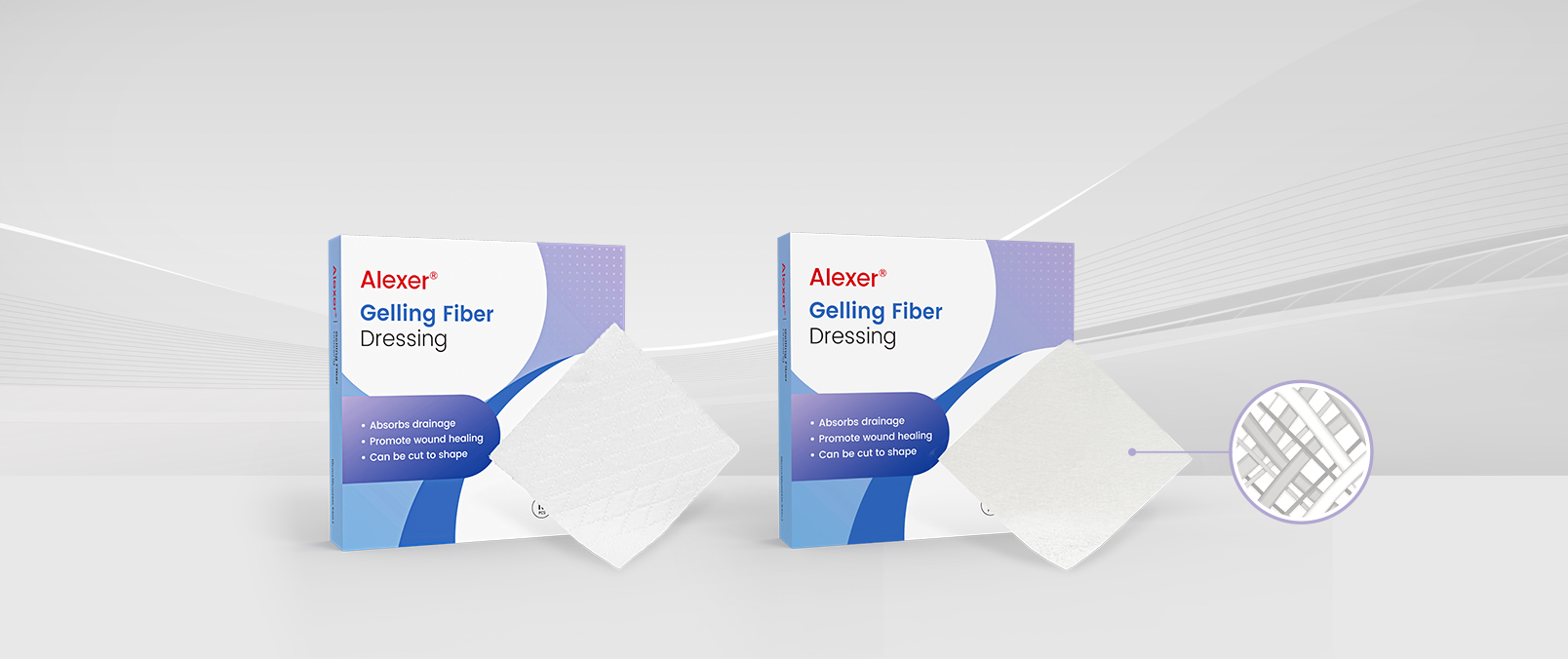
A gel wound dressing helps wounds heal by keeping them moist. It also protects the wound from germs and dirt. People use these dressings to help wounds heal faster and hurt less. Gel wound dressings work for many kinds of wounds. They are best for wounds that need moisture to heal. You can find gel dressings in hospitals, clinics, and even at home.
Types of Gel Dressings
There are different types of gel dressings. Each type has its own special use. The most common ones are hydrogel dressings, hydrocolloid dressings, and calcium alginate dressings. You pick the right one based on what the wound needs.
Component/Characteristic | Hydrocolloid Dressings | Hydrogel Dressings |
|---|---|---|
Composition | Gel forming agents (carboxymethylcellulose, gelatin, pectin) with elastomers and adhesives | Synthetic polymers (poly(methacrylates), polyvinyl pyrrolidine) |
Water Content | Permeable to water vapor | 70-90% water content |
Properties | Absorb wound exudates, provide moist environment, debridement | Non-irritant, permeable to metabolites, cooling effect |
Indications | Light to moderately exudating wounds, pressure sores, minor burns | Dry chronic wounds, necrotic wounds, pressure ulcers, burn wounds |
Hydrocolloid dressings are good for wounds with a little fluid. Hydrogel dressings are best for dry wounds or wounds with dead skin. Calcium alginate dressings are used for wounds with a lot of fluid.
How Gel Dressings Work
Gel wound dressings make the wound area moist. This helps skin cells grow and move to close the wound. Healing happens faster and there is less pain. Studies show hydrogel dressings can help wounds heal in about 31 days. They also help more wounds close, with over 63% success. These dressings act like the extracellular matrix. This helps cells stick together and send signals. They can hold cells and proteins, which helps tissue grow and lowers scars.
Tip: Always look at the indications before picking a dressing. The right dressing helps wounds heal faster and keeps infection away.
Gel dressings keep wounds moist.
They help cells grow and fix tissue.
You get less scarring and better healing.
Benefits of Gel Wound Dressings in Wound Care
Moist Healing Environment
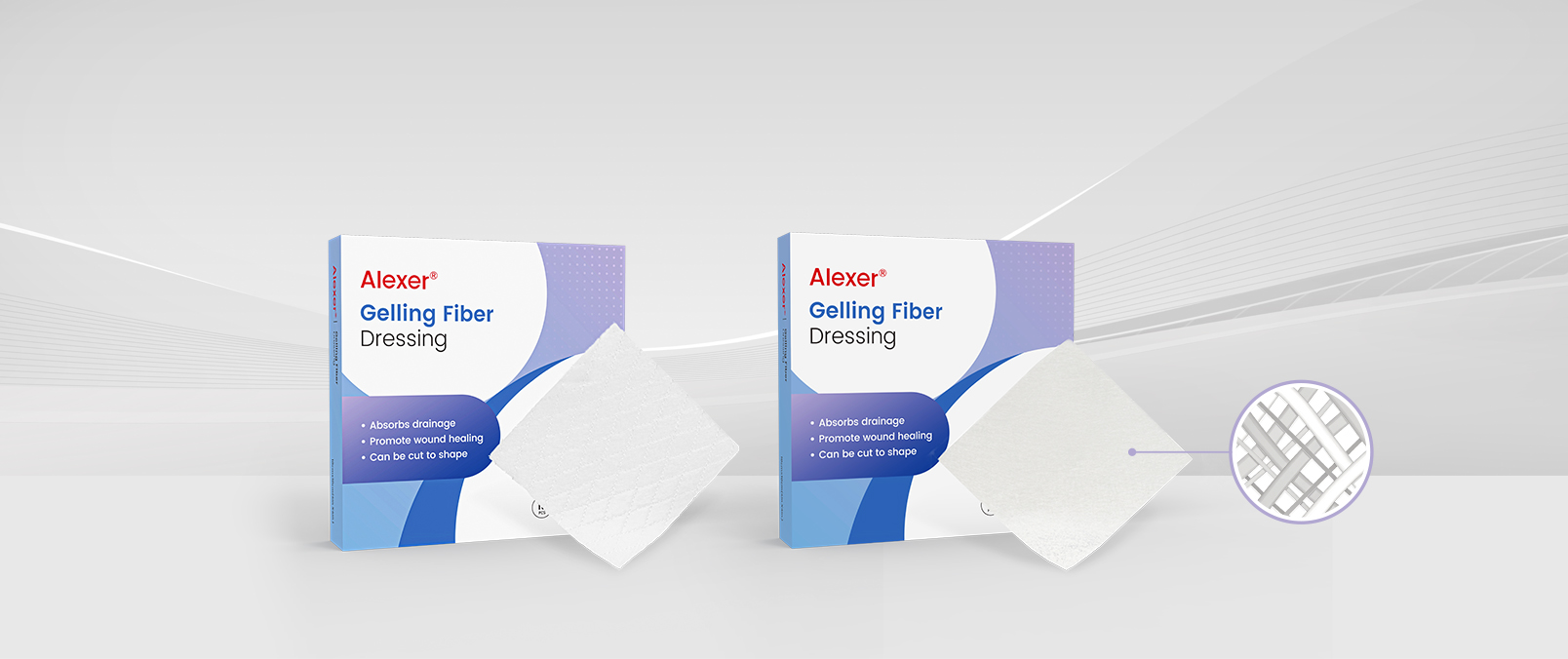
You want your wound to heal fast and safely. Keeping the wound moist helps it heal better. Gel wound dressings keep wounds moist and safe from germs. This helps new skin grow and lets cells move over the wound. Healing happens faster and you get fewer scars. Dry wounds heal slower, so moisture is important. Gel dressings help your body clean out dead tissue. This makes caring for wounds easier and less painful. Collagen grows better and skin cells move more easily. These dressings help nutrients and growth factors reach the wound. Calcium alginate dressings work well for wounds with lots of fluid. They keep the wound moist and control the fluid.
Tip: Moist wounds lose less tissue and heal better, especially burns.
Pain Reduction and Comfort
You want to feel comfortable when caring for wounds. Gel wound dressings help lower pain, even when you change them. Many patients say they feel no pain after using gel dressings. Fewer people have strong pain. Gel dressings like Burnaid hydrogel cool the wound and help you feel better. You have less pain and can move more easily.
Metric | Baseline (%) | Final Assessment (%) |
|---|---|---|
Patients reporting no pain | 29.6 | 56.3 |
Patients reporting severe pain | 11 | 6 |
SLK Medical’s Gelling Fiber Dressing Advantages
SLK Medical’s Gelling Fiber Dressing gives special help for wounds. It handles lots of fluid and keeps the wound moist. You feel less pain when you change the dressing. Healing gets better and faster. The dressing fits wounds with odd shapes and deep spots. It soaks up fluid quickly and stops skin from getting too wet. You need fewer dressing changes and the wound edges stay healthy. The wound gets smaller and pain drops by 67%. More people feel less pain and more comfort.
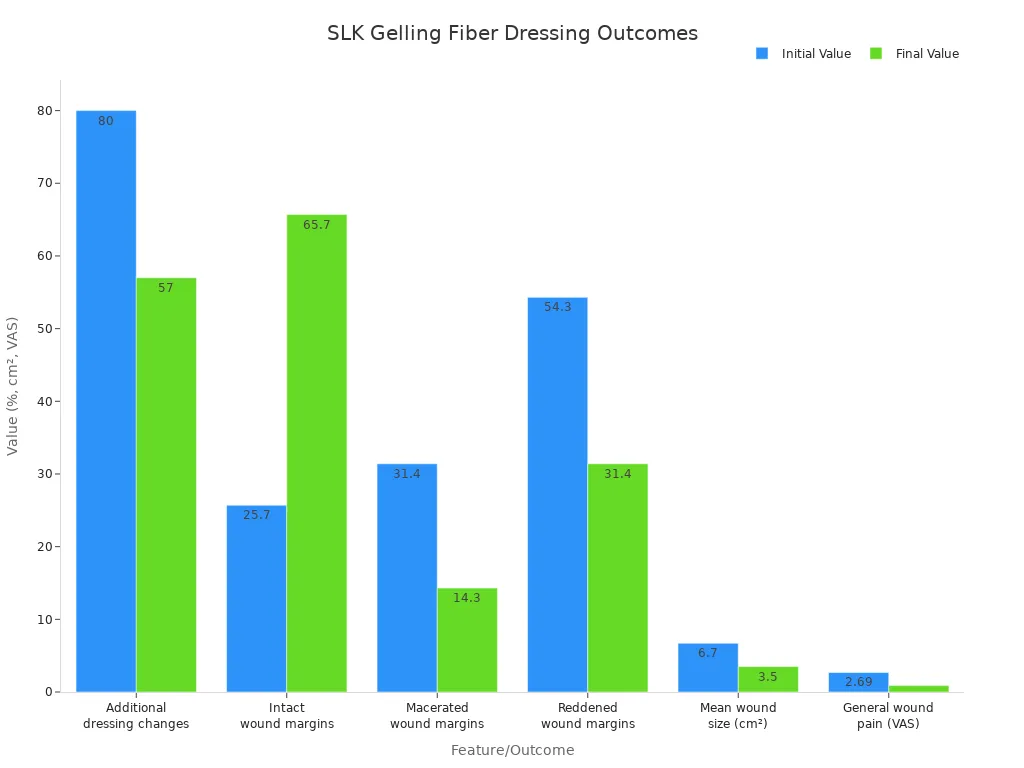
You can trust SLK Medical’s dressing for wounds with lots of fluid. It keeps wounds moist, helps healing, and makes you feel better. These benefits make it a great choice for wound care.
Preparation for Proper Wound Dressing
Getting ready is the first thing you do before dressing a wound. You should have all your supplies ready before you start. This helps you work faster and keeps things safe. Being prepared also helps stop infection. It makes wounds heal quicker.
Gather Supplies
You need to get all your supplies before you begin. This makes things easier and keeps the wound safe. Here is a table that shows what you might need for wound care:
Characteristic | Description |
|---|---|
Structure | Three-dimensional, made of hydrophilic substances |
Water Absorption | Can absorb water from 10% up to thousands of times its weight |
Moisturizing Ability | Keeps the wound moist and helps clean dead tissue |
Transparency | Usually clear, so you can see the wound underneath |
Suitable Wounds | Works for pressure ulcers, surgical wounds, burns, radiation dermatitis |
Exudate Level | Best for wounds with minimal-to-moderate exudate |
Drug Carrier | Can carry medicine and release it slowly |
Antibacterial Activity | Can include silver or zinc oxide for long-lasting antibacterial effects |
You might also need saline solution, gauze pads, extra dressings, and tape. Calcium alginate dressings are good for wounds with more fluid.
Hand Hygiene and Glove Use
You must wash your hands well before touching the wound. Clean hands help stop germs from spreading. Wear gloves to protect yourself and the patient. Studies say gloves are important for stopping infection. Gloves keep your hands clean when you care for wounds. Some germs, like C. difficile, are hard to wash off. Gloves give extra safety.
Wash your hands with soap and water.
Dry your hands with a clean towel.
Put on gloves before you touch the wound or dressing.
Tip: Change your gloves if they get dirty or if you touch something else.
Wound Area Preparation
You need to clean the skin around the wound. Use saline or a wound cleanser to clean it. Dry the skin gently. Make sure there are no lotions or oils on the skin. This helps the dressing stick and keeps the wound safe. Taking care of the wound area helps stop infection and helps healing. Always look for signs of infection before you start.
Cleaning the Wound
Cleansing Steps
You need to clean the wound before you apply any dressings. Cleaning helps lower the risk of infection and supports better management. Follow these steps to make sure you prepare the area the right way:
Tell the patient what you are doing and get their consent.
Wash your hands with soap and water.
Clean your work surface so you have a safe place for supplies.
Wash your hands again.
Open all equipment and place it on a clean field. You may need a dressing pack, cleansing solution, dressings, scissors, or tweezers.
Wash your hands and put on gloves.
Remove the old dressing and throw it away. Wash your hands again.
Clean the wound and the skin around it. If you are washing the patient, clean the wound and the skin around it separately.
Protect all clean parts and keep the wound safe during the procedure.
Wash your hands and change gloves if needed.
Put on the new dressing.
Use tape or other fixation if needed.
Wash your hands again.
Throw away single-use items and clean your work surface.
Tip: Always clean the wound and the skin around it separately. This helps prevent germs from spreading.
Calcium alginate dressings work well for wounds with heavy exudate. They help absorb fluid and keep the area clean.
Drying the Skin
After cleaning, you must dry the skin around the wound. Moist skin can cause the dressing to slip or not stick well. Use a clean, dry towel or gauze to gently pat the skin dry. Make sure the skin is completely dry before you apply the new dressing.
You can use cream on the skin around the wound if your healthcare provider says it is safe. Do not put cream where the dressing or tape will go.
Dry skin helps the dressing stay in place and protects the wound.
Note: Drying the skin is a key step in wound management. It helps prevent skin problems and supports healing.
Step-by-Step Guide to Applying Gel Wound Dressing
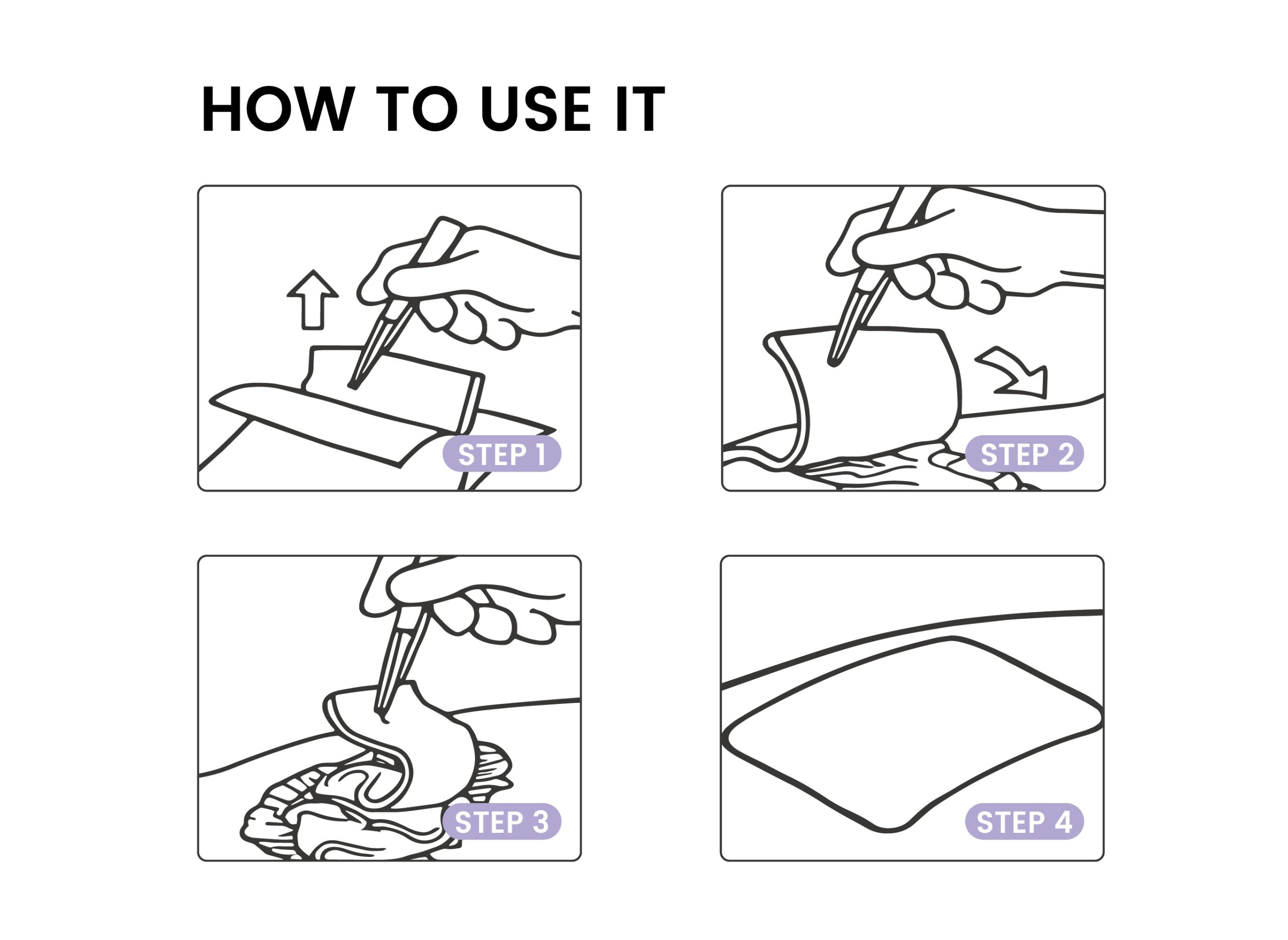
You want the best results for your wound care. This step-by-step guide helps you follow the right application process. You will learn how to use gel wound dressing, including SLK Medical’s Gelling Fiber Dressing, for proper wound dressing and optimal healing.
Applying the Dressing
You start with a full wound assessment. Look at the wound’s depth, shape, and how much exudate is present. This helps you choose the right dressing for your application.
Follow these steps for the application:
Wash your hands and put on gloves.
Clean the wound with saline or a wound cleanser. Dry the skin around the wound.
Check the wound for tunnels, cavities, or irregular shapes.
Take SLK Medical’s Gelling Fiber Dressing out of the package. Use sterile scissors if you need to cut it to size.
Place the dressing directly onto the wound base. Make sure it fills any cavities or tunnels. Do not let the dressing extend beyond the wound edges.
Smooth the dressing gently so it touches all parts of the wound bed.
If you have a wound with heavy exudate, you can use calcium alginate dressings as an alternative.
Tip: Always cover the wound base completely. Avoid placing the dressing on healthy skin. This helps prevent skin irritation and supports healing.
Securing with a Secondary Dressing
You need to keep the gel wound dressing in place. Use a secondary dressing for this application. The secondary dressing absorbs extra exudate and protects the wound.
Here is how you secure the dressing:
Choose a secondary dressing based on the amount of exudate. For wounds with moderate to heavy drainage, use a super absorbent pad or foam dressing.
Place the secondary dressing over the gel wound dressing. Make sure it covers the entire area.
Use medical tape or a bandage to hold everything in place. Do not wrap too tightly.
Check that the dressing stays secure but does not press on the wound.
Note: The right secondary dressing helps with fluid management and keeps the wound safe from germs.
Ensuring a Proper Fit
You want the dressing to fit well for the best application. A proper fit helps with healing and makes dressing changes easier.
Look for these clinical indicators to check the fit:
Clinical Indicator | Description |
|---|---|
Absorption | The dressing absorbs and holds exudate, even when you move. |
Moisture Balance | The wound stays moist but not too wet. |
Minimal Disturbance | You can change the dressing without hurting the wound. |
Durability | The dressing stays in place for several days, sometimes up to a week. |
Suitability for Wound Types | Works best for deep wounds with moderate to heavy exudate, like burns. |
Tip: Always check the dressing at each application and change. If you see leaks, dryness, or the dressing lifts off, you need to adjust the fit.
You help the wound heal faster when you follow these steps. You also lower the risk of infection and make wound management easier. SLK Medical’s Gelling Fiber Dressing gives you comfort and strong absorption. You get better results when you use the right application method.
Post-Application Wound Care
Monitoring the Wound
You need to check your wound every day. Look for changes in color, size, or smell. Notice if the area feels warmer or more painful than before. These signs can show if the wound is healing or if there is a problem. If you see more redness, swelling, or pus, you should talk to a healthcare provider. Write down what you see each day. This helps you track healing and spot problems early.
Tip: Take a photo of your wound every few days. You can compare pictures to see if it is getting better.
Keeping the Area Clean
You play a big role in keeping your wound safe. Cleanliness helps wounds heal faster and lowers the risk of infection. You should always wash your hands before touching the wound or changing the dressing. Use a clean, moist wound bed to help new skin grow. Make sure you use the right cleanser and dressing for your wound. Regular cleaning at each dressing change keeps fluid and bacteria from building up. You should keep pressure injuries clean, moist, and covered. This helps your body heal and keeps the area safe.
Wash your hands before and after wound care.
Use a gentle cleanser that does not hurt the skin.
Change the dressing as often as your healthcare provider tells you.
Keep the wound covered to protect it from germs.
Activities to Avoid
You want to protect your wound as it heals. Some activities can slow healing or cause harm. Try not to scratch or pick at the dressing. Do not let the wound get dirty or wet unless your provider says it is safe. Avoid swimming or soaking in a tub. Stay away from sports or heavy exercise that could bump or stretch the wound area. Wear loose clothing to stop rubbing. Rest helps your body heal.
Note: If you are not sure about an activity, ask your healthcare provider before you try it.
You help your wound heal faster when you follow these steps. Good wound care keeps you safe and supports your recovery.
Common Mistakes in Gel Wound Dressing Application
Mistakes can make your wound heal slower. They can also cause more problems. You should know what not to do with gel wound dressings. Learning about these mistakes helps you heal better and stay safe.
Incorrect Application
Putting on a dressing may look easy, but small mistakes matter. If you do not cover the whole wound base, healing takes longer. Covering healthy skin with the dressing can make it sore. Pressing too hard when you put on the dressing can stop blood from flowing. Always clean, dry, and fit the dressing the right way. Make sure the dressing matches the shape of your wound. Do not let it go past the wound’s edges. If you use calcium alginate dressings, check if your wound has the right amount of exudate.
Tip: Always read the instructions for your dressing. Take your time and check your work before you finish.
Using on Unsuitable Wounds
Gel dressings are not good for every wound. If you use them on wounds with lots of fluid or infection, you can have more trouble. Some people have skin that reacts to the dressing. Watch for redness or itching. The table below shows what can go wrong if you use gel dressings on the wrong wounds:
Risk Description | Details |
|---|---|
Skin Irritation | Hydrogel dressings can make skin sore, especially if your skin is sensitive. |
Allergic Reactions | Some people get allergies, like redness, itching, or rashes. |
Infection Risk | Using hydrogel dressings on wounds with lots of fluid or infection can make things worse and slow healing. |
Excessive Moisture | Using the wrong dressing can make the skin too wet and cause soft, white skin around the wound. |
Compromised Healing | Not changing the dressing often enough can raise infection risk and slow healing. |
You should always pick the right dressing for your wound. If you do not know which one to use, ask a healthcare provider.
Ignoring Infection Signs
You need to check your wound for infection signs every day. If you ignore these signs, you can get very sick. Watch for these warning signs:
More pain or soreness
Strange fluid coming out
Redness and warmth
Swelling
Bad smell
Wound not getting better
If you see any of these, call your healthcare provider right away. Acting fast helps stop bigger problems and helps you heal faster.
Note: Checking your wound every day helps you find problems early and keeps healing on track.
Dressing Change Frequency and Signs
How Often to Change
You need to know how often to change the dressing for the best wound care. Clinical guidelines give clear advice. The type of dressing you use affects how often you should change it. Look at the table below to see what experts recommend:
Dressing Type | Recommended Change Frequency |
|---|---|
Hydrogel dressings without adhesive | Up to 1 dressing change per day unless more frequent changes are documented as medically necessary. |
Hydrogel dressings with adhesive | Up to 3 dressing changes per week unless more frequent changes are documented as medically necessary. |
You should always follow your healthcare provider’s instructions. If your wound has more exudate or looks different, you may need to change the dressing sooner.
When to Replace the Dressing
You must watch for signs that tell you when to change the dressing. If you see the dressing lifting off, leaking, or getting dirty, you should replace it. When the wound produces more exudate, the dressing may not absorb it well. If you notice a bad smell or the wound looks red and swollen, change the dressing right away. Always check for signs of infection. If you feel more pain or see pus, you need to act quickly.
Tip: Change the dressing if it gets wet, loose, or if you see any new symptoms.
Factors Affecting Change Frequency
Many things can affect how often you need to change the dressing. You should think about these factors to keep your wound safe:
Moisture retention helps wounds heal faster. It supports new skin growth and collagen.
The type of dressing you use matters. Conventional dressings often need changes every 12-48 hours.
If your wound gets infected, you may need to change the dressing more often.
The time it takes for the wound to close can change how often you need to replace dressings.
Calcium alginate dressings work well for wounds with heavy exudate and may need more frequent changes.
You help your wound heal better when you pay attention to these signs and factors. Good wound care means you check your wound often and change the dressing when needed.
When to Seek Professional Wound Care Help
You need to know when to ask for help with wound care. Some wounds need more than home treatment. If you see certain changes, you should contact a healthcare provider.
Signs of Infection
You must watch for signs of infection every day. These signs can mean your wound is not healing well. If you notice any of the following, you should get help:
Increased redness around the wound
Warmth at the wound site
Swelling that does not go away
Persistent pain that gets worse
Foul odor coming from the wound
More fluid, especially if it looks thick or yellow
Delayed healing, even after using dressings
Tip: If you see two or more signs of infection, call your doctor. Early action helps prevent bigger problems.
Non-Healing Wounds
Some wounds do not heal, even with good care. You may see this with ulcers, diabetic wounds, or surgical wounds. If your wound stays the same size or gets bigger after two weeks, you need professional help. Wounds that bleed often or keep producing fluid may need special treatment. Calcium alginate dressings can help with heavy fluid, but you still need to check healing progress.
Wound Type | When to Seek Help |
|---|---|
Ulcers | No change after 2 weeks |
Diabetic wounds | Slow healing or infection |
Surgical wounds | Redness, swelling, or pain |
Allergic Reactions
You may react to some dressings. Common allergens include PVP-iodine, balsam of Peru, fragrance mix, colophony, and potassium dichromate. Hydrocolloid dressings sometimes cause skin problems. If you see redness, itching, or a rash, stop using the dressing. You can use emollients to soothe your skin. For moderate reactions, topical corticosteroids may help. Always avoid the allergen if you know what causes your reaction.
Note: If your skin gets worse or you feel sick, see a healthcare provider right away.
You keep your wound safe when you know these warning signs. Quick action helps you heal faster and lowers the risk of infection.
You get the best results when you follow each step for gel wound dressing. Using advanced products like SLK Medical’s Gelling Fiber Dressing supports faster healing and better comfort. Always check your wound and use the right wound care methods. If you see problems, ask a healthcare provider for help. Calcium alginate dressings also help with wounds that have more fluid. Keep this guide so you can care for wounds safely in the future.
FAQ
How do you know if a gel wound dressing is working?
You should see less redness, swelling, and pain. The wound may look smaller or cleaner. If you notice these changes, the dressing helps healing. Take photos to track progress.
Can you shower with a gel wound dressing?
You can shower if you cover the dressing with a waterproof barrier. Avoid soaking the wound. Pat the area dry after your shower.
What should you do if the dressing falls off early?
Clean your hands. Gently clean the wound with saline. Apply a new gel wound dressing. Secure it with a secondary dressing. Watch for signs of infection.
Are gel wound dressings safe for children?
Yes, you can use gel wound dressings on children. Always check with a healthcare provider first. Watch for skin reactions or allergies.
How do you store unused gel wound dressings?
Store dressings in a cool, dry place. Keep them in their original packaging. Avoid direct sunlight and moisture. Check the expiration date before use.


