


Picking the right adhesive dressing can seem hard. You want a dressing that covers wounds well. It should also keep your skin safe. Some people get hurt skin from using the wrong dressing. For example:
56.8% of people with acrylate dressings get skin injuries.
31.8% of people with silicone dressings have the same issues.
Your skin type and wound needs are important. SLK Medical gives you smart choices. These help you take care of wounds with confidence.
Key Takeaways
Pick the right adhesive dressing to keep it secure and protect your skin. This helps wounds heal faster and stops skin from getting hurt.
Think about your wound type and how much fluid it has before picking a dressing. Use absorbent dressings if your wound has a lot of fluid. Use moisture-retaining dressings if your wound is dry.
Choose gentle adhesives like silicone if your skin is sensitive. These dressings make removal less painful and lower the chance of skin damage.
Check your dressing and skin often. Change the dressing when needed to stop infections and help healing.
Talk to a wound care team for advice just for you. They can help you pick the best dressing for your needs.
Why Balance Fixation and Skin Protection?

When you pick an adhesive for wounds, you need to think about two things. You want the dressing to stay on well. You also want to keep your skin safe. If you only care about sticking the dressing, your skin might get hurt. If you do not make sure it sticks, the dressing can move and leave the wound open. This is important for everyone. It is even more important for people who might get pressure ulcers.
Risks of Poor Adhesion
If a dressing does not stick well, there can be problems. The dressing might move or fall off. This can let germs get in and cause infection. Pressure ulcers can happen more if the dressing does not stay on. Here are some problems you might see:
Allergic contact dermatitis can happen if your skin does not like the adhesive.
Irritant contact dermatitis can make your skin red and sore.
Tension injuries or blisters can show up if the dressing pulls your skin.
Skin tears can happen if you take off the dressing too fast.
Maceration can start if water gets stuck under the dressing.
You can stop these problems by picking the right adhesive. Good wound care helps too.
Skin Damage Concerns
Skin damage is a big worry when you use adhesive dressings. This is true for people with pressure ulcers. Some people have a higher chance of getting hurt skin. For example, studies say that up to 41.2% of people in intensive care units get skin injuries from adhesive dressings. In surgery areas, the number is 36.4%.
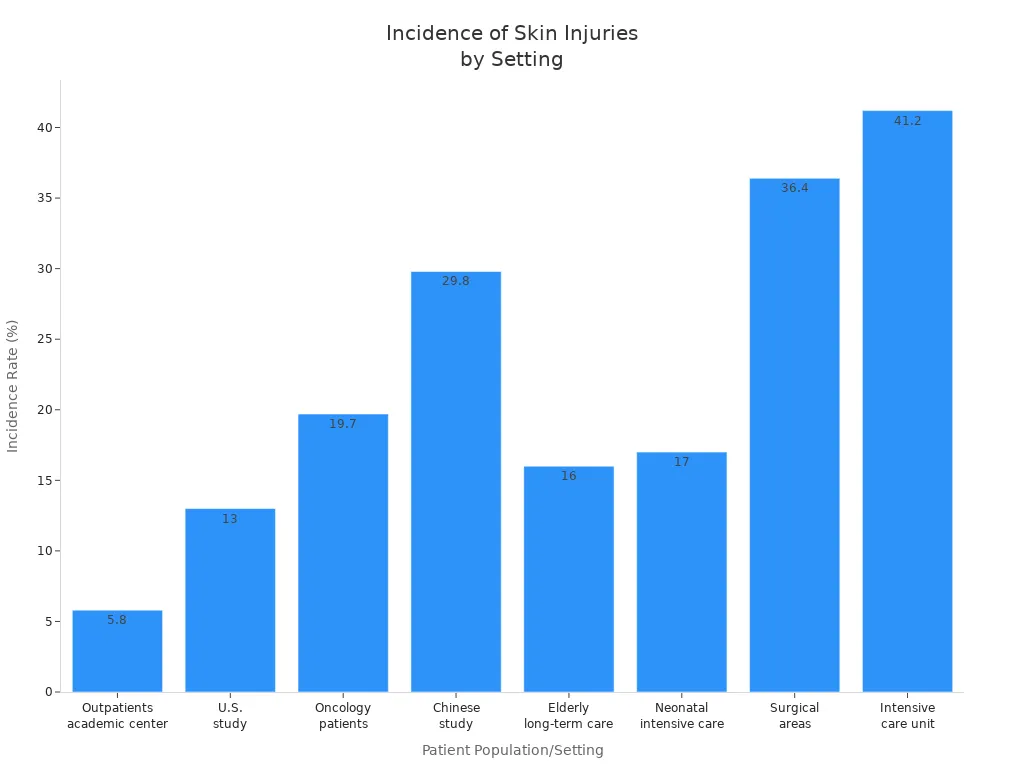
You can see that the risk changes depending on where you get care. The kind of adhesive you use also matters. Hydrocolloid adhesives help keep your skin moist and lower the chance of medical adhesive-related skin injury (MARSI). Amorphous gel adhesives do not hurt as much. The table shows how different adhesives affect your skin:
Adhesive Type | Effect on Skin Barrier Function | Incidence of Blisters |
|---|---|---|
Amorphous Gel Adhesive | Less discomfort and damage to skin barrier function | N/A |
Hydrocolloid Adhesives | Promoted hydration of stratum corneum, reducing MARSI | N/A |
OpSite Post-Op | Reduced incidence of blisters with correct application | Decreased blistering and wound secretion rates |
Here are some tips to protect your skin:
Check your skin for problems.
Only use adhesive when you need it.
Try barrier protectors and adhesive removers.
Be gentle when you put on and take off adhesive.
Take care of your skin and talk to your wound care team.
If you balance sticking the dressing and keeping your skin safe, you can stop pressure ulcers and help wounds heal better.
Types of Adhesive Dressing by SLK Medical
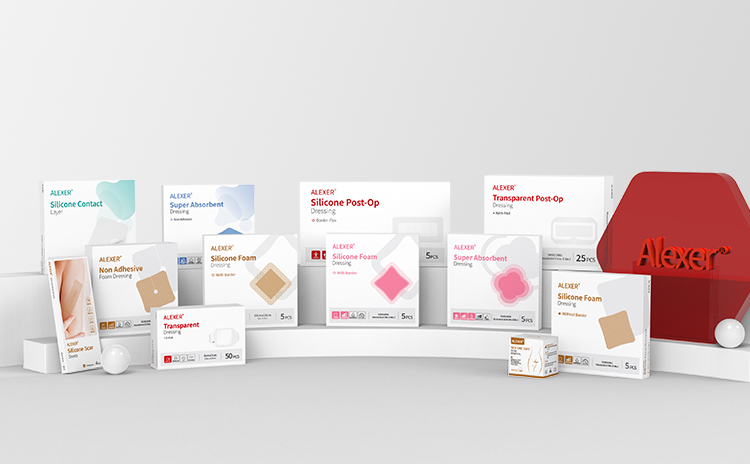
SLK Medical has many types of adhesive dressings. Each one has special features to help your wound. You can pick the best product for your needs.
Hydrocolloid Dressing Features
Hydrocolloid dressings use a gentle adhesive. This adhesive turns into a gel when it touches wound fluid. The gel keeps the wound moist and helps it heal faster. You can see the wound through the clear layer. This means you do not have to take off the dressing often. The dressing is flexible and fits many body parts. It protects your skin from pain and more injury.
Silicone Wound Contact Layer Benefits
Silicone wound contact layers use a soft adhesive. These are good for people with sensitive skin. They make it hurt less when you take them off. They also lower the chance of skin damage. Studies show that silicone dressings help wounds heal faster. They also cause less trauma. You can see this in the table below:
Study | Findings |
|---|---|
LeBlanc et al | Silicone dressings limit skin damage and minimize pain during changes. |
Matsumara et al | Soft silicone causes less skin stripping than other adhesives. |
Current Study | 96.9% of skin tears healed with silicone dressings. |
Kennedy-Evans | No dressing-related skin trauma in 14-day healing times. |
Silicone layers make it hurt less to remove them.
They protect the wound for many days.
They help wounds heal faster and save money.
Silicone Foam Dressing Advantages
Silicone foam dressings use advanced adhesive technology. They soak up a lot of fluid and stick gently. These dressings are good for sensitive or weak skin. They keep the wound moist and comfortable. The table below shows how SLK Medical’s silicone foam dressings compare to regular foam dressings:
Feature | Traditional Foam | |
|---|---|---|
Absorbency | Superior | Moderate |
Leakage | Less | More |
Comfort during change | High | Moderate |
Pain during change | Reduced | Higher |
Silicone Foam Ag Dressing (with Silver) Advantages
Silicone foam Ag dressings have silver in them. The silver fights germs and lowers infection risk. These dressings release silver ions fast and keep working for up to seven days. You can use them for wounds that might get infected, even those with MRSA.
They work fast and last a long time.
They are good for wounds with infection.
They help lower signs of infection.
Super Absorbent Dressing Silicone Adherent Features
Super absorbent dressings with silicone adhesive hold a lot of fluid. They keep the wound dry and protect your skin. The silicone layer is gentle, so you can take it off without pain. These dressings are best for wounds with a lot of fluid.
Alginate Wound Dressing Features
Alginate wound dressings use a special adhesive. This adhesive works when it touches wound fluid. They soak up a lot of fluid and help stop bleeding. The table below shows how they help blood clot:
Hemostatic Property | Description |
|---|---|
Platelet Activation | Alginates help blood clot by activating platelets. |
Thrombin Generation | They help form clots by making thrombin. |
High Absorbency | They soak up a lot of wound fluid. |
Gel-Forming Abilities | They turn into a gel to help wounds heal. |
Antimicrobial Properties | They reduce infection risk. |
Gelling Fiber Dressing Features
Gelling fiber dressings soak up fluid and turn into a gel. This gel helps clean the wound. It helps your body get rid of dead tissue. These dressings keep the wound moist and lower pain. They also help new skin grow.
Wounds heal faster when they stay moist.
They lower pain and scarring.
They help skin grow back.
Transparent Dressing Applications
Transparent dressings use a hypoallergenic adhesive. They are waterproof and let air in. You can see the wound without taking off the dressing. These dressings are good for surgical wounds and catheter sites. Studies show that 99% of surgical wounds healed with these dressings. Patients also said they were very comfortable.
Tip: Pick the adhesive dressing that fits your wound and skin. SLK Medical has many choices for safe and good wound care.
Choosing an Adhesive Dressing
When you pick a wound dressing, think about your wound. You also need to think about your skin and where the wound is. The right adhesive helps wounds heal. It also keeps your skin safe. Here are some things to think about:
Wound Type and Exudate
Look at how much fluid your wound makes. Wounds with lots of fluid need special dressings. These wounds include diabetic foot ulcers and pressure ulcers. They need dressings that soak up more fluid. SLK Medical’s Super Absorbent Dressing Silicone Adherent and Alginate Wound Dressing are good for these. Wounds with less fluid need different dressings. Some chronic leg ulcers do not make much fluid. For these, you can use Hydrocolloid Dressing or Transparent Dressing. These dressings keep the wound moist and help it heal.
Exudate Level | Recommended Wear Time | SLK Medical Product Example |
|---|---|---|
Low Exudate | 5-7 days | Hydrocolloid Dressing, Transparent Dressing |
Moderate Exudate | 3-5 days | Silicone Foam Dressing |
High Exudate | Up to 3 days | Super Absorbent Dressing, Alginate Dressing |
Skin Sensitivity and Allergies
If your skin is sensitive, you need a gentle adhesive. People with diabetic foot ulcers or pressure ulcers often have fragile skin. SLK Medical’s Silicone Foam Dressing and Silicone Wound Contact Layer use soft silicone. These dressings make it hurt less when you take them off. They also protect your skin. Hypoallergenic materials help stop allergies. Research says about 5.4% of people get allergic contact dermatitis from adhesives. You should pick dressings that are gentle and safe.
Benefit | Description |
|---|---|
Minimizes pain on removal | Makes taking off the dressing hurt less |
Gentle on fragile skin | Keeps your skin safe and comfortable |
Protective barrier | Stops germs and lowers infection risk |
Breathable materials | Lets air in so your skin can heal |
Waterproof | Stays on even if wet |
Lasts for up to 7 days | Fewer dressing changes needed |
Hypoallergenic materials help lower allergy risk.
Non-adherent surfaces make it easy to change dressings.
Breathable designs help wounds heal better.
Dressing Location and Movement
Where you put the dressing is important. Joints and places that move a lot need flexible adhesives. Elbows and knees bend and move all the time. Soft silicone dressings from SLK Medical bend with your body. They stay in place and do not hurt your skin. This is important for wounds on heels or feet.
Flexible dressings are good for joints.
Soft silicone stays in place and does not hurt.
Wear Time and Change Frequency
Think about how long you want the dressing to stay on. Wounds with lots of fluid need more changes. Pressure ulcers and diabetic foot ulcers may need new dressings every few days. Super Absorbent Dressing Silicone Adherent and Alginate Wound Dressing are good for these. Dry wounds can use Hydrocolloid Dressing or Transparent Dressing for longer. If your wound might get infected, use Silicone Foam Ag Dressing. For deep wounds, Gelling Fiber Dressing fits well and keeps the wound moist. For sensitive skin, use Silicone Foam Dressing and Silicone Wound Contact Layer. For wounds on moving parts, pick flexible silicone foam dressings.
Tip: Pick a dressing that matches your wound and your skin. This helps you get the best care and keeps you safe.
Comparing Wound Dressing Materials

Picking the right wound dressing helps your skin heal faster. You need to know how each material works for wounds. This is important if you have pressure ulcers or sensitive skin.
Silicone-Based Dressings
Silicone-based dressings are gentle and protect your skin. You can use them for pressure ulcers and delicate skin. These dressings have a soft adhesive that does not hurt when removed. You can move them many times and they still stick. They keep the wound moist and make changes less painful. Silicone is safe and does not cause allergies. These dressings are comfortable and simple to use.
They do not hurt when you take them off.
You can move them more than once.
They are safe for your body.
They are good for sensitive skin and pressure ulcers.
Hydrocolloid Dressings
Hydrocolloid dressings use a special adhesive. This adhesive turns into a gel when it touches wound fluid. You can leave them on for up to a week. They keep germs out and help your body heal by staying moist. These dressings work well for pressure ulcers with little or medium fluid. Sometimes, they might stick to the wound or curl at the edges. You should check for these problems.
Advantages | Disadvantages |
|---|---|
Last longer than most dressings | Not for all wounds, especially with lots of fluid |
Easy to put on | Hard to see the wound through the bandage |
Bend and fit to your skin | Can hurt when you take them off |
Keep germs out | May cause skin to get too wet or grow extra tissue |
Alginate and Gelling Fiber Dressings
Alginate and gelling fiber dressings are good for wounds with lots of fluid. You can use them for pressure ulcers that leak a lot. These dressings soak up fluid and keep the wound moist. They also help stop infection. Alginate dressings help your body stop bleeding. Gelling fiber dressings fit deep wounds and make changes less painful.
Tip: Alginate and gelling fiber dressings are best for wounds with lots of fluid, like pressure ulcers.
Acrylic Adhesive Dressings
Acrylic adhesive dressings stick very well. You can use them for negative pressure wound therapy or to protect skin around wounds. These dressings fit many body parts and seal wounds tightly. They help keep the area clean and safe from germs.
Clinical Indication | Description |
|---|---|
Negative Pressure Wound Therapy | Makes a tight seal for healing and protection |
Peri-wound Protection | Protects skin around the wound |
Conformability | Fits bumpy or curved body parts |
Polyurethane (PU) Film Dressings
Polyurethane film dressings keep wounds moist and safe from germs. You can use them for pressure ulcers and wounds that need a waterproof cover. These dressings let air in but keep bacteria out. They help wounds heal and feel comfortable. You can use them in hospitals or at home.
Aspect | Description |
|---|---|
Moist Environment | Helps wounds heal faster |
Antimicrobial | Stops bacteria and fungus |
Biocompatibility | Feels good and does not cause allergies |
Fluid Handling | Soaks up wound fluid well |
Thermoregulation | Keeps the wound at the right temperature and wetness |
Note: Pick the wound dressing that matches your wound, your skin, and how much fluid your wound makes. This helps you stop pressure ulcers and heal better.
Application and Removal Tips
Silicone Foam Dressing
Preparing the Skin
Always wash your hands first. Clean the wound with saline or a gentle soap. Dry the skin by patting it. Do not use lotion or oil near the wound. This helps the adhesive stick better and keeps the dressing in place.
Secure Application Steps
Take off the backing from the dressing.
Put the foam right over the wound.
Press the edges softly so it sticks well.
Smooth out any folds to stop leaks.
Silicone foam dressings use a soft adhesive. This keeps the dressing on without hurting your skin. If the dressing starts to come off, you should change it.
Gentle Removal Techniques
Slowly lift one corner of the dressing.
Hold the skin with one hand as you peel back the dressing.
Pull the dressing back over itself, not straight up.
Silicone foam dressings make it hurt less when you take them off. They help keep the wound safe and lower infection risk.
Evidence | Description |
|---|---|
Pain from Dressing Removal | Taking off a dressing can hurt a lot and cause stress. This can slow healing and raise infection risk (Fumarola et al, 2020). |
Use of Silicone Dressings | Silicone dressings are suggested to make removal less painful (Fumarola et al, 2020). |
Alginate Wound Dressing
Preparing the Skin
Clean the wound with saline. Pat the area dry. Make sure the skin around the wound is clean so the second dressing will stick.
Secure Application Steps
Put the alginate dressing on the wound.
Cover it with another dressing that has an adhesive edge.
Check the dressing every day, especially if the wound looks infected.
Change the dressing if you see fluid leaking.
Gentle Removal Techniques
Wet the alginate dressing with saline before taking it off.
If it sticks, use more saline to rinse it away.
Take off the second adhesive dressing slowly so you do not hurt the skin.
Transparent Dressing
Preparing the Skin
Wash your hands. Clean the wound and the skin around it. Dry the area well. This helps the adhesive stick better and keeps the dressing in place.
Secure Application Steps
Peel off the backing.
Put the transparent dressing over the wound.
Press the edges so the adhesive seals the area.
Transparent dressings let you see the wound without taking off the dressing. They keep out water, dirt, and germs.
Gentle Removal Techniques
Loosen one edge of the dressing.
Slowly peel it back, keeping it close to the skin.
Hold the skin as you take off the dressing.
Transparent dressings help you check the wound and lower infection risk. They use a gentle adhesive that protects your skin.
Feature | Benefit |
|---|---|
Moisture Retention | Helps wounds heal faster by keeping them moist. |
Infection Prevention | Blocks germs, dirt, and water to lower infection risk. |
Breathability | Lets you wear the dressing longer without changing it often. |
Special Cases in Wound Dressing Selection
Pediatric and Elderly Skin
Skin Fragility and Comfort Considerations
Kids and older people have very delicate skin. Their skin can break or tear easily when you use adhesive. You should check their skin before and after using a dressing. Both kids and older adults may feel more pain and worry when you change dressings. Older adults heal slower because their skin is thin. Their immune system is not as strong. Kids might get scared of tape or dressings.
Consideration | Pediatric Patients | Elderly Patients |
|---|---|---|
Skin Assessment | Check skin before and after each use | Check skin before and after each use |
Skin Condition | Watch for red or weak skin | Watch for red or weak skin |
Adhesive Type | Use silicone adhesives for less damage | Use silicone adhesives for less damage |
Dressing Features | Easy to remove, safe, and flexible | Easy to remove, safe, and flexible |
Risk Factors | Fragile skin, more cream absorption | Fragile skin, other health problems |
Dressing Selection Tips
Pick dressings with gentle adhesive for these groups. Silicone foam dressings and silicone wound contact layers from SLK Medical are good choices. These dressings help stop skin tears and pain. They fit the body well and let skin breathe. This helps stop pressure ulcers and keeps skin safe.
Choose soft and flexible dressings.
Look for dressings that are easy to take off.
Pick dressings that do not cause allergies.
Application and Removal Guidance
Be careful when you put on or take off a dressing. Always clean the skin first. Hold the skin down and peel the dressing back slowly. Check the skin often for redness or blisters. Change the dressing if you see any problems. This helps stop pressure ulcers and keeps skin healthy.
Tip: Check the skin every day for kids and older adults. Take off dressings gently so you do not hurt the skin.
Chronic and Sensitive Wounds
Reducing Skin Irritation and Secondary Injury
Chronic wounds and sensitive skin need special care. Use an adhesive that does not stick too hard. Dressings that keep wounds moist help them heal and lower pain. Non-adherent dressings do not pull on new skin. This lowers the chance of more injury and helps stop pressure ulcers.
Dressing Change Best Practices
Change dressings on a regular schedule. Do not wait until the dressing falls off. Use gentle products and stay away from strong adhesives. Always clean the wound and skin before putting on a new dressing. Watch for signs of infection or irritation. If you see problems, talk to a healthcare provider.
Product Recommendations for Sensitive Skin
SLK Medical’s silicone foam dressing and gelling fiber dressing are good for sensitive skin. These dressings soak up fluid and keep the wound moist. They use a gentle adhesive that does not hurt when you take it off. You can use these for pressure ulcers and wounds that need extra care. Non-adherent dressings help lower pain and protect sensitive skin. Pick dressings that are easy to remove and do not cause allergies.
Benefits | |
|---|---|
Hydrogels | Keep wounds moist, good for dry wounds |
Foams | Soak up fluid, good for moderate to high exudate |
Antimicrobial | Lower infection risk for infected wounds |
Smart Dressings | Watch wound changes, give medicine if needed |
Note: Always pick a dressing that matches your wound and skin. This helps you heal faster and lowers the risk of pressure ulcers.
Quick-Reference Checklist
Key Considerations for Selecting an Adhesive Dressing
Picking the right wound dressing helps your skin heal. It also keeps your skin safe. You can use this checklist to help you make good choices. This is important for diabetic foot ulcers and pressure ulcers.
Description | |
|---|---|
Healing Support | Keeps the wound moist and helps new tissue grow. |
Trauma Prevention | Stops new skin from getting hurt during dressing changes. |
Protection | Lets air in, blocks germs, and keeps the right temperature for blood flow. |
Safety | Uses materials that are sterile, non-toxic, and non-allergenic. |
Local Wound Factors | Matches the dressing to how much fluid, infection risk, and healing stage the wound has. |
Systemic Patient Factors | Considers allergies, how often you can change dressings, and what supplies you have. |
Wound Type & Exudate Level
If your wound has a lot of fluid, you need a special dressing. Some diabetic foot ulcers and pressure ulcers make lots of fluid. Use Super Absorbent Dressing Silicone Adherent or Alginate Wound Dressing for these wounds.
If your wound has medium fluid, you need a different dressing. Many pressure ulcers have this. Pick Silicone Foam Dressing, Silicone Foam Ag Dressing (with Silver), or Gelling Fiber Dressing.
If your wound is dry or has little fluid, you need another kind. Some diabetic foot ulcers are like this. Choose Hydrocolloid Dressing or Transparent Dressing.
Risk of Infection
If your wound might get infected, you need extra protection. Infected pressure ulcers and diabetic foot ulcers are at high risk. Pick Silicone Foam Ag Dressing (with Silver) for these wounds.
Skin Sensitivity & Fragility
If your skin is sensitive or breaks easily, you need a gentle dressing. This happens a lot with diabetic foot ulcers and pressure ulcers. Use Silicone Foam Dressing or Silicone Wound Contact Layer. These dressings help stop pain and protect your skin.
Wound Location & Movement
If your wound is on a joint or a place that moves, you need a flexible dressing. Elbows and heels move a lot. Silicone Foam Dressings stay in place and move with your body.
Wear Time & Change Frequency
If you want the dressing to stay on longer, pick the right one. Silicone Foam Dressing and Super Absorbent Dressing Silicone Adherent last longer. These are good for pressure ulcers and diabetic foot ulcers that do not need many changes.
Special Wound Needs
If your wound is deep or has an odd shape, you need a dressing that fits well. Gelling Fiber Dressing shapes to the wound and keeps it moist. If your wound is a cavity, Alginate Wound Dressing works best.
Tip: Always check how much fluid your wound has, where it is, and how your skin feels. This helps you pick the best dressing for diabetic foot ulcers and pressure ulcers.
When you pick an adhesive dressing for diabetic foot ulcers or pressure ulcers, you help wounds heal better. You need to make sure the dressing sticks well but also keeps your skin safe. Think about what kind of adhesive it uses. Check if it can handle sweat or heat and if it keeps the wound from getting too wet. The table below shows what is important:
Key Factor | Description |
|---|---|
Type of Adhesive | Some adhesives are better for certain wounds and skin. |
Securement Strength | Dressings should hold tight but still feel comfortable. |
Gentle Removal | This helps keep weak skin safe, especially for these wounds. |
Moisture Management | Good adhesives stop your skin from getting soggy. |
Compatibility | Adhesives should work with many types of dressings. |
Stable Adhesion | Dressings must stay on, even for these hard-to-treat wounds. |
Performance Under Conditions | Adhesives should work well when you sweat or get hot. |
Use this checklist to help you choose the right dressing. SLK Medical has special adhesive dressings for all kinds of wounds. If your wound is hard to treat, ask a wound care expert for help.
FAQ
What adhesive dressing should you use for sensitive skin?
Pick dressings with soft silicone adhesives. SLK Medical’s Silicone Foam Dressing and Silicone Wound Contact Layer help protect weak skin. They also make it hurt less when you take them off.
How often should you change your adhesive dressing?
Look at your wound and dressing every day. If your wound has a lot of fluid, change the dressing every one to three days. If your wound is dry, you can wait up to seven days.
Can you shower with an adhesive dressing?
You can shower if you use waterproof dressings like SLK Medical’s Transparent Dressing. These dressings keep water out and protect your wound while you wash.
What should you do if you notice skin irritation?
Take off the dressing slowly and gently. Clean your skin and let it rest for a while. Next time, try a hypoallergenic dressing. If your skin still gets irritated, talk to your healthcare provider.


