


You use an antimicrobial dressing to keep wounds safe from bad bacteria. These dressings help stop infections and help wounds heal. New studies show that special wound dressings can fight bacteria and lower exudate. This helps wounds get better more quickly. Silver-based antimicrobial dressings, like ones from SLK Medical, work well against many kinds of bacteria. SLK Medical makes new products that protect wounds and keep them comfortable. Knowing about antimicrobial dressing choices helps you pick the best care for each wound.
Key Takeaways
Antimicrobial dressings help stop infection and help wounds heal faster by keeping them moist. – Pick the right dressing for the wound and what the patient needs to give good care. – Silver-based dressings work well against many bacteria and can help wounds heal for up to seven days. – Change dressings often and check wounds for infection signs to keep patients safe. – SLK Medical has many antimicrobial dressings made for different wounds and patient needs.
What Is an Antimicrobial Dressing?
Definition and Key Features
You can find antimicrobial dressings in hospitals, clinics, and homes. These dressings are made to cover wounds and keep out germs. They help wounds heal faster and protect against infection. Experts say antimicrobial dressings change the amount of bacteria in wounds. You use them to lower infection risk for many wounds, like surgical cuts and tracheostomy sites.
Antimicrobial dressings cover wounds and keep them safe.
They help wounds stay moist, which helps healing.
You use them to lower infection risk.
They work for shallow and deep wounds.
Antimicrobial dressings are different from regular ones because they fight germs. They have special agents, such as silver or PHMB, that stop bacteria from growing. You use antimicrobial dressings to block bacteria and slow down germs. There are many types of antimicrobial agents, and each has its own benefits.
Block bacteria from getting into wounds
Slow down germs from growing
Use agents like PHMB to fight germs
Why Antimicrobial Dressings Matter in Wound Care
You want wounds to heal fast and without trouble. Antimicrobial dressings help keep wounds safe from germs. They make the wound moist and act as a shield against bacteria. Using antimicrobial dressings can help wounds heal better by lowering bacteria. If infections last too long, wounds heal slowly, so you need ways to help wounds recover.
Evidence Type | Description |
|---|---|
Role of Dressings | Antimicrobial dressings keep wounds moist and block germs. |
Microbial Bioburden | Studies show bacteria can affect how wounds heal. |
Infection Persistence | Long-lasting infections slow healing, so these dressings help. |
You use antimicrobial dressings in clinics to care for wounds and stop problems. These dressings help protect patients and help wounds heal. You pick antimicrobial dressings because they fight infection and help people get better.
How Antimicrobial Dressings Work
Mechanism of Action Against Infection
Antimicrobial dressings help stop bacteria from growing in wounds. They protect the wound and help it heal faster. When you put one on, it releases special agents. These agents attack bacteria in different ways. Some agents break the cell walls of bacteria. Others stop bacteria from making energy. This keeps the wound clean and helps prevent infection.
Here is a table that shows how common agents in antimicrobial dressings work:
Antimicrobial Agent | Mechanism of Action |
|---|---|
Silver | Releases ions that stick to cell proteins and cause cell death. |
Iodine (Cadexomer) | Releases free iodine that attacks many parts of microbial cells and kills them. |
PHMB | Stops infection from spreading by acting like antimicrobial peptides. |
Honey | Releases hydrogen peroxide to fight germs and helps clean the wound. |
DACC | Grabs germs on its surface so you can remove them with the dressing. |
Sometimes wounds have a biofilm. This is a layer of bacteria that sticks to the wound. It makes healing harder. Antimicrobial dressings help break down this layer. They remove harmful germs. In clinics, you use these dressings to lower infection risk and help wounds heal faster.
Common Antimicrobial Agents
There are many types of antimicrobial agents in wound dressings. Each agent fights germs in its own way. Here are some common agents:
Silver: You use silver because it fights many germs. It blocks bacteria from making energy and kills lots of germs.
Chlorhexidine: You use this in clinics. It works against many bacteria and keeps wounds clean.
Povidone iodine: You use this to kill many germs that cause infections.
Honey: You use honey because it fights bacteria like MRSA and Pseudomonas aeruginosa.
Contreet: You use this dressing for wounds with lots of germs. Studies show it works well in clinics.
You pick the right antimicrobial agent based on the wound and infection type. These agents help you care for wounds and help patients heal.
Types of Antimicrobial Wound Dressings
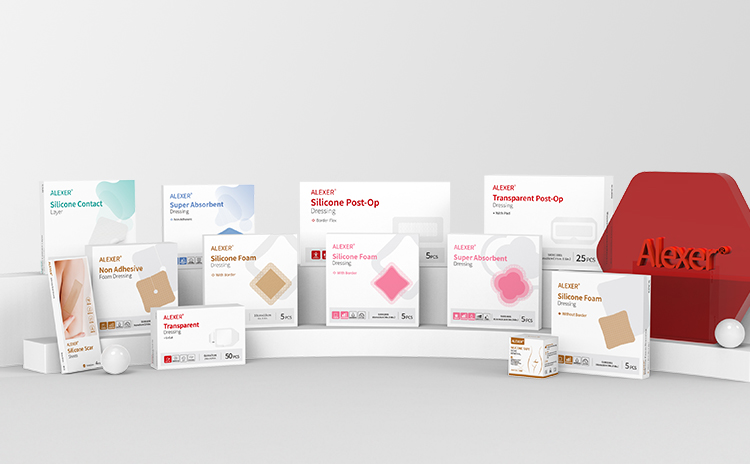
There are many kinds of antimicrobial wound dressings. Each one helps wounds heal and keeps out infection in its own way. It is important to know how each dressing works. This helps you pick the right one for every wound.
Silver Antimicrobial Dressings (e.g., SLK Medical Silicone Foam Ag)
Silver dressings are used a lot for wound care. Silver fights many germs and helps wounds heal faster. Silver sends out ions that attack bacteria and stop them from growing. Many good antimicrobial dressings have silver in them.
SLK Medical has different silver dressings. The Alexer Silicone Foam Ag Dressing with Border keeps wounds moist and fights germs. You use it for ulcers, burns, pressure injuries, and surgical wounds. It has a soft silicone layer, so it is good for sensitive skin. Silver ions in the foam help stop infection for up to seven days.
There is also the Alexer Silicone Foam Ag Dressing without Border. You use this one for wounds that need compression. It stays on well and does not stick to the wound. Silver in the foam keeps bacteria away and helps wounds heal.
The Alexer Non-Adhesive Ag Foam Dressing is another option. You use it for wounds with a lot of exudate. Silver ions fight germs and keep the wound moist. You can cut this dressing to fit any wound shape.
Tip: Use silver antimicrobial wound dressings for wounds that might get infected or heal slowly.
Here is a quick table about SLK Medical silver dressings:
Product Name | Key Features | Best Use Cases |
|---|---|---|
Silicone Foam Ag Dressing with Border | Keeps wounds moist, soft silicone, silver ions | Ulcers, burns, surgical wounds |
Silicone Foam Ag Dressing without Border | Good for compression, does not stick, silver ions | Chronic wounds, compression |
Non-Adhesive Ag Foam Dressing | Can cut to size, soaks up fluid, silver ions | Wounds with lots of exudate |
Non-Adhesive Antimicrobial Foam Dressings
Non-adhesive antimicrobial foam dressings are soft and flexible. They do not stick to the skin, so they are good for fragile or sensitive areas. You can cut them to fit any wound shape.
SLK Medical’s Alexer Non Adhesive Foam Dressing helps with wounds that have a lot of exudate. The foam soaks up fluid and keeps the wound moist. You use it for surgery wounds, pressure ulcers, diabetic foot ulcers, and burns.
Studies show non-adhesive foam dressings can lower infection rates. You see fewer infections when the dressing stays on and covers the wound well.
Hydrocellular dressings had a 3% infection rate, but soft silicone dressings had a 9% rate.
Hydrocellular dressings stick better and protect wounds.
Soft silicone dressings may need extra tape, which can raise infection risk.
Pick non-adhesive antimicrobial wound dressings for wounds that need gentle care and flexible coverage.
Hydrocolloid and Alginate Antimicrobial Dressings
Hydrocolloid and alginate dressings help with wounds that have a lot of exudate. You use them for both new and old wounds. Hydrocolloid dressings turn into a gel when they touch wound fluid. This gel keeps the wound moist and helps remove dead tissue. Alginate dressings come from seaweed and also turn into a gel. They help stop bleeding and keep wounds clean.
SLK Medical’s Hydrocolloid Dressing keeps wounds moist and helps them heal faster. You use it for wounds that are not chronic. The dressing is thin and bends easily, so you can use it on many body parts. It protects nerves and helps with pain.
The Alexer Alginate Wound Dressing soaks up a lot of fluid and helps stop bleeding. You use it for ulcers, burns, surgery wounds, and deep wounds. It does not stick to the wound, so you can take it off without pain.
Here is a table that shows how hydrocolloid and alginate dressings help wounds heal:
Property | Contribution to Wound Healing |
|---|---|
Antibacterial activity | Lowers the chance of infection in wounds. |
Soaks up moisture and keeps wounds moist. | |
Haemostatic properties | Helps stop bleeding and helps wounds heal. |
Pain reduction | Makes wounds hurt less. |
These are the benefits of hydrocolloid and alginate antimicrobial wound dressings:
Soak up a lot of fluid
Make a gel
Fight germs
Good for new and old wounds
Keep wounds moist
Help with heavy exudate
Help stop bleeding
Transparent and Specialty Antimicrobial Dressings
Transparent dressings let you see the wound without taking off the dressing. You use these for wounds you need to watch closely, like catheter sites or surgery cuts. The dressing keeps the wound moist and safe from germs.
SLK Medical’s Transparent Dressing uses a thin PU film that is waterproof and lets air through. You use it for sensitive skin and wounds you need to check often. The dressing feels soft and does not curl at the edges. You can use it for wound protection and to hold catheters in place.
Studies show that specialty antimicrobial wound dressings, like silicone dressings, help close wounds and lower problems. You see good results for diabetic ulcers, pressure injuries, and after joint surgery.
Study | Antimicrobial Agents | Wound Type | Clinical Effect |
|---|---|---|---|
Alven et al. (2022) | Silicone | Diabetic ulcers | |
Li et al. (2016) | Silicone | Hospital-acquired pressure injuries | Reduce injury incidence |
Sharma et al. (2017) | — | After total hip and knee arthroplasty | Reduce complications |
Use transparent and specialty antimicrobial wound dressings when you need to watch the wound and keep it safe from infection.
Note: You can match the type of antimicrobial dressing to the wound and the patient. SLK Medical gives you many choices, so you can find the best one for each wound.
Benefits of Antimicrobial Dressings in Infection Control
Preventing and Managing Wound Infection
You want wounds to stay safe from infection. Antimicrobial dressings help by blocking bacteria. These dressings make a strong shield over the wound. This keeps out germs that could cause problems. Studies show antimicrobial dressings stop biofilm from forming. Biofilm is a layer of bacteria that slows healing. These dressings also help lower the risk of antibiotic resistance. They do not depend only on antibiotics to fight germs.
Here is a table that shows how antimicrobial dressings help with infection control:
Benefit | Description |
|---|---|
Prevent biofilm formation | Stops bacteria from forming layers that slow wound healing |
Reducing antibiotic resistance | Lowers the risk of bacteria becoming resistant to treatment |
Long-lasting antimicrobial protection | Releases agents over time for ongoing infection control |
Both antimicrobial and regular dressings keep bacteria out. You use them to keep wounds clean and safe.
Promoting Healing and Patient Comfort
You want wounds to heal fast and hurt less. Antimicrobial dressings help wounds heal quicker. They protect wounds from germs and help the body recover. You see fewer problems and better healing. The moist area helps cells fix the wound. These dressings are easy to wear and do not bother the skin.
Here is a list of ways antimicrobial dressings help with healing and comfort:
Keep germs away from the wound
Lower the chance of problems
Make patients feel more comfortable
Antimicrobial dressings fit the body well and do not cause pain. People find them easy to use, even for wounds that last a long time.
Benefit | Antimicrobial Dressings | Traditional Dressings |
|---|---|---|
Infection Control | Stop bacteria from growing and lower infection risk | Only block germs, not as good at stopping infection |
Moist Healing Environment | Keep wounds moist so cells can grow | Can dry out wounds and slow healing |
Healing Time | Help wounds get better faster | Healing takes longer and is less effective |
Advantages of SLK Medical Antimicrobial Products
SLK Medical antimicrobial dressings give you better wound care. These dressings use new technology to help wounds heal. You get long-lasting protection and a moist place for wounds to heal. SLK Medical dressings are gentle and work well for wounds that take a long time to heal. You can count on these dressings to keep wounds safe and comfortable.
Tip: SLK Medical dressings help protect wounds from germs and help them heal faster.
You help patients heal better and make wound care easier with SLK Medical antimicrobial dressings.
Clinical Applications of Antimicrobial Dressings
Indications for Use
You use antimicrobial dressings when wounds might get infected or heal slowly. These dressings help protect wounds from bacteria. You see them used for burns, ulcers, and after surgery. The table below lists common reasons to use antimicrobial dressings:
Clinical Indication | Description |
|---|---|
Infected Wounds | Wounds with redness, swelling, or pus. |
Burn Injuries and Necrotic Wounds | Wounds that may get infected or heal slowly. |
Traumatic Wounds and Pressure Ulcers | Need help to lower bacteria and stop problems. |
You pick antimicrobial dressings for wounds with infection or lots of germs. These dressings help lower problems and help wounds heal faster.
Suitable Wound Types and Patient Populations
Antimicrobial dressings work for many kinds of wounds. You use them for burns, ulcers, cuts, and surgery wounds. People with wounds that heal slowly need these dressings most. They help people with chronic wounds, sensitive skin, or wounds with lots of fluid.
You pick dressings for people who need gentle care. Kids, older people, and those with weak skin need dressings that do not hurt. You look for dressings that fit well and keep wounds moist.
Tip: You help wounds heal faster when you match the dressing to the wound and skin.
SLK Medical Solutions for Different Wounds
SLK Medical makes dressings for special wound needs. You use the Alexer silicone foam Ag dressing for wounds with lots of fluid. It works for leg ulcers, foot ulcers, pressure injuries, cuts, surgery wounds, and burns. Silver ions in the dressing fight germs and protect wounds for up to seven days.
You pick SLK Medical dressings for wounds that heal slowly or have sensitive skin.
These dressings work well for burns, ulcers, and surgery wounds.
You use these dressings to help people with wounds that need extra care and comfort.
SLK Medical dressings give you good choices for many wounds. You help people with wounds that need gentle and strong care.
Choosing the Right Antimicrobial Dressing
Key Factors to Consider
When you choose an antimicrobial dressing, you want to make sure it helps the wound heal and keeps it safe. You should look at both the wound itself and the needs of the person using the dressing. Here are some important things to think about:
Healing Support: Pick a dressing that keeps the area moist and helps new tissue grow.
Trauma Prevention: Choose a dressing that will not hurt new skin when you change it.
Protection: Make sure the dressing lets air in but keeps germs out.
Safety: Always use a sterile and non-toxic dressing.
You also need to look at local wound factors like how much fluid comes from the wound and if there is a risk of infection. Think about the person’s allergies and how easy it is for them to use the dressing. The type of dressing you pick should match the stage of healing and the goals you have, such as stopping bacteria from growing.
Other things to consider include:
Local wound factors, such as how much fluid is present and the health of the tissue.
Patient-specific factors, like allergies or how well they can follow care instructions.
The features of different dressing types, such as foams or alginates.
Your main goals, like stopping infection and helping the wound heal.
Tip: Always match the dressing to both the wound and the person’s needs for the best results.
Matching SLK Medical Products to Wound Needs
SLK Medical offers many advanced dressings to help you care for different wounds. If you need to manage a wound with a lot of fluid, you can use the Alexer Silicone Foam Ag Dressing with Border. This dressing keeps the area moist and fights germs with silver ions. For wounds that need gentle care or are in hard-to-cover places, the Non Adhesive Foam Dressing is a good choice because you can cut it to fit and it will not stick to the skin.
If you want a dressing that helps stop bleeding and keeps the wound clean, the Alexer Alginate Wound Dressing works well. For wounds that need to be checked often, the Transparent Dressing lets you see the area without removing the cover. Each SLK Medical product is made to help you protect the wound, support healing, and make care easier.
Note: Picking the right SLK Medical dressing helps you give the best care and comfort to every patient.
How to Use and Change Antimicrobial Dressings
Preparation and Application Steps
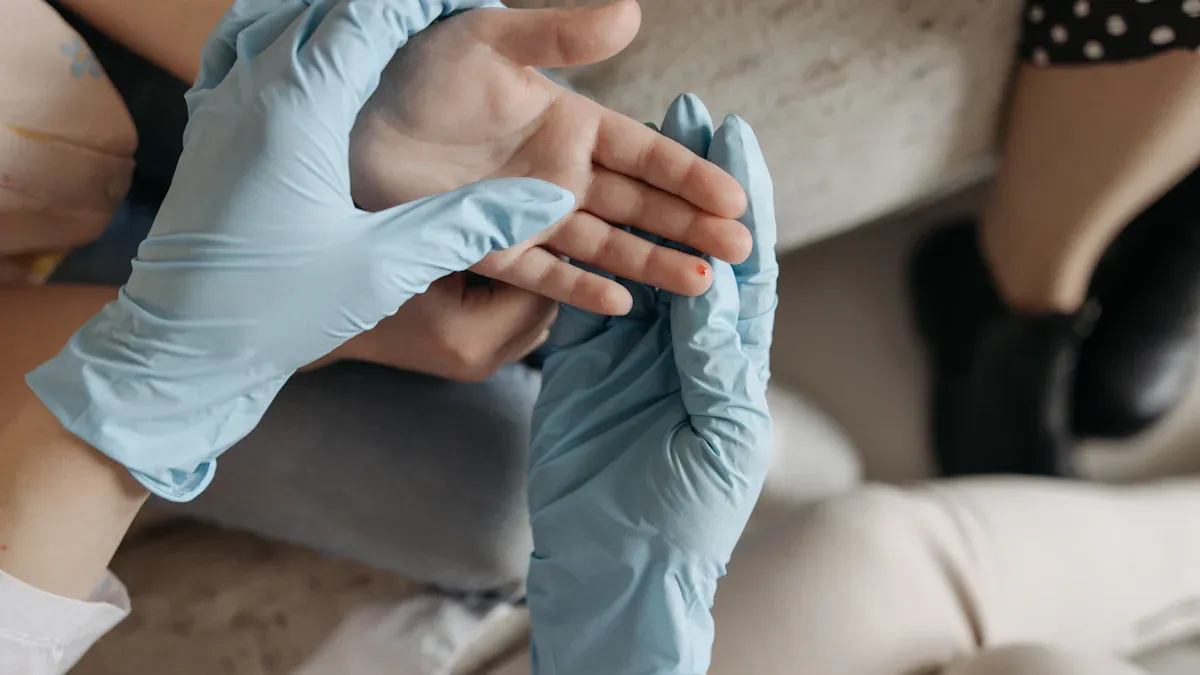
You need to prepare carefully before you apply antimicrobial dressings. Good preparation helps keep the area clean and lowers the risk of infection. Start by telling the patient what you will do. This helps them feel calm and ready. Always use personal protective equipment, such as gloves and a mask, if needed. Clean your hands with soap and water or hand sanitizer. Make sure your work area is clean and flat. Disinfect the surface where you will place your supplies.
Gather all the supplies you need. Keep sterile items away from the patient until you are ready to use them. Place non-sterile items close by for easy access. Close windows and doors to stop dust or germs from entering. Make sure the patient is comfortable and the wound is easy to reach. Good lighting helps you see clearly.
Use a gentle solution like saline to clean the wound.
Avoid harsh chemicals that can hurt the skin.
Keep the wound moist but not too wet.
Do not let the area get too dry or too soggy.
Tip: Always follow strict hand hygiene before and after touching the wound.
Dressing Change and Removal Tips
When you change antimicrobial dressings, you help the wound heal and keep it safe. Wash your hands before and after every contact. Use a sterile technique to avoid bringing germs to the wound. Change the dressing every 48 hours after surgery, or as your healthcare provider tells you. This helps remove debris and lowers the risk of infection.
Check the wound each time you change the dressing. Look for signs of infection, such as redness, swelling, or pus. If you see these signs, tell a healthcare professional. Dispose of used dressings and sharp items in the right containers. Write down what you see, including the color, smell, and size of the wound. Finish by cleaning your hands again.
Note: Regular monitoring and careful technique help wounds heal faster and keep patients comfortable.
Precautions and Contraindications
When to Avoid Antimicrobial Dressings
It is important to know when not to use antimicrobial dressings. Some wounds heal well and do not need extra protection. If a wound looks clean and is getting better, you may not need an antimicrobial dressing. Do not use these dressings if someone is allergic to the ingredients, like silver or iodine. Some dressings can make the skin red or itchy. If you see redness, swelling, or itching, stop using the dressing.
Do not use antimicrobial dressings on very dry wounds. These dressings work best when the wound has some moisture. If the wound is too dry, the dressing might not help and could slow healing. Do not use these dressings for a long time without asking a healthcare professional.
Note: Always check if the patient has allergies before picking a dressing.
Safety and Side Effects
Watch for side effects when you use antimicrobial dressings. Some people may get mild skin irritation or itching. You might see redness or swelling near the wound. If this happens, take off the dressing and talk to a healthcare provider.
Some antimicrobial therapies can cause problems in other parts of the body. You may notice stomach pain, nausea, vomiting, or diarrhea. These problems happen because antimicrobial agents can upset the balance of bacteria in the gut. Sometimes, broad-spectrum antibiotics can cause new infections, like Candida overgrowth, especially in people with diabetes.
Allergic reactions are also a concern. Many people have allergies that are not written down. If you see a rash or trouble breathing, get help right away.
Possible Side Effect | What You Should Watch For |
|---|---|
Skin irritation | Redness, swelling, itching |
Nausea, vomiting, diarrhea, pain | |
Allergic reactions | Rash, trouble breathing |
Secondary infections | New symptoms, especially in diabetics |
Tip: Always check the wound and the patient for side effects. If you see any problems, stop using the dressing and ask for medical advice.
You help stop infections by picking the right antimicrobial dressings. New products from SLK Medical can help with tough wounds and lower pain. Learning about dressings helps you make better choices. Always ask a healthcare professional if you need help. You can find more information on SLK Medical’s website.
Key Point | Description |
|---|---|
Antimicrobial stewardship | Keeps skin healthy and stops infections |
Education | Helps you use dressings better and get good results |
Clinical assessment | Helps you choose the best dressing for each person |
FAQ
What wounds can you treat with antimicrobial dressings?
Antimicrobial dressings work for burns, ulcers, and surgery cuts. You can also use them for wounds that might get infected. These dressings help wounds heal quicker and keep out germs.
How often should you change an antimicrobial dressing?
Change the dressing every 1 to 7 days. The time depends on the wound and how much fluid it has. Always listen to your healthcare provider for the best advice.
Tip: Look at the wound every day to check for infection.
Are SLK Medical dressings safe for sensitive skin?
SLK Medical dressings are made with soft silicone and gentle materials. You can use them on sensitive or fragile skin. They do not cause pain or make the skin sore.
Product Type | Skin Safety |
|---|---|
Silicone Foam | Very gentle |
Transparent | Hypoallergenic |
Can you shower with SLK Medical dressings on?
Most SLK Medical dressings let you shower. The waterproof layer keeps the wound dry and safe. Always read the product instructions before you take a bath or shower.


