


Changing a wound dressing can be challenging, especially when it causes discomfort for you or someone you care about. Studies show that around 74% of people experience moderate to severe pain during dressing changes, and 81% of nurses report that patients feel the most pain when dressings are removed. Using a non adherent wound dressing can make a significant difference. Check out the table below to see how non adherent wound dressing options support wound healing and help reduce pain during dressing changes:
Type of Dressing | Impact on Healing Outcomes | Pain and Trauma Reduction |
|---|---|---|
Traditional Dressings | May stick to wounds and cause pain and trauma when removed | A lot of pain and trauma to new tissue |
Non-Adherent Wound Dressing | Prevents damage to new tissue and promotes healing | Less pain and trauma when dressings are changed |
For greater comfort and improved healing, consider your wound type, skin sensitivity, and the benefits each dressing provides. Choosing a non adherent wound dressing can help make the healing process easier and less painful.
Key Takeaways
Non-adherent wound dressings help lower pain when you change them. They do not stick to wounds, so taking them off is easier and hurts less.
Picking the right dressing depends on your wound and how sensitive your skin is. Think about choices that help healing and make you feel less pain.
Non-adherent dressings help control wetness and soak up exudate. This keeps wounds in good shape for healing and lowers the chance of infection.
Ask healthcare professionals for help picking the best dressing for you. They can help you choose the right product for good wound care.
Buying good non-adherent dressings can save you money over time. You may not need to change them as often, so you get more comfort and value.
Top Non-Adherent Wound Dressings List

If you want less pain when changing dressings, picking the right non-adherent dressings is important. Here are the top 10 choices you should know. Each one helps with wound care, comfort, and healing in its own way.
What makes a great non-adherent dressing?
Healing Support: Keeps wounds moist and helps new tissue grow.
Trauma Prevention: Won’t stick, so you avoid hurting new skin.
Protection: Lets air in but keeps germs out.
Safety: Always sterile and safe for your skin.
Alexer® Non Adhesive Foam Dressing (SLK Medical)
You need a dressing that protects your wound and makes changes easier. The Alexer® Non Adhesive Foam Dressing does this job well. It works for wounds with a lot of exudate, like pressure ulcers or diabetic foot ulcers. The soft foam layer is gentle and does not stick, so you feel less pain. You can cut it to fit any wound shape. The waterproof back keeps out germs and lets you shower safely.
Evidence Description | Key Benefit |
|---|---|
Non-adhesive nature of the dressing | Minimizes pain and skin damage during changes |
Soft foam layer | Cushions the wound and prevents sticking |
Moisture management | Helps wounds heal faster and reduces trauma during dressing changes |
You can wear it for up to 7 days, so you change it less often. This non-adhesive foam dressing is a good pick for anyone who wants less pain and strong protection.
Alexer® Non-adhesive Ag Foam Dressing (SLK Medical)
If you worry about infection, the Alexer® Non-adhesive Ag Foam Dressing is a smart choice. It uses silver ions to fight bacteria and keep your wound safe. The foam soaks up exudate and keeps the area moist, which helps healing. You can use it for up to 7 days, and it stays put even with compression.
Feature | Description |
|---|---|
Antimicrobial Agent | Contains silver ions that help reduce bacterial colonization in wounds. |
Moisture Management | Maintains a moist environment conducive to optimal wound healing. |
Silver Release | Releases silver ions in the presence of wound fluid to enhance antibacterial effectiveness. |
Duration of Effectiveness | Demonstrated antibacterial effectiveness for up to 7 days in vitro. |
Dressing Type | Sterile, single-use, non-adhesive foam dressing designed for moderately to highly exuding wounds. |
This non-adhesive foam dressing helps you worry less about infection and pain during changes.
Alexer® Super Absorbent Dressing Non Adherent (SLK Medical)
Some wounds need a dressing that can soak up a lot. The Alexer® Super Absorbent Dressing Non Adherent can hold up to 20 times its weight. This means you do not have to change it as much. The non-adhesive layer makes removal easy and less painful.
Dressing Type | Healing Rate (3 weeks) | Complete Healing Rate (Week 2) | Wound Surface Area Reduction (cm²) | Healing Time (days) |
|---|---|---|---|---|
Mepitel One / Mepilex Border Flex | 96.9% | 89.2% | 2.9 | 11 |
Alldress / Telfa | 34.4% | 27.9% | 0.6 | 22 |
This non-adhesive foam dressing is comfortable and very absorbent. You get fewer changes and better healing.
Aquacel Ag Foam
Aquacel Ag Foam is a top pick for wounds that might get infected. It uses hydrofiber technology to fit your wound, control exudate, and keep things moist. The silver in the dressing fights bacteria and helps stop infection.
Study Title | Findings |
|---|---|
Clinical outcomes of hydrofiber foam dressing in the treatment of abrasion wounds | Demonstrated that hydrofiber foam dressings help contour the wound surface, control exudates, and preserve viable tissue by inhibiting excessive matrix metalloprotease activity. |
AQUACEL® Ag Dressing with Hydrofiber® Technology | Showed that AQUACEL Ag dressing provides sustained antimicrobial activity and promotes wound healing while effectively preventing and managing infection. |
You can trust this non-adhesive foam dressing to keep your wound safe and help it heal.
Mepitel
Mepitel is known for being gentle. It uses Safetac technology, so it does not stick to your wound or new skin. You can leave it on for up to 14 days, so you do not have to change it often.
Mepitel gives you pain-free dressing changes.
The Safetac layer seals around the wound, stopping leaks and reducing maceration.
The silicone adhesion is gentle, so you feel less discomfort.
This non-adhesive foam dressing is great if you want less pain and fewer changes.
Kaltostat
Kaltostat is an alginate dressing that handles exudate and helps wounds heal faster. It forms a gel when it touches wound fluid, keeping the area moist and safe.
Outcome Indicator | Description |
|---|---|
Healing Time | Time taken for wounds to heal |
Number of Dressing Changes | Frequency of changing the dressing |
Pain Scores | Levels of pain reported by patients |
Adverse Events | Incidents such as infection or excessive exudate |
Scar Scores | Assessment of scarring post-healing |
You get a non-adherent dressing that helps healing and keeps pain low.
Inadine
Inadine is a non-adherent dressing with iodine. It is good for wounds that need infection control. The dressing slowly releases iodine, which kills bacteria and keeps your wound clean.
Evidence Description | Details |
|---|---|
Effectiveness as a topical antimicrobial | Inadine is effective in treating localized infections, characterized by specific features such as non-healing wounds and increased exudate. |
Sustained release of iodine | Inadine provides a slow and sustained release of iodine, which is safer than unbound iodine and minimizes side effects. |
Application in various wound types | It is suitable for superficial wounds including diabetic ulcers, pressure ulcers, and post-surgical wounds. |
Agreement on its use | Experts agree that Inadine is a useful topical antimicrobial for superficial critical colonization of wounds. |
Cost-effectiveness and ease of use | Inadine is described as inexpensive, low risk, and easy to use, making it ideal for surface critical colonization. |
You can use this non-adherent dressing for many wounds, especially if you want to stop infection.
Xeroform
Xeroform is a classic non-adherent dressing. It uses fine mesh gauze with petrolatum and bismuth tribromophenate. This mix keeps your wound moist and helps stop infection.
Component | Contribution to Wound Healing |
|---|---|
Fine mesh gauze | Provides structure and support for the wound |
Petrolatum | Maintains a moist environment, essential for healing |
3% Bismuth Tribromophenate | Offers bacteriostatic properties, reducing infection risk |
You get a non-adhesive foam dressing that is gentle and works for many wounds.
Adaptic
Adaptic is made for delicate wounds. It does not stick to your skin, so you avoid pain and trauma when you change it.
Adaptic stops wound trauma, so it is good for sensitive wounds.
The special design keeps it from sticking, so removal is quick and painless.
You get more comfort and are more likely to keep up with wound care.
This non-adhesive foam dressing is a good pick if you want to avoid pain and protect new skin.
Tulle Gras Dressing
Tulle Gras Dressing is gentle and non-adherent, great for sensitive skin. It keeps the wound moist and stops the dressing from sticking.
Non-adherent properties help prevent wound adhesion.
Maintains a moist environment, which is beneficial for sensitive skin.
You can use this non-adhesive foam dressing for burns, skin grafts, or any wound that needs a soft touch.
Picking the right non-adherent dressings can make wound care easier and less painful. Each non-adhesive foam dressing here helps you lower trauma, manage exudate, and support healing. You deserve comfort and peace of mind every time you change your dressing.
Features of Non-Adherent Dressings
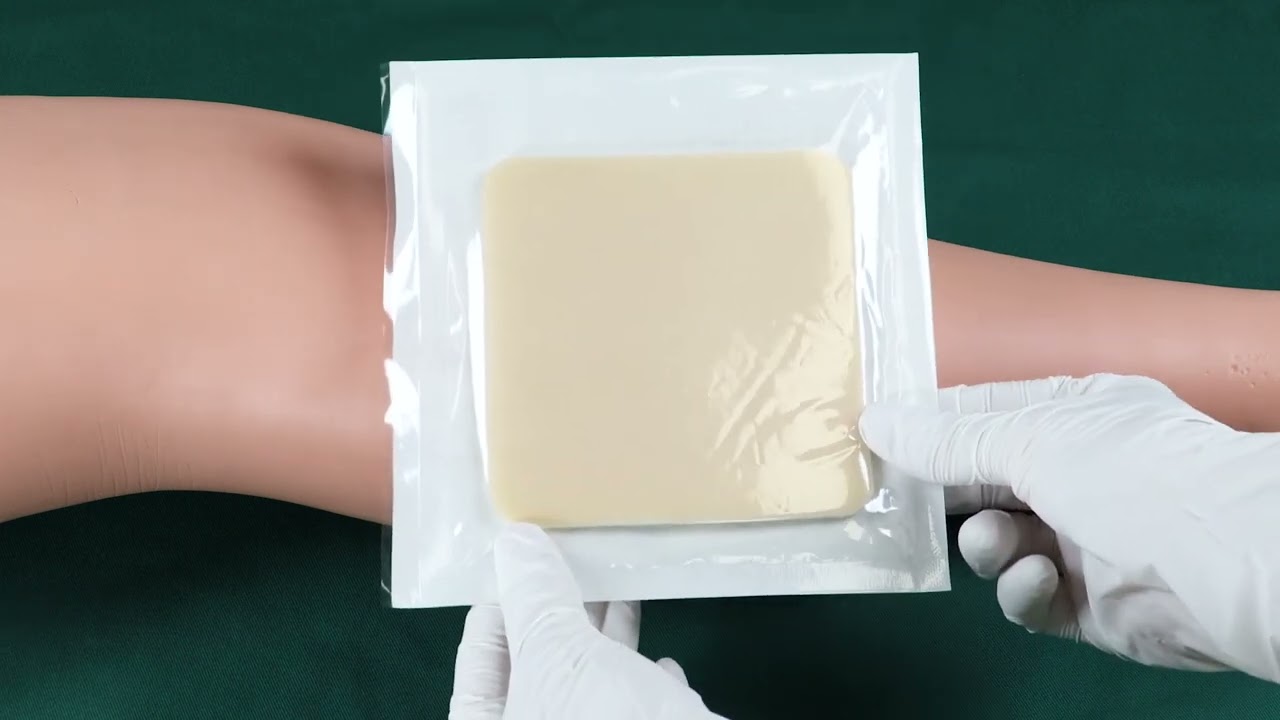
Trauma Minimization
You want your wound to stay safe and feel better. Non-adhesive dressings do not stick to your skin or wound. This means you can take them off without hurting your skin. You do not need to worry about your skin getting pulled or damaged.
These dressings stop the wound from getting bigger.
They help keep exudate low and calm the area.
They make a good place for healing and block new infections.
If dressing changes hurt, try a non-adherent wound dressing. You will feel less pain and more comfort.
Absorbency and Moisture Control
Non-adhesive dressings do more than just cover wounds. They help keep the wound not too wet or too dry. This helps your wound heal faster.
These dressings keep the right amount of moisture.
They soak up extra exudate and stop problems.
Regular dressings may not control moisture well and slow healing.
Hydrogels, contact layer dressings, hydrocolloids, and clear adhesive dressings help with moisture. Your wound gets what it needs to heal well.
Skin Sensitivity Protection
If your skin is sensitive, you need something gentle. Non-adhesive dressings, like silicone ones, protect your skin and help healing.
Study Type | Findings | Conclusion |
|---|---|---|
Randomised Controlled Trial | 94% of wounds healed with opaque foam dressings, but only 65% with clear film dressings | Non-adhesive dressings work better for skin tears |
Comparative Study | Soft silicone dressings caused less skin damage than other adhesives | Silicone dressings are softer for sensitive skin |
Clinical Study | 96.9% of wounds healed with Mepitel One or Mepilex Border Flex | Silicone dressings help wounds heal faster |
Experts say silicone mesh dressings protect wounds and the skin around them. You get less pain and heal better.
Infection Prevention
You want your wound to stay clean and safe. Non-adhesive dressings help lower the chance of infection. Hydrofibre dressings have a lower risk of infection than regular or absorbent dressings.
Regular dressings have a higher risk of infection.
Absorbent dressings also have more risk than hydrofibre dressings.
Picking a non-adhesive dressing helps keep your wound safe and healing.
SLK Medical’s Advanced Wound Care Solutions
D-Pore™ Technology Benefits
You want a dressing that does more than just cover your wound. SLK Medical’s D-Pore™ Technology helps your wound heal faster. This technology uses a tiny structure that lets air in and helps healing. You feel more comfortable and have less pain when you change the dressing. The wound stays moist, which helps new skin grow. The table below shows how D-Pore™ Technology helps you:
Feature | Benefit |
|---|---|
Pressure Relief | Makes patients feel more comfortable |
Fluid Management | Soaks up fluid and keeps the wound moist |
Micro-Nano Structure | Lets air in and helps wounds heal |
Moist Wound Environment | Helps new tissue grow and repair |
Faster Healing | Wounds heal quicker and infection risk goes down |
Reduced Pain | Less pain and trauma when you change dressings |
You can trust this dressing to keep your wound safe. It helps you feel better every time you change it.
Silicone Foam for Sensitive Skin
If your skin is sensitive, you need a gentle dressing. SLK Medical’s silicone foam dressings are made for people like you. These dressings use a soft silicone layer that does not pull on your skin. You feel less pain and your skin stays safe. Many people find wound care easier with these dressings because they are gentle.
Silicone foam dressings are great for sensitive or fragile skin.
The soft silicone layer makes taking it off almost pain-free.
Gentle sticking keeps your skin safe.
Super Absorbent Solutions
Some wounds leak a lot of fluid and need special care. SLK Medical’s super absorbent dressings can handle lots of fluid. These dressings use SAP packs to soak up fluid quickly and well. Your wound area stays clean and the risk of infection goes down. Hospitals like these dressings because they save money and are easy to use.
SAP packs soak up fluid so you do not have to guess.
The design keeps your wound clean and safe.
You get a solution that saves money and works in many places.
SLK Medical’s non-adhesive dressings help you care for your wound. They lower pain and help you heal at every step.
Types of Wound Dressings and Their Uses
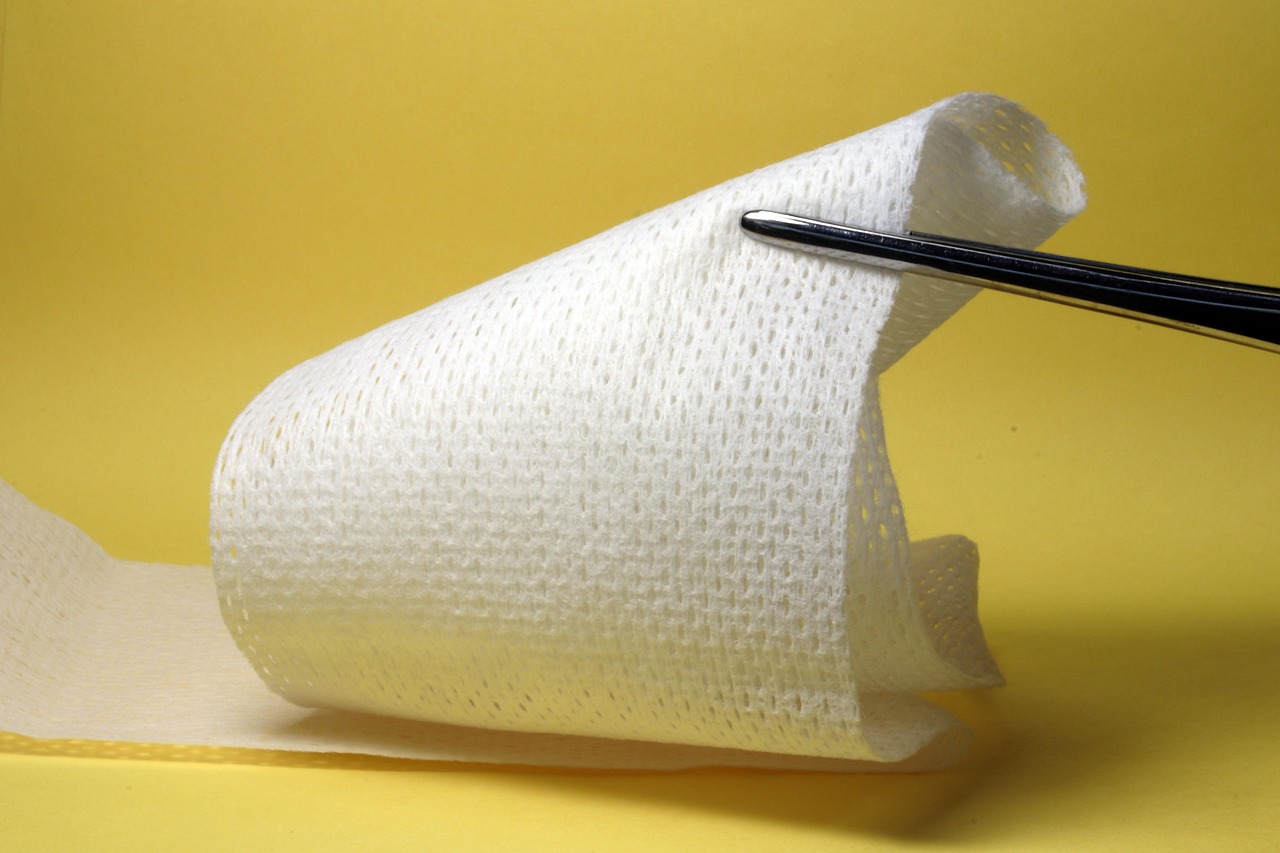
You might feel overwhelmed by all the types of wound dressings out there. Each dressing has a special job. Picking the right one helps your wound heal faster and makes every change easier. Here’s a quick look at the main types and when you should use them:
Dressing Type | Recommended Uses |
|---|---|
Gauze dressings | Covering superficial wounds, absorbing drainage, applying medications, dressing burns, packing deep wounds. |
Non-adherent dressings | Protecting delicate tissues, burns, donor sites, and postoperative wounds. |
Hydrocolloid dressings | Managing pressure ulcers, diabetic foot ulcers, minor burns, abrasions, and donor sites. |
Foam dressings | Used for venous leg ulcers, pressure ulcers, diabetic foot ulcers, surgical wounds, and skin tears. |
Alginate dressings | Suitable for moderate to heavily exudating wounds, surgical wounds, and partial thickness burns. |
Transparent film dressings | Protecting superficial wounds, IV sites, skin tears, and post-surgical incisions. |
Hydrogel dressings | Hydrating dry wounds, managing partial thickness burns, and pressure ulcers. |
Collagen dressings | Used for chronic wounds, surgical wounds, and deep burn wounds. |
Silver dressings | Effective for infected wounds, chronic wounds, and burn wounds. |
Composites dressings | Managing complex wounds with varying needs and drainage patterns. |
Foam Dressings
Foam dressings are soft and cushiony. You use them for wounds that leak a lot, like ulcers or surgical wounds. These dressings keep the wound moist and warm, which helps healing. They do not stick to the wound, so you feel less pain when you remove them. Foam dressings also protect the area from bumps and germs.
They are easy to apply and take off.
They work well for wounds with extra fluid.
They may cost more than other types of wound dressings.
Tip: If your wound is dry, foam dressings might not be the best choice. Too much moisture can also cause the skin around your wound to get soft or break down.
Ag Foam Dressings
Ag foam dressings have silver in them. Silver fights bacteria and keeps your wound safe from infection. You can use these dressings for wounds that might get infected or already show signs of infection. They work fast—some start killing germs in just 30 minutes and keep working for up to a week.
Ag foam dressings are great for wounds that need extra protection.
They help lower infection risk.
Non-silver foam dressings do not have these germ-fighting powers.
Hydrocolloid Dressings
Hydrocolloid dressings are sticky and flexible. You use them for wounds like pressure ulcers or small burns. These dressings keep the wound moist and help new skin grow. Studies show that hydrocolloid dressings help wounds heal faster and with less pain. Many people say they feel comfortable and can do daily activities without worry.
Study | Findings | Conclusion |
|---|---|---|
Eisenberg | Hydrocolloid dressings had a shorter healing time compared to other dressings. | Hydrocolloids speed up healing. |
Hermans and van Wingerden | Over 80% of patients rated hydrocolloid dressings as comfortable. | Hydrocolloids are comfortable for daily use. |
Alginate Dressings
Alginate dressings come from seaweed. You use them for wounds that leak a lot. When alginate touches wound fluid, it turns into a soft gel. This gel keeps the wound moist and helps it heal. Alginate dressings can soak up a lot of fluid, so you do not have to change them as often.
Key Points | Description |
|---|---|
Absorbent Properties | Alginates are great for wounds with lots of fluid. |
Mechanism of Action | They turn into a gel to keep the wound moist. |
Advantages | Fewer dressing changes and may help stop bleeding. |
Note: Alginate dressings are not good for dry wounds. Always use a second dressing to keep the gel in place.
Contact Layers
Contact layer dressings are thin and non-adhesive. You place them right on the wound. They protect new skin and make every change less painful. These dressings do not stick, so you can remove them without hurting the wound or the skin around it.
Contact layers are gentle and help lower pain.
They work well for sensitive wounds or skin.
If you want to protect your wound and make dressing changes easier, try a non adherent wound dressing. With so many types of wound dressings, you can always find the right one for your needs.
Comparison Table: Non-Adherent Wound Dressings
It is important to pick the best dressing for your wound. Looking at dressings side by side helps you see what works for you. The table below shows how the top 10 dressings compare for pain, soaking up fluid, skin safety, and price.
Dressing Name | Trauma Minimization | Absorbency | Skin Protection | Cost Range |
|---|---|---|---|---|
Alexer® Non Adhesive Foam (SLK Medical) | Excellent | High | Gentle, waterproof | Moderate |
Alexer® Non-adhesive Ag Foam (SLK Medical) | Excellent | High | Antimicrobial, gentle | Moderate-High |
Alexer® Super Absorbent Non Adherent (SLK Medical) | Excellent | Very High | Soft, non-irritating | Moderate |
Aquacel Ag Foam | Excellent | High | Antimicrobial, gentle | High |
Mepitel | Excellent | Moderate | Very gentle | High |
Kaltostat | Good | High | Moisture balance | Moderate |
Inadine | Good | Moderate | Antimicrobial | Low |
Xeroform | Good | Moderate | Moisture, antimicrobial | Low |
Adaptic | Excellent | Low | Very gentle | Moderate |
Tulle Gras Dressing | Good | Low | Gentle | Low |
Trauma Minimization
You want less pain when you change your dressing. Non-adhesive dressings help protect new skin. Dressings like Alexer® and Mepitel use soft layers. These layers do not stick to your wound. You can take them off without hurting your skin. This makes you feel better and helps your wound heal faster.
Tip: If your skin is sensitive or your wound is new, choose a non-adhesive dressing with a soft layer. You will feel less pain and heal quicker.
Absorbency
It is important to control wound fluid. Some dressings soak up more than others. Here is how they compare:
Hydrofibre dressings can hold 15–25 times their weight.
Foam dressings work for wounds with little or lots of fluid.
Polysaccharide bead dressings soak up seven times their weight.
Alexer® Super Absorbent Non Adherent is best for soaking up lots of fluid. You do not need to change it as often. Your wound stays dry and safe.
Skin Protection
You want your skin to stay safe. Non-adhesive dressings like Alexer® and Mepitel use gentle materials. Silicone foam dressings are soft and do not pull on your skin. Many dressings also block germs and keep wounds moist. You get better care and less skin trouble.
Cost
Price is important when picking a dressing. Costs are different for each type:
Simple non-adhesive dressings cost from £0.009 to £3.82.
Modern dressings cost less than £0.2 to over £8.
Basic non-adhesive dressings cost about £0.70 on average.
Advanced dressings cost around £4.78 on average.
You can find a dressing that fits your budget and helps your wound heal. SLK Medical dressings give good protection and comfort for a fair price.
Remember: The right non-adhesive dressing helps you heal, keeps your skin safe, and saves you money.
How to Choose the Right Non-Adherent Dressing
Assessing Wound Type
You want the best care for your wound, so start by looking at what kind of wound you have. Is it a burn, a surgical cut, or maybe a pressure ulcer? Each wound needs a different dressing. Some wounds leak a lot, while others stay dry. You should think about these things before you pick a non-adhesive dressing:
How much fluid comes from the wound
If the wound needs to stay moist
Which dressing helps healing the most
If you know these details, you can choose a dressing that fits your wound and helps you heal faster.
Considering Skin Sensitivity
Sensitive skin needs extra care. If your skin gets red or sore easily, look for a non-adhesive dressing made with soft materials. Silicone foam dressings work well for fragile skin. They protect without sticking or causing pain. You can use these dressings for wounds on tricky spots like elbows or heels. If you have allergies, check the dressing label for safe ingredients.
Tip: If you feel pain or see redness after a dressing change, try switching to a gentler non-adhesive dressing.
Evaluating Cost and Value
You want good care without spending too much. Some dressings cost more because they last longer or soak up more fluid. Think about how often you need to change the dressing. If you pick a super absorbent non-adhesive dressing, you might save money because you change it less often. Look for dressings that offer comfort, protection, and value.
Dressing Type | Cost Range | Change Frequency | Value for Money |
|---|---|---|---|
Basic Non-Adhesive | Low | Often | Good |
Advanced Non-Adhesive | Moderate | Less Often | Excellent |
Super Absorbent | Moderate | Rarely | High |
Consulting Healthcare Professionals
You do not have to choose alone. If you feel unsure, ask a nurse or doctor for advice. Healthcare professionals know which non-adhesive dressing works best for your wound. They can help you avoid pain and make sure you heal well. If your wound does not get better or you see signs of infection, get help right away.
Note: Always talk to a healthcare professional before you change your wound care routine.
You want your skin to feel comfortable and heal well. Non-adherent wound dressings help you feel less pain during care. SLK Medical’s products are gentle for sensitive skin and help wounds heal better. You can look at the comparison table to find the best dressing for your wound and comfort. If your wound is hard to treat or needs special care, talk to a healthcare professional. Everyone should get comfort, good healing, and the right treatment.
Tip: Pick dressings that help with comfort and healing for every wound and patient. Your care is important.
FAQ
What are the main types of non-adherent wound dressings?
You can find many types of non-adherent dressings. Some popular types include foam, hydrocolloid, alginate, contact layers, and soft silicone dressings. Each type helps with different wound needs, like absorbing fluid or protecting sensitive skin.
How do I know which dressing is best for my wound?
You should look at the wound type, how much fluid it has, and if your skin is sensitive. Some types work better for burns, ulcers, or surgical wounds. Ask your nurse or doctor for advice if you feel unsure.
Can I use non-adherent dressings for sensitive skin?
Yes, you can use non-adherent dressings for sensitive skin. Soft silicone dressings are gentle and help with trauma prevention. These types protect your skin and make dressing changes easier. You get less pain and better healing.
How often should I change my wound dressing?
You need to change your dressing based on the wound type and how much fluid it makes. Some types last up to seven days. If your wound gets wet or dirty, change the dressing sooner. Always check with your healthcare provider.
Do non-adherent dressings help with trauma prevention?
Non-adherent dressings help with trauma prevention by not sticking to the wound. These types protect new tissue and lower pain during changes. If you have sensitive skin, these dressings make every change more comfortable.


